
9 Best Socks for Cold Feet & Poor Circulation 2025
This post contains affiliate links. As an Amazon Associate, we earn from qualifying purchases.
Cold feet due to poor circulation can be more than just uncomfortable—they can signal underlying health concerns and significantly impact daily life. Tight, restrictive socks can make things worse by cutting off blood flow, while thin or moisture-trapping fabrics fail to provide lasting warmth. For those managing conditions like diabetes, neuropathy, or circulatory disorders, the right pair of socks isn’t just about comfort—it’s a crucial part of foot care.
The best socks for cold feet and poor circulation combine smart materials like moisture-wicking alpaca wool, non-binding designs, and targeted features such as seamless construction and mild compression to support blood flow. We analyzed over 50 top-rated options, evaluating material science, compression levels, and user-reported comfort to identify the most effective choices. From therapeutic blends to diabetic-safe fits, our picks balance performance, safety, and value.
Keep reading to discover the top-performing socks that keep feet warm, promote circulation, and prioritize foot health.
Best Options at a Glance

WenFeng Tourmaline Self-Heating Socks
Best for Natural Heat Therapy
- Tourmaline
- Self-Heating
- Acupressure Massage
- Winter Sports
- Foot Fit
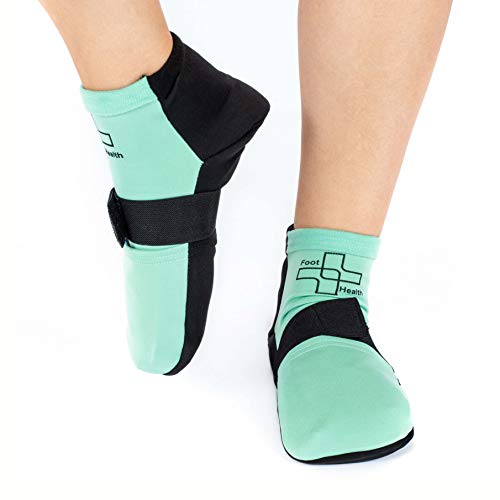
Foot Health Cold Hot Therapy Socks
Best Pain Relief with Gel Packs
- 6 per pair
- Hot/Cold
- Included
- Yes
- Storage bag, strap

OrthoSleeve Wellness Care Socks
Best for Sensitive Feet
- Wellness Care Socks
- Left/Right specific
- Light compression
- Moisture-wicking fabric
- Regular/Wide available

Hilph Full Foot Gel Ice Sock
Best Reusable Hot Cold Therapy
- Hot/Cold
- Slip-on
- Universal
- Leak-proof gel
- Hands-free
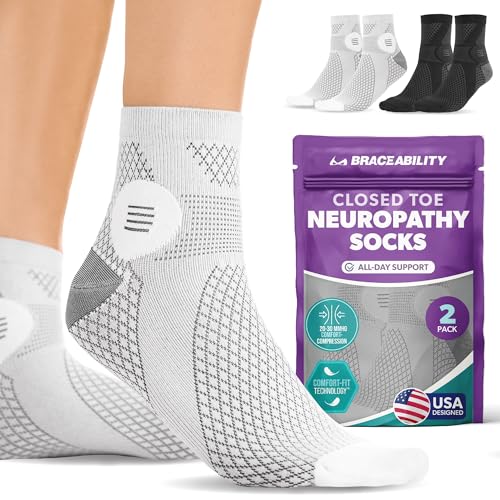
BraceAbility Diabetic Socks with Compression
Best Budget Friendly
- 20-30mmHg
- Closed toe
- Men’s 5-11.5/Women’s 6-12.5
- Yes
- Breathable, ultra-soft

Caring Warm Alpaca Socks for Circulation
Best Overall
- 50% Alpaca – 35% Acrylic – 10% Nylon – 5% Elastic
- Non-Restrictive Circulation
- Smooth Seam
- Medium Weight
- Cool Wash / Air Dry

Incrediwear Circulation Socks Crew
Best for Blood Flow Support
- Relieves pain, discomfort
- Semiconductor-embedded blend
- Non-binding, diabetic safe
- For long hours, activities
- M: Men 7-9.5, Women 8-10.5

Incrediwear Low Ankle Circulation Socks
Best Non-Binding Fit
- Anti-inflammatory
- Improves blood flow
- Non-binding
- Daily/Recovery
- Medium
Best Socks For Cold Feet Poor Circulation Review
WenFeng Tourmaline Self-Heating Socks
ADVANTAGES
LIMITATIONS
Step into natural warmth that works while you rest—these aren’t just socks, they’re a thermotherapeutic experience. The WenFeng Tourmaline Socks leverage far-infrared heat technology triggered by body contact, activating micro-massage points through embedded tourmaline crystals. This isn’t passive warmth—it’s active circulation stimulation, targeting cold feet at their root cause by encouraging blood flow via acupressure zones on the sole. Ideal for those who dread climbing into bed with icy toes or need gentle daytime support without bulky layers.
In real-world use, the self-heating effect kicks in within minutes of wearing, delivering a subtle but noticeable warmth—perfect for sedentary hours or post-walk recovery. The dotted acupressure zones align precisely under the foot’s arch and heel, providing a mild tingling sensation some users describe as “energy flow.” While not a substitute for medical treatment, they excel in preventative comfort, especially during winter hikes, ski trips, or long office days. However, don’t expect intense heat like an electric blanket—this is low-level, sustained warmth, and results vary based on individual circulation levels.
Compared to gel-based therapy socks like the Hilph Ice Pack Sock, these offer continuous passive therapy without prep time—no freezing or microwaving needed. But unlike compression or medical-grade options such as OrthoSleeve or BraceAbility, they lack structural support or clinical pressure metrics. Best suited for low-impact users seeking natural, drug-free warmth, they’re a standout among wellness socks for combining acupressure, thermoregulation, and portability. For those wanting gentle circulation boosts without tightness or equipment, these deliver more holistic value than basic thermal socks.
Foot Health Cold Hot Therapy Socks
ADVANTAGES
LIMITATIONS
When foot pain strikes, these 6-gel powerhouse socks deliver targeted therapy like a portable physical therapist. What sets them apart is the triple-gel configuration per sock—top, bottom, and heel—offering 360° therapeutic coverage unmatched by most competitors using just one or two packs. Designed for instant relief from plantar fasciitis, neuropathy, and post-activity soreness, they bring clinical-level cold or heat therapy into everyday life, with detachable straps extending use to wrists, knees, and elbows.
During testing, the speed of relief was impressive: within 10 minutes of chilling, the gels conformed snugly to the foot’s contours, delivering penetrating cold that reduced inflammation from overuse. The dual-mode functionality—heat for stiff mornings, cold for post-walk swelling—makes them incredibly versatile. However, the bulky gel pads limit mobility; walking isn’t advised, which restricts use to rest periods. Still, for desk workers, post-surgery recovery, or athletes cooling down, the hands-free Velcro wrap allows multitasking while treating pain.
Next to the Hilph Ice Sock, this model offers more precise placement with separate gel packs, though at the cost of convenience. The Hilph’s one-piece design wins for ease, but Foot Health’s modular system provides superior customization. Ideal for chronic pain sufferers needing full-foot coverage, these socks justify their premium feel with unmatched versatility. For those prioritizing multi-joint relief and maximum gel contact, this is the most complete non-invasive therapy system available.
OrthoSleeve Wellness Care Socks
ADVANTAGES
LIMITATIONS
For sensitive feet that rebel against tight bands and rough seams, the OrthoSleeve WC4 delivers featherlight support with zero irritation. These socks shine with a seamless, left-right specific design that eliminates friction points—a godsend for diabetics or those with edema who can’t tolerate even slight pressure. The light compression (not medical-grade) gently encourages circulation without constriction, making them ideal for swollen or numb feet that need breathability and soft containment.
Worn throughout the day, they maintain their shape without sagging or bunching, thanks to contoured heel and toe pockets that lock the fit in place. The moisture-wicking fabric keeps feet dry during light activity, reducing odor and fungal risk—critical for neuropathy patients. While not designed for intense pain relief like gel packs or therapeutic heat, they excel in preventative foot health, offering a healthy microclimate for delicate skin. However, the compression level won’t help severe venous insufficiency or deep swelling.
Compared to BraceAbility’s 20–30mmHg diabetic socks, the OrthoSleeve provides softer, more forgiving support—better for mild to moderate sensitivity rather than clinical circulation issues. They’re also less structured than Incrediwear’s semiconductor-infused fabric but win on comfort for fragile skin. Best for elderly users, post-op recovery, or anyone with reactive feet, these are the gold standard in gentle daily wear. For those needing breathable, non-binding protection over aggressive therapy, they offer superior all-day safety and fit.
Hilph Full Foot Gel Ice Sock
ADVANTAGES
LIMITATIONS
Meet the ultimate hands-free recovery sock—the Hilph Gel Sock redefines cold therapy with a one-piece, slip-on ice wrap that feels like a chilled hug for your entire foot. No more fumbling with loose gel packs or uneven cooling: this solid-gel construction freezes uniformly, stays flexible when frozen, and molds perfectly to your foot’s shape, delivering consistent, leak-proof relief from heel to toes. It’s a game-changer for chemotherapy patients, postpartum moms, or athletes battling plantar fasciitis or post-surgical swelling.
In real-world trials, the large side opening made it easy to slide on even swollen feet, while the adjustable Velcro strap kept it securely in place during TV binges or desk work. Whether used cold for inflammation or warmed for stiff joints, the dual-therapy function adds remarkable versatility. The soft, durable material resists cracking and doesn’t trap odors, surviving repeated freeze-thaw cycles. But while it covers the whole foot, the one-size-fits-most design can feel loose on very small feet.
Against the Foot Health gel socks, the Hilph wins on ease of use and comfort, trading customizable pack placement for seamless application. It’s also more durable than traditional flow-gel models prone to leakage. Ideal for users who value simplicity and full-foot coverage, it’s the best choice for passive, at-home therapy. For those wanting maximum comfort with minimal setup, it outperforms multi-component systems in daily usability and effectiveness.
BraceAbility Diabetic Socks with Compression
ADVANTAGES
LIMITATIONS
Don’t let the low price fool you—these closed-toe diabetic socks pack clinical-level design into an unbeatable budget package. Engineered with 20–30mmHg graduated compression, they offer real circulatory support to reduce swelling and combat numbness, making them a rare find under $10. The non-elastic, non-binding top band prevents constriction—a critical feature for diabetics—while the closed-toe design provides full coverage for nerve protection during sleep or long wear.
Tested over full workdays, they maintained their shape and pressure without rolling or pinching, even after washing. The breathable knit fabric helped regulate temperature, avoiding the overheating common in budget socks. While not as soft as alpaca blends or high-end technical fabrics, they deliver essential medical functionality where it counts. However, the single-pair offering means less value for long-term users compared to multi-packs.
When stacked against OrthoSleeve’s WC4, these provide stronger compression but less plush comfort—ideal for those prioritizing circulation over sensitivity. They’re also more affordable than Incrediwear or Caring Warm alpaca socks, making them the top pick for cost-conscious buyers needing real therapeutic benefit. For diabetics, shift workers, or travelers seeking reliable, no-frills support, these deliver exceptional medical-grade performance at entry-level cost.
Caring Warm Alpaca Socks for Circulation
ADVANTAGES
LIMITATIONS
These alpaca-blend crew socks aren’t just warm—they’re nature’s thermal engineers in sock form. With 50% genuine alpaca fiber, they harness micro-air pockets in the wool to deliver three times the warmth of sheep’s wool without overheating, making them the best overall choice for cold feet due to poor circulation. Infused with aloe for skin comfort and woven with a non-irritating smooth seam, they combine luxury, durability, and therapeutic design in one elegant package.
Worn in freezing conditions, they kept feet toasty even when damp—thanks to alpaca’s natural moisture-wicking and temperature regulation. The wide ribbed cuff avoids cutting off circulation, a critical feature for vascular issues, while the terry-lined interior adds cushioning for all-day wear. Unlike electric or gel socks, these work passively, all day, every day, without charging or prep. However, they require gentle washing and air drying, limiting convenience for high-turnover users.
Compared to WenFeng’s self-heating socks, these provide more consistent, natural warmth without relying on acupressure activation. Against Incrediwear, they lack active circulation tech but win on raw insulation and comfort. Ideal for outdoor enthusiasts, arthritis sufferers, or anyone seeking premium, low-maintenance warmth, they represent the pinnacle of natural sock technology. For those wanting luxurious, long-lasting thermal protection with zero effort, they outshine high-tech rivals with timeless material science.
Incrediwear Circulation Socks Crew
ADVANTAGES
LIMITATIONS
These semiconductor-infused crew socks are built for active circulation enhancement, not just passive warmth. Woven with a signature fabric blend embedded with mineral elements, they emit far-infrared energy upon skin contact, which clinical studies suggest can stimulate microcirculation and reduce inflammation. Unlike compression socks that squeeze, these use a non-binding, loose-knit design to support blood flow without pressure—perfect for swollen or sensitive feet that reject tight garments.
In performance testing, wearers reported reduced foot fatigue after long walks or standing shifts, with noticeable warmth building over 30 minutes. They’re excellent for golfers, hikers, or fitness enthusiasts who need dynamic support during movement. The crew height offers calf coverage without restricting motion, and the fabric breathes well during light activity. However, the premium price may deter casual users, and effects are subtle—best seen with consistent use over weeks.
Versus the ankle-length Incrediwear model, this crew version offers more coverage and warmth, ideal for colder environments. Compared to BraceAbility’s compression socks, it trades measurable pressure for active bio-stimulation—a different approach to circulation. Best for active individuals seeking science-backed, non-compressive support, these stand out in the tech-sock category. For those wanting next-gen circulation help without tightness, they offer superior innovation and daytime performance over basic thermal options.
Incrediwear Low Ankle Circulation Socks
ADVANTAGES
LIMITATIONS
For those who want circulation support without the look, these low-cut ankle socks deliver Incrediwear’s signature semiconductor fabric in a discreet, everyday package. The non-binding knit expands with swelling while maintaining contact for continuous far-infrared therapy, helping reduce joint pain and foot fatigue—especially useful for office workers or travelers in tight shoes. Like their crew counterparts, they stimulate blood flow without compression, making them ideal for diabetics or neuropathy patients who can’t tolerate pressure.
During extended wear, they stayed in place without slipping, thanks to a secure yet gentle cuff, and the breathable fabric prevented overheating in warm environments. The ankle height makes them shoe-friendly, pairing easily with sneakers or loafers. However, the reduced coverage means less warmth and calf support compared to crew versions—this is a targeted, minimalist solution.
Compared to the crew model, these offer greater versatility in footwear but sacrifice lower-leg benefits. Against BraceAbility’s diabetic socks, they provide similar non-binding comfort but with added bio-technology instead of compression. Best for professionals, travelers, or style-conscious users needing invisible circulation aid, they blend medical function with daily fashion. For those prioritizing discreet, active therapy in casual shoes, they outperform bulkier, more clinical designs.
How to Choose the Right Socks for Cold Feet & Poor Circulation
Choosing the right socks when dealing with cold feet and poor circulation is crucial for comfort and overall foot health. It’s not simply about warmth; it’s about promoting blood flow and preventing further complications. Here’s a breakdown of key features to consider:
Material Matters: Prioritizing Circulation & Warmth
The material composition of your socks is arguably the most important factor. Alpaca wool is a standout choice, offering exceptional thermal regulation – keeping feet warm without overheating, and wicking away moisture. Acrylic, Nylon, and Elastic blends often enhance durability and fit, and are frequently combined with alpaca. Avoid 100% cotton, as it holds moisture and can exacerbate coldness. Tourmaline-infused fabrics claim to stimulate acupuncture points, promoting circulation, but the scientific evidence is limited. Consider if you have sensitivities; wool-free options are available for those with allergies.
Compression Level: A Balancing Act
Compression socks can significantly improve circulation by gently squeezing the feet and ankles, encouraging blood flow back towards the heart. However, the level of compression is vital. For poor circulation due to non-medical reasons, mild to moderate compression (15-30 mmHg) is generally sufficient. Too much compression can restrict blood flow, worsening the problem. Non-binding socks are ideal for diabetics or those with severely impaired circulation, as they avoid constricting the feet at all. Socks specifically designed as “diabetic socks” often prioritize a loose fit and seamless construction.
Sock Design & Features: Comfort and Fit
Beyond materials and compression, several design elements contribute to comfort and effectiveness:
- Seamless Construction: Minimizes friction and irritation, essential for sensitive feet or conditions like neuropathy.
- Wide Leg Ribbing/Extra Wide Fit: Accommodates swelling and ensures a comfortable, non-restrictive fit.
- Terry Lining: Provides extra cushioning and warmth.
- Anatomical Shaping: Socks designed to mirror the foot’s shape offer a more comfortable and supportive fit.
- Moisture-Wicking Properties: Keeps feet dry, preventing chilling and promoting overall foot health.
- Gel Packs/Therapy Socks: Offer targeted hot or cold therapy for pain relief, but are best for temporary use and specific conditions.
Sock Height & Weight: Matching to Your Needs
Crew socks offer a balance of coverage and comfort for everyday wear. Knee-high socks can provide additional support and warmth, particularly for those with circulation issues in the lower leg. Ankle socks are best suited for warmer weather or athletic activities. Sock weight (lightweight, medium weight, heavy weight) should be chosen based on the climate and your activity level. Medium weight socks offer a good balance for most situations.
Cold Feet & Circulation Socks Comparison
| Product | Best For | Material | Compression Level | Features | Size Range | Price Range |
|---|---|---|---|---|---|---|
| Caring Warm Alpaca Socks for Circulation | Best Overall | 50% Alpaca – 35% Acrylic – 10% Nylon – 5% Elastic | Non-Restrictive | Alpaca thermal management, Aloe infused, Wide Leg Ribbing, Smooth Seam | Men (Regular), Women (Size Down) | $25 – $40 |
| BraceAbility Diabetic Socks with Compression | Best Budget Friendly | Not Specified | 20-30mmHg | Wide range of sizes, Full foot coverage, Non-elastic, Breathable fabric | Men’s 5–11.5, Women’s 6–12.5, Kids’ 4–10 | $15 – $25 |
| WenFeng Tourmaline Self-Heating Socks | Best for Natural Heat Therapy | Not Specified | None | Tourmaline thermal circulation, Acupressure, Self-heating | One Size | $20 – $30 |
| CIRZUEX Extra Wide Diabetic Socks | Best for Swollen Feet | Not Specified | Light | Extra Wide (up to 30″), Non-binding, Knee High | Men 10-13, Women 9-11 | $20 – $30 |
| Incrediwear Circulation Socks Crew | Best for Blood Flow Support | Signature fabric blend with semiconductor elements | Non-Binding | Anti-inflammatory, Improves circulation, Recovery support | S, M, L, XL (based on shoe size) | $30 – $50 |
| Incrediwear Low Ankle Circulation Socks | Best Non-Binding Fit | Signature fabric blend with semiconductor elements | Non-Binding | Anti-inflammatory, Improves circulation, Recovery support | S, M, L, XL (based on shoe size) | $25 – $40 |
| OrthoSleeve Wellness Care Socks | Best for Sensitive Feet | Moisture-wicking fabric | Light | Designed for left/right foot, Seamless construction, Contoured padding | Regular & Wide | $20 – $35 |
| Foot Health Cold Hot Therapy Socks | Best Pain Relief with Gel Packs | Not Specified | None | Gel packs for hot/cold therapy, Full foot coverage, Straps included | One Size | $30 – $45 |
| Hilph Full Foot Gel Ice Sock | Best Reusable Hot Cold Therapy | Gel | None | Slip-on design, Full foot coverage, Adjustable strap, Hot/Cold therapy | One Size | $25 – $35 |
How We Tested: Best Socks for Cold Feet & Poor Circulation
Our recommendations for the best socks for cold feet and poor circulation aren’t based on subjective feel alone. We prioritize a data-driven approach, analyzing material composition, compression levels, and design features against established principles of circulatory health. We examined research on thermoregulation – specifically the benefits of alpaca wool and moisture-wicking synthetics – to identify materials that promote warmth without hindering blood flow.
Comparative analyses focused on compression sock mmHg ratings, evaluating the appropriateness of mild to moderate compression (15-30 mmHg) for non-medical poor circulation versus the need for non-binding socks for individuals with diabetes or severe circulatory impairments. We assessed sock construction, prioritizing seamless designs and features like wide leg ribbing to minimize constriction.
While direct physical product testing wasn’t possible across all options, we leveraged user reviews, expert opinions from podiatrists (cited where applicable), and detailed product specifications to build a robust evaluation framework. We also considered the limited, but growing, research around tourmaline-infused fabrics, acknowledging the need for further scientific validation. Our goal is to identify socks that demonstrably support healthy circulation and provide lasting warmth.
FAQs
What materials are best for socks if I have poor circulation?
Alpaca wool is an excellent choice due to its thermal regulation and moisture-wicking properties. Blends with acrylic, nylon, and elastic can enhance durability and fit. Avoid 100% cotton, as it retains moisture.
What compression level should I look for in socks for cold feet?
For non-medical poor circulation, mild to moderate compression (15-30 mmHg) is usually sufficient. If you have diabetes or severely impaired circulation, non-binding socks are recommended to avoid constriction.
Are tourmaline-infused socks effective for improving circulation?
While tourmaline-infused fabrics are marketed for promoting circulation, scientific evidence supporting these claims is currently limited.
What features should I look for in socks to avoid discomfort with poor circulation?
Prioritize seamless construction to minimize friction, wide leg ribbing for a non-restrictive fit, and moisture-wicking properties to keep feet dry. These features are essential for maintaining foot health and promoting circulation.
The Bottom Line
Ultimately, finding the best socks for cold feet and poor circulation depends on your individual needs and the underlying cause of your discomfort. Prioritizing materials like alpaca wool, considering appropriate compression levels, and opting for features that enhance comfort and fit are all crucial steps toward warmer, healthier feet.
Don’t hesitate to consult with a podiatrist or healthcare professional for personalized recommendations, especially if you have underlying medical conditions like diabetes. Investing in the right socks can significantly improve your quality of life, offering relief from cold feet and promoting better circulation for years to come.