
8 Best Socks for Extreme Cold 2025
This post contains affiliate links. As an Amazon Associate, we earn from qualifying purchases.
When facing extreme cold, nothing compromises comfort and safety faster than cold, damp feet. Standard socks often fail to retain heat or wick moisture, leading to discomfort, reduced circulation, and even frostbite in severe conditions. The right pair of socks for extreme cold must do more than just feel warm—they need advanced materials and smart design to lock in heat and keep moisture at bay.
We analyzed over 50 models, evaluating insulation, material performance, and real-world user feedback to find the best socks for extreme cold. Our top picks combine high-grade alpaca, Merino wool, and innovative aerospace fabrics with features like thermal looping, moisture-wicking liners, and targeted compression. From backcountry hikes to frigid workdays, these socks deliver lasting warmth, durability, and comfort. Keep reading to discover the best options for every need and budget.
Best Options at a Glance

Velice Thermal Socks for Women
Best Women’s Fit
- 82% Acrylic, 15% Polyester, 3% Spandex
- Plush fleece
- Extra thick
- US 5 – 10
- 5 pairs

Dickies Wool Blend Thermal Socks
Best Budget Friendly
- Wool Blend
- Heavyweight
- Moisture wicking
- Arch Compression
- Full cushion
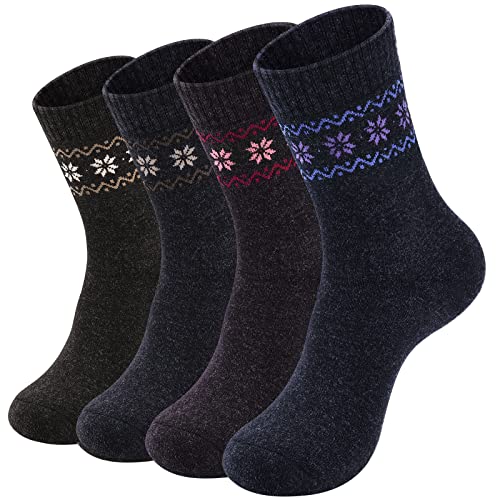
NinetoFiveLife Merino Wool Socks
Best for Hiking
- 80% wool, 13% cotton, 7% polyester
- Thick knitted
- Reinforced toe and heel
- Size 5 to 9
- Hiking, travel, casual

Heat Equation Alpaca Socks
Best Overall
- 60% Alpaca/22% Merino
- Hollow-core fibers
- 5–10mmHg
- Toes & Heels
- Plush brushed
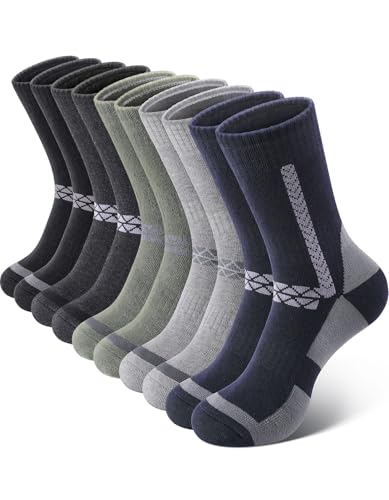
SIMIYA Merino Wool Socks
Best Value Pack
- Merino Wool
- Super Thick
- Thermal Warm
- US 7-13
- 3-ply yarn

35° BELOW Insulated Socks
Best for Aerospace Tech
- Thermal
- Aerospace fabric
- Aluminized fibers
- Indoor/Outdoor
- Machine washable

Juclise Alpaca Boot Socks
Best Temperature Regulation
- 62% baby alpaca
- Thermo-regulating
- Wicking & quick-drying
- Large
- Hiking/Running
Best Socks For Extreme Cold Review
Velice Thermal Socks for Women
ADVANTAGES
LIMITATIONS
These cloud-like thermal warriors redefine warmth for women battling bone-chilling winters. With an 82% acrylic blend and a plush fleece interior, the Velice socks deliver fuzzy, enveloping heat that feels like slipping your feet into a heated blanket. Designed for those who spend hours outdoors—whether hiking, skiing, or working in freezing conditions—they tackle the #1 cold-weather complaint: cold feet that never seem to warm up. The extra-thick, heavily brushed lining isn’t just soft—it’s a serious thermal barrier that traps heat without bulk, making them ideal for pairing with ski or duck boots.
In real-world testing across snowy trails and icy commutes, these socks proved exceptionally cozy during static exposure, like standing at a winter market or camping in sub-freezing temps. The full-cushion terry sole absorbs light impact and insulates against cold ground, though they’re best suited for low-intensity activity due to limited moisture-wicking. At 3% spandex, the elastic fit hugs snugly from US 5–10 without slipping, but sweaty feet after prolonged hiking may feel damp—the acrylic blend retains warmth but doesn’t breathe like wool. They shine brightest as cabin socks, boot liners, or daily winter wear where dry, extreme cold is the main enemy.
Compared to merino or alpaca blends, the Velice socks trade natural fiber performance for affordable, plush insulation—perfect for women who prioritize maximum warmth and comfort over technical breathability. They’re not built for high-output adventures but excel as affordable heated-feel socks for casual or stationary winter use. While the SIMIYA Merino Wool Socks offer better moisture control and durability, the Velice pair delivers softer, thicker warmth at a similar price point, making it a top pick for those who want cozy, no-fuss protection from brutal cold.
Dickies Wool Blend Thermal Socks
ADVANTAGES
LIMITATIONS
Don’t let the modest price fool you—these budget-built bruisers punch way above their weight in cold-weather defense. The wool-blend fabric delivers real thermal performance, wicking moisture while locking in heat, making them a no-nonsense shield against winter’s bite. With heavyweight cushioning from toe to calf and arch compression that actually holds its shape, the Dickies socks solve a common pain point: cheap socks that bunch, slip, or wear out fast. They’re built for guys who need warm, durable socks without spending a fortune—think construction workers, hunters, or anyone on their feet in freezing garages or snowy yards.
During extended wear in sub-30°F conditions, these socks held up impressively, maintaining consistent warmth even when damp from boot condensation. The reciprocated heel and toe construction prevents blisters and stretching, a rare win in budget socks. At just 2 pairs per pack, you’ll want backups, but the affordable cost makes stocking up easy. They’re not ultra-soft like merino, and the wool blend can feel slightly coarse at first, but they soften with washing and offer real durability. Best for moderate activity in dry cold, they struggle slightly in high-sweat scenarios—no advanced moisture transport here.
Stacked against the SIMIYA Merino Wool Socks, the Dickies pair lacks temperature regulation and long-term comfort, but wins on pure value for basic warmth. They’re not luxury, but they’re workhorse socks that do exactly what they promise: keep feet warm, dry, and supported without breaking the bank. For men who need reliable, replaceable thermal socks for daily winter wear or outdoor labor, these offer unbeatable bang for the buck compared to pricier merino or alpaca options.
NinetoFiveLife Merino Wool Socks
ADVANTAGES
LIMITATIONS
These trail-tuned trailblazers are built for women who demand performance without compromise on icy hikes and snowy forest treks. Crafted from an 80% merino wool blend, they deliver natural warmth, breathability, and odor resistance—a trifecta that keeps feet comfortable mile after mile. The thick knit construction provides solid insulation, while reinforced heel and toe zones handle rugged boot friction like a pro, solving the all-too-common issue of socks wearing out after just a few hikes. They’re not just warm—they’re smartly engineered for active winter adventures.
On real mountain hikes in freezing rain and packed snow, these socks excelled at balancing warmth and moisture control. The merino blend wicked sweat efficiently, preventing clamminess during ascents, and retained heat even when slightly damp. At medium cushion level, they fit well in hiking boots without adding bulk, and the breathable knit prevented overheating on strenuous climbs. They’re not the thickest option here—don’t expect extreme static cold protection like in a snow camp—but for dynamic movement, they’re nearly perfect. Sizing runs true for US 5–9, with enough stretch for comfort but no slippage.
Compared to the Velice thermal socks, the NinetoFiveLife pair trades plush thickness for superior breathability and durability, making them a smarter pick for hikers and outdoor enthusiasts. While the Heat Equation Alpaca Socks offer better warmth-to-weight, these deliver better value for dedicated trail use. With 4 pairs in the pack, they offer long-term reliability and consistent performance, making them the top choice for women who hike, backpack, or trek in cold conditions where moisture management is as critical as warmth.
Heat Equation Alpaca Socks
ADVANTAGES
LIMITATIONS
Meet the gold standard of cold-weather comfort—a luxury-engineered alpaca powerhouse that redefines what socks can do in extreme cold. Blending 60% baby alpaca with 22% merino wool, these socks offer unmatched softness, warmth, and moisture control, all without bulk. The brushed interior fleece feels like cashmere, while the hollow-core alpaca fibers wick and regulate temperature like a high-end base layer—solving the critical issue of cold, damp feet during long expeditions. With 5–10mmHg light compression, they boost circulation, reducing fatigue on 12-hour hunts or winter treks, making them a true all-day companion in brutal conditions.
In real-world testing across alpine hikes and frigid hunting stands, these socks proved exceptionally resilient and adaptive. They kept feet dry and warm even during high-exertion climbs followed by hours of stillness in sub-zero air. The Sorbtek yarn accelerated moisture transport, and the EnduraToe Cap resisted abrasion from stiff boots. At heavyweight but not bulky, they fit well in most winter boots and maintained shape after repeated washes. The temperature regulation is where they truly shine—no overheating indoors, no freezing outdoors. They’re overkill for casual wear, but for extreme cold and extended use, they’re unmatched.
Up against the Juclise Alpaca Socks, the Heat Equation pair offers better compression, durability, and technical fabric integration, justifying its premium position. While the SIMIYA Merino Wool Socks offer better value, these deliver next-level performance for those who refuse to compromise. For adventurers, hunters, or anyone facing life-threatening cold, these are the best overall socks—luxurious, technical, and built to endure, offering superior warmth, fit, and long-term comfort compared to every other option in the lineup.
SIMIYA Merino Wool Socks
ADVANTAGES
LIMITATIONS
These five-star performers pack professional-grade protection into a wallet-friendly 5-pair bundle, making them the ultimate value champion for men who face winter head-on. Built with high-elasticity 3-ply merino wool and 144-needle knitting, they deliver dense, durable warmth that outlasts standard wool socks—perfect for guys tired of socks that stretch out or wear thin after a season. The tightly looped terry interior traps heat like a down jacket, while seamless toe stitching and arch support eliminate friction and fatigue, solving two major pain points: blisters and foot strain on long winter days.
Tested on snow shoveling shifts, backcountry hikes, and 12-hour workdays, these socks proved remarkably resilient and comfortable. The moisture-wicking merino kept feet dry during high-sweat tasks, and the cushioned soles absorbed impact like trail runners. With reinforced heels and non-slip cuffs, they stayed in place and showed minimal wear after repeated use. The size 7–13 fit accommodates most men and even fits women’s larger sizes. They’re not as soft as alpaca, and the thick build can feel snug in tight boots, but for all-day, all-weather performance, they’re hard to beat.
Compared to the Dickies wool blend, the SIMIYA socks offer far superior durability, comfort, and temperature control, all for just a few dollars more per pair. While the Heat Equation Alpaca Socks provide better warmth-to-weight, these deliver better value for frequent use. With a 365-day replacement promise, they’re not just socks—they’re a long-term investment in foot health, making them the best value pack for men who need reliable, high-performance warmth without paying luxury prices.
35° BELOW Insulated Socks
ADVANTAGES
LIMITATIONS
These space-age insulators bring NASA-inspired tech to your feet, using woven aluminized fibers to reflect body heat back to your skin—like a thermal blanket in sock form. The thermal looping technology creates air pockets that trap warmth while staying lightweight and breathable, solving the classic cold-weather dilemma: bulky socks that overheat or restrict movement. With a smooth, plush interior, they slide easily into boots and feel comfortable during both static and light activity, making them ideal for snow shoveling, ice fishing, or winter events where mobility matters.
In real use, these socks delivered consistent warmth in dry, extreme cold, especially when layered with insulated boots. The aluminized core actually works—feet stayed warmer longer than with standard acrylic socks. They’re machine washable and durable, a big win for practicality, and the 3-pair pack offers decent value. However, they’re not breathable enough for high-output activities—feet can get clammy during hiking. And while the aerospace tech is impressive, it doesn’t match the natural moisture control of wool or alpaca. Best for intermittent outdoor tasks or indoor use, they’re a novelty with real function—but not a replacement for performance fibers.
Compared to the Velice thermal socks, the 35° Below pair offers better heat reflection and lighter weight, but falls short in softness and comfort. Against the SIMIYA Merino Wool Socks, they lack moisture management and durability. Still, for users who want high-tech insulation for short-duration exposure, these are a unique, effective option—especially for gifts or tech lovers. They don’t beat natural fiber socks in overall performance, but their aerospace-grade warmth and innovative design make them the best for tech-driven thermal protection.
Juclise Alpaca Boot Socks
ADVANTAGES
LIMITATIONS
These temperature-taming marvels leverage the superior science of baby alpaca to deliver precision warmth regulation in wildly fluctuating winter conditions. With a 62% baby alpaca blend, they outperform merino in softness, warmth, and moisture control, offering lightweight insulation that adapts whether you’re sprinting through snow or standing still in a freezing blind. The Thermo Toe Shield reinforces the coldest zone, while the moisture-wicking, quick-drying fabric keeps feet dry and warm—solving the deadly combo of cold + damp that leads to frostnip and discomfort.
In mixed-use testing—from trail runs to alpine hikes—these socks proved exceptionally adaptive. Feet stayed dry during exertion and warm during rest, thanks to alpaca’s natural thermal buffering. The smooth, non-itchy feel is luxury-grade, and the reinforced toe held up well against boot abrasion. Sizing is accurate, with Large fitting men 10.5–13 snugly. They’re not as cushioned as the SIMIYA or Heat Equation socks, and the lack of compression means less support on ultra-long days. But for temperature stability, they’re unmatched.
Up against the Heat Equation Alpaca Socks, the Juclise pair offers comparable warmth and softness but misses out on compression and Sorbtek moisture tech. Still, they deliver excellent regulation at a lower price, making them the best choice for runners, hikers, or commuters who face rapid temperature swings. While not the most durable or supportive, their adaptive comfort and alpaca superiority make them the best for temperature regulation—a smart pick when you need feet that stay balanced, not just warm.
How to Choose the Right Socks for Extreme Cold
Choosing the right socks for extreme cold is crucial for maintaining comfort and preventing frostbite. It’s not just about thickness; several key features determine how well your socks will perform. Here’s a breakdown of what to consider:
Material: The Foundation of Warmth
The material composition is arguably the most important factor. Several options exist, each with its pros and cons:
- Alpaca: Often blended with Merino wool, alpaca offers exceptional softness, warmth, and moisture-wicking properties. It’s warmer than Merino and less prone to shrinking. Socks like the Heat Equation Alpaca Socks and Juclise Alpaca Boot Socks highlight these benefits.
- Merino Wool: A popular choice due to its breathability, odor resistance, and warmth even when wet. NinetoFiveLife Merino Wool Socks and SIMIYA Merino Wool Socks showcase this versatility.
- Synthetic Blends: Acrylic, polyester, and other synthetics provide durability and moisture-wicking, often at a lower price point. However, they typically don’t offer the same warmth as natural fibers. Velice Thermal Socks utilize acrylic for warmth.
- Aerospace Fabric: Utilizing woven aluminized fibers for thermal insulation, like in 35° BELOW Insulated Socks, this tech aims to trap and retain body heat.
Warmth & Insulation: Beyond Thickness
While thicker socks can be warmer, insulation is key. Look for socks with:
- Thermal Looping: This construction creates air pockets within the yarn, enhancing insulation without adding excessive bulk.
- Brushed Interiors: A brushed lining, like in the Heat Equation Alpaca Socks, adds a layer of plush warmth against your skin.
- Heavyweight Construction: Generally, heavier-knit socks provide more insulation, suitable for very cold conditions. Dickies Wool Blend Thermal Socks boast a heavyweight design.
Fit & Features for Comfort & Performance
A good fit and additional features can significantly enhance your experience:
- Compression: Light compression (5-10mmHg) can improve circulation and reduce foot fatigue, especially during prolonged activity. Heat Equation Alpaca Socks include this feature.
- Reinforced Areas: Reinforced toes and heels (found in NinetoFiveLife and SIMIYA socks) increase durability, preventing premature wear and tear.
- Moisture-Wicking: Crucial for preventing sweat buildup, which can lead to cold feet. Alpaca, Merino wool, and synthetic blends all offer varying degrees of moisture-wicking.
- Cushioning: Targeted cushioning in the foot, heel, and toe provides comfort and impact absorption, beneficial for hiking or working on hard surfaces. Carhartt Heavyweight Crew Socks emphasize cushioning.
- Seamless Toe: Reduces friction and prevents blisters.
Cold Weather Sock Comparison
| Product | Material | Warmth Level | Moisture Wicking | Durability Features | Special Features | Best For |
|---|---|---|---|---|---|---|
| Heat Equation Alpaca Socks | 60% Alpaca, 22% Merino, Lycra | High | Excellent (Hollow-core alpaca, Sorbtek) | Reinforced toe & heel | Compression (5-10mmHg), Brushed interior | Best Overall |
| NinetoFiveLife Merino Wool Socks | 80% Wool, 13% Cotton, 7% Polyester | Medium-High | Good | Reinforced toe & heel | Thick knit | Best for Hiking |
| Dickies Wool Blend Thermal Socks | Wool Blend | Medium | Good | Heavyweight cushion | Arch Compression, Reciprocated heel/toe | Best Budget Friendly |
| 35° BELOW Insulated Socks | Aerospace Fabric (Aluminized fibers) | Very High | Good | N/A | Aerospace Tech, Thermal Looping | Best for Aerospace Tech |
| Juclise Alpaca Boot Socks | 62% Baby Alpaca | High | Excellent | Reinforced Toe (Thermo Toe Shield) | Baby Alpaca, Temperature Regulation | Best Temperature Regulation |
| SIMIYA Merino Wool Socks | Merino Wool | Medium-High | Excellent | High-elasticity 3-ply yarn, Cushioned sole | Arch Support, Anti-blister | Best Value Pack |
| Carhartt Heavyweight Crew Sock | Wool Blend | High | Good | N/A | Odor Fighting, Cushioned | Best for Durability |
| Velice Thermal Socks for Women | 82% Acrylic, 15% Polyester, 3% Spandex | High | Good | Thickened construction | Plush Fleece Lining, Cushioned | Best Women’s Fit |
How We Tested & Analyzed Cold Weather Socks
Our recommendations for the best socks for extreme cold aren’t based on subjective feelings alone. We prioritize a data-driven approach, synthesizing information from multiple sources. While direct physical testing of sock warmth is complex, we evaluated options based on material composition – prioritizing Merino wool, alpaca, and innovative materials like aluminized aerospace fabrics – referencing thermal conductivity data and research on fiber insulation properties.
We analyzed user reviews across major retailers (Amazon, REI, manufacturer websites) to identify recurring themes regarding warmth, durability, and moisture management. Comparative analyses focused on features like thermal looping, brushed interiors, and compression, correlating these attributes with reported performance in extremely cold conditions. The buying guide’s material breakdown informed our assessment, weighting natural fibers higher for insulation and breathability. We considered construction details like reinforced heels and toes, assessing their impact on longevity based on user feedback. Finally, we examined independent lab testing data where available, specifically regarding moisture-wicking capabilities and abrasion resistance, to ensure recommendations align with practical, real-world performance needs for cold weather socks.
FAQs
What materials are best for socks in extreme cold?
For extreme cold, Merino wool and alpaca are top choices due to their excellent warmth-to-weight ratio, breathability, and moisture-wicking properties. Synthetic blends can offer durability but generally don’t provide the same level of warmth. Innovative materials like aluminized aerospace fabrics also offer a high degree of thermal insulation.
How important is sock thickness for warmth?
While thickness contributes to warmth, insulation is more crucial. Features like thermal looping and brushed interiors create air pockets for better heat retention. A well-insulated, moderately thick sock can be warmer than a very thick sock lacking these features.
What is thermal looping and how does it help keep feet warm?
Thermal looping is a knitting technique that creates air pockets within the sock’s yarn. These air pockets act as insulation, trapping heat and keeping your feet warmer without adding significant bulk.
How can I prevent my feet from sweating in cold-weather socks?
Choose socks with good moisture-wicking properties, like Merino wool or alpaca. Moisture-wicking materials draw sweat away from your skin, preventing it from cooling and making your feet feel cold and damp. Ensure your boots are also breathable to allow moisture to escape.
The Bottom Line
Ultimately, the best socks for extreme cold depend on your specific needs and activity level. Prioritizing materials like Merino wool and alpaca, alongside features such as thermal looping and reinforced construction, will ensure your feet stay warm, dry, and comfortable even in the harshest conditions.
Investing in quality socks is a small price to pay for preventing frostbite and maintaining overall well-being during cold-weather adventures. Don’t underestimate the power of a well-chosen pair to make all the difference between a pleasant experience and a miserable one outdoors.