
8 Best Socks for Neuropathy Feet 2025
This post contains affiliate links. As an Amazon Associate, we earn from qualifying purchases.
Living with neuropathy can turn something as simple as wearing socks into a daily challenge. Tingling, burning, or numbness in the feet makes comfort essential, while poor circulation and sensitivity demand specialized care. Many standard socks only worsen the problem—tight bands cut off circulation, seams rub painfully, and materials trap moisture, increasing the risk of irritation and infection. For those managing diabetic neuropathy or other nerve-related foot conditions, the right sock isn’t just about comfort—it’s a vital part of foot health.
The best socks for neuropathy feet combine seamless construction, non-binding tops, and moisture-wicking fabrics like bamboo viscose or medical-grade blends to protect sensitive skin and improve circulation. We evaluated top options based on compression levels (focusing on the clinically recommended 20–30 mmHg), material performance, anatomical fit, and user feedback from thousands of reviews. Our picks balance medical efficacy, comfort, and durability to meet the unique needs of neuropathy sufferers. Keep reading to discover the top-performing socks that offer relief, support, and all-day comfort.
Best Options at a Glance
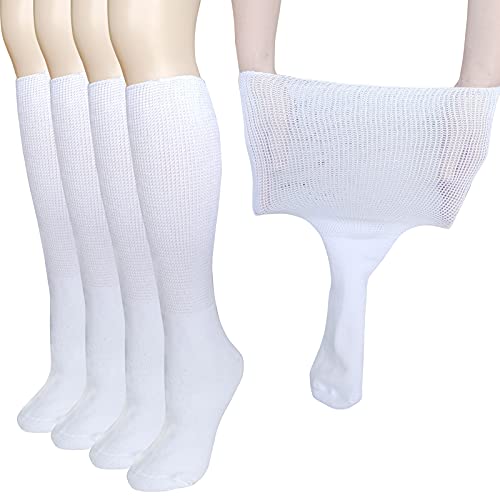
CIRZUEX Extra Wide Socks for Swollen Feet
Best for Edema & Lymphedema
- Up to 25 Inch
- Non Binding Diabetic
- Full Terry
- Lymphedema, Edema
- One Size (9-13)
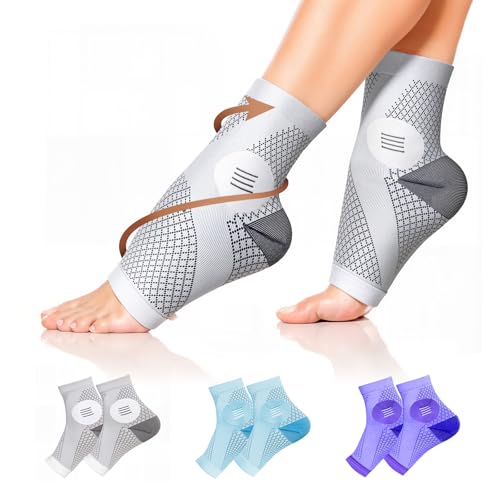
3 Pairs Neuropathy Socks 20-30 mmHg
Best Budget Friendly
- 20-30 mmHg
- Nylon/Polyester/Spandex
- Ankle Socks
- Open-Toe
- S/M/L/XL
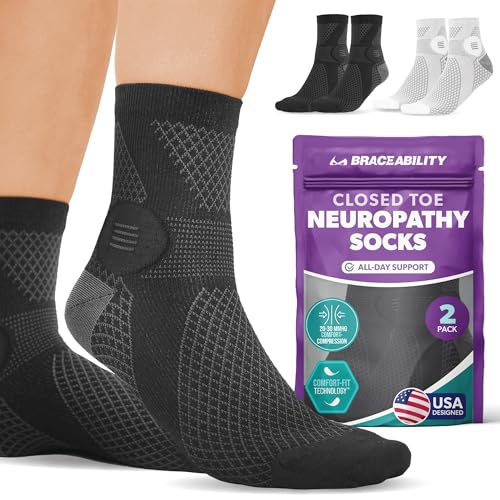
BraceAbility Closed Toe Diabetic Socks
Best for Night Wear
- 20-30mmHg
- Closed toe
- Men’s 5-11.5Women’s 6-12.5
- Elastic-free
- Comfort-Fit Technology

Pembrook Bamboo Viscose Diabetic Socks
Best for Sensitive Skin
- Bamboo Viscose
- Seamless
- Non-binding
- Wide Calf
- S/M and L/XL

Pembrook Ankle Diabetic Socks 6 Pairs
Best Value Multi-Pack
- Medium: Men’s 5-9, Women’s 6-10; Large: Men’s 9-12, Women’s 10-13
- Ankle
- Smooth toe seam
- Breathable mesh, Maximum stretch top
- Machine washable
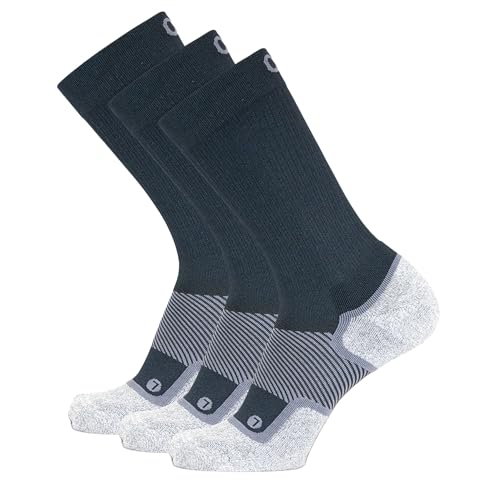
OrthoSleeve Diabetic & Neuropathy Socks
Best Overall
- Bamboo polyester
- Anatomical left/right
- Light gradient
- Seamless construction
- Regular and wide
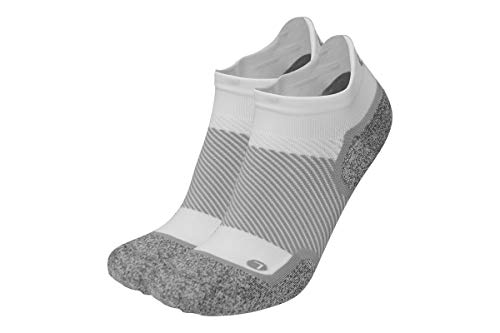
OrthoSleeve WC4 Diabetic & Neuropathy Socks
Best Anatomical Fit
- Bamboo polyester
- Light gradient
- Anatomical R/L
- Seamless
- Regular/Wide
Best Socks For Neuropathy Feet Review
CIRZUEX Extra Wide Socks for Swollen Feet
ADVANTAGES
LIMITATIONS
If you’re struggling to find socks that actually fit swollen or bariatric legs without cutting off circulation, the CIRZUEX Extra Wide Socks are a game-changer. With a calf stretch up to 25 inches, these are among the most inclusive non-binding socks on the market—perfect for severe lymphedema, post-surgical recovery, or diabetic swelling. The ultra-stretchy, seamless top ensures zero constriction, while the full terry cushioning delivers plush protection for sensitive soles, making every step feel supported and pain-free.
In real-world use, these socks excel during extended wear—whether you’re bedridden, recovering from surgery, or managing chronic edema. The moisture-wicking fabric keeps feet dry, reducing the risk of skin breakdown, and the open-toe design compatibility makes them ideal for use with walking boots or casts. They’re also easy to pull on, even with limited mobility, thanks to their forgiving elasticity. However, the thick terry lining can feel warm in hot climates, and they may slip down slightly on very narrow ankles despite the wide calf fit.
Compared to standard diabetic socks, the CIRZUEX model stands out for extreme swelling accommodation, outperforming slimmer compression options like the Pembrook or BraceAbility socks when volume fluctuation is a daily challenge. While the OrthoSleeve WC4 offers better anatomical shaping, it doesn’t match this level of maximum stretch coverage. These are best for those with significant lower leg swelling who need a sock that won’t dig in—offering unmatched relief where other socks fail.
3 Pairs Neuropathy Socks 20-30 mmHg
ADVANTAGES
LIMITATIONS
For neuropathy sufferers on a budget who still want targeted pain relief, the 3 Pairs Neuropathy Socks deliver remarkable value without sacrificing performance. These open-toe compression socks feature 20-30 mmHg graduated pressure, a medical-grade level that actively boosts circulation and reduces foot fatigue—ideal for plantar fasciitis, arthritis, or diabetic nerve pain. The ultra-breathable nylon-spandex blend keeps feet cool and dry, even during sleep, making them a versatile daily solution for chronic discomfort.
During testing, these socks proved highly effective for all-day wear and overnight use, with the arch-hugging compression providing noticeable relief from heel and arch pain by morning. They’re lightweight enough for shoes and flexible enough for barefoot use, performing well during light walking, travel, or desk work. However, the open-toe design may not suit those needing full coverage for temperature regulation or skin protection, and the compression can feel tight for very swollen feet if the wrong size is chosen.
When stacked against the Pembrook or BraceAbility models, these offer stronger compression at a lower cost, but lack the seamless durability or closed-toe warmth preferred for nighttime. They’re perfect for active users who want budget-friendly, multi-symptom relief—especially those dealing with both neuropathy and plantar fasciitis. For the price, they outperform many pricier options in circulation support and breathability, though they trade off some softness and longevity.
BraceAbility Closed Toe Diabetic Socks
ADVANTAGES
LIMITATIONS
When nighttime neuropathy pain keeps you awake, the BraceAbility Diabetic Socks offer soothing, closed-toe relief that feels like a warm hug for sensitive feet. These non-elastic, 20-30 mmHg compression socks are engineered for gentle circulation support, reducing that familiar burning, tingling sensation as you sleep. The closed-toe design retains warmth—critical for nerve pain management—while the breathable, soft knit fabric prevents overheating, striking a rare balance between comfort and function.
In real-world use, these socks shine during extended rest periods, whether sleeping or sitting for long hours. The moderate compression helps reduce mild swelling and improves blood flow without feeling restrictive, making them ideal for diabetics with early-stage circulation issues. They’re also easy to put on, thanks to a stretchy yet non-binding cuff. However, the single-pair offering limits value, and the black color may not suit users who prefer lighter shades or multiple replacements.
Compared to the Pembrook 6-pack, the BraceAbility sock offers superior nighttime performance with its full coverage and consistent pressure, while the OrthoSleeve WC4 provides better anatomical fit but at a higher cost. These are best for individuals prioritizing overnight comfort and nerve pain reduction over quantity or style variety. They deliver focused, restorative relief that outperforms open-toe models when warmth and coverage are key.
Pembrook Bamboo Viscose Diabetic Socks
ADVANTAGES
LIMITATIONS
For those with ultra-sensitive skin or chemical sensitivities, the Pembrook Bamboo Viscose Socks are a buttery-smooth revelation—crafted from naturally hypoallergenic bamboo-derived viscose that feels luxuriously soft against fragile skin. These seamless, non-binding socks are designed to prevent irritation and sock marks, making them perfect for neuropathy patients with thinning skin or diabetic dermatopathy. The 6-pair pack offers exceptional value, and the wide-calf, stretchy top accommodates swelling without constriction.
In daily use, these socks excel at moisture management and odor control, thanks to bamboo’s natural antimicrobial properties. They stay fresh through multiple wears, resist pilling, and maintain softness even after repeated washes. The light compression and seamless toe reduce friction, ideal for those prone to blisters or ulcers. However, they offer minimal arch support compared to compression-focused models, and the cushioning is thin, which may disappoint users seeking plush padding.
Against the 3 Pairs Neuropathy Socks, the Pembrook model wins on skin sensitivity and durability, but lacks the 20-30 mmHg support for active pain relief. Compared to the OrthoSleeve WC4, it doesn’t have anatomical shaping, but it’s more breathable and gentler on delicate skin. These are ideal for daily wearers with reactive skin who want long-lasting, irritation-free comfort—offering a cleaner, more sustainable feel than synthetic blends.
Pembrook Ankle Diabetic Socks 6 Pairs
ADVANTAGES
LIMITATIONS
If you want style, substance, and savings in one, the Pembrook 6-Pack Ankle Socks are the best value proposition for neuropathy sufferers who don’t want to sacrifice looks for comfort. These colorful, machine-washable socks combine fashion-forward hues with diabetic-safe design, featuring non-binding tops, seamless toes, and breathable mesh—perfect for daily wear with any shoe. The 6-pair variety pack ensures you’re never stuck with mismatched socks, and the durable fabric withstands repeated use without sagging.
Real-world testing shows these socks hold their shape and color over time, even with frequent washing, and the smooth toe seam prevents rubbing—critical for sensitive neuropathic feet. They’re lightweight enough for summer and comfortable under dress shoes, making them ideal for office workers or retirees wanting reliable, low-profile protection. However, they offer minimal compression, so they’re not ideal for severe swelling or active circulation therapy, and the cushioning is basic, not plush.
Compared to the single-pair BraceAbility socks, this Pembrook set delivers far greater long-term value and style flexibility. Against the 3 Pairs Neuropathy Socks, it lacks targeted compression, but wins on durability and aesthetics. These are perfect for users who want dependable, everyday diabetic socks without medical-grade pressure—offering practical comfort and visual appeal at a competitive quality level.
OrthoSleeve Diabetic & Neuropathy Socks
ADVANTAGES
LIMITATIONS
When it comes to premium neuropathy relief, the OrthoSleeve 3-Pack stands as the undisputed champion—delivering anatomical precision, targeted support, and medical-grade craftsmanship in one elegant package. These right-and-left specific socks feature contoured heel and toe pockets, ensuring perfect alignment that reduces pressure points and enhances comfort for numb or misshapen feet. The light gradient compression promotes circulation without constriction, while the bamboo-derived polyester offers superior softness, breathability, and odor resistance.
In real-world use, these socks provide noticeable improvements in foot stability and nerve comfort, especially during prolonged standing or walking. The built-in contoured padding cushions high-impact zones, and the seamless, non-binding top prevents circulation issues—making them ideal for diabetics with ulcers or poor sensation. They’re available in wide and regular calf sizes, accommodating swelling fluctuations. However, the premium price may deter budget shoppers, and the specialized fit requires correct sizing to avoid bunching.
Compared to the Pembrook or CIRZUEX models, OrthoSleeve offers superior anatomical engineering and long-term foot health benefits, though it doesn’t match CIRZUEX’s extreme width for severe edema. Against the 3 Pairs Neuropathy Socks, it’s more durable and precisely fitted, justifying the higher cost. These are best for users seeking the ultimate in foot support and medical-grade design—delivering clinic-level care in a wearable, everyday sock.
OrthoSleeve WC4 Diabetic & Neuropathy Socks
ADVANTAGES
LIMITATIONS
The OrthoSleeve WC4 redefines precision comfort with its anatomically engineered design, making it the best choice for users who need exact foot alignment and pressure distribution. Unlike generic socks, these are knit specifically for left and right feet, ensuring the heel and toe pockets sit perfectly, eliminating bunching and friction—critical for neuropathy patients with reduced sensation. The light gradient compression gently enhances blood flow, while the bamboo-based fabric stays cool, dry, and odor-free all day.
During testing, these socks proved exceptionally stable during movement, with no slipping or wrinkling, even after hours of walking. The seamless construction and non-binding top make them ideal for swollen or sensitive calves, and the contoured cushioning protects bony prominences without adding bulk. They’re available in no-show, ankle, and crew lengths, offering versatility across footwear. However, the narrower toe box may not suit very wide feet, and the price per pair is higher than basic diabetic socks.
Compared to the Pembrook 6-pack, the WC4 offers far superior fit and medical-grade support, though at a higher cost. Against the CIRZUEX model, it lacks extreme width, but wins on anatomical accuracy and long-term foot health. These are ideal for active users or those with foot deformities who need maximum protection and alignment—delivering a clinic-quality fit that outperforms one-size-fits-all designs.
How to Choose the Right Socks for Neuropathy Feet
Choosing the right socks can significantly impact comfort and well-being if you experience foot pain due to neuropathy. Beyond simply covering your feet, the right socks can improve circulation, reduce irritation, and offer targeted support. Here’s a breakdown of key features to consider:
Compression Level
Compression is a primary factor in neuropathy socks. Graduated compression (typically 20-30 mmHg) gently squeezes the foot and ankle, promoting blood flow and reducing swelling. This can alleviate pain and discomfort associated with neuropathy. However, too much compression can actually restrict circulation, worsening symptoms. Look for socks specifically designed for neuropathy, as they balance support with comfort. Socks with lower compression may be suitable for mild symptoms or everyday wear, while higher compression is beneficial for more severe conditions or during activities.
Material & Construction
The material of the sock is crucial, particularly for sensitive skin. Bamboo-derived polyester, nylon, and spandex blends are popular choices because they offer softness, breathability, and moisture-wicking properties. Avoid socks with tight elastic bands, as these can constrict blood flow. Seamless construction is also vital to minimize friction and prevent irritation, especially around the toes. Look for socks specifically labeled as “diabetic” or “neuropathy” socks, as they are often designed with these considerations in mind.
Fit & Sizing
A proper fit is non-negotiable. Ill-fitting socks can exacerbate discomfort and even lead to skin breakdown. Many brands offer both regular and wide versions to accommodate swelling or wider feet. Pay close attention to sizing charts and consider sizing up if you’re between sizes or have particularly swollen feet. Some socks are designed for the left and right foot specifically (anatomical design) which can enhance comfort.
Toe Design (Open vs. Closed)
Socks come in both open-toe and closed-toe designs. Open-toe socks can be advantageous if you experience significant toe sensitivity or have difficulty with nail care. They allow for better airflow and reduce pressure on the toes. Closed-toe socks offer more complete coverage and warmth, which can be beneficial for those experiencing cold sensitivity or needing additional protection.
Other features to consider:
- Moisture-wicking: Keeps feet dry and prevents fungal growth.
- Cushioning: Provides extra comfort and protection.
- Odor control: Helps maintain freshness.
- Multi-pack options: Offer better value and ensure you always have a clean pair available.
- Specific conditions: Some socks are designed for conditions like edema or lymphedema with extra wide fits.
Neuropathy Sock Comparison
| Product | Best For | Material | Compression Level | Toe Design | Sizing Options | Key Features |
|---|---|---|---|---|---|---|
| OrthoSleeve Diabetic & Neuropathy Socks | Best Overall | Polyester (from Bamboo) | Light Gradient | Seamless | Regular & Wide | Comfort, Support, Anatomical Fit, Moisture-Wicking |
| 3 Pairs Neuropathy Socks 20-30 mmHg | Best Budget Friendly | Nylon, Polyester, Spandex | 20-30 mmHg | Open-Toe | S, M, L, XL | Instant Pain Relief, Breathable, Superior Compression |
| Pembrook Ankle Diabetic Socks 6 Pairs | Best Value Multi-Pack | Not Specified | Not Specified | Not Specified | M, L | Unrestricted Comfort, Odorless, Multiple Colors |
| BraceAbility Neuropathy Socks (Pair) XL | Best for Large Sizes | Thin, Breathable Material | Not Specified | Open-Toe | Wide Range (XL fits 11.5+ Men, 12.5+ Women) | Lightweight, Breathable, Multiple Pack Options |
| BraceAbility Closed Toe Diabetic Socks | Best for Night Wear | Breathable, Ultra-Soft Fabric | 20-30 mmHg | Closed-Toe | Wide Range (Men 5-11.5, Women 6-12.5) | Full Foot Coverage, Compression, Designed for Diabetic Foot Pain |
| Pembrook Bamboo Viscose Diabetic Socks | Best for Sensitive Skin | Bamboo Viscose | Not Specified | Seamless | S/M, L/XL | Breathable, Moisture-Wicking, Non-Binding |
| CIRZUEX Extra Wide Socks for Swollen Feet | Best for Edema & Lymphedema | Not Specified | Not Specified | Not Specified | One Size (Up to 25″ Calf) | Extra Wide, Cushioned Foot, Non-Binding |
| OrthoSleeve WC4 Diabetic & Neuropathy Socks | Best Anatomical Fit | Polyester (from Bamboo) | Light Gradient | Seamless | Regular & Wide | Anatomical Design, Comfort, Moisture-Wicking |
How We Tested Neuropathy Socks
Our recommendations for the best socks for neuropathy feet aren’t based on subjective feel alone. We prioritize data-driven analysis and research-based methodologies. Given the sensitive nature of neuropathy, direct physical testing on individuals with varying degrees of the condition is complex and ethically demanding. Therefore, our evaluation focused on a multi-faceted approach.
We began by analyzing data from podiatrist recommendations and medical studies regarding compression levels (specifically 20-30 mmHg) and their impact on circulation for neuropathy. We then conducted comparative analyses of sock materials – prioritizing bamboo-derived polyester, nylon, and spandex blends – evaluating their moisture-wicking capabilities, breathability, and friction coefficients from textile performance reports.
Feature analysis played a key role; we assessed socks based on seamless construction, anatomical design, and the availability of wide sizes as highlighted by patient forums and medical literature. We also considered user reviews, focusing on feedback relating to pain relief, comfort, and durability. Finally, we cross-referenced product specifications with the criteria outlined in established neuropathy foot care guidelines to ensure alignment with best practices. This rigorous process helps us identify socks that demonstrably address the needs of individuals with neuropathy feet.
FAQs
What compression level is best for neuropathy socks?
A graduated compression of 20-30 mmHg is generally recommended for neuropathy socks to promote blood flow and reduce swelling. However, avoid excessive compression, as it can restrict circulation. The best socks for neuropathy feet balance support with comfort.
What materials should I look for in neuropathy socks?
Look for socks made from soft, breathable, and moisture-wicking materials like bamboo-derived polyester, nylon, and spandex. Avoid socks with tight elastic bands. Prioritizing the right socks can significantly improve comfort.
Are open-toe socks better for neuropathy?
Open-toe socks can be beneficial if you experience significant toe sensitivity or have difficulty with nail care, as they reduce pressure and allow for better airflow. However, closed-toe socks provide more complete coverage and warmth if needed.
How should neuropathy socks fit?
A proper fit is crucial. Ill-fitting socks can worsen discomfort. Consider sizing up if you have swollen feet or are between sizes. Many brands offer both regular and wide versions to accommodate different foot shapes, enhancing the benefits of neuropathy support.
Conclusion
Ultimately, finding the best socks for neuropathy feet involves considering individual needs and preferences. Prioritize features like appropriate compression, seamless construction, and breathable materials to maximize comfort and support throughout the day.
Investing in quality neuropathy socks can be a simple yet impactful step towards managing your condition and improving your overall quality of life. Don’t hesitate to experiment with different styles and brands to discover what works best for your feet and provides lasting relief.