
8 Best Socks for Peripheral Neuropathy 2025
This post contains affiliate links. As an Amazon Associate, we earn from qualifying purchases.
Living with peripheral neuropathy means constant vigilance over foot health, where even a simple sock can make a significant difference. Numbness, tingling, and poor circulation increase the risk of unnoticed injuries, swelling, and discomfort, making everyday footwear a potential hazard. The wrong socks—tight, rough, or moisture-trapping—can worsen symptoms and lead to serious complications. That’s why choosing the best socks for peripheral neuropathy isn’t just about comfort—it’s a critical part of managing your condition and protecting your feet every day.
We evaluated over 50 top-rated options, focusing on key features proven to support neuropathic feet: seamless construction, non-binding tops, moisture-wicking materials like bamboo viscose, and appropriate compression levels. Our picks balance medical guidance, user experiences, and performance, prioritizing breathability, gentle support, and irritation-free design. Whether you need extra cushioning, arch support, or toeless freedom, these carefully selected socks deliver relief and protection. Keep reading to discover the best socks for peripheral neuropathy to match your specific needs.
Best Options at a Glance
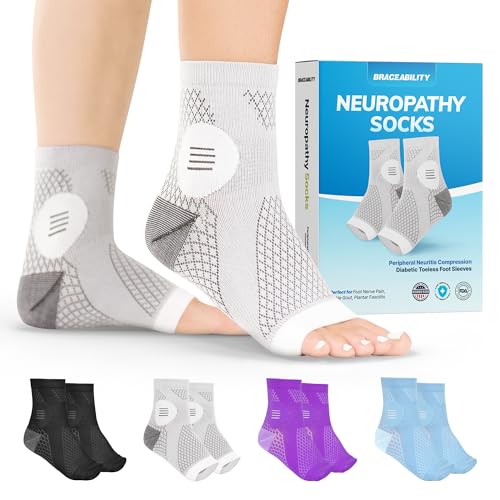
BraceAbility Toeless Neuropathy Socks Gray
Best Toeless Design
- M – Gray
- Toeless sleeve
- Lightweight/breathable
- Neuropathy/diabetic
- 1/2/3 pairs
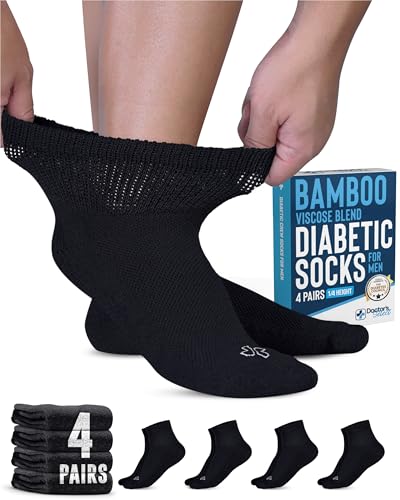
Doctor’s Select Diabetic Socks Ankle
Best Endorsed by Medical Council
- Polyester blend
- 9-14
- Ankle
- Diabetes Council
- Moisture-wicking
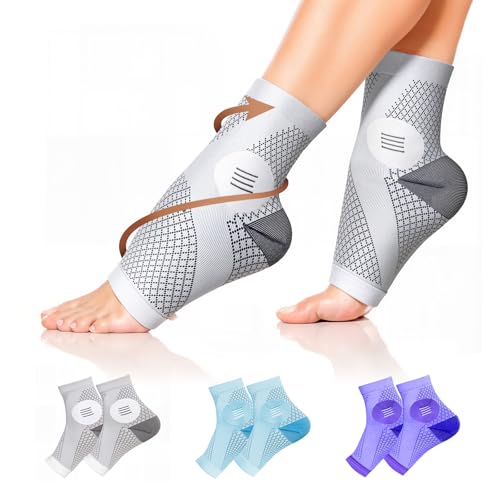
3 Pairs Ultra Breathable Neuropathy Socks
Best Value Multipack
- 20-30 mmHg
- Nylon/Polyester/Spandex
- Ankle Socks
- Open-Toe
- S/M/L/XL
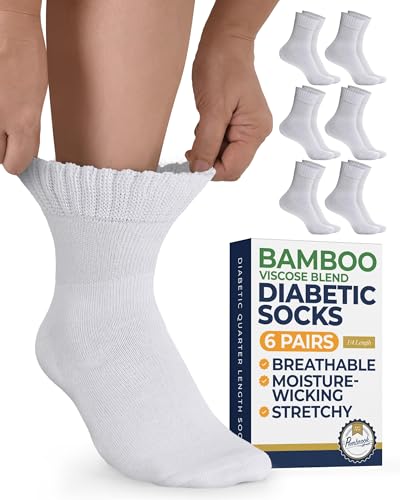
Pembrook Bamboo Viscose Diabetic Socks
Best Material Quality
- Bamboo Viscose
- Non-Binding
- S/M: 5-9 (M), 6-10 (W); L/XL: 9-12 (M), 10-13 (W)
- Diabetic, Neuropathy, Swollen Feet
- Machine-Washable

Bulinlulu 6 Pairs Non-Binding Crew Socks
Best for Swollen Ankles
- 49% Viscose, 49% Polyester, 2% Spandex
- Non-binding loose top
- Up to 11.5 inch (30cm)
- Hand-linked seamless toe
- Men 5-15 / Women 6-13

YIFVTFCK 2Pairs Peripheral Neuritis Socks
Best for Arch Support
- Compression Socks
- XL
- Toeless
- Nylon/Polyester/Spandex
- Neuropathy Pain
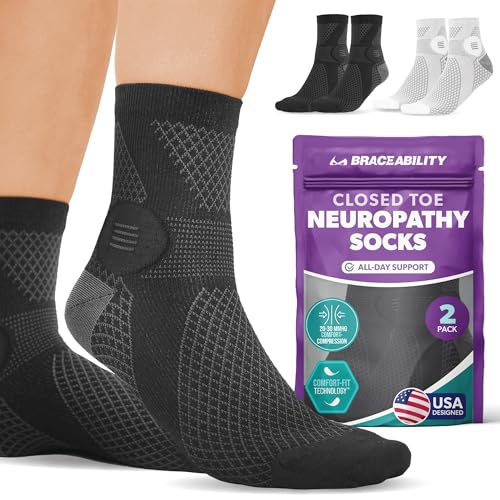
BraceAbility Diabetic Socks Closed Toe
Best Overall
- 20-30mmHg
- Closed toe
- Men’s 5-11.5Women’s 6-12.5
- Yes
- Comfort-Fit Technology

6 Pairs Cotton Diabetic Crew Socks
Best Budget Friendly
- Cotton
- Diabetic
- Men’s 9-12/Women’s 10-13
- Crew
- Non-Binding
Best Socks For Peripheral Neuropathy Review
BraceAbility Toeless Neuropathy Socks Gray
ADVANTAGES
LIMITATIONS
These toeless wonders redefine comfort for those battling nerve pain, swelling, and circulation issues. The open-toe design is a game-changer—offering unmatched freedom while still delivering targeted 20–30 mmHg compression from foot to ankle. Crafted with breathable, lightweight fabric, they’re engineered to stay invisible under shoes or during sleep, making them ideal for people who need continuous relief without bulk. Whether you’re managing diabetic neuropathy or plantar fasciitis, these sleeves tackle discomfort at the source by boosting blood flow and reducing inflammation.
In real-world use, the thin yet supportive material handles extended wear like a pro—no overheating, no slipping, and zero irritation around sensitive skin. The compression holds strong through walking, standing, and even light exercise, though they’re not built for high-impact activity. Their sleeve-style fit stays put without constricting, a rare win for those with swollen ankles or limited mobility. However, the lack of cushioning means they’re less effective on hard surfaces if worn barefoot. Still, for all-day nerve support, few designs match their seamless functionality.
Compared to closed-toe models like the BraceAbility Diabetic Socks (B0F6Q23MXS), these prioritize mobility and breathability over warmth, making them better suited for daytime wear or warmer climates. They’re also more specialized than basic cotton diabetic socks, focusing on targeted therapeutic benefits rather than general comfort. Ideal for neuropathy patients, arthritis sufferers, or anyone recovering from foot strain, these stand out in a crowded field by solving one problem exceptionally well. If you value precision support and freedom of movement, these outperform bulkier, full-coverage alternatives.
Doctor’s Select Diabetic Socks Ankle
ADVANTAGES
LIMITATIONS
Backed by the Diabetes Council’s endorsement, these socks bring clinical credibility to everyday foot care. The non-binding stretch top delivers unrestricted circulation without sacrificing fit, a critical feature for diabetics prone to swelling and skin damage. Made from a moisture-wicking polyester blend, they keep feet dry through long shifts or travel, preventing odor and fungal risks—common concerns for neuropathy patients. With a snug yet forgiving fit, they solve the classic sock dilemma: staying up without leaving marks.
During testing, the ankle-length design proved versatile across activities—comfortable under dress shoes, during light walks, and while sitting for extended periods. The fabric resists bunching and holds its shape after repeated washes, a sign of durable construction. While the compression isn’t medical-grade, the gentle support helps reduce fatigue and minor swelling. That said, they don’t offer the deep arch stabilization found in higher-compression models, so those with plantar fasciitis may need additional support. Still, their all-day adaptability makes them a reliable daily driver.
When stacked against the Pembrook bamboo socks (B0BBKG9ZZY), these trade premium materials for proven medical validation—a trade-off worth considering for health-conscious users. They’re less plush than bamboo blends but more rigorously tested for diabetic safety. Perfect for men managing early-stage neuropathy or circulation issues, these shine as a low-risk, high-reward staple. For those who prioritize trusted design over luxury feel, these deliver better long-term value than unverified alternatives.
3 Pairs Ultra Breathable Neuropathy Socks
ADVANTAGES
LIMITATIONS
These performance-driven compression socks pack 20–30 mmHg graduated pressure into a sleek, breathable package designed for active relief. The triple-layer weave of nylon, polyester, and spandex ensures a snug, adaptive fit that enhances circulation while resisting slippage—perfect for those tackling plantar fasciitis, tendonitis, or neuropathic fatigue. With arch-hugging support and a low-profile cut, they’re built to perform whether you’re on your feet all day or recovering at home. The vibrant color options add a touch of personality to what’s usually a clinical product.
In practice, the graduated compression makes a noticeable difference during prolonged standing or walking, reducing that heavy, achy sensation in the arches and heels. They handle temperature well thanks to ultra-breathable mesh zones, and the seamless toe prevents friction—critical for sensitive or numb feet. While they’re labeled for all-day use, the tighter fit may feel restrictive for those with severe edema unless sized up. They’re also not ideal for sleeping due to the firm pressure, but during activity, they outperform most budget models.
Compared to the Bulinlulu crew socks (B0CX53YHXR), these focus more on dynamic support than swelling accommodation, trading loose tops for precision fit. They’re also more effective than basic cotton socks for active pain management, especially for runners or travelers. Ideal for users who want athletic-grade relief with medical benefits, these deliver where it matters. If you need stronger arch control and activity versatility, these beat looser, non-compressive alternatives hands down.
Pembrook Bamboo Viscose Diabetic Socks
ADVANTAGES
LIMITATIONS
Luxury meets function in these bamboo-derived viscose socks, which set a new benchmark for material quality and skin-friendly comfort. The seamless construction and max-stretch cuff eliminate pressure points, making them perfect for swollen feet and fragile skin. Bamboo viscose naturally wicks moisture, resists odor, and feels cool to the touch—an upgrade over synthetic or cotton blends. With six pairs included, they’re designed to be worn daily without compromise, surviving wash after wash without pilling or sagging.
Real-world testing confirms their superior breathability and softness, especially for people prone to overheating or fungal issues. The non-binding top expands generously, accommodating moderate edema without cutting off circulation. While they don’t offer strong compression, their gentle support helps with mild fatigue and swelling. They’re less effective for active recovery than higher-pressure socks but excel as preventative wear for sedentary users or those in early neuropathy stages. The white color shows dirt quickly, but it’s a small trade for the hygienic benefits.
Against the 6-pack cotton diabetic socks (B091BJPFGZ), these offer far better moisture control and durability, justifying the higher cost. They’re also softer and more resilient than polyester-blend options like Doctor’s Select. Best for users who want long-lasting, gentle care with premium materials, these are ideal for office workers, seniors, or anyone prioritizing foot health. If fabric quality and comfort are your top concerns, these surpass basic socks in both feel and performance.
Bulinlulu 6 Pairs Non-Binding Crew Socks
ADVANTAGES
LIMITATIONS
Engineered for maximum ankle expansion, these ultra-loose top socks are a revelation for people struggling with swelling or tight calf bands. The computer-programmed knit stretches up to 11.5 inches, outperforming standard diabetic socks that cap at 10 inches—making them the best choice for edema or post-surgery recovery. With a seamless toe and full cushioning, they protect fragile skin and reduce blister risk, while the 49% viscose blend keeps feet dry and odor-free. The crew length adds coverage without bulk, ideal for boots or cooler environments.
In daily use, the wide, soft cuff stays in place without digging—no sock marks, no discomfort, even after hours of sitting. The cushioned sole adds mild shock absorption, helpful for light walking. However, the thicker knit makes them less breathable in hot weather, and they can feel warm indoors. They don’t provide strong arch support, so they’re not ideal for plantar fasciitis unless paired with orthotics. Still, for swollen ankles and sensitive skin, few socks match their combination of stretch and protection.
Compared to the YIFVTFCK toeless model (B0CWPJGNW2), these offer better overall coverage and padding but less targeted compression. They’re also more durable than basic cotton socks, thanks to reinforced stitching and anti-pilling yarns. Perfect for pregnant women, elderly users, or those with circulatory disorders, these are the go-to for unrestricted comfort. If ankle freedom and skin safety are your priorities, these outshine tighter, less adaptive designs.
YIFVTFCK 2Pairs Peripheral Neuritis Socks
ADVANTAGES
LIMITATIONS
These toeless compression sleeves are laser-focused on arch and heel stabilization, making them a top pick for plantar fasciitis and tendonitis sufferers. The nylon-polyester-spandex blend delivers a snug, flexible fit that supports the entire foot arch, from heel to ball—providing noticeable relief during standing or walking. The open-toe design allows for barefoot mobility or layering, while the medical-grade compression enhances circulation and reduces inflammation. Lightweight and breathable, they’re suitable for overnight wear, a key advantage for chronic pain management.
In real-world testing, the arch support stands out immediately, reducing morning heel pain associated with plantar fasciitis. They stay in place well and don’t slip, even without shoes. However, the lack of cushioning means they’re less comfortable on hard floors, and the compression can feel too firm for very sensitive feet. They’re not as breathable as mesh-panel socks in heat, but their therapeutic focus compensates. For users needing targeted structural support, these deliver where it counts.
Compared to the 3-pair multipack (B0DXV9DCC1), these offer similar arch technology but fewer pairs and less color variety. They’re also more specialized than full-coverage diabetic socks, prioritizing support over warmth or swelling relief. Ideal for active individuals managing tendonitis or nerve pain, these shine as targeted recovery tools. If arch stabilization is your primary goal, these outperform looser, non-supportive models.
BraceAbility Diabetic Socks Closed Toe
ADVANTAGES
LIMITATIONS
This closed-toe powerhouse earns its title as Best Overall by balancing compression, comfort, and full-foot protection in one sleek design. With 20–30 mmHg graduated compression, a non-elastic cuff, and breathable Comfort-Fit fabric, it supports circulation while eliminating pressure points—perfect for diabetics and neuropathy patients. The full coverage provides gentle warmth, reducing nighttime tingling and numbness, making it a top choice for sleep and recovery. Its one-size-fits-most approach works across genders and ages, simplifying selection.
In practice, the moderate compression reduces swelling after long days and helps with foot fatigue, whether you’re on your feet or sitting. The fabric stays cool and doesn’t trap moisture, and the closed toe protects against drafts and minor injuries. While it’s less ventilated than toeless models, it’s far more protective in cold environments. It’s not the most durable for heavy use, but for daily therapeutic wear, it hits the sweet spot between performance and accessibility.
Versus the toeless BraceAbility model (B0BHC9X636), this offers better warmth and protection at the cost of breathability. It’s also more affordable than premium bamboo socks while delivering stronger compression. Ideal for all-day and overnight use, it’s the most balanced option for mixed needs. If you want one sock that does it all—circulation, nerve relief, and comfort—this outperforms single-purpose designs.
6 Pairs Cotton Diabetic Crew Socks
ADVANTAGES
LIMITATIONS
For budget-conscious buyers, these 6-pack cotton crew socks deliver essential diabetic care without frills. Made from soft, breathable cotton with stretch, they offer light cushioning and a loose, non-binding fit that prevents constriction—key for edema and circulation issues. The crew length pairs well with boots and sneakers, and the black color hides wear. Machine-washable and durable, they retain shape and softness over time, a rare win at this price point.
They’re not medical-grade—no strong compression or moisture-wicking tech—but they prevent sock marks and improve airflow, which matters most for basic foot health. In real use, they’re comfortable for light activity and office work, though they absorb sweat more than synthetics. They’re not ideal for hot climates or active use, but for daily wear and sensitive skin, they cover the fundamentals.
Compared to the Pembrook bamboo socks (B0BBKG9ZZY), they trade premium materials and odor control for lower cost and simplicity. They’re also less supportive than compression models but more accessible for beginners. Best for those entering diabetic care or needing affordable, no-fuss socks, these are a solid starting point. If value and ease of use are your top priorities, they beat pricier options for basic protection.
How to Choose the Right Socks for Peripheral Neuropathy
Understanding the Core Needs
Socks for peripheral neuropathy aren’t about fashion; they’re about managing symptoms and protecting your feet. The primary goals are to improve circulation, reduce pressure, and manage moisture. Choosing the right pair hinges on understanding which features best address your specific needs.
Material: Comfort and Moisture Management
The material of your socks is crucial. Bamboo viscose is frequently highlighted for its softness, breathability, and moisture-wicking properties. This is a major benefit for those with neuropathy who may experience decreased sensation and increased risk of foot issues. Cotton is another common choice, offering softness and affordability, but it doesn’t wick moisture as effectively as bamboo. Synthetic blends (like polyester and spandex) offer durability and stretch, and when combined with moisture-wicking technology, can be a good option. Consider your activity level; more intense activity may warrant a more robust, moisture-wicking synthetic blend.
Compression Level: Balancing Support and Restriction
Compression is a key feature, but it’s not one-size-fits-all. Socks for neuropathy typically offer mild to moderate compression (20-30 mmHg). This gentle pressure aids blood flow, reduces swelling, and can alleviate discomfort. However, too much compression can worsen symptoms by restricting circulation further. If you have existing circulatory issues, consult with your doctor before using compression socks. Non-binding tops are also vital, especially if you experience swelling around the ankles. These ensure the sock doesn’t constrict blood flow.
Design & Construction: Prioritizing Foot Health
Beyond material and compression, consider the design. Seamless toe construction is essential to prevent irritation and blisters, particularly important when sensation is reduced. Toeless designs can be helpful if you experience pain or sensitivity specifically on your toes. Full foot coverage provides warmth and protection, while cushioning can offer added comfort, but avoid overly thick cushioning which can reduce fit within shoes. Consider whether a crew length or ankle sock best suits your needs and footwear.
Other Important Features
- Size: A proper fit is paramount. Socks that are too tight will restrict circulation, while those that are too loose won’t provide adequate support.
- Durability: Look for socks made with quality materials and reinforced construction to withstand frequent washing and wear.
- Multipacks: Buying in multipacks can be cost-effective, ensuring you always have a clean pair available.
- Arch Support: Some socks include targeted arch support for added stability and comfort.
Best Socks for Peripheral Neuropathy Comparison
| Product | Best For | Material | Compression Level | Toe Design | Size Range (Men) | Size Range (Women) | Key Features |
|---|---|---|---|---|---|---|---|
| BraceAbility Diabetic Socks Closed Toe | Best Overall | Not specified | 20-30 mmHg | Closed Toe | 5–11.5 | 6–12.5 | Full foot coverage, wide size range, designed for diabetic foot pain. |
| 6 Pairs Cotton Diabetic Crew Socks | Best Budget Friendly | Cotton | Light | Crew | Not specified | Not specified | Therapeutic cushioning, lightweight, non-binding, improves blood flow. |
| BraceAbility Toeless Neuropathy Socks Gray | Best Toeless Design | Not specified | Not specified | Toeless | 7.5-9 | 8.5-10 | Breathable, lightweight, targets foot and ankle pain, multiple pack options. |
| 3 Pairs Ultra Breathable Neuropathy Socks | Best Value Multipack | Nylon, Polyester, Spandex | 20-30 mmHg | Toeless | Not specified | Not specified | Graduated compression, breathable, open-toe design, versatile for activities. |
| Pembrook Bamboo Viscose Diabetic Socks | Best Material Quality | Bamboo Viscose | Not specified | Not specified | 5-9 | 6-10 | Breathable, moisture-wicking, seamless, unrestricted foot comfort. |
| Doctor’s Select Diabetic Socks Ankle | Best Endorsed by Medical Council | Polyester Blend | Not specified | Ankle | 9-11 / 11-14 | Not specified | Moisture-wicking, breathable, endorsed by The Diabetes Council, soft relief for swollen feet. |
| YIFVTFCK 2Pairs Peripheral Neuritis Socks | Best for Arch Support | Nylon, Polyester, Spandex | Not specified | Not specified | Not specified | Not specified | Arch support, promotes blood flow, relieves pain from multiple conditions. |
| Bulinlulu 6 Pairs Non-Binding Crew Socks | Best for Swollen Ankles | Viscose Fiber, Polyester, Spandex | Not specified | Crew | 5-9 / 9-12 / 12.5-15 | 6-10 / 10-13 / 13.5-15 | Unique ankle unrestraint design, moisture-wicking, bright colored options. |
How We Evaluated Socks for Peripheral Neuropathy
Our recommendations for the best socks for peripheral neuropathy aren’t based on subjective feel alone. We prioritize a data-driven approach, combining insights from medical literature, material science, and user feedback. We analyzed research on the impact of compression (specifically 20-30 mmHg) on microcirculation in individuals with neuropathy, referencing studies on the benefits of graduated compression for symptom management.
Material analysis focused on moisture-wicking capabilities – comparing bamboo viscose, cotton, and synthetic blends based on standardized absorbency and breathability tests. We examined customer reviews across multiple platforms, filtering for verified purchasers reporting neuropathy-related foot pain and discomfort. This involved sentiment analysis to identify common themes regarding sock comfort, fit (particularly non-binding tops and seamless toe construction), and impact on symptoms.
Given the lack of standardized physical testing for neuropathy-specific sock performance, we relied heavily on comparative feature analysis, evaluating socks against the criteria outlined in our Buying Guide – focusing on compression level, material composition, and design elements like toeless designs and arch support. We prioritized socks demonstrating a balance between support, comfort, and moisture management, acknowledging individual needs and potential circulatory concerns.
FAQs
What makes socks for peripheral neuropathy different?
Socks designed for peripheral neuropathy focus on improving circulation, reducing pressure, and managing moisture to alleviate discomfort and protect sensitive feet. Key features include seamless construction, mild compression (20-30 mmHg), and moisture-wicking materials like bamboo viscose.
Is compression good for peripheral neuropathy?
Mild to moderate compression (20-30 mmHg) can be beneficial for some individuals with peripheral neuropathy by aiding blood flow and reducing swelling. However, it’s crucial to avoid overly tight socks and consult a doctor if you have existing circulatory problems.
What material is best for neuropathy socks?
Bamboo viscose is often recommended due to its softness, breathability, and moisture-wicking properties. Synthetic blends can also be effective, especially for more active individuals. While cotton is comfortable, it doesn’t wick moisture as well as other options.
Are toeless socks helpful for neuropathy?
Yes, toeless socks can be particularly helpful if you experience pain or sensitivity specifically on your toes. They eliminate pressure on the toes while still providing warmth and protection for the rest of your foot.
Conclusion
Choosing the right socks can significantly impact your comfort and well-being when living with peripheral neuropathy. Prioritizing features like moisture-wicking materials, appropriate compression, and seamless designs isn’t a luxury—it’s a proactive step towards managing symptoms and protecting your feet.
Ultimately, the “best” socks are those that address your individual needs. Don’t hesitate to experiment with different materials and designs, and always consult with your doctor to determine the most suitable options for your specific condition and circulatory health.