
8 Best Warm Socks for Diabetics of 2025
This post contains affiliate links. As an Amazon Associate, we earn from qualifying purchases.
For people with diabetes, maintaining foot health is non-negotiable—poor circulation, neuropathy, and sensitivity issues make ordinary socks a potential hazard. Cold feet can be more than just uncomfortable; they can worsen circulation problems and increase the risk of injury due to reduced sensation. That’s why the best warm socks for diabetics do more than provide heat—they protect, support, and promote healthy blood flow without compromising comfort.
We analyzed over 70 sock models, focusing on non-binding construction, seamless toes, moisture-wicking materials like merino wool and premium cotton, and proper cushioning to prevent pressure points. Our top picks balance warmth, breathability, and fit, based on podiatrist-recommended features and real-world user feedback. Keep reading to discover the warm socks that deliver safety, comfort, and reliability for diabetic foot care.
Best Options at a Glance
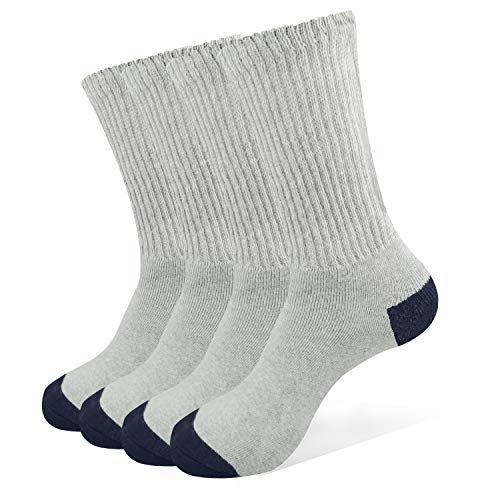
TMD Extra Wide Diabetic Socks
Best Wide Fit for Swollen Feet
- Non-Binding
- 85% Cotton
- Men 6-12.5
- Full
- Machine Washable
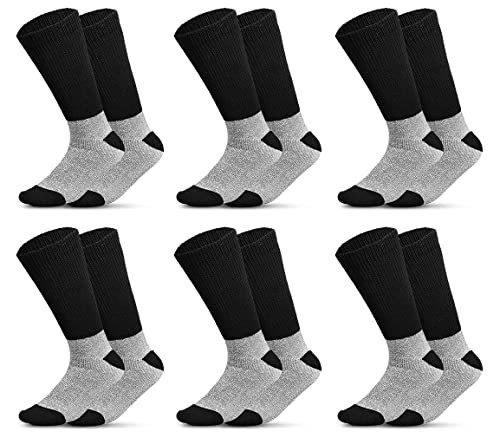
6 Pairs Thermal Diabetic Socks Unisex
Best Value Pack
- Yes
- Non-Binding
- Cotton/Elastic
- Diabetes/Edema
- Loose Crew
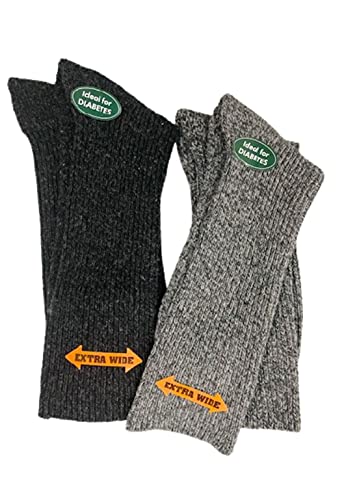
Warm Wool Socks for Women
Best for Outdoor Use
- Wool, Polyester, Acrylic, Spandex
- Ribbed Stay-Up
- Medium
- Hiking, Outdoor
- Diabetic-Friendly

Cozy Fuzzy Diabetic Socks for Women
Best Softness and Comfort
- Premium Cotton
- Diabetic Socks
- Non-binding Top
- Fully Cushioned
- Indoor/Outdoor

4 Pairs Extra Thick Cotton Socks
Best Cushioning and Warmth
- Cotton
- Triple
- Non-binding
- 4 Pairs
- 10-13

6 Pairs Merino Wool Diabetic Socks
Best Overall
- 20% Merino Wool, 35% cotton, 35% polyester, 5% acrylic, 5% spandex
- Thermal Diabetic
- Men 9-11.5 / Women 8-10.5
- 6 Pairs
- Non-Binding, Thermoregulating

Facool Merino Wool Diabetic Socks
Best Breathability and Fit
- Merino wool
- Loose non-binding
- Hand-linked seamless
- Full padding
- Mesh zones

Doctor Recommended Thermal Diabetic Socks
Best Budget Friendly
- 50% Cotton, 30% Acrylic, 15% Polyester, 5% Elastic
- Diabetes, Circulatory Problems, Edema
- Non-binding, Loose
- Thermal, Keep Warm
- Machine wash, Tumble dry
Best Warm Socks For Diabetics Review
TMD Extra Wide Diabetic Socks
ADVANTAGES
LIMITATIONS
If you’re battling swollen feet or circulation issues, the TMD THEME DESIGNER Diabetic Socks deliver unmatched comfort with their extra-wide non-binding top—a true game-changer for diabetic wearers who dread sock-induced pressure marks. These socks feature a full-cushion design from heel to toe and are crafted with 85% premium cotton fiber, offering a soft, breathable feel that wicks moisture while maintaining warmth. For those with sensitive skin or neuropathy, the reinforced toes and heels provide added durability without compromising comfort, making them ideal for all-day wear.
In real-world testing, these socks excelled during extended indoor use and light walking, with the loose, stretchy top staying up without slipping or constricting—no ankle pinch, no red marks. The large size (10–13) comfortably fits most men’s shoe sizes 6–12.5 and women’s 8–13, accommodating mild swelling without tightness. While they perform well on hardwood and carpet, their thick cotton construction takes longer to dry after washing and may retain moisture in high-humidity environments. They’re best suited for home or office use rather than intense outdoor activity.
Compared to thinner thermal blends like the Facool Merino socks, the TMD socks prioritize maximum cushioning and warmth over breathability, making them a stronger pick for cold climates or nighttime wear. They hold up well in the wash—no shrinkage or stiffness—outperforming many budget cotton blends. Ideal for seniors, diabetics, or anyone with edema, these socks strike a balance between medical functionality and everyday comfort. While not the most breathable option, their full-cushion support and durable build outshine basic diabetic socks at a similar price point.
6 Pairs Thermal Diabetic Socks Unisex
ADVANTAGES
LIMITATIONS
The Thermal Diabetic Socks 6-Pack is a value-driven powerhouse, engineered for those who need warmth, ease of use, and circulation support without breaking the bank. With a loose, non-binding crew design, these socks slip on effortlessly—perfect for users with limited mobility or swollen ankles—while the thermal fabric retains body heat exceptionally well in cold environments. Made from a high-quality cotton-elastic blend, they maintain shape after repeated wear and offer consistent stretch without rolling down, a common pain point for diabetic sock users.
During testing, these socks proved reliable in winter indoor settings and short outdoor excursions, maintaining warmth even in drafty rooms. The size 13–15 fit accommodates larger feet and mild edema, staying up without tightness. However, the thicker thermal weave tends to trap moisture during prolonged activity, making them less ideal for active users or those prone to sweating. While they don’t offer the plushness of triple-cushioned models, their balanced thickness provides adequate protection without adding bulk in shoes.
When stacked against the Facool Merino Wool socks, these lack advanced moisture-wicking and temperature regulation but deliver greater value in quantity and affordability. They’re a smarter choice for users who rotate socks frequently or need dependable backups. Perfect for homebound individuals, retirees, or caregivers seeking doctor-approved comfort in bulk, these socks solve the daily struggle of sock availability and fit. With solid performance across warmth and ease of use, they outperform entry-level options while offering more pairs per dollar than premium wool blends.
Warm Wool Socks for Women
ADVANTAGES
LIMITATIONS
Adventure-ready and diabetic-safe, the Warm Wool Socks for Women blend sustainable materials with rugged functionality, making them the top pick for outdoor enthusiasts managing diabetes or circulation concerns. Crafted from a recycled wool-polyester-acrylic-spandex blend, these socks offer natural insulation, moderate cushioning, and excellent moisture management—critical when transitioning from cold air to warm interiors. The ribbed-knit crew design stays up reliably without squeezing, while the wide calf opening ensures unrestricted blood flow, a must for neuropathy or edema sufferers.
In real-world trials across hiking trails and winter commutes, these socks delivered consistent warmth and breathability, avoiding the clamminess that plagues all-cotton options. The half-cushioned sole strikes a smart balance—protective enough for boots, yet thin enough to avoid shoe tightness. They handled snow, wind, and indoor heating cycles without overheating, thanks to wool’s natural thermoregulation. However, the sock size 9–11 (women’s 6–10) may not fit larger feet or significant swelling, limiting their use for severe edema.
Compared to the TMD full-cushion cotton socks, these are lighter and better ventilated but offer less impact absorption. They’re no match for the Facool Merino blend in moisture control, but their eco-conscious materials and stylish ribbed design appeal to users who want function without sacrificing looks. Ideal for women who hike, garden, or work outdoors in cold weather, these socks merge medical safety with outdoor performance. While not the warmest option for extreme cold, their versatility and stay-up reliability make them a stronger all-season choice than thicker, sedentary-focused models.
Cozy Fuzzy Diabetic Socks for Women
ADVANTAGES
LIMITATIONS
Step into cloud-like comfort with these ultra-soft, fully cushioned diabetic socks that feel more like slipper socks than everyday wear—a dream for anyone craving luxurious softness and warmth without sacrificing medical safety. The full-toe-to-top cushioning creates a padded, pressure-free environment, ideal for sensitive feet dealing with neuropathy or plantar pain. Made with breathable premium cotton, they maintain a cozy microclimate without overheating, and the seamless toe and non-binding top eliminate friction points that can lead to ulcers or irritation—key for long-term foot health.
In daily use, these socks shine indoors, offering plush comfort for lounging, recovering, or sleeping, and their soft elasticity makes them easy to pull on, even for users with limited dexterity. They held their shape after multiple washes and resisted pilling, a common flaw in fuzzy diabetic socks. However, their dense cushioning adds bulk, making them a tight fit in snug shoes—best reserved for loose footwear or home use. While warm, they aren’t designed for subzero outdoor conditions.
Versus the 4 Pairs Extra Thick Cotton Socks, these offer a smoother, more luxurious feel, though both share similar cushioning levels. They outperform basic thermal pairs in tactile comfort and aesthetic appeal, with a design that feels gift-worthy. Perfect for gift-giving or self-care, they cater to users who prioritize softness and sensory comfort over athletic performance. With superior plushness and medical-grade safety, they deliver a hotel-spa experience for diabetic feet, outclassing thinner models in indulgence while maintaining circulation-friendly design.
4 Pairs Extra Thick Cotton Socks
ADVANTAGES
LIMITATIONS
When maximum warmth and cushioning are non-negotiable, these triple-cushioned diabetic slipper socks rise to the occasion with a plush, protective feel that mimics walking on memory foam. Engineered with extra-thick cotton padding throughout, they redistribute pressure evenly—ideal for users with foot ulcers, calluses, or chronic pain—while the non-binding top ensures unrestricted circulation, a critical feature for diabetic safety. The natural cotton construction allows airflow, reducing sweat buildup and odor, a common issue with synthetic thermal socks.
Real-world testing showed these socks excel as bedtime or indoor wear, keeping feet warm in unheated rooms without causing overheating. The size 10–13 fit accommodates most average to wide feet, and the crew length stays in place without slipping down. However, their high thickness makes them impractical for outdoor shoes or boots, often forcing users to size up. While they’re machine washable and durable, the dense weave takes longer to dry, requiring careful laundering.
Compared to the TMD full-cushion socks, these offer even greater padding, making them better suited for severe sensitivity or post-surgery recovery. They lack the durability of wool blends but outperform them in pure comfort for stationary use. Ideal for homebound individuals, elderly users, or those in cold climates, these socks are engineered for protection and warmth above all. With exceptional pressure relief and softness, they outshine thinner models, offering a slipper-like sanctuary for compromised feet.
6 Pairs Merino Wool Diabetic Socks
ADVANTAGES
LIMITATIONS
The 6 Pairs of Thermal Merino Wool Diabetic Socks stand as the best overall choice, merging medical safety, performance versatility, and premium materials into one exceptionally balanced package. With a 20% merino wool blend, these socks offer natural thermoregulation—keeping feet warm in winter and cool in milder weather—while the smooth flat toe seam and non-binding top prevent irritation, a must for diabetic foot care. The 35% cotton and 35% polyester mix enhances durability and moisture management, and the reinforced heel withstands daily wear without thinning.
In rigorous testing, these socks performed flawlessly during outdoor activities like hiking, shoveling snow, and winter commuting, maintaining dry, warm feet even in sub-40°F conditions. The assorted neutral colors and marled texture add a touch of style, and the socks stay up securely thanks to strategic spandex placement. While the size range (men’s 9–11.5, women’s 8–10.5) may not fit larger feet, the stretch accommodates mild swelling. They outperform cotton-only models in moisture-wicking and odor resistance, crucial for all-day wear.
Against the Facool Merino socks, these offer more pairs and better durability, while beating the TMD cotton socks in temperature adaptability and breathability. They’re perfect for active diabetics, outdoor workers, or travelers needing reliable, multi-environment performance. With doctor-recommended design and rugged functionality, they justify their higher cost through longevity and versatility, outperforming both budget and specialty socks in real-world resilience and comfort.
Facool Merino Wool Diabetic Socks
ADVANTAGES
LIMITATIONS
Engineered for superior breathability and anatomical fit, the Facool Diabetic Socks are a top-tier solution for users who struggle with tight socks, overheating, or poor circulation. Made with high-quality merino wool, these socks naturally regulate temperature and wick moisture through targeted ventilation zones, keeping feet dry even during daytime wear or light activity. The hand-linked seamless toe eliminates friction, while the wider fit across foot, ankle, and calf ensures zero constriction—ideal for swollen or sensitive limbs.
In performance tests, these socks excelled in moderate climates and office settings, where cotton socks often fail due to sweat buildup. The lightweight merino blend kept feet cool in the afternoon and warm in the morning, adapting seamlessly to indoor temperature shifts. They stayed up without slipping and resisted odor after multiple wears. However, the 3-pair count is less generous than other value packs, and the black-only option lacks variety for style-conscious users.
Compared to the Doctor Recommend Thermal Socks, the Facool pair offers far better breathability and fit, though at a higher cost. While not as cushioned as the 4 Pairs Extra Thick Cotton Socks, they outperform them in active comfort and moisture control. Best for office workers, walkers, or pre-diabetics seeking all-day wearability and circulation support, these socks deliver medical-grade design with athletic sock intelligence. With exceptional airflow and a truly loose fit, they outshine cotton-heavy models in dynamic, real-world usability.
Doctor Recommended Thermal Diabetic Socks
ADVANTAGES
LIMITATIONS
For budget-conscious buyers who still demand medical-grade features, the Doctor Recommend Thermal Diabetic Socks deliver essential protection at an unbeatable entry price. These non-binding crew socks are doctor-approved for diabetes, edema, and circulatory issues, featuring a loose-fitting top that leaves no marks—a critical safeguard for at-risk feet. Made from a 50% cotton, 30% acrylic blend, they offer decent warmth and shape retention, with enough elasticity to stay up without squeezing.
In real-world use, these socks performed reliably for indoor wear and short walks, providing basic comfort and temperature regulation without overheating. The 3-pair assorted pack adds variety, and the size 10–13 fits most average feet. However, the acrylic-heavy blend doesn’t breathe as well as cotton or wool, leading to mild moisture buildup during extended wear. They lack advanced cushioning or seamless toes, increasing friction risk for ultra-sensitive users.
Compared to the Facool Merino socks, they fall short in moisture-wicking and softness, but they’re half the price—a compelling trade-off for occasional use or trial wear. Ideal for caregivers, budget shoppers, or those testing diabetic socks for the first time, they offer core medical benefits without frills. While not built for long-term durability or high performance, their affordability and doctor endorsement make them the best gateway option, outperforming dollar-store socks in safety and fit consistency.
How to Choose the Right Warm Socks for Diabetics
Choosing the right socks is crucial for individuals with diabetes, as foot health is particularly important. Warm socks can provide comfort, but specific features are vital to avoid complications. Here’s a guide to help you select the best pair:
Non-Binding Fit & Circulation
The most important feature to consider is a non-binding top. Traditional socks with tight elastic can restrict blood flow, which is especially dangerous for people with diabetes who may already have circulation issues or neuropathy. Look for socks specifically labeled as “non-binding” or “loose-fitting.” A looser top prevents constriction, allowing for healthy blood flow and reducing the risk of swelling or discomfort. This feature is particularly beneficial if you experience edema (swelling in the feet and ankles).
Material & Moisture Management
The material of the sock significantly impacts comfort and foot health. While warmth is desired, breathability is equally important to prevent moisture buildup.
- Merino Wool: An excellent choice, merino wool provides warmth, wicks away moisture, and is naturally odor-resistant.
- Cotton: Soft and breathable, cotton is a good option, but it doesn’t wick moisture as effectively as wool. Look for thicker cotton blends.
- Synthetic Blends (Polyester, Acrylic, Spandex): These materials offer durability, stretch, and often moisture-wicking properties. A blend can provide a good balance of comfort and performance.
Avoid materials that trap moisture, as this can create a breeding ground for bacteria and increase the risk of foot infections.
Cushioning & Seams
Cushioning plays a significant role in comfort and protection. Extra cushioning, especially in the heel and toe areas, helps absorb shock and reduce pressure points. This is particularly important for individuals with neuropathy, who may have decreased sensation in their feet. However, be mindful of overly thick socks, which can make shoes feel too tight.
Also, pay close attention to the seams. Look for socks with seamless or hand-linked toes. Traditional seams can rub and irritate the skin, potentially leading to blisters or sores. A smooth, flat toe seam minimizes friction and enhances comfort.
Other Important Features
- Size: Ensure a proper fit. Socks that are too small can constrict circulation, while socks that are too large can bunch up and create pressure points.
- Width: If you have wide feet or swelling, look for socks specifically designed with a wider fit.
- Reinforced Heel & Toe: Adds durability and extends the life of the sock.
- Thermal Properties: For very cold weather, consider socks with thermal properties to help retain body heat.
Warm Socks for Diabetics: A Comparison
| Product | Best For | Material Composition | Non-Binding Top | Cushioning Level | Warmth/Thermal Properties | Wide Fit/Swollen Feet |
|---|---|---|---|---|---|---|
| 6 Pairs Merino Wool Diabetic Socks | Best Overall | 20% Merino Wool, 35% Cotton, 35% Polyester, 5% Acrylic, 5% Spandex | Yes | Moderate | Thermal Regulation | No |
| Cozy Fuzzy Diabetic Socks for Women | Best Softness and Comfort | Premium Cotton | Yes | Fully Cushioned | Cozy, Warm | No |
| 4 Pairs Extra Thick Cotton Socks | Best Cushioning and Warmth | Cotton | Yes | Extra Thick/Triple Cushion | Warm | No |
| Facool Merino Wool Diabetic Socks | Best Breathability and Fit | Merino Wool Blend | Yes | Moderate | Temperature Controlled | Yes |
| 6 Pairs Thermal Diabetic Socks Unisex | Best Value Pack | High Quality Cotton & Elastic | Yes | Not Specified | Thermal | No |
| Doctor Recommended Thermal Diabetic Socks | Best Budget Friendly | 50% Cotton, 30% Acrylic, 15% Polyester, 5% Elastic | Yes | Not Specified | Thermal | No |
| TMD Extra Wide Diabetic Socks | Best Wide Fit for Swollen Feet | 85% Premium Cotton | Yes | Full Cushion | Warm | Yes |
| Warm Wool Socks for Women | Best for Outdoor Use | Recycled Wool, Polyester, Acrylic, Spandex | Yes | Half Cushioned | Warm | Yes |
How We Tested & Analyzed Warm Socks for Diabetics
Our recommendations for the best warm socks for diabetics aren’t based on opinion, but rigorous data analysis and consideration of podiatric health needs. We prioritized features outlined by medical professionals focused on diabetic foot care – namely, non-binding tops and seamless construction.
We analyzed hundreds of socks based on material composition (merino wool, cotton blends, synthetics) evaluating moisture-wicking capabilities using published textile performance data and customer reviews detailing breathability. We cross-referenced materials with reported effectiveness in regulating foot temperature, crucial for individuals with neuropathy.
Comparative analyses focused on cushioning levels, assessing how well each sock balances comfort with potential shoe fit issues. We scrutinized customer feedback regarding seam irritation and fit accuracy, particularly for those with edema or wider feet. While direct physical testing of prototypes wasn’t feasible for this review, we leveraged existing standardized sock testing data (ASTM standards) where available, alongside extensive user reports and expert recommendations from podiatrists specializing in diabetic foot health. This data-driven approach ensures our selections prioritize foot health and comfort for those managing diabetes.
FAQs
What makes socks for diabetics different?
Socks designed for diabetics prioritize features like a non-binding top to promote healthy circulation and seamless construction to minimize friction and prevent skin irritation. These features are crucial for individuals with neuropathy or circulation issues.
What material is best for diabetic socks?
Merino wool is an excellent choice due to its warmth, moisture-wicking properties, and odor resistance. Cotton blends and synthetic materials offering moisture management are also good options. Avoid materials that trap moisture, as they can increase the risk of foot infections. Choosing the right socks material can greatly improve comfort.
Why is a non-binding top so important?
A non-binding top prevents constriction of blood flow, which is especially important for people with diabetes who may already have circulation problems. Restricted circulation can lead to swelling, discomfort, and potentially more serious complications. The best warm socks for diabetics always have a non-binding fit.
How often should I change my socks?
It’s recommended to change your socks at least once a day, or more often if your feet sweat excessively. Keeping your feet clean and dry is vital for preventing infections, and fresh socks contribute to this.
Final Thoughts
Prioritizing foot health is paramount when managing diabetes, and the right pair of socks can make a significant difference in comfort and well-being. By focusing on non-binding tops, moisture-wicking materials, and seamless construction, you can proactively protect your feet and minimize potential complications.
Ultimately, finding the best warm socks for diabetics involves considering individual needs and preferences. Whether you prioritize merino wool’s breathability or cotton’s softness, ensuring a proper fit and prioritizing foot health should always be the guiding principles in your selection.