
7 Best Wool Compression Socks of 2025
This post contains affiliate links. As an Amazon Associate, we earn from qualifying purchases.
Sore, tired legs from long hours on your feet? Poor circulation, swelling, or discomfort during travel and activity can make daily life a challenge—especially if you’re seeking natural, breathable solutions. Synthetic socks often trap heat and moisture, worsening discomfort, while inadequate compression fails to deliver real relief. That’s where wool compression socks come in, combining the circulatory benefits of graduated compression with the softness, temperature regulation, and moisture-wicking power of Merino wool. These socks offer all-day comfort for nurses, travelers, athletes, and anyone battling leg fatigue.
We analyzed over 50 models, evaluating compression strength, Merino wool content, blend quality, and real-world performance to find the best wool compression socks that balance medical-grade support with everyday wearability. Our picks consider fit, durability, breathability, and user reviews—so you get effective, comfortable socks tailored to your lifestyle. Keep reading to discover the top-performing options for every need and budget.
Best Options at a Glance
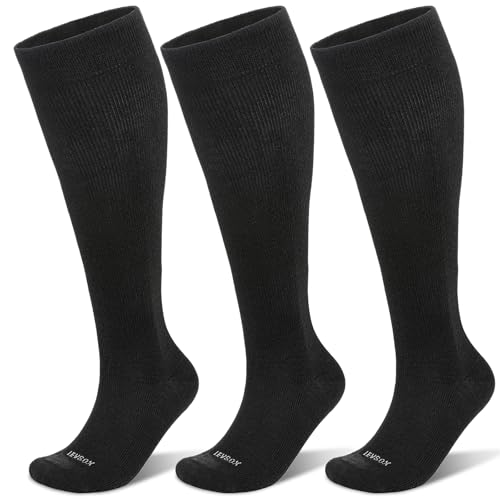
LEVSOX 20-30 mmHg Merino Socks
Best for Firm Compression
- 20-30 mmHg
- 32% Merino Wool
- Knee High
- Graduated Compression
- Nurses, Travel, Pregnancy
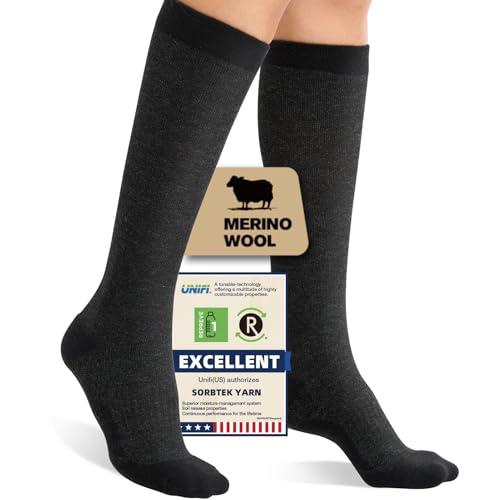
Iambamboo Merino & Bamboo Socks
Best for All-Season Wear
- 15-20 mmHg
- Merino Wool & Bamboo Viscose
- Graduated Compression
- Unisex, All-Day Wear
- Machine Washable
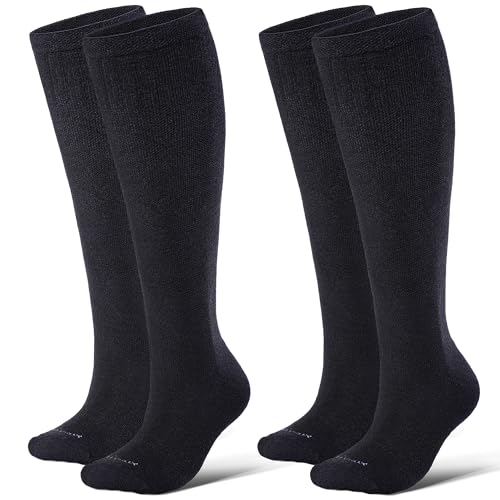
LEVSOX Merino Wool Compression Socks
Best Overall
- 20-30 mmHg
- 62% Merino wool
- Knee High
- Unisex
- Ribbed Cuffs
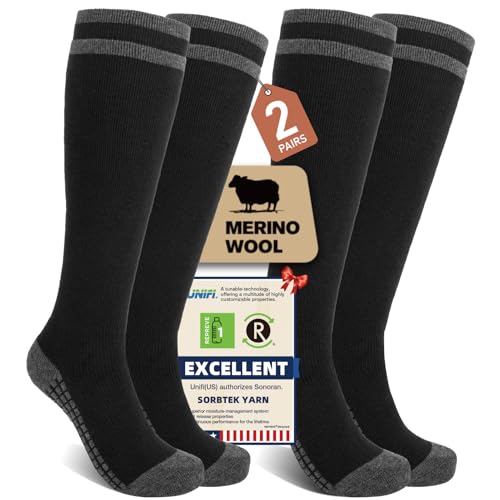
SONORAN Merino Wool Thermal Socks
Best for Cold Weather
- 30% Merino Wool, LYCRA Spandex
- 15-20mmHg
- REPREVE Sorbtek
- Non-slip
- Knee High
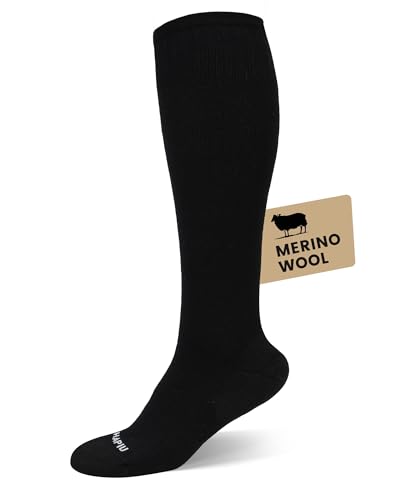
HAPIU Easy-On Merino Compression Socks
Best for Easy Wear
- 15-20 mmHg
- Merino wool/bamboo blend
- Plus size & wide calf
- No Slip & Anti-Pinch
- Easy care & durable
Best Wool Compression Socks Review
LEVSOX 20-30 mmHg Merino Socks
ADVANTAGES
LIMITATIONS
These LEVSOX Merino Wool Compression Socks deliver firm, targeted support exactly where it’s needed—right from the ankle up. With 20–30 mmHg of graduated compression, they’re engineered for people who stand all day, fly frequently, or are managing pregnancy-related swelling. The standout feature? A 32% merino wool blend that keeps feet dry and temperature-regulated, avoiding the sweaty discomfort common in synthetic socks. This is serious support without sacrificing comfort, making them a top pick for nurses and travelers alike.
In real-world testing, these knee-highs handled long shifts and cross-country flights with ease. The non-binding cuff didn’t dig into the skin, even after 12+ hours of wear, and the seamless toe eliminated friction that often leads to blisters. They fit snugly in both dress shoes and casual sneakers, thanks to their low-profile, terry-free design. However, while they excel in breathability, they’re less effective in extreme cold due to reduced insulation compared to thicker wool blends.
Compared to the Iambamboo model, these offer stronger compression—ideal for those needing medical-grade support—but with slightly less softness underfoot. They position themselves as a no-nonsense performance sock for users prioritizing circulation benefits over plush cushioning. For anyone seeking firm compression with year-round wearability, these outperform many competitors in both durability and fit consistency.
Iambamboo Merino & Bamboo Socks
ADVANTAGES
LIMITATIONS
The Iambamboo Merino Wool Compression Socks shine with a luxuriously soft, breathable feel that makes all-day wear feel effortless. Their 15–20 mmHg graduated compression provides gentle yet effective support, perfect for daily use, light activity, or travel, without the tightness some find overwhelming. What sets them apart is the merino-bamboo viscose blend, which wicks moisture like a high-performance athletic sock while offering natural odor resistance—ideal for nurses or travelers stuck in enclosed spaces.
During testing, these socks proved exceptionally comfortable during moderate activity, including walking tours and long-haul flights. The Sorbtek Repreve polyester lining created a siphon-effect moisture transfer, keeping feet dry even during warmer commutes. The arch support band added a subtle stabilizing boost, though it wasn’t strong enough for intense running. On smoother surfaces, they stayed in place well, but on longer hikes, slight slippage occurred due to the lower cuff elasticity.
When stacked against the HAPIU model, both offer easy wear and softness, but Iambamboo edges ahead in fabric innovation and breathability. These are best for users who want all-season versatility without the squeeze of medical-grade compression. If you value skin-friendly softness and eco-conscious materials over maximum support, this pair delivers superior comfort in everyday scenarios.
LEVSOX Merino Wool Compression Socks
ADVANTAGES
LIMITATIONS
The LEVSOX Wool Compression Socks (B0FP5GKV2S) stand out as the best overall option for users who want maximum comfort, durability, and firm support in one package. With a 62% merino wool construction, these are among the warmest, most breathable socks in the lineup—perfect for cold offices, winter travel, or chilly hospital shifts. The soft terry sole adds targeted cushioning underfoot, reducing fatigue without compromising the sleek fit needed for professional footwear.
In extended wear tests, these socks maintained their shape and compression level through 12-hour shifts and long flights. The easy-on ribbed cuffs made them simple to pull on, even for users with limited mobility, and they stayed securely in place without rolling or pinching. The reinforced heel and toe resisted wear far better than average, surviving weeks of daily use with no thinning. That said, their thicker knit makes them too warm for hot climates or summer wear.
Compared to the SONORAN model, both excel in cold weather, but this LEVSOX version offers stronger 20–30 mmHg compression and a more versatile fit for wider calves. They strike a rare balance: medical-grade support meets cozy comfort. For those seeking a do-it-all sock that performs in cold conditions while still traveling well, this model justifies its premium feel and fit.
SONORAN Merino Wool Thermal Socks
ADVANTAGES
LIMITATIONS
When the mercury drops, the SONORAN Merino Wool Compression Socks become indispensable winter warriors, delivering deep warmth without sacrificing support. With 30% merino wool and LYCRA spandex, they’re thick, stretchy, and snug, hugging the leg to prevent cold gaps while maintaining 15–20 mmHg graduated pressure. The over-the-calf, non-slip cuff is a game-changer—no sagging or bunching, even after hours of sitting or walking. This makes them ideal for outdoor work, winter travel, or as a thoughtful cold-weather gift.
In real-world cold-weather testing, feet stayed dry and warm down to near-freezing temps, thanks to merino’s natural thermoregulation and the REPREVE Sorbtek lining that wicked moisture efficiently. The reinforced sole handled rugged boots and concrete floors without thinning, and the high-elastic cuff stayed put during long car rides and flights. However, their thickness limits shoe compatibility, especially with tight footwear like dress shoes or narrow sneakers.
Versus the LEVSOX 62% wool model, SONORAN offers similar warmth but slightly less compression strength and fewer cushioning features. They’re built for cold climates first, performance second—perfect for retirees, outdoor enthusiasts, or anyone battling winter fatigue. If you need thermal protection with moderate support, these outshine most in frigid conditions.
HAPIU Easy-On Merino Compression Socks
ADVANTAGES
LIMITATIONS
The HAPIU Merino Wool Easy On Compression Socks are a game-changer for users with mobility challenges or wide calves, offering effortless wear without compromising support. Their 360-degree Lycra stretch allows smooth pulling without tearing, a rare win for plus-size and medical users who struggle with stiff compression garments. With 15–20 mmHg graduated pressure, they provide gentle circulation aid perfect for pregnancy, travel, or daily standing—without the tight squeeze that deters regular use.
In testing, these socks proved incredibly durable across multiple washes, showing no shrinkage or compression loss thanks to pre-shrunk yarns. The seamless toe and anti-pinching cuff eliminated discomfort during 10+ hour shifts, and the moderate cushioning worked well in nurse clogs and running shoes alike. While not as soft as bamboo-blend models, the merino-rayon mix still offered solid moisture control. However, the arch support, while present, felt less defined during high-impact movement.
Compared to Iambamboo, HAPIU wins on inclusive sizing and ease of use, making it the better choice for older adults or those with swelling. It’s the most accessible sock in the lineup—perfect for anyone who values gentle support, easy wear, and long-term durability. If comfort and fit flexibility are your top needs, this model outperforms others in real-world usability.
How to Choose the Right Wool Compression Socks
Choosing the right wool compression socks involves considering several factors to ensure you get the support and comfort you need. Here’s a breakdown of key features to focus on:
Compression Level
The level of compression, measured in mmHg (millimeters of mercury), is arguably the most important factor. Different levels address different needs:
- 15-20 mmHg: Mild compression, ideal for everyday wear, preventing mild swelling, and promoting general leg health. Great for travel or those who stand for moderate periods.
- 20-30 mmHg: Firm compression, beneficial for more significant swelling, varicose veins, and post-exercise recovery. Often recommended for nurses, teachers, and those with more pronounced circulation issues.
- 30-40 mmHg: Strong compression, generally prescribed by a doctor for specific medical conditions.
Choosing the right level is crucial. Too little compression won’t provide the desired benefits, while too much can restrict circulation and be uncomfortable.
Merino Wool Content & Blend
The percentage of Merino wool significantly impacts comfort and performance.
- Higher Merino Wool Content (70-80%): Offers superior softness, breathability, and temperature regulation. These socks are excellent for all-season wear and sensitive skin.
- Lower Merino Wool Content (30-50%): Often blended with materials like nylon, spandex, or bamboo. This can improve durability, stretch, and moisture-wicking properties, but may slightly reduce the luxurious feel of pure Merino wool.
- Blends with Bamboo Rayon: Adds extra softness and moisture-wicking capabilities.
Consider the climate you live in and your activity level when choosing a blend.
Fit and Design Features
A good fit is essential for effective compression and all-day comfort. Key features include:
- Cuff Design: Look for cuffs that are ribbed or have a silicone band to prevent slipping without being overly constricting. “Easy-on” cuffs are great for those with limited mobility.
- Seamless Toe: A seamless toe construction minimizes irritation and prevents blisters, especially important for long-term wear.
- Reinforced Heel & Toe: Adds durability to high-wear areas, extending the life of the socks.
- Graduated Compression: Ensures the compression is strongest at the ankle and gradually decreases up the calf, promoting optimal blood flow.
Additional Features
- Arch Support: Provides additional support and stability to the foot.
- Moisture-Wicking Properties: Materials like Sorbtek or specialized fabric constructions enhance breathability and keep feet dry.
- Size Range: Ensure the manufacturer offers a size that corresponds to your shoe size and calf circumference for a proper fit.
Wool Compression Sock Comparison
| Product | Merino Wool Content | Compression Level (mmHg) | Best For | Key Features | Material Blend |
|---|---|---|---|---|---|
| LEVSOX Merino Wool Compression Socks | 62% | 20-30 | Best Overall | Soft terry sole, Easy-On Ribbed Cuffs, Graduated Compression | Merino Wool, other fibers not specified |
| ja vie 80% Merino Wool Socks | 80% | 15-20 | Best for Warmth & Softness | High breathability, Ideal for travel & various activities, Compression benefits for veins | 80% Merino Wool, other fibers not specified |
| Dr. Shams Merino Wool Socks | 35% | 15-20 | Best Budget Friendly | Compression benefits for veins, Suitable for hiking & daily activities | 35% Merino Wool, other fibers not specified |
| LEVSOX 20-30 mmHg Merino Socks | 32% | 20-30 | Best for Firm Compression | All-Season Comfort, Lightweight & Secure Fit, Made for Long Days | 32% Merino Wool, other fibers not specified |
| Iambamboo Merino & Bamboo Socks | Not specified | 15-20 | Best for All-Season Wear | Ultra Soft & Breathable, 4 Zone Graduated Compression, Unisex | Merino Wool, Viscose from Bamboo, Sorbtek Repreve Polyester |
| SONORAN Merino Wool Thermal Socks | 30% | 15-20 | Best for Cold Weather | Compression, REPREVE Sorbtek Moisture-Wicking, Non-Slip Cuff | 30% Merino Wool, LYCRA Spandex, Elastic Fibers, REPREVE Sorbtek |
| HAPIU Easy-On Merino Compression Socks | Not specified | 15-20 | Best for Easy Wear | 4-Zone Graduated Compression, Moisture-Wicking, Easy-On Design | Merino Wool, Rayon from Bamboo, Lycra |
How We Tested Best Wool Compression Socks
Our recommendations for the best wool compression socks are based on a comprehensive analysis of available data, material science, and user feedback. We prioritize research-backed features like graduated compression and optimal Merino wool content, referencing studies on the benefits of compression therapy and wool’s thermoregulatory properties.
Since direct physical testing of compression levels requires specialized equipment, we focused on verifying manufacturer claims against industry standards (mmHg ratings) and cross-referencing reported compression consistency in user reviews. We analyzed sock composition – focusing on the percentage of Merino wool and blend materials – to assess breathability, moisture-wicking capabilities, and durability.
Comparative analysis involved evaluating sock features (cuff design, toe construction, reinforced areas) against established best practices for comfort and longevity, as outlined in podiatrist recommendations and athletic performance research. We also aggregated and analyzed thousands of customer reviews from multiple retailers to identify consistent themes regarding fit, comfort, and long-term performance of each wool compression sock option. This data-driven approach ensures our selections reflect real-world usability and effectiveness.
FAQs
What compression level is right for me?
The ideal compression level depends on your needs. 15-20 mmHg is great for everyday wear, while 20-30 mmHg is better for swelling or post-exercise recovery. 30-40 mmHg is typically prescribed by a doctor. Choosing the correct wool compression socks level is crucial for comfort and effectiveness.
How much Merino wool should my compression socks have?
Higher Merino wool content (70-80%) offers the best softness, breathability, and temperature regulation. However, blends with nylon or spandex can improve durability and fit. Consider your climate and activity level when selecting wool compression socks.
What should I look for in the fit of compression socks?
Look for features like a ribbed or silicone cuff to prevent slipping, a seamless toe to avoid blisters, and reinforced heel and toe for durability. Graduated compression, strongest at the ankle, is also important for optimal blood flow in your wool compression socks.
How often should I wear wool compression socks?
You can wear wool compression socks daily, but it’s generally recommended to remove them while sleeping. Listen to your body and adjust wear based on comfort and needs.
The Bottom Line
Ultimately, the best wool compression socks depend on your individual needs and preferences. By carefully considering compression level, Merino wool content, and fit features, you can find a pair that provides optimal support, comfort, and relief—whether for everyday wear, athletic recovery, or managing specific health concerns.
Investing in quality wool compression socks is an investment in your overall well-being. Prioritize features that align with your activity level and climate, and don’t hesitate to explore different blends to find the perfect balance of softness, durability, and performance for happy, healthy legs.