
Waterproofing Methods for Boots
This post contains affiliate links. As an Amazon Associate, we earn from qualifying purchases.
To effectively waterproof your boots, begin by identifying the material—typically leather or synthetic. Clean them thoroughly and apply a waterproofing product specifically designed for that material. For leather, opt for sprays or conditioners that help maintain flexibility, while wax treatments can be used for more extreme weather conditions, although caution is advised if you plan to resole your boots. Reapply waterproofing every 2-3 months for optimal performance, allowing your boots to dry naturally after treatment. Additional options and methods are available to ensure your boots remain dry and comfortable, which will be explored further in this article for those interested in a deeper understanding.
Essential Facts in 30 Seconds
- Identify boot material to select the right waterproofing product (e.g., sprays for suede, conditioners for full-grain leather).
- Clean boots thoroughly before applying waterproofing treatment; slightly damp boots enhance absorption.
- Use waterproofing sprays for quick application; they create a moisture barrier without oversaturation risks.
- Avoid wax-based treatments if planning to resole boots, as they can hinder glue adhesion.
- Reapply waterproofing every 2-3 months and monitor water beading for effective protection.
Choosing a Boot Waterproofing Treatment
Choosing the right waterproofing treatment for your boots is important. First, identify the material of your boots. Full-grain leather needs different care than rough leathers like suede or nubuck. Find a waterproofing product made for your specific boot type.
Boots with Gore-Tex® or similar membranes don’t need extra treatments. Just keep them clean to help with breathability.
Avoid wax-based treatments. Wax can stop glue from sticking when you resole your boots. Regular maintenance matters. Waterproof your boots every 2-3 months or when water stops beading off. This keeps your waterproof barrier strong.
Always read product descriptions and instructions carefully. Make sure the product works well with your boot material. By following these tips, you can protect your boots and make them last longer.
Prepare Your Boots for Waterproofing
Prepare your boots for waterproofing to keep them safe from water damage. Start by taking out the laces. This allows you to cover all parts of the boots.
Clean your boots using a soft brush or a dry cloth. This removes dirt and dust that can affect the waterproofing.
For a deep clean, use saddle soap on a damp cloth. Wipe the leather carefully to remove all grime.
After cleaning, let your boots dry at room temperature. Avoid heat sources like radiators or hair dryers. Heat can harm the leather and weaken the waterproofing.
Make sure your boots are clean and slightly damp before applying waterproofing. This helps the treatment soak in better.
Following these steps prepares your boots well for effective waterproofing. Enjoy your dry, comfortable boots!
Applying the Waterproofing Treatment
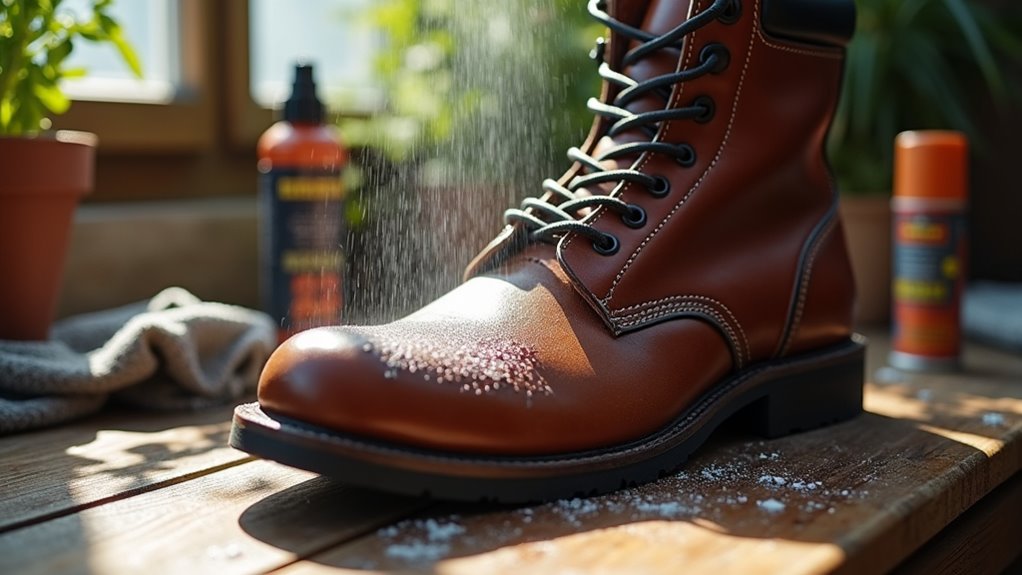
Apply waterproofing treatment to your boots for the best results.
Start with clean, damp leather. This helps the treatment soak in better. Follow the instructions on your product. Different treatments work in different ways.
Spread the treatment evenly. Cover all surfaces of the boots. This ensures maximum protection against water.
Regularly treating your boots keeps them safe and extends their life. Enjoy your outdoor activities without worry!
Treatment Application Techniques
To apply waterproofing treatment to your boots, start with clean and slightly damp leather. This helps the leather soak up the treatment better.
If your boots are completely dry, wrap them in a wet towel for a few hours. This adds moisture.
Next, use your waterproofing treatment. It can be a spray, wax, or oil. Apply it evenly on all outside surfaces.
Make sure to cover every part. This creates a strong waterproof layer.
After applying the treatment, let your boots dry fully in a place with good air flow. Keep them away from direct heat.
Heat can harm the leather and weaken the treatment. Follow these steps to keep your boots safe from water.
Product-Specific Instructions
Waterproofing treatments can help your boots last longer. Start by cleaning the leather to remove dirt. Make sure it’s a bit damp for better results. Here’s how to use different products:
| Product Type | Application Method | Curing Time |
|---|---|---|
| Waterproofing Spray | Spray 1-2 even coats in a place with good air flow. Let each coat dry before adding more. | Follow the instructions on the bottle |
| Mink Oil | Warm the oil a little. Rub it into the leather with a cloth. | Let it dry in the air naturally |
| Waterproofing for Leather | Apply as directed. Usually, you need a few coats. | Follow the instructions on the bottle |
Let your boots air dry at room temperature. Avoid direct heat to keep them safe. Following these steps will keep your boots protected and looking good!
Coverage and Absorption
Before starting the waterproofing treatment, ensure your boots are clean and slightly damp. This helps the waterproofing product work better.
If your boots are dry, wrap them in a wet towel for a few hours. This allows them to absorb some moisture.
Apply the waterproofing treatment according to the product instructions. Some products need several coats or different methods. Cover all surfaces well. Unprotected areas can let water in.
After applying, let the boots dry completely. This step ensures they perform well.
Proper waterproofing keeps your boots safe from water and the elements. Enjoy your dry, comfortable feet!
Drying and Storage Tips After Application
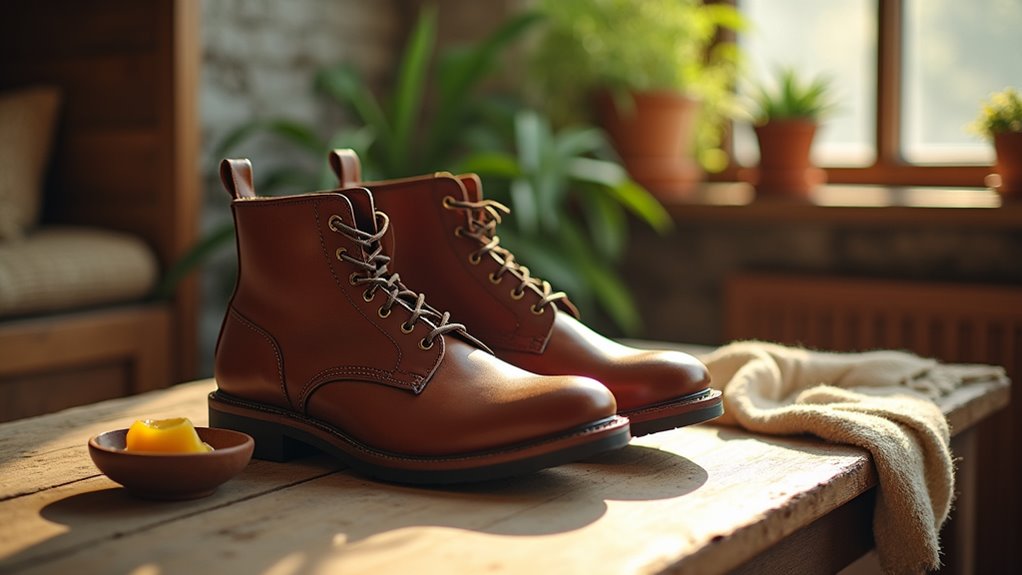
After applying your waterproofing treatment, drying your boots correctly is vital. Follow these tips to keep them in top shape:
- Dry your boots at normal temperatures in low humidity. This helps prevent damage to the leather.
- Stay away from heat sources like hair dryers or radiators. They can crack and stiffen the leather.
- To dry faster, stuff your boots with newspaper. Change the newspaper often to soak up moisture.
Once your boots are dry, store them in a stable place with normal temperatures. Avoid attics, garages, or damp areas. These can ruin your waterproofing.
Proper drying and storage will keep your boots looking good and working well. Taking these steps ensures your waterproofing investment pays off. Your boots will be ready for future adventures!
Buying Waterproof Boots vs. DIY Waterproofing
Choosing between waterproof boots and DIY waterproofing depends on your needs.
Waterproof boots usually have special materials. These materials stop water better. They’re perfect for outdoor fun.
DIY waterproofing can save money. You might use sprays or wax. It’s a hands-on approach. But it needs more care and effort. Also, it may not hold up as well in tough weather.
Think about how often you’ll be outside. If you face rain or snow a lot, buy waterproof boots. They give you peace of mind. For occasional use, DIY methods can work well.
Consider your lifestyle and budget. Make the choice that fits you best.
Pre-Waterproofed Boots Benefits
Pre-waterproofed boots save time and hassle. They’re perfect for outdoor lovers or anyone needing durable shoes for work.
These boots resist water, protecting your feet without the need for constant care. Investing in pre-waterproofed boots means:
- A comfy fit that supports your feet during activities.
- High-quality materials that keep moisture out.
- Saving money by cutting down on extra treatments and repairs.
Many brands offer warranties. This gives you peace of mind with your purchase.
Choose pre-waterproofed boots for reliable footwear. Stay dry and comfortable while enjoying your adventures.
DIY Waterproofing Limitations
Pre-waterproofed boots have many benefits. DIY waterproofing is another choice, but it has limits. The success of DIY methods can change. It often depends on the product and the material used. DIY waterproofing requires regular care and reapplication. Pre-waterproofed boots offer long-lasting protection with less work.
Here’s a quick comparison:
| Aspect | DIY Waterproofing |
|---|---|
| Effectiveness | Varies greatly |
| Maintenance | Needs frequent reapplications |
| Long-lasting Protection | Limited compared to pre-waterproofed options |
Buying pre-waterproofed boots may save you money in the long run. These boots often come with warranties. This adds extra peace of mind. Weigh these factors before deciding!
Waterproofing Products and Techniques
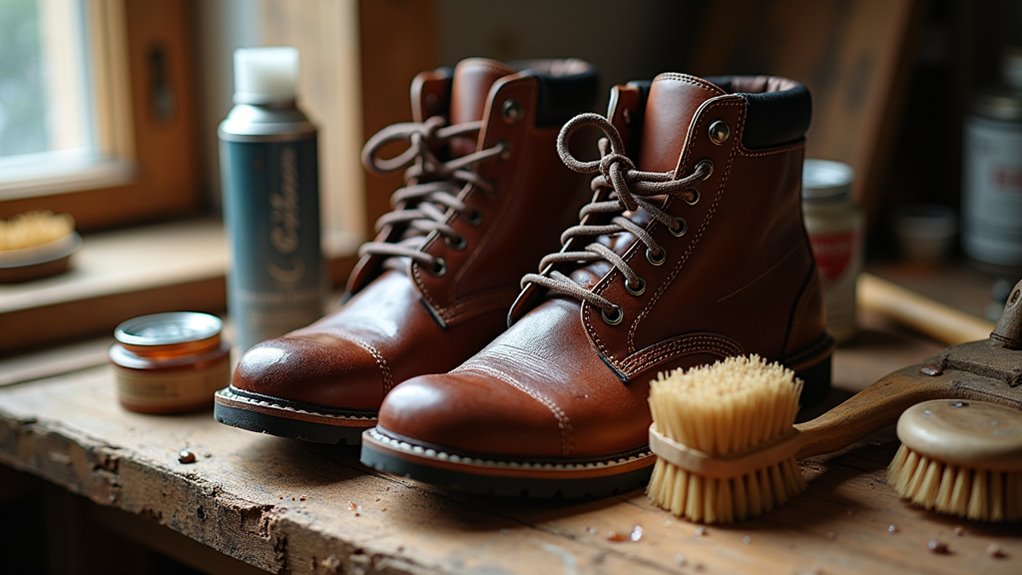
Keep your boots dry and comfortable by using the right waterproofing products. Different materials need different treatments. For full-grain leather, use conditioners and oils. For nubuck and suede, waterproofing sprays work best.
Here are some effective options:
- Waterproofing Sprays: Quick to apply and safe for many materials.
- Wax-based Treatments: Offer strong protection in tough weather. Avoid these if you plan to resole your boots.
- Conditioners and Oils: Protect and nourish full-grain leather, keeping it soft.
Apply waterproofing products by following the instructions carefully. Make sure to let them dry properly.
Regular care is important. Clean your boots and reapply waterproofing every 2-3 months. Do this when water stops beading on the surface. This will help keep your boots safe and last longer.
Frequently Asked Questions
How Often Should I Reapply Waterproofing Treatment on My Boots?
Reapply waterproofing treatment every 2 to 3 months. Do this more often if your boots face wet conditions. Always clean your boots before treatment. This helps the waterproofing work better. Protect your investment. Keep your feet dry and comfortable. Regular care extends the life of your boots. Enjoy your outdoor adventures without worries!
Can I Use Waterproofing on Synthetic Boots?
You can use waterproofing on synthetic boots. Make sure to pick sprays made for synthetic materials. Avoid wax-based treatments. Always check the manufacturer’s care instructions. This helps keep your boots in good shape. Keeping them dry protects against water damage. Follow these tips to extend the life of your boots. Enjoy your outdoor activities without worrying about wet feet!
Does Waterproofing Affect the Breathability of My Boots?
Waterproofing makes boots strong against water. But it can reduce breathability. Your feet need to breathe to stay comfortable. Using breathable sprays can help. These products keep your feet dry and cozy without losing comfort. Remember to pick sprays made for breathability. This way, you enjoy both water protection and comfort. Your feet will thank you!
Are There Any Natural Waterproofing Methods Available?
Natural waterproofing methods exist and are quite effective. Beeswax, coconut oil, and lanolin are great options. These substances create a water-resistant barrier. They also nourish the leather and keep it flexible.
Beeswax is easy to apply. Melt it slightly and rub it on the leather. Coconut oil hydrates while providing protection. Just apply a small amount and let it soak in. Lanolin works similarly, offering moisture and water resistance.
Keep in mind, some of these methods may change the color or finish of the leather. Always test on a small area first. This way, you can see how it reacts. With these natural options, you can protect your leather items effectively.
How Can I Remove Old Waterproofing Treatment From My Boots?
Refresh your boots by removing the old waterproofing. Start with a leather cleaner. Use a soft cloth or sponge to scrub gently. Rinse well to remove all cleaner. Let your boots dry completely. After drying, apply a good leather conditioner. This will keep the leather soft and protected. Your boots will look great again!
Conclusion
Keeping your boots waterproof is essential for enjoying the outdoors. Choose the right treatment for your boots. Prepare them properly before applying any product. This helps extend their life. A little care goes a long way. Protect your investment by taking these simple steps.
Storing your boots correctly is also important. Keep them in a dry, cool place. This prevents damage and mold. With proper care, your boots will keep your feet dry and comfortable. Get ready for many adventures ahead!