
Foot Hygiene Routine Guide
This post contains affiliate links. As an Amazon Associate, we earn from qualifying purchases.
To maintain healthy feet, wash them daily using mild soap and warm water, ensuring you clean between your toes. It’s essential to dry them thoroughly to prevent infections. Regularly inspect your feet for any cuts or blisters, and apply lotion to keep them moisturized. Trim your toenails straight across to avoid ingrown nails. If you have diabetes or other specific health conditions, checking your feet daily is critical. For those interested in more detailed techniques and product recommendations, further information will be provided later in the article.
Essential Facts in 30 Seconds
- Wash feet daily with mild soap and warm water, cleaning between toes thoroughly.
- Dry feet completely after washing, especially between toes, to prevent fungal infections.
- Regularly inspect feet for cuts, blisters, or changes to catch issues early.
- Apply lotion after washing, avoiding the area between toes to maintain moisture.
- Trim toenails straight across and smooth sharp edges to prevent ingrown nails and discomfort.
The Importance of Daily Foot Care
Daily foot care is important. Your feet support your whole body. On average, people take 5,000 to 7,000 steps a day. Good foot care keeps you healthy and helps prevent problems.
Neglecting your feet can lead to dryness and calluses, especially for those with diabetes. The skin on your feet is thicker and doesn’t have oil glands. This makes it easy for cracks to form.
Check your feet regularly. Look for any changes or injuries. Early detection can stop complications later. Taking care of your feet helps you move better and feel good. It improves your quality of life.
Make foot care as important as brushing your teeth or washing your hands. A little attention can prevent foot problems. Choose breathable fabrics for your socks to help keep your feet dry. Stay active and comfortable by giving your feet the care they deserve.
Essential Foot Hygiene Practices
To keep your feet healthy, follow these important foot hygiene practices every day.
Wash your feet daily with mild soap and warm water. Clean between your toes well to stop fungal growth. After washing, dry your feet completely, especially between the toes. This helps prevent infections caused by moisture.
Check your feet often for cuts, blisters, or changes in appearance. Finding problems early can help avoid serious issues.
After washing, use a good lotion to keep your feet soft. Don’t put lotion between your toes. This can cause extra dampness.
Trim your toenails straight across. This helps prevent ingrown toenails. Use an emery board to smooth any sharp edges.
Following these simple foot hygiene practices keeps your feet clean and healthy. Make foot care a regular part of your routine.
Advanced Foot Care Techniques
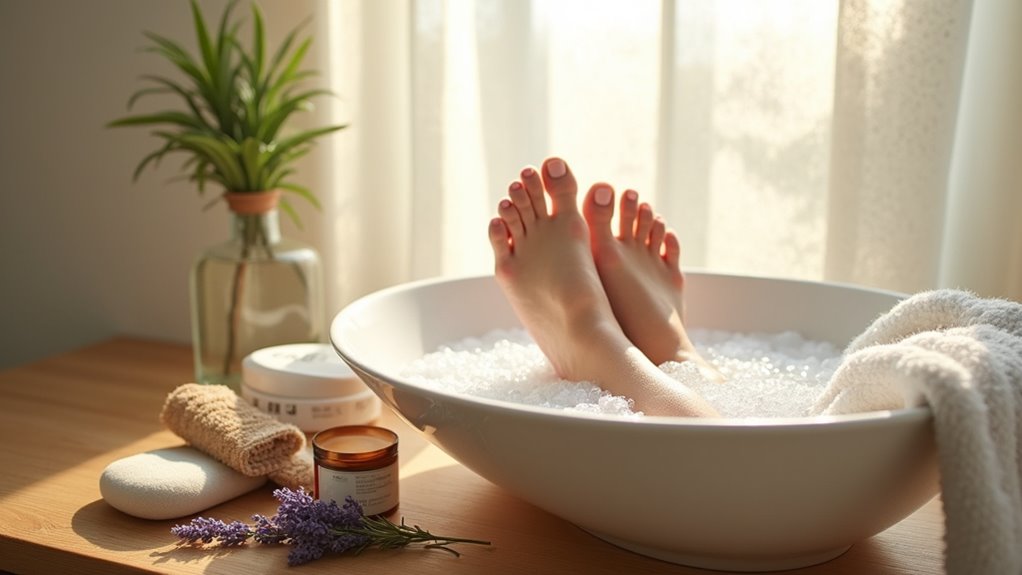
After you keep your feet clean every day, try some advanced techniques for better foot care. These methods help make your skin healthier and smoother.
Begin by soaking your feet. Then, use a pumice stone or foot file. This gently removes rough spots and calluses.
Add these tips to your routine:
- Use hydrating foot masks with hyaluronic acid and vitamin C. They help keep moisture in.
- Apply cuticle oil to your nails and skin around them. This helps your nails grow strong.
- End with a rich foot cream, especially after you exfoliate. Proper foot alignment can also enhance the effectiveness of your foot care routine.
Don’t forget to enjoy a relaxing foot massage. It boosts blood flow and feels great.
These advanced techniques improve your foot care. Your feet will feel soft and refreshed.
Foot Care for Special Conditions
Foot care needs special attention for those with certain conditions. People with diabetes must check their feet daily. Look for cuts or blisters. These can quickly become serious. Incorporating diabetic socks into your daily routine can greatly enhance foot comfort and health.
Pregnant individuals should elevate their feet. This helps reduce swelling and discomfort.
Seniors should wear well-fitting shoes. Good shoes can prevent falls and injuries.
Regular foot checks are very important. Keep feet clean and dry. Moisturize to prevent cracking. Always visit a doctor for any concerns. Proper care keeps feet healthy and happy.
Diabetic Foot Care Tips
Diabetes can cause serious foot problems. Keeping your feet healthy is very important. Follow these tips for good foot care:
- Check your feet every day. Look for cuts, blisters, or injuries. Catching problems early helps a lot.
- Wash your feet daily. Dry them well, especially between the toes. This helps prevent infections.
- Wear shoes that fit well. Good support and cushion keep your feet safe from pressure. Proper footwear is essential to prevent cracked heels and discomfort.
Never walk barefoot. This can lead to injuries and infections.
Visit your podiatrist regularly. They can help monitor your foot health and catch issues early.
Pregnancy Foot Comfort Strategies
Pregnancy changes your body in many ways, including your feet. Foot discomfort and swelling are common. Elevate your feet whenever possible to help reduce swelling.
Wear comfortable shoes that provide good support and have a wide toe box. These features will help with your changing shape. Low heels are a smart choice to lessen strain on your feet and back.
Regular exercise, such as walking, boosts circulation and keeps your feet healthy. Check your feet daily for any changes. Changes in foot shape and blood flow can lead to problems.
Keeping your feet clean and inspecting them helps maintain good foot health. Additionally, choosing bunion-friendly shoes can significantly improve comfort during this time. Follow these tips to keep your feet comfortable and healthy during your pregnancy.
Senior Foot Health Essentials
Taking care of your feet is very important as you get older. Healthy feet help you move better and feel good overall. Here are some easy tips for keeping your feet in great shape:
Inspect your feet every day. Look for cuts, blisters, or signs of infection.
Clean your feet well. Wash them daily and dry them completely, especially between the toes.
Choose shoes that fit well. Good shoes support your feet and help prevent pain and blisters.
Moisturize your feet to keep the skin soft.
Trim your toenails regularly to stop ingrown toenails. Cut your nails straight across to avoid problems.
Visit a podiatrist often. They can give you special care for your feet. Additionally, wearing breathable materials in your footwear can help prevent moisture buildup, which is important for foot health.
Maintaining Footwear Hygiene
To keep your shoes clean and fresh, rotate them daily. This helps them dry out completely. A dry shoe means less bacteria and fewer odors. Regularly switching sneakers allows materials to recover from daily stress, enhancing their lifespan.
Clean your shoes regularly. Use a damp cloth or brush to remove dirt.
Choose shoes made of breathable materials. They allow air to flow, keeping your feet comfortable.
Remember these simple steps for better footwear hygiene. Your feet will feel great!
Shoe Rotation Benefits
Rotating your shoes daily is important for foot health. Each pair gets time to dry out completely. This helps keep your feet clean and fresh. Less moisture means fewer germs and less foot odor.
Wearing the same shoes too often can cause them to wear out quickly. This can hurt your feet and reduce support. Changing shoes regularly helps you see when they need replacing.
Air circulation is key. Fresh air keeps your feet drier and more comfortable.
Plus, taking care of your shoes saves money. Well-maintained shoes last longer and stay supportive. Additionally, regular foot measurements can help ensure that your shoes continue to fit properly as your feet change over time.
Cleaning and Deodorizing Methods
Even clean socks can’t stop bacteria and odors in shoes. To keep your shoes fresh, clean and deodorize them often. Use special sprays or powders made for this purpose. These products remove bacteria and bad smells.
Change your socks daily, especially if your feet sweat a lot. This helps keep your feet dry and prevents fungal infections like athlete’s foot. Choose socks that wick away moisture or allow airflow. This keeps your feet comfortable.
Rotate your shoes to let them dry completely. This reduces dampness. Store them in a cool, dry place. Cedar shoe trees can absorb moisture and odors. Using Epsom salt soak can also help eliminate odor-causing bacteria and keep your feet fresh.
Following these tips helps keep your shoes fresh and your feet healthy.
Choosing Breathable Materials
Breathable materials in footwear are key for good foot hygiene. Leather and mesh shoes allow air to flow. This keeps feet dry and reduces dampness. Dampness can lead to fungal infections. Also, breathable socks made from cotton or moisture-wicking materials boost comfort and hygiene. For better foot health, consider these options:
- Shoes with holes or mesh for better airflow.
- Rotate shoes to ensure they dry completely.
- Invest in quality shoes that support and breathe well.
In addition, proper airflow helps keep feet dry and comfortable, which is essential for preventing issues like fungal infections. These simple steps can make a big difference for your feet.
Seeking Professional Foot Care
Caring for your feet is essential for your health. This is especially true if you have diabetes or nerve problems. Regular visits to a podiatrist help keep your feet in good shape. Everyone should have an annual foot exam. People with diabetes may need to visit more often. These check-ups help prevent issues and keep you pain-free.
Persistent foot pain or sudden changes in your feet need immediate attention. Getting help early can stop serious problems. Podiatrists can create treatment plans for common issues like bunions or athlete’s foot. They also offer tips on the best shoes and foot supports.
Practice good foot hygiene every day. Pay attention to your foot health. Follow your podiatrist’s advice to stay healthy. By making foot care a priority, you can keep your feet happy and avoid discomfort.
Frequently Asked Questions
How Often Should I Replace My Footwear?
Athletic shoes need replacement after 300 to 500 miles. Casual shoes should be changed every 6 to 12 months. Dress shoes require replacement when visible wear appears. Keep comfort and support in mind while checking your footwear. Properly fitting shoes help prevent injuries. Worn-out shoes can cause foot pain. Stay safe and stylish by updating your footwear regularly.
Can Foot Hygiene Prevent Foot Odor?
Foot hygiene can completely stop foot odor. Washing your feet daily is key. Make sure to dry them well, especially between the toes. Dampness-wicking socks help keep your feet dry. Rotate your shoes often to let them air out. Applying antifungal powders gives extra protection against odor. Simple steps can make a big difference! Keep your feet clean and fresh. Enjoy every step you take!
Is It Safe to Walk Barefoot at Home?
Walking barefoot at home is usually safe. Just make sure your floors are clean and free from sharp objects. Watch out for any foot problems you may have. It can help to switch between walking barefoot and wearing comfortable shoes. This way, your feet stay happy and healthy. Enjoy the feeling of the ground under your feet!
What Ingredients to Avoid in Foot Creams?
Sixty percent of foot cream users have irritation. This can be avoided by staying away from certain ingredients. Alcohol can dry out your skin. Fragrances may cause allergies. Parabens can disrupt hormones. High urea concentrations can lead to discomfort.
Watch out for mineral oil too. It clogs your pores and can make things worse. Always check labels. Choose creams with safe and gentle ingredients. Your feet deserve the best care.
How Can Diet Affect Foot Health?
Diet plays a big role in foot health. Eating balanced meals helps strengthen your skin and nails. Foods rich in vitamins, minerals, and antioxidants are key. For example, leafy greens, fruits, and whole grains are excellent choices.
Staying hydrated is also important. Drinking enough water prevents dryness and cracking. This keeps your feet comfortable and healthy.
Certain nutrients help too. Calcium and vitamin D support bone health. Omega-3 fatty acids reduce inflammation, which can ease pain in your feet.
Snack on nuts or seeds for extra benefits. They provide healthy fats and protein.
A good diet leads to better foot health. Simple choices can make a big difference. Take care of your feet by choosing the right foods!
Conclusion
Your feet work hard every day. They carry you everywhere. Taking care of them is important. A daily foot hygiene routine helps keep them healthy. Wash your feet with soap and warm water. Dry them well, especially between the toes. Moisturize to prevent dryness and cracking. Choose comfortable shoes that fit well. Avoid tight or narrow footwear.
Regularly check your feet for cuts, blisters, or redness. If you notice anything unusual, see a doctor. Keeping your toenails trimmed prevents pain and infection. A little care goes a long way. Happy feet mean happier days. Enjoy every step you take!