
Causes of Cracked Heels
This post contains affiliate links. As an Amazon Associate, we earn from qualifying purchases.
Cracked heels are primarily caused by dry skin, often due to low humidity or prolonged standing on hard surfaces. Additionally, wearing open-heeled shoes can expose your heels to environmental factors that exacerbate the issue. Nutritional deficiencies and certain medical conditions, such as diabetes, can also contribute to more severe cases of cracked heels. For those interested in a deeper understanding, further explanations and supporting details will follow later in the article, including tips on prevention and treatment for maintaining healthy feet.
Essential Facts in 30 Seconds
- Low humidity and cold weather can cause dry skin, increasing the risk of cracked heels.
- Standing for long periods on hard surfaces places excess pressure on heels, leading to skin fissures.
- Open-heeled shoes and sandals expose heels to environmental factors, heightening the chance of cracking.
- Nutritional deficiencies in vitamins A, C, D, E, and zinc can reduce skin hydration and healing.
- Medical conditions like diabetes, psoriasis, and fungal infections can weaken skin integrity and worsen heel cracking.
Understanding Cracked Heels
Cracked heels are a common foot problem. They happen when the skin on your heels becomes thick and dry. Without treatment, these can turn into painful cracks. Low humidity is a major cause of cracked heels. Standing for long periods on hard surfaces can make it worse. Wearing the wrong shoes can also contribute to this issue. People with obesity or diabetes have a higher risk. These conditions put extra stress on your feet and hurt skin health. Signs of cracked heels include pain while standing, dry skin, and sometimes bleeding. To keep your feet healthy, practice good foot care. Keep your heels moisturized. Wear proper shoes that fit well. Additionally, daily foot washing can help prevent dryness and maintain skin health. Maintain good hygiene by washing and drying your feet regularly. With these steps, you can prevent and manage cracked heels effectively.
Common Causes of Cracked Heels
Your footwear greatly affects your heel health. Open-heeled shoes and sandals can cause more cracks.
Dry skin is another big problem. It can lead to painful fissures on your heels. Keeping your skin hydrated is very important. Use lotion daily to prevent dryness.
Regular foot care helps keep your heels smooth and healthy. Avoid hard surfaces when walking. This can also reduce the risk of cracks.
Footwear Choices Impact
Wearing the right shoes is key to keeping your heels healthy. Bad choices, like open-heeled sandals, can cause heel expansion and cracks. Shoes without support or cushioning may increase friction and irritation. This can harm the skin on your heels. Here’s how different shoes affect your heels:
| Footwear Type | Impact on Heels | Recommended Alternatives |
|---|---|---|
| Open-heeled sandals | More exposure to the environment | Closed shoes with cushioning |
| Flip-flops | No arch support | Sneakers with good support |
| High heels | Too much pressure on heels | Low-heeled, supportive shoes |
Supportive footwear helps prevent discomfort. It keeps your heels healthy. Comfort should always come first to keep your feet happy! Additionally, wearing shoes that provide proper arch support can significantly reduce the risk of cracked heels.
Skin Hydration Levels
Proper skin hydration keeps your heels healthy. It prevents cracks and dryness. Without enough moisture, heels can become rough and less elastic.
Dehydration happens if you don’t drink enough water or if you live in a dry area. The skin on your heels has fewer oil glands, making it more likely to dry out.
To keep your heels soft, use moisturizers with urea or hyaluronic acid. These ingredients boost skin hydration levels. Regular use can lower your chances of getting cracked heels.
Well-hydrated skin remains healthy and prevents painful fissures. So, focus on keeping your heel skin moisturized!
Risk Factors for Developing Cracked Heels

Several factors increase the risk of developing cracked heels. Knowing these can help you prevent the issue. Here are four important risk factors to consider:
- Being Overweight: Extra weight puts more pressure on your feet. This pressure can cause thicker skin and lead to cracks.
- Aging: Older adults often have drier skin. Less elastic skin makes fissures more likely.
- Wearing Poorly Fitting Shoes: Shoes that don’t fit well can spread the fat pads on your heels. This can result in painful cracks.
- Standing for Long Periods: Spending a lot of time on hard surfaces adds stress to your heels. This stress can create calluses and lead to cracking.
Environmental factors also play a role. Low humidity or cold weather can dry out your feet.
This risk is higher if you have diabetes or certain skin conditions. Being aware of these factors helps you keep your feet healthy and crack-free.
Nutritional Deficiencies Related to Cracked Heels
Your diet is important for healthy skin, especially on your heels. Key vitamins play a big part.
Vitamins A, C, D, and E keep skin hydrated and strong. Zinc is also vital. Low zinc levels can cause your skin to heal slowly. This can lead to cracked heels.
Eating a balanced diet helps prevent these issues. Include fruits, vegetables, whole grains, and proteins. This way, you keep your skin healthy and prevent cracks.
Essential Vitamins for Healing
Healing cracked heels requires important vitamins for healthy skin. Focus on these essential vitamins to keep your feet in great shape:
- Vitamin A: This vitamin helps prevent dryness and cracks in the skin.
- Vitamin C: It supports collagen production. Collagen keeps the skin elastic and prevents fissures.
- Vitamin E: Known for its ability to hydrate, it helps your skin retain moisture.
- Vitamin B3: Without enough of this vitamin, your skin can become dry and cracked.
Zinc is also crucial for skin repair. It helps your skin heal properly.
Eating foods rich in these vitamins can lead to smoother, healthier heels.
Impact of Zinc Deficiency
Zinc deficiency can harm your skin, especially causing cracked heels. Zinc is vital for making collagen and keeping skin hydrated. Without enough zinc, your skin loses elasticity. This can lead to dryness and cracked heels. Studies show low zinc levels link to more skin issues, highlighting its importance for foot health.
To increase your zinc intake, try adding these foods to your meals:
| Food | Zinc Content (mg) | Benefits |
|---|---|---|
| Oysters | 74 | Rich in zinc |
| Red Meat | 5-9 | Helps with collagen production |
| Poultry | 2-3 | Supports skin health |
| Beans | 1-3 | Great plant-based option |
| Nuts | 1-3 | Easy snack choice |
Eating these foods can help improve your skin and foot health.
Environmental and Lifestyle Influences on Heel Health
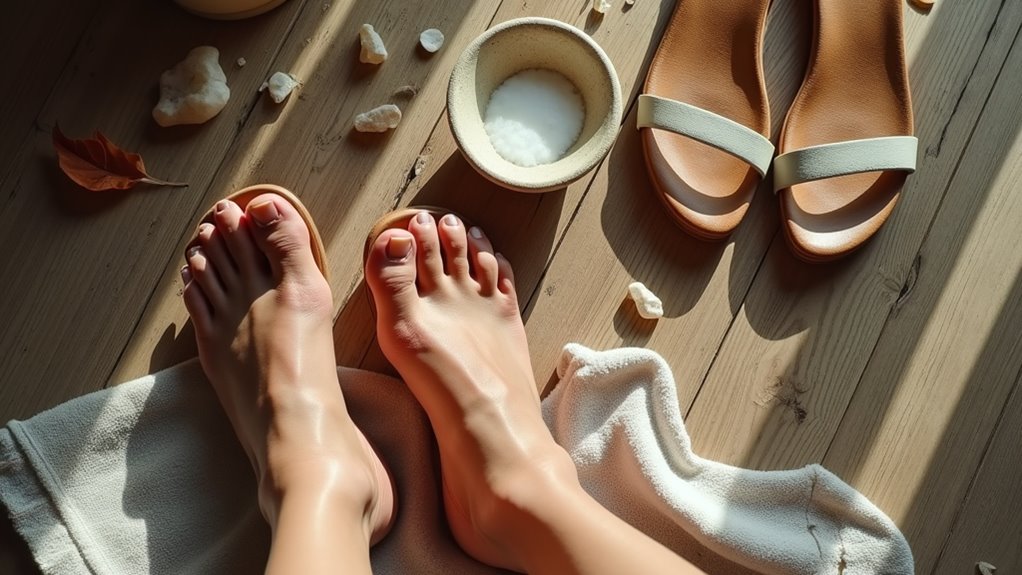
Environmental factors and lifestyle choices greatly affect heel health. Keep your heels healthy with these tips:
- Cold weather and low humidity dry out skin. This can lead to cracks and dryness.
- Standing for long periods on hard surfaces adds pressure to your heels. This causes calluses and can lead to painful cracks.
- Open-heeled shoes increase stress on your heels. They expose your skin to more risk of cracking.
- Harsh soaps and hot showers wash away natural oils. This leads to dryness and possible fissures.
Staying hydrated is also important. Drink plenty of water daily. Use moisturizer to keep your feet soft. Additionally, wearing proper footwear with arch support benefits can help alleviate pressure on your heels and prevent cracks.
Being aware of these factors helps protect your heels. Take care of them to keep them healthy and crack-free.
Medical Conditions Contributing to Cracked Heels
Cracked heels can come from different medical conditions that affect skin and blood flow.
Diabetes can lead to poor blood circulation and nerve damage. This makes it hard for your feet to stay hydrated, which can cause cracked heels.
Hypothyroidism also makes skin dry. A dry skin means less ability to keep moisture.
Psoriasis can create thick, scaly patches on your feet. These patches can lead to dryness and cracks.
Eczema causes itchy and inflamed skin, making heel cracks worse.
Fungal infections, like athlete’s foot, can make skin peel and crack if not treated.
Knowing these medical conditions is important for your foot health. If you think you have any of these problems, see a healthcare professional. They can help you get the right treatment and keep your heels smooth and healthy.
Frequently Asked Questions
How Can I Prevent Cracked Heels During Winter?
Cracked heels are a common problem in winter. To keep your heels smooth, use a thick moisturizer every day. Focus on areas that feel dry. Wearing shoes that support your feet is important too. Avoid hot showers, as they can dry out your skin.
Exfoliate your feet regularly. This means removing dead skin. Use a pumice stone or foot scrub for this. Staying hydrated helps your skin stay healthy. Drink plenty of water throughout the day.
Following these simple steps will keep your feet comfortable and soft all winter long. Take care of your heels, and enjoy the season!
Are There Specific Shoes That Help Prevent Cracked Heels?
Supportive shoes can help prevent cracked heels. Look for shoes that have good cushioning. They should also have a closed back to provide stability. Breathable materials keep your feet cool and dry.
Make sure the shoes fit well. Tight shoes can cause pressure and friction. Consider using orthotic inserts for extra support. This can reduce strain on your heels.
Taking care of your feet is important. Choose the right shoes, and you’ll help keep your heels healthy.
Can Cracked Heels Lead to Infections?
Cracked heels can definitely lead to infections. Deep fissures expose the skin beneath. This makes it easier for germs to enter. Watch for signs of infection. Look for warmth, redness, or swelling around the cracks. These signs indicate a problem.
Regular foot care prevents complications. Keep your heels moisturized. This helps to heal cracks and keep your skin healthy. Wearing supportive shoes also helps. Take care of your feet to avoid infections. Healthy feet make a big difference in your overall well-being.
What Home Remedies Are Effective for Treating Cracked Heels?
Nearly 20% of people deal with cracked heels. This common problem can be uncomfortable. Luckily, there are simple home remedies to help heal them.
Start by soaking your feet in warm, soapy water. This softens the skin and makes it easier to remove dead skin. After soaking, gently exfoliate with a pumice stone. This helps smooth out rough patches.
Next, apply a heavy moisturizer. Look for creams that are thick and rich. These will help lock in moisture. Natural oils, like coconut oil, are also great for nourishing cracked heels. Rub it in well for the best results.
Regular care can keep your feet soft and healthy. Try these remedies to enjoy smoother heels.
When Should I See a Doctor for Cracked Heels?
See a doctor for cracked heels if home remedies fail after one week. Seek help if you have severe symptoms. Look for signs like bleeding, infection, or intense pain while standing or walking. These symptoms can mean your condition is serious. Cracked heels can lead to more problems if not treated. Don’t ignore pain or discomfort. A doctor can help find the right treatment for you. Take care of your feet. Healthy feet are important for your overall well-being.
Conclusion
Cracked heels can happen for many reasons. Dry skin is a big cause. Not wearing the right shoes can also lead to cracks. Poor nutrition may contribute, but studies show that the environment often matters more.
To keep your heels healthy, drink plenty of water every day. Wearing supportive shoes helps a lot too. Taking care of your skin is important. Moisturize regularly to avoid dryness. With these simple steps, you can prevent cracked heels and stay comfortable.