
Athlete’s Foot Prevention
This post contains affiliate links. As an Amazon Associate, we earn from qualifying purchases.
To prevent athlete’s foot, it is crucial to keep your feet clean and dry. This involves washing your feet daily with soap and warm water, with special attention to the areas between your toes. After washing, ensure that your feet are thoroughly dried, particularly in damp areas. Additionally, wearing breathable shoes and moisture-wicking socks can help maintain dryness. It’s also advisable to avoid walking barefoot in public areas such as pools and locker rooms, which are common spots for infections. For those interested in a deeper understanding of athlete’s foot prevention, further details will follow.
Essential Facts in 30 Seconds
- Wash and dry feet daily, scrubbing between toes to prevent fungal growth.
- Change socks regularly; use moisture-wicking fabrics for dryness.
- Wear breathable shoes made from natural materials; allow them to air out.
- Avoid walking barefoot in public areas to reduce exposure to fungi.
- Inspect feet regularly for changes or symptoms to detect infections early.
Understanding Athlete’s Foot
Understanding athlete’s foot helps keep your feet healthy. This common fungal infection, called tinea pedis, usually affects the skin between your toes. It loves warm and damp places, like swimming pools and locker rooms. You can catch it by touching infected skin or surfaces. Symptoms include itching, burning, and flaky skin. If left untreated, it can cause discomfort.
Preventing athlete’s foot starts with good foot hygiene. Wash your feet every day and keep them dry, especially between the toes. Wear breathable shoes in public areas to lower your risk.
If you see signs of infection, get treatment right away. You can use over-the-counter creams or talk to a healthcare provider. Following these steps helps keep your feet healthy and free from athlete’s foot.
Key Symptoms to Watch For
Key symptoms of athlete’s foot are important to recognize. Spotting these early signs can help you treat the infection before it gets worse.
Watch for these symptoms:
- Itchy, scaly rash: This often appears between your toes. It can also show up on the tops and soles of your feet.
- Cracked and peeling skin: You might see this, especially after taking off your shoes and socks.
- Burning sensation: This feeling may happen in warm or humid conditions.
- Fluid-filled blisters: These can form on the soles or sides of your feet, causing more cracks and irritation.
Act quickly if you notice any of these symptoms. Ignoring them can lead to complications. The fungus may spread to your toenails or other areas.
Stay alert and take care of your feet!
Effective Foot Hygiene Practices
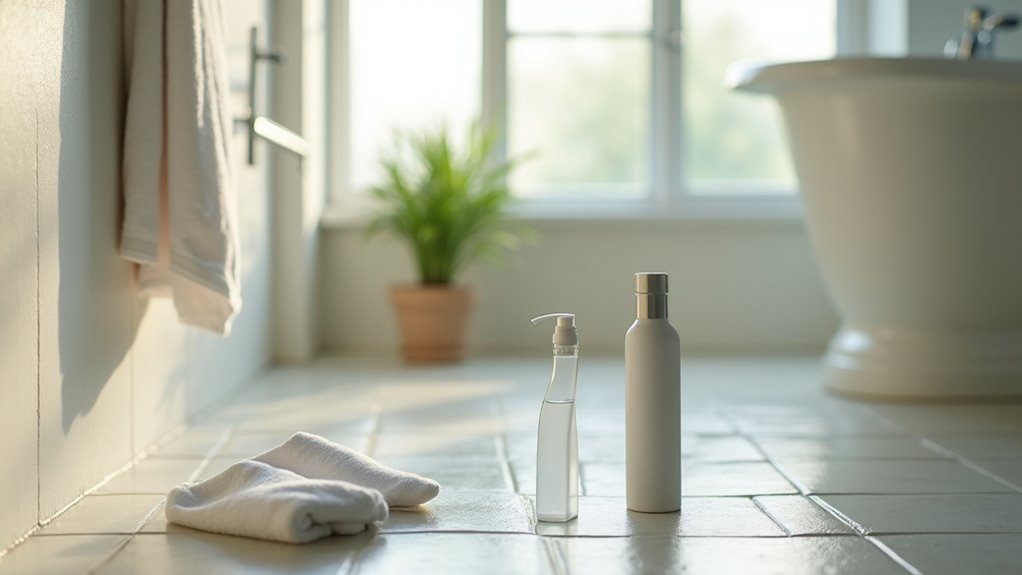
Keep your feet healthy. Good foot hygiene is important to prevent athlete’s foot. Wash your feet every day with soap and warm water. Scrub between your toes well. This helps remove fungi and bacteria.
After washing, dry your feet completely, especially between the toes. This stops dampness from building up. Change your socks daily. Choose socks made from natural or moisture-wicking fabrics. These materials help keep your feet dry.
Avoid walking barefoot in public places. Locker rooms and swimming pools can have germs. Always wear protective footwear, like shower shoes. This reduces contact with dirty surfaces.
If someone in your home has athlete’s foot, clean shared spaces often. Disinfect showers and bathtubs regularly. Following these simple steps can lower your risk of athlete’s foot and keep your feet in great shape. Additionally, monitoring foot health can help you detect any early signs of issues before they develop into more serious problems.
Importance of Proper Footwear
Wearing the right shoes prevents athlete’s foot. Choose breathable shoes made from natural materials. This helps keep your feet cool and dry.
Rotating shoes daily is important. It gives each pair time to air out. Always wear flip-flops in public areas. This helps stop the spread of germs.
Additionally, selecting shoes with proper ventilation designs enhances breathability and supports overall foot health.
Remember, healthy feet are happy feet. Good footwear is key to foot health.
Take care of your shoes, and they’ll take care of you.
Breathable Materials Matter
To prevent athlete’s foot, the right footwear is crucial. Breathable materials like leather and canvas help keep your feet dry. These materials reduce dampness and fight off fungi.
Synthetic materials, on the other hand, can trap heat and moisture, raising your risk of infection.
Keep your feet comfortable with these tips:
- Choose shoes made from breathable materials.
- Wear sandals or open-toed shoes in hot weather.
- Use moisture-wicking socks made from natural fibers.
- Steer clear of synthetic materials that hold onto dampness.
These simple steps can help keep your feet healthy and happy. Additionally, selecting shoes that promote air circulation is vital for effective moisture management and overall foot health.
Daily Shoe Rotation
Rotating your shoes daily helps prevent athlete’s foot. Wearing the same pair often leads to dampness from sweat. This dampness creates a perfect home for fungi. By changing your shoes, each pair can dry out completely. This cuts down on moisture buildup.
Breathable shoes made from natural materials keep your feet dry. It’s important to let your shoes air out overnight or for at least 24 hours. Additionally, moisture-wicking materials in your socks can further assist in keeping your feet dry and comfortable.
Regular cleaning and disinfecting of your shoes, especially the insoles, is key. This practice removes any leftover fungal spores.
Improving your foot hygiene is simple. Follow these steps to stay athlete’s foot-free. Enjoy healthy, happy feet!
Public Area Footwear
Protect your feet from athlete’s foot by wearing the right footwear in public spaces. Swimming pools and locker rooms are common places for harmful fungi.
Here are some easy tips to keep your feet safe:
- Wear shower shoes, flip-flops, or breathable sandals.
- Pick shoes made from natural materials to stay dry.
- Always wear socks with your shoes to soak up sweat.
- Change your shoes every day to keep them fresh.
- Choosing sandals with arch support can further enhance your foot protection.
Stay smart and protect your feet!
Precautions in Shared Spaces
Enjoying shared spaces, like swimming pools or locker rooms, can be fun. To protect your feet from athlete’s foot, take some simple steps. Always wear flip-flops or shower shoes. This helps keep your feet off dirty surfaces.
Never share personal items like towels, socks, or shoes. This is especially important if someone has infected feet. Keep your hygiene items separate. Clean shared surfaces often to stop germs from spreading.
In communal areas, keep your feet dry. Choose shoes that let your feet breathe. This helps stop fungi from growing. If someone in your home has athlete’s foot, clean shared areas carefully. Avoid walking barefoot to limit the spread of the fungus.
When to Seek Professional Help
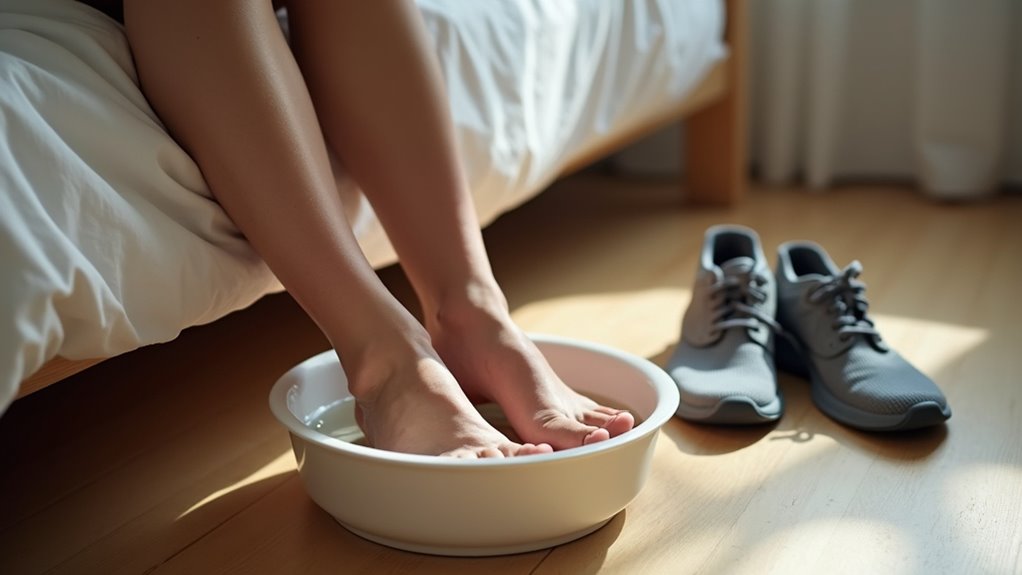
Athlete’s foot can be annoying. Symptoms that last over two weeks need attention. It’s best to see a dermatologist.
Watch for signs of infection too. Look for swelling or pus. These can be serious. Early action is key. It helps prevent complications.
Treating it early can also speed up recovery. Don’t wait too long to get help. Your health is important.
Persistent Symptoms
Symptoms of athlete’s foot can be persistent. Take action if they don’t improve. After two weeks of using antifungal medications, see a dermatologist. This is crucial for people with diabetes, as complications can arise.
Watch for these signs:
- Increased redness or pain
- Worsening rash or spread of infection
- Symptoms that don’t improve
- Signs of swelling or pus
Keep track of your symptoms. Early action helps prevent complications and stops the infection from spreading.
A personalized treatment plan can help you recover and reduce the risk of worsening athlete’s foot. Take care of your feet.
Signs of Infection
Recognizing signs of infection is vital for your health. With athlete’s foot, watch for swelling, pus, or fever. These are clear signs you need a doctor.
If your symptoms last or worsen after two weeks of antifungal treatment, seek help. People with diabetes should be extra careful. They face higher risks of foot infections. Early treatment can make a big difference.
Notice increased itchiness or pain? Rash spreading? It’s time to see a professional. A dermatologist can help treat your infection. They’ll also guide you on preventing future infections.
Stay healthy and take action when needed!
Frequently Asked Questions
Can Diet Impact the Likelihood of Developing Athlete’s Foot?
Your diet plays a role in getting athlete’s foot. Eating a lot of sugar can help fungus grow. This can increase your risk of infection. Foods high in antioxidants are better. They can help your body fight off infections. Probiotics also boost your immune system. These are found in yogurt and some fermented foods. A balanced diet helps keep you healthy. Staying healthy lowers your chance of athlete’s foot. So, watch what you eat. Make sure to include plenty of fruits, vegetables, and healthy foods in your meals. This will help you stay strong and protect against infections.
Are Certain Sports More Likely to Cause Athlete’s Foot?
Sports can lead to athlete’s foot. Some sports make this infection more likely. Sports that use shared spaces increase your risk. Think about gyms, locker rooms, and swimming pools. These places can have fungus on the floor.
Tight shoes can also cause problems. They trap moisture and create a warm place for fungus. Running, soccer, and basketball players often wear tight shoes. This raises their chances of getting athlete’s foot.
Take care of your feet. Keep them clean and dry. Wear sandals in shared spaces. Change socks often, especially after sweating. Protect your feet from this unwelcome guest!
Can Athlete’s Foot Spread to Other Parts of the Body?
Athlete’s foot can spread to other parts of your body. Scratching the infected area lets the fungus move to new spots. This can cause conditions like jock itch. Good hygiene is very important. Wash your feet often and dry them well. Wear clean socks and shoes too. Keeping everything clean helps stop the spread of the fungus.
Is Athlete’s Foot Contagious Through Direct Contact?
Athlete’s foot is contagious through direct contact. About 15% of people will get it at some point. This infection spreads easily in places like locker rooms and pools. Sharing personal items, like towels or shoes, can also spread the fungus.
To stay safe, wash your feet regularly. Keep your feet dry, especially between the toes. Wear sandals in public showers or pools. Avoid sharing things that touch your feet. Practicing good hygiene helps keep athlete’s foot away.
How Often Should I Change My Socks to Prevent Athlete’s Foot?
Change your socks every day. Do it more often if they get damp. Sweating or being in a humid place? Change them several times a day. This keeps your feet dry. Keeping your feet dry helps prevent athlete’s foot. Remember, clean and dry socks are important for foot health. Take care of your feet to avoid problems later.
Conclusion
Keeping your feet healthy is important. Think of your feet like a garden. Water it, remove weeds, and wear the right shoes. Good foot hygiene helps prevent athlete’s foot. Wash your feet daily and dry them well, especially between the toes. Wear breathable socks and change them regularly.
Choosing the right shoes matters too. Pick comfortable shoes that fit well. Avoid tight shoes that can cause problems.
Be careful in shared spaces like pools and gyms. Wear flip-flops or water shoes to protect your feet.
Notice any signs of athlete’s foot? Redness, itching, or peeling skin can be symptoms. Seek help from a doctor if you see these signs.
With these steps, you can have healthy feet. Enjoy a future free from foot problems!