
Shoe Sole Types Explained
This post contains affiliate links. As an Amazon Associate, we earn from qualifying purchases.
Choosing the right shoe sole type is crucial for ensuring both comfort and safety. Leather soles provide a classic aesthetic but can be slippery, while rubber soles offer excellent grip and durability, making them perfect for everyday use. Foam soles are lightweight and shock-absorbing, although they may retain heat. Combination soles blend leather and rubber, balancing style with longevity. For those interested in a more comprehensive understanding of each sole type and their specific benefits, further details will be provided later in the article.
Essential Facts in 30 Seconds
- Leather soles: Classic look, slippery on wet surfaces, require maintenance.
- Rubber soles: Excellent grip, durable, comfortable, ideal for daily wear.
- Foam soles: Lightweight, shock-absorbing, enhance comfort, may trap heat.
- Combination soles: Merge leather and rubber for aesthetic appeal and durability.
- Specialty soles (EVA, PU): Focus on lightweight comfort and shock absorption, enhance foot support.
Overview of Shoe Sole Types
Choosing the right shoe soles is important for comfort and safety. There are many types of soles, each with its own use.
Leather soles are stylish and strong. They can be slippery on wet surfaces. You often see single and double leather soles in dress shoes.
Rubber soles, like Dainite and crepe, provide excellent grip. They last long and work well in different conditions.
Combination soles mix leather and rubber. They offer a good mix of style and practicality.
Specialty soles like EVA and PU are lightweight. They give great comfort and absorb shock. These soles are perfect for sports and everyday activities. Additionally, sole choice affects performance on rugged terrains, making it essential to select the right type for your specific activities.
Knowing these types helps you pick the best soles for your needs.
Leather Soles
Leather soles are a great choice for quality shoes. They mix style with practicality. Made from tanned animal hide, they give a classic look and allow your feet to breathe.
Single leather soles have two layers of leather. They get more comfortable as you wear them. Be careful; they can be slippery when wet.
Double leather soles offer added durability. They’ve two layers for extra insulation. These are perfect for casual shoes and boots, but they may feel stiff at first.
HAF soles combine both types. They’ve double layers in the front for durability and a neater look at the back.
To keep your leather soles in good shape, do regular maintenance. Clean them with a damp cloth. Use leather conditioner to help them last longer.
This way, your leather shoes can serve you well for many years.
Rubber Soles
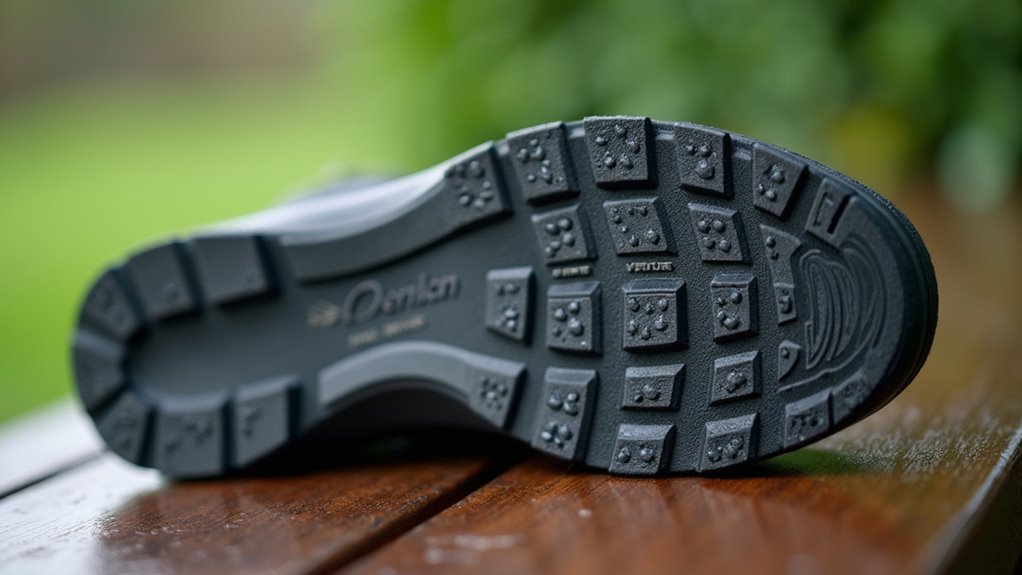
Rubber soles are a top choice for many shoes. They provide excellent durability and traction.
Different designs exist, like Dainite soles for better grip. York soles work well in wet conditions.
Rubber soles shine in comfort and performance. They outlast leather, especially in cities and outdoor areas. Many people prefer them for daily wear.
Their flexibility helps with movement. Rubber soles can handle tough weather too. They keep feet dry and safe.
Choose rubber soles for reliable footwear.
Types of Rubber Soles
The right rubber sole can improve your footwear experience. Here are some common rubber sole types to consider:
| Sole Type | Description |
|---|---|
| Crepe | Lightweight and flexible, but not very slip-resistant. |
| Nitrile Cork | A mix of cork and nitrile rubber for comfort. |
| Dainite | Has recessed lugs for grip without added bulk. |
| Commando | Thick lugs provide great traction. Common in military and hiking shoes. |
| Synthetic Rubber | Strong and weather-resistant. Works on different terrains. |
Each type of sole offers different levels of grip and comfort. Understanding these options helps you select the best fit for your shoes and needs. Choose wisely for better comfort and safety.
Benefits of Rubber Soles
Rubber soles offer many benefits for footwear. They provide excellent grip on slippery surfaces.
Here are three important advantages:
- Durability: Rubber soles are strong. They handle rough terrains well, making them ideal for outdoor activities.
- Shock Absorption: These soles cushion your feet and joints. This comfort allows for longer wear without pain.
- Water-Resistant: Rubber keeps your feet dry. It stops water from getting in, even on rainy days.
Cleaning rubber soles is simple. Just wipe them down with a damp cloth. Use a rubber protectant from time to time for best results.
Considerations for Rubber Soles
Before choosing rubber soles for your shoes, think about some key points. Rubber soles are tough and provide great grip. They work well in rainy weather. On the downside, they can hold moisture. This makes them less breathable than leather soles.
Here’s a quick look at rubber soles:
| Feature | Rubber Soles |
|---|---|
| Durability | High |
| Traction | Excellent for many surfaces |
| Maintenance | Easy to clean with a cloth |
Different rubber soles, like Dainite and Commando, have special benefits. Always check the quality from brands. This affects grip and how well the soles perform. Choose wisely for your needs.
Foam Soles
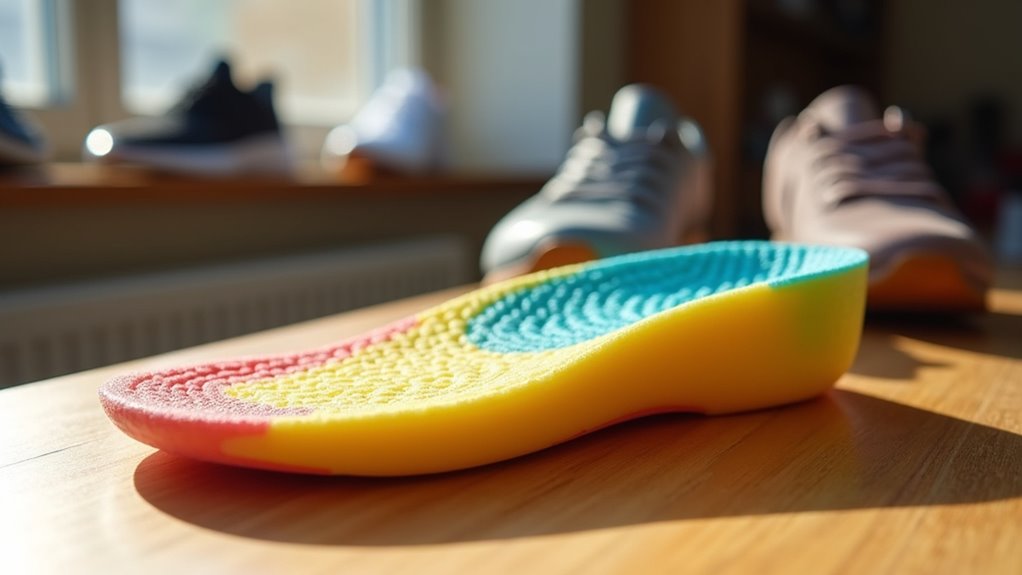
Foam soles are a smart choice for comfort and support in shoes. They’re lightweight and absorb shock well. This makes them ideal for walking.
Here are three main benefits of foam soles:
- Comfort: Foam soles cushion your feet and reduce joint strain.
- Memory Foam: Some types mold to your foot shape for better arch support.
- Easy to Clean: Foam soles are usually simpler to clean than other materials.
Be aware that foam soles can trap heat and moisture. This might make your feet feel hot and sweaty in warm weather.
They also wear out quicker than rubber soles. So, you may need to replace them more often.
Combination Soles
Combination soles offer the best of both worlds. They combine the strength of rubber with the style of leather.
This mix makes shoes durable and fashionable. You can wear them for any event. They enhance your performance while keeping you looking sharp.
Enjoy the comfort and support they provide. Perfect for any occasion, combination soles are a smart choice.
Stylish and tough, they meet all your needs. Choose combination soles for great quality and a trendy look.
Durability and Performance
Combination soles are a great option for your shoes. They mix leather and rubber to boost durability and grip.
Here are three main benefits of combination soles:
- Better Grip: The rubber part gives you more traction. It also works well in wet weather.
- Longer Lifespan: Leather looks good and lasts longer. Rubber protects high-wear areas.
- Versatile Style: These soles match many styles, from dressy to casual. They perform well in different conditions.
Choose combination soles for reliable durability and performance in your footwear.
Aesthetic Appeal
Shoe soles are important for both comfort and style. Combination soles mix materials like leather and rubber. This mix creates a stylish look without losing function. The leather gives an elegant touch. Rubber adds grip and protects against the weather.
You can wear these shoes for formal events or casual outings. They fit many styles and tastes. Different materials bring unique textures and finishes. This makes your shoes stand out.
Combination soles provide a great mix of durability and style for any occasion.
Specialized Sole Types

Specialized sole types are important for how shoes perform and feel. Each type has its own benefits for different activities. Here are three sole types to know:
- Crepe Rubber Soles: Made from natural latex, these soles feel soft and bouncy. They’re lightweight and great for casual wear. Be careful; they can slip on wet surfaces.
- TPU Soles: These soles are made from Thermoplastic Polyurethane. They’re flexible and resist wear. TPU soles return energy and provide comfort. They’re perfect for performance shoes.
- Commando Soles: These soles have thick lugs and a tough design. They offer great grip and resist weather. Commando soles are excellent for work boots and hiking on rough paths.
Knowing these sole types helps you pick the right shoes. Good footwear gives you the support and traction you need for any adventure.
Frequently Asked Questions
How Do I Choose the Right Sole for My Foot Type?
Choosing the right sole depends on your foot type. First, check your arch height. Flat feet need more support. High arches may require more cushioning.
Next, think about what activities you’ll do. Running shoes should have good shock absorption. Hiking shoes need strong traction.
Weather matters too. Waterproof soles work well for rainy days. Breathable soles are better for hot weather.
Fit is key. The sole should feel comfortable and snug. Also, consider how the shoe looks. Style can be important too.
Finding the right sole makes a big difference in comfort. Take your time to find the best option for you.
Can Shoe Soles Be Replaced or Repaired?
You can replace or repair shoe soles easily. This process can make your shoes last longer. It keeps them comfortable and stylish. Regular maintenance is smart. It saves you money too. Repairing shoes is often cheaper than buying new ones. Don’t wait to fix your shoes!
What Is the Lifespan of Different Shoe Sole Types?
Leather soles usually last between 6 to 12 months. Rubber soles are more durable, lasting from 1 to 3 years. EVA soles typically last around 6 to 12 months as well. PU soles offer a longer lifespan, lasting 2 to 5 years. Specialty soles usually hold up for 1 to 3 years. Each type of sole has its own strengths and weaknesses. It’s important to choose the right one for your needs. Knowing how long each type lasts helps in making the best choice.
Are There Eco-Friendly Options for Shoe Soles?
Using recycled rubber for shoe soles can cut landfill waste by 70%. Eco-friendly options are available. Natural rubber, cork, and bio-based EVA are great choices. These materials help the environment by reducing waste and pollution. Natural rubber comes from rubber trees. Cork is a renewable resource from cork oak trees. Bio-based EVA is made from plants, not petroleum. Choosing these materials means making a positive impact on our planet. Let’s support eco-friendly footwear for a cleaner future.
How Do I Clean and Maintain Shoe Soles Effectively?
Cleaning and maintaining shoe soles is easy. First, wipe them with a damp cloth. This removes dirt and grime. Avoid using excessive heat, as it can damage the material.
Use the right cleaners for your shoes. Different materials need different care. Check your soles often for dirt buildup. The sooner you clean them, the better.
Regular care can help your shoes last longer. A little effort goes a long way. Keep your shoes looking fresh and new with these simple tips!
Conclusion
Different shoe sole types can help you make the right choice. Leather, rubber, and foam each have unique benefits. Think about where you will wear your shoes the most. Match the sole type to your activities to find better comfort.
Leather soles are durable and stylish. They work well for formal events. Rubber soles offer great traction. They are perfect for everyday walking and outdoor activities. Foam soles provide excellent cushioning. They are ideal for sports and running.
A good sole impacts how you feel on your feet. Choose wisely to stay comfortable and supported. Enjoy your time on your feet with the right shoe sole.