
Running Shoes Vs Sneakers
This post contains affiliate links. As an Amazon Associate, we earn from qualifying purchases.
Running shoes are specifically designed for high-impact activities, providing advanced cushioning and support to help prevent injuries during running and sports. In contrast, sneakers prioritize everyday comfort and style, making them suitable for casual wear. Running shoes typically range from $70 to $250, while sneakers usually cost between $40 and $200. For those interested, further details and explanations about the distinctions between these types of footwear will follow in the article.
Essential Facts in 30 Seconds
- Running shoes prioritize performance and injury prevention; sneakers emphasize casual comfort and style.
- Running shoes have advanced cushioning and support; sneakers offer moderate cushioning for everyday use.
- The sole patterns of running shoes are complex for better grip; sneakers usually have simpler, flatter soles.
- Price range for running shoes is typically $70 to over $250; sneakers cost between $40 and $200.
- Running shoes are ideal for high-impact activities; sneakers are suited for light activities and casual outings.
Understanding Footwear Terminology
Footwear plays an important role in our daily lives. Understanding the difference between sneakers and running shoes helps you make the right choice.
Running shoes are built for performance. They focus on cushioning and support. This design helps you run better and reduces the chance of injury.
Sneakers, on the other hand, are made for everyday use. They offer comfort and style for casual activities. Sneakers usually have flat soles and less cushioning. They work well for light physical activities but not for serious running.
Running shoes have special features. They often use advanced foams and engineered mesh. These materials improve stability and traction. Serious runners need these designs. They help keep you safe during high-impact activities. Additionally, the right sneaker choice can enhance your overall workout experience and prevent injuries.
Knowing these differences helps you pick the right footwear. Whether you’re running on the pavement or just relaxing, choose wisely. Your feet will thank you!
The Design and Construction of Sneakers and Running Shoes
Understanding how sneakers and running shoes are made helps you pick the right pair. Here are some important differences:
1. Materials: Running shoes use advanced Materials like mesh and lightweight foams. They provide special support.
Sneakers often use synthetic materials, canvas, or leather for a casual look.
2. Cushioning: Running shoes have advanced Cushioning and shock absorption.
Sneakers have moderate cushioning for everyday use.
3. Arch Support: Running shoes support different foot types.
This helps prevent injuries. Sneakers focus more on style than support.
4. Sole Design: Running shoes have complex sole patterns for better grip.
Sneakers usually have simpler, flatter soles.
Choosing the right shoe makes a big difference in comfort and performance.
Functionality and Purpose of Sneakers Vs Running Shoes

Sneakers and running shoes have different roles in your life.
Running shoes are made for serious athletes. They’ve special cushioning to protect your feet during high-impact activities. This helps lower the risk of injuries and boosts your performance on tracks or trails. Their outsoles grip well on different surfaces, making them great for runners.
Sneakers, on the other hand, are for everyday wear. They’re comfy and stylish, perfect for casual activities. Sneakers have moderate cushioning that works well for light exercise. Their flatter soles suit smooth surfaces, making them easy to match with various outfits.
While running shoes focus on performance, sneakers offer a mix of comfort and fashion. Knowing these differences helps you pick the right shoes for your lifestyle.
Comfort and Fit: Sneakers Vs Running Shoes
Finding the right shoes can make a big difference in comfort and performance.
Running shoes and sneakers serve different purposes. Here are some important points to consider:
- Cushioning: Running shoes have extra cushioning for high-impact activities. Sneakers provide less cushioning for everyday wear.
- Support: Running shoes offer specific support for various foot types. This helps prevent injuries. Sneakers focus more on style than support.
- Flexibility: Sneakers fit loosely and flexibly, perfect for daily use. Running shoes fit snugly to keep your feet stable while running.
- Breathability: Running shoes use materials that allow air flow. This helps keep your feet dry during long runs. Sneakers may not always prioritize breathability.
Choose wisely to ensure comfort and fit for your needs.
Price Comparison: Sneakers and Running Shoes
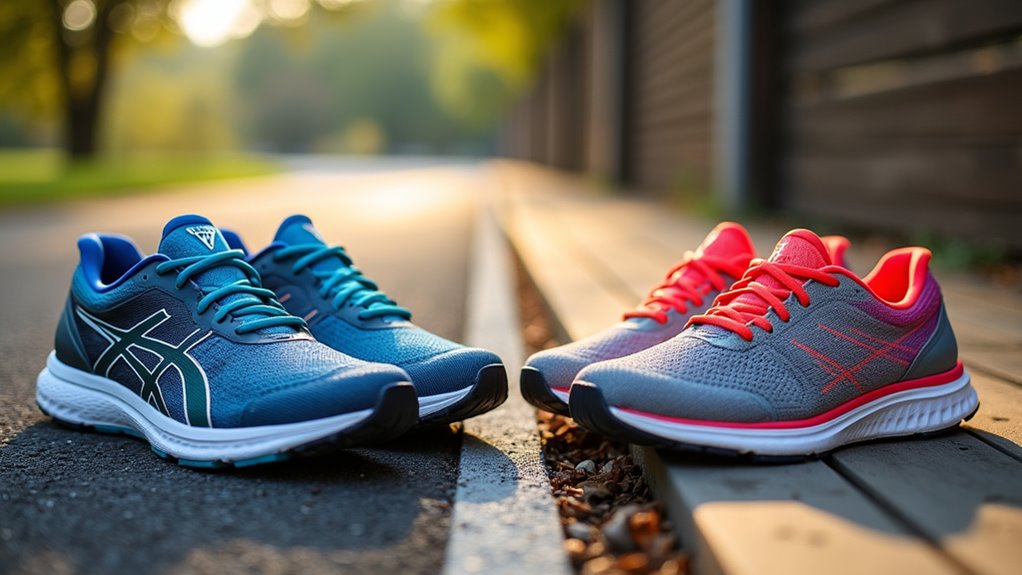
Running shoes often cost more than sneakers. Prices for running shoes start at $70 and can go over $250. Sneakers usually cost between $50 and $200.
Buying good running shoes is smart. They help prevent injuries. They also provide better comfort for your feet.
Investing in quality pays off in the long run. Save money by staying injury-free and active.
Price Range Overview
Understanding the prices of running shoes and sneakers helps you make smart choices. Here’s what you need to know:
- Running Shoes: Expect to pay between $70 and over $250. Prices depend on how long they last and their special features.
- Sneakers: These usually cost between $40 and $200, making them easier on your wallet.
- Brand Reputation: Well-known brands often charge more. Their prices reflect quality and technology.
- Seasonal Sales: Look for discounts during new model releases. You can save a lot of money.
Buying good running shoes can help prevent injuries. This makes them a good investment for serious runners.
Pick the right shoes based on your needs and budget!
Factors Influencing Costs
Running shoes and sneakers have different costs based on various factors.
Running shoes often cost more. They use advanced technology that offers better cushioning and stability. Well-known brands usually charge higher prices. They spend a lot on research and development.
The design of running shoes also affects their price. These shoes use quality materials, like lightweight foams. On the other hand, sneakers might use cheaper materials.
Seasonal sales can help you find better prices. Discounts can make high-quality running shoes more affordable. Older models often get marked down to make space for new ones.
Look for these deals to save money while still getting good shoes.
Value for Money
Running shoes and sneakers provide different value for your money. Here’s a simple price breakdown:
- Running Shoes: Prices range from $70 to over $250.
- Sneakers: Prices usually fall between $30 and $150.
- Advanced Cushioning: Running shoes focus on comfort and performance. This drives up their cost.
- Value Options: Check for seasonal sales. You can find older models at lower prices.
Think about your budget and the features you need.
Read online reviews to spot good options. Understanding the differences helps you make smart choices.
Whether you buy running shoes or sneakers, knowing these details matters.
Choosing the Right Shoe for Your Needs
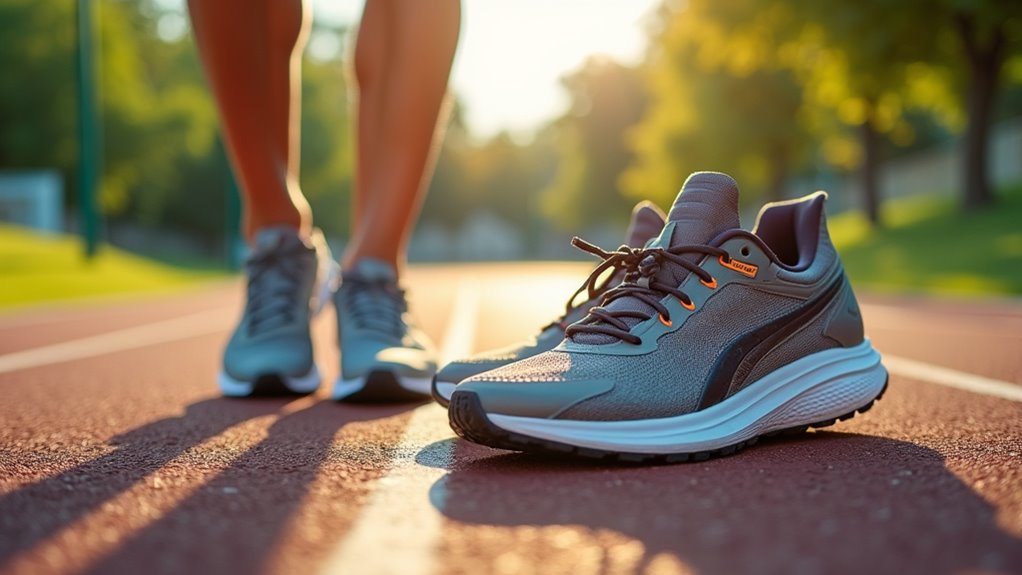
Choosing the right shoe is important.
Think about your activities. For running, select shoes that fit your foot type. They should have good cushioning for comfort.
For casual outings, choose stylish sneakers. They should feel comfortable and match different outfits easily.
Comfort and support matter in every shoe choice. Additionally, understanding your foot type can help you select the best arch support for your specific needs.
Assess Your Activities
Choosing the right shoe is important for your activities. Start by thinking about what you do most. Here’s a simple guide to help you:
- Running vs. Casual: For regular running or high-impact sports, running shoes are best. They provide better support and cushioning. Sneakers work well for light activities.
- Foot Type: Know your foot type. Running shoes offer arch support. This helps with overpronation or underpronation. Sneakers give basic support.
- Surfaces: Running shoes have good traction for different terrains. Sneakers are great for smooth surfaces.
- Frequency of Use: Running shoes can last 300 to 500 miles. Sneakers wear out faster.
Additionally, consider how your foot type and support needs can influence your choice between flat-soled sneakers and cushioned options.
Think about these points to find the best shoe for your needs. Happy shoe shopping!
Consider Foot Mechanics
Understanding foot mechanics is key to finding the right shoe.
Running shoes and sneakers serve different purposes. Running shoes offer special support and cushioning. They fit different foot types and walking styles. These shoes help absorb shock when your foot hits the ground. The force can be three times your body weight! Good cushioning helps prevent injuries like shin splints and knee pain. Additionally, selecting shoes based on your specific foot type can enhance comfort and performance.
Sneakers, on the other hand, provide basic comfort for everyday wear. They lack the advanced support needed for running.
Knowing your foot mechanics helps you pick the best shoe. This choice keeps you active and safe while running. Make the right choice to boost your performance!
Frequently Asked Questions
Can I Use Running Shoes for Daily Casual Wear?
Running shoes are great for daily casual wear. They provide comfort and support for walking or standing all day. Their cool designs can match many outfits. You can wear them with jeans, shorts, or even dresses. Many people love this style because it feels good and looks good. Plus, running shoes help keep your feet healthy. They reduce stress on your feet and joints. So, feel free to wear them anytime you want. They are a smart choice for comfort and style!
How Often Should I Replace My Running Shoes?
Replace your running shoes every 300 to 500 miles. This helps keep your feet safe and comfortable. Look for signs of wear. Check the soles and the upper part of the shoe. If you feel pain or discomfort while running, it’s time for new shoes.
Keep track of your miles. A running app or a simple notebook can help. Regular checks on your shoes can prevent injuries. Don’t wait until they fall apart. Good shoes mean better runs and happier feet!
Do Running Shoes Help With Overpronation?
Running shoes made for overpronation offer important support. They help keep your foot stable and stop it from rolling inward too much. This can make running feel more comfortable and help you run more efficiently. Choosing the right shoes is key if overpronation is a problem for you. Many brands create shoes specifically for this issue, and they can make a big difference in your running experience.
Are There Specific Brands Recommended for Wide Feet?
Many brands make great shoes for wide feet. New Balance, Brooks, ASICS, and Hoka One One stand out. They focus on comfort and support. Look for sizes marked “2E” or “4E”. These sizes help ensure a better fit. Each brand has unique styles. Try on different models to find the best feel. Your feet deserve the right care. Enjoy walking or running with the right shoes!
Can Sneakers Be Used for Running Short Distances?
Sneakers can be used for short runs. They offer comfort and support for quick jogs. Many people find them suitable for distances up to a mile or two. However, they may not provide enough cushioning for longer runs. Running shoes are designed specifically for this activity. They help prevent injuries and improve performance.
For short distances, check the fit and feel of your sneakers. A good fit can make a big difference. If your sneakers are comfortable, they can work well for quick runs. Just remember, for longer distances, investing in running shoes is a smart choice. They are built for support and durability. Comfort matters, but so does safety.
Conclusion
Understanding the differences between running shoes and sneakers is important. Each type of shoe has a specific purpose. Running shoes are designed for long-distance running. They offer support and cushioning for your feet. Sneakers, on the other hand, are great for casual wear and light activities.
Think about your needs. Do you want comfort for exercise or style for hanging out? The right shoe can improve your experience. Consider factors like comfort, fit, and price before you buy. A good pair of shoes helps you stay active and feel good. Invest in the right pair. Your feet will appreciate it!