
Cotton Vs Wool Socks Comparison
This post contains affiliate links. As an Amazon Associate, we earn from qualifying purchases.
When choosing between cotton and wool socks, wool is generally the better option for performance and durability. While cotton socks are soft and breathable, making them suitable for everyday wear, they tend to absorb moisture, which can lead to blisters during high-intensity activities. On the other hand, Merino wool socks excel in moisture-wicking and temperature regulation, keeping your feet warm in cold conditions and dry during workouts. Although cotton socks wear out more quickly, wool provides superior longevity and value. For those interested in a more in-depth comparison and additional details, further explanation will follow in the article.
Essential Facts in 30 Seconds
- Cotton socks are soft and breathable, ideal for warm weather wear.
- Wool socks, particularly Merino wool, excel in moisture-wicking and temperature regulation.
- Cotton absorbs moisture, increasing the risk of blisters during intense activities; wool keeps feet dry and odor-free.
- Merino wool socks are more durable than cotton, offering long-term savings despite a higher initial cost.
- Thicker wool socks provide insulation for outdoor and cold weather, while cotton is better for casual indoor use.
Overview of Sock Materials
Choosing the right socks means knowing the materials they’re made from.
Cotton socks use natural fibers from plants. They’re lightweight and breathable, perfect for daily use. But cotton doesn’t keep you warm when wet. This can cause discomfort.
Wool socks, especially Merino wool, are very soft and durable. They work well in cold weather and during outdoor activities. Wool keeps you warm even if it gets damp. Additionally, Merino wool socks offer temperature regulation to prevent overheating and ensure comfort during various activities.
Moisture-wicking is also important. This feature helps keep your feet dry. Look for socks that regulate temperature well. Some brands mix cotton and wool for better comfort. Blends help with moisture management too.
Understanding these differences helps you pick the best socks for your needs.
Whether you choose cotton or wool, make sure they fit your activities and comfort preferences.
Advantages and Disadvantages of Cotton and Wool Socks
Understanding cotton and wool socks helps you make a smart choice for your feet.
Cotton socks feel soft and breathable. They’re comfy for everyday wear. But cotton absorbs moisture. This can cause blisters during intense activities.
On the other hand, merino wool socks offer great moisture-wicking. They keep your feet dry and reduce odor. Wool also helps regulate temperature. This means you can wear them in both hot and cold weather.
Durability is another important factor. Cotton socks wear out quickly. High-quality merino wool socks last much longer.
Cotton socks may be cheaper at first. But merino wool can save you money over time due to its durability.
Both materials are gentle on the skin. Merino wool is less likely to itch. This makes it a better choice for those with skin issues.
Think about your needs to find the best socks for your foot health.
Choosing the Right Socks for Different Activities and Seasons

Choosing the right socks for different activities and seasons is important.
For daily wear, cotton socks are a great choice. They’re light and breathable. Your feet will feel comfortable in warm weather.
For gym workouts or sports, merino wool socks are best. They pull moisture away and fight odors. This keeps your feet dry and fresh.
Hiking or outdoor activities require thicker merino wool socks. These socks provide insulation and cushioning. They help prevent blisters during long walks.
In cold weather, heavyweight wool socks offer warmth. They keep your feet cozy, even when damp. These socks are perfect for winter sports.
For office settings, opt for thin cotton dress socks. They look stylish and keep you comfortable.
Knowing the differences between cotton and wool is key. Sock choice impacts comfort based on your needs for each activity and season. Your feet will thank you!
Specialty Socks and Other Materials
Socks serve many purposes. Specialty socks can boost comfort and performance for different activities. Here are some popular types:
- Compression Socks: These help blood flow and reduce swelling. They work well for athletes and travelers. They are particularly beneficial for improved blood circulation during long hours of standing or sitting.
- Toe Socks: They keep your toes separated. This reduces friction and helps prevent blisters. Great for running and yoga.
- Bamboo Socks: Soft and breathable, these socks are eco-friendly. They’re hypoallergenic, perfect for sensitive skin.
Silk socks feel luxurious and are great for formal events.
Synthetic blends offer good moisture control and are durable. They come at a lower price too.
For cold weather, thermal or heated socks provide extra warmth.
With so many options, you can easily find the right pair for your needs.
Care and Longevity of Socks
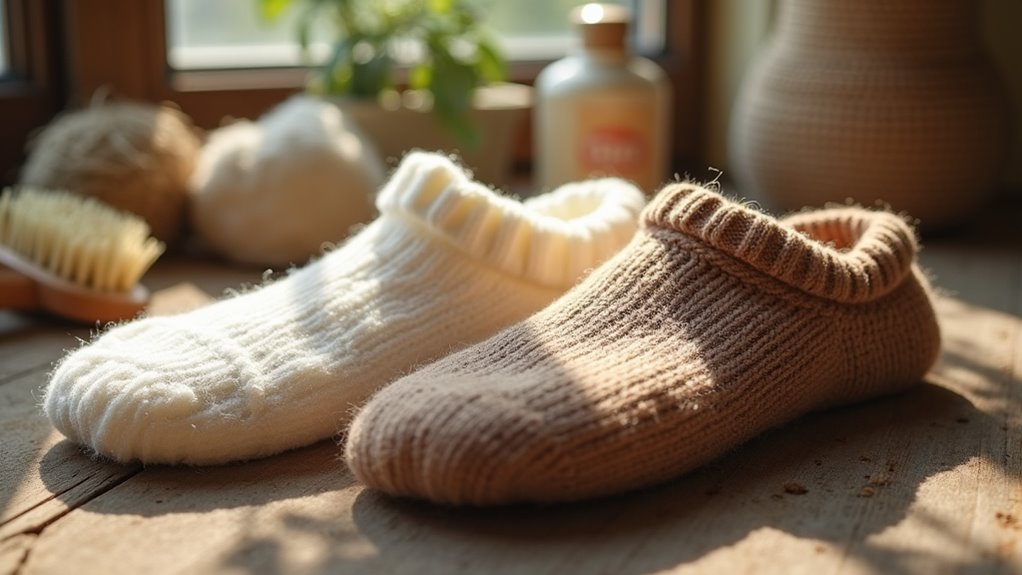
Taking care of your socks helps them last longer and stay nice. For cotton socks, wash them in cold water. Wool socks need gentle washing and should air-dry to keep their shape. Quality Merino wool socks can last for years with good care. Cotton socks may wear out and get holes faster.
Store your socks in pairs to keep them together. Use organizers to keep them tidy.
Avoid common mistakes. Don’t wash wool socks in hot water. Never use fabric softeners. They can hurt the fibers and ruin the socks. Proper sock fit is also essential to prevent damage and ensure longevity.
Following these tips will make your socks last longer, whether they’re cotton or wool.
Cotton Vs Wool Socks: Final Verdict
Choosing between cotton and wool socks comes down to their specific benefits. Let’s compare them.
1. Humidity-Wicking & Comfort: Merino wool keeps your feet dry. It wicks away moisture and regulates temperature.
Cotton absorbs sweat, which can lead to discomfort and blisters.
2. Durability & Lifespan: Wool socks can bend around 20,000 times before breaking.
Cotton only lasts about 3,000 bends. So, Merino wool socks last much longer and save you money.
3. Odor Resistance & Environmental Impact: Wool naturally resists odors.
It’s also more sustainable than cotton, which needs a lot of resources to produce.
In the cotton versus wool debate, Merino wool stands out.
It offers better comfort, durability, and less impact on the environment.
Cotton may seem cheaper upfront but can end up costing you more in the long run.
Frequently Asked Questions
Can Merino Wool Socks Be Worn in Warm Weather?
Merino wool socks are great for warm weather. They help keep your feet dry and comfortable. These socks pull moisture away from your skin. They also regulate temperature well. That means your feet stay cool during hot days.
Merino wool is breathable. This allows air to flow, preventing sweat buildup. You can wear them for summer activities like hiking or walking. Their softness adds to the comfort, too. Many people enjoy wearing them all day without feeling hot.
Choosing merino wool socks can be smart for any season. They work well in both cold and warm weather. Give them a try and see how they feel!
Are Cotton Socks Biodegradable?
Cotton socks are biodegradable. They break down in just 1 to 5 months when conditions are right. This is much better than synthetic socks, which can last for years. Composting cotton socks makes them break down even faster. This is a simple way to be more eco-friendly. Choosing cotton socks helps the planet. They are a great choice for those who want to reduce waste.
How Do Sock Thickness and Material Affect Fit?
Sock thickness and material play a big role in how well they fit. Thicker socks give you extra cushioning and warmth. They feel snug and cozy. On the other hand, thinner socks can feel a bit loose. They are great for keeping your feet dry during activities.
Different materials also affect fit. Cotton socks are soft and breathable. Wool socks keep your feet warm and dry. Synthetic materials often wick away sweat. This keeps your feet comfortable.
Finding the right sock for your needs is important. Think about the activities you do most. Choose socks that match those activities. A good fit helps prevent blisters and discomfort. Keep your feet happy with the right socks!
Do Wool Socks Cause Itching or Discomfort?
Wearing Merino wool socks feels great. They are soft and smooth against your skin. These socks do not itch or cause irritation. They help keep your feet dry by wicking away moisture. This makes them comfortable to wear all day long. Many people love Merino wool for its warmth without being too hot. They fit well and are perfect for any activity. Enjoy the comfort of Merino wool socks without worry!
Can I Wear Cotton Socks for Athletic Activities?
Wearing cotton socks for athletic activities is possible, but not the best choice. Cotton absorbs sweat and holds moisture. This can cause discomfort and lead to blisters.
For better performance, choose moisture-wicking socks instead. These socks keep your feet dry and comfortable. They help prevent blisters and keep you focused on your game.
Conclusion
Choosing between cotton and wool socks can be simple. Cotton socks are best for warm days and casual wear. They are soft and comfortable. Wool socks shine in cold weather. They keep your feet warm and dry. Wool also fights bad smells. Think about your activities and the weather. For comfort, pick cotton. For warmth and moisture-wicking, go for wool. Each type has its strengths. Make your choice based on what you need. Your next adventure could depend on it!