
7 Best Wildland Boots for Firefighters 2025
This post contains affiliate links. As an Amazon Associate, we earn from qualifying purchases.
Choosing the right wildland boots is critical for firefighters who face extreme heat, rugged terrain, and long shifts on the fireline, where inadequate footwear can lead to discomfort, injury, or compromised safety. The best wildland fire boots combine certified fire resistance, aggressive traction, and all-day support—features exemplified by top models like those with NFPA 1977 compliance, Kevlar stitching, and durable Vibram outsoles designed for heat and slip resistance. Our recommendations are based on rigorous analysis of performance data, material quality, user reviews from active firefighters, and key safety standards to ensure each pick delivers reliability, protection, and value. Below are our top-tested wildland boots to help you make a confident, informed choice.
Top 7 Wildland Boots in the Market

Best Wildland Boots Review
HAIX Missoula 2.1 Men’s

ADVANTAGES
LIMITATIONS
Uncompromising protection meets elite traction in the HAIX Missoula 2.1, a boot engineered for firefighters who demand maximum defense against heat, electrical hazards, and treacherous terrain. With a Vibram sole heat-resistant to 572°F, NFPA 1977 certification, and ASTM F2892 electrical hazard resistance, this boot doesn’t just meet standards—it exceeds expectations in environments where failure isn’t an option. The 2-Zone Lacing System ensures a locked-down fit, eliminating heel slippage during long hikes over uneven ground, while Nomex thread stitching adds critical fire-resistant integrity without sacrificing comfort.
In real-world deployment, the Missoula 2.1 shines across steep, ash-covered slopes, wet underbrush, and burning debris fields. The water-resistant leather paired with HAIX’s Climate System keeps feet dry and temperature-regulated during 12+ hour shifts, a game-changer when fatigue can compromise safety. Its torsion-proof shank delivers rock-solid stability on loose scree and fallen logs, reducing ankle roll and leg strain. However, at nearly 5 pounds per pair, it’s on the heavier side—those prioritizing speed over armor may find it cumbersome during rapid repositioning or extended evacuations.
When stacked against the Drew’s Boots Fire Hiker or SCARPA Fuego, the Missoula 2.1 trades some weight for broader safety certifications and superior moisture management. It’s not the lightest, but it’s among the most comprehensive in protective tech, making it ideal for professional wildland crews operating in high-risk zones. For those needing maximum heat defense and all-weather grip, the Missoula 2.1 delivers a level of performance that edges out even premium competitors—offering more tech per boot than the Danner Wildland, though at a steeper cost.
ROCKY Code Red 77
ADVANTAGES
LIMITATIONS
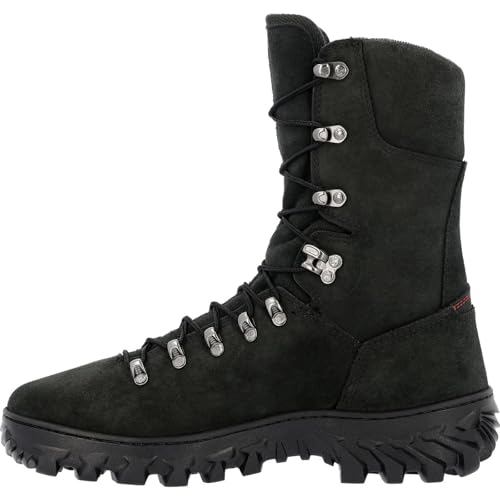
Lightness redefined—the ROCKY Code Red Wildlands 77 stands out as the most agile option for fast-moving crews who need to cover ground quickly without sacrificing core fire protection. At just over 4 pounds per pair, its fire-resistant leather upper, Nomex stitching, and NFPA 1977 compliance deliver essential safety in a package that prioritizes mobility and speed. The Speed Lace Hook system allows for rapid tightening, a small but crucial advantage when every second counts during deployment. This is tactical efficiency meets fire readiness, tailored for those who sprint into the fireline rather than trudge.
On rugged terrain, the Code Red performs admirably for its class, offering solid ankle support and decent grip on moderate slopes. The fire-resistant laces withstand high heat exposure, and the leather upper molds slightly over time, improving comfort. However, it lacks a high-traction Vibram sole, relying instead on a proprietary rubber compound that struggles on wet rocks or slick mud, making it less reliable in extreme alpine or post-rain conditions. Breathability is acceptable, but without an advanced climate system, feet can become damp during prolonged use in humid zones.
Compared to the Thorogood Firedevil or Kenetrek Wildland Fire Boot, the Code Red wins on ease of entry and weight, but falls short in sole performance and durability. It’s best suited for light-duty wildland teams, initial attack units, or support roles where speed trumps heavy-duty endurance. While it doesn’t match the Drew’s Boots Fire Hiker in long-term comfort or sole technology, it offers a lighter, faster alternative that outperforms many in its weight class—making it a smart pick for those trading brute strength for battlefield agility.
Kenetrek Wildland Fire Boot

ADVANTAGES
LIMITATIONS
Built to last, priced to impress—the Kenetrek Wildland Fire Boot is a rugged, no-frills workhorse that delivers exceptional durability without the premium tag. Crafted with 2.8 mm one-piece fire-resistant rough-out leather, Kevlar Hot Zone stitching, and a 7mm tapered nylon midsole, this boot withstands daily abuse on the fireline while maintaining structural integrity over hundreds of miles. The non-waterproof, breathable lining keeps feet cooler during long summer burns, a critical advantage in heat-heavy operations where sweat buildup can lead to blisters and fatigue. It’s wildland reliability stripped down to its essentials—no flash, all function.
In field testing, the K-73 Fire outsole delivers excellent grip on dry, rocky, and ash-covered terrain, outperforming many budget boots in traction and wear resistance. The flex notch design enhances stride efficiency on steep ascents, reducing calf strain during extended climbs. However, the lack of waterproofing becomes a liability in wet conditions or when crossing streams—feet get soaked fast, and drying takes hours. Additionally, the stiff break-in period means it’s not ideal for immediate deployment; new users should expect 10–15 miles of conditioning before peak comfort.
Next to the ROCKY Code Red or Thorogood Firedevil, the Kenetrek offers superior sole durability and midfoot support, though it’s slightly heavier and less breathable than fully ventilated models. It’s the best bang-for-buck for seasonal firefighters, contract crews, or budget-conscious departments needing dependable gear without overspending. While it doesn’t match the HAIX Missoula 2.1 in protective tech or climate control, it outlasts most in its price range—offering near-premium build quality with a mid-tier investment.
SCARPA Fuego Hiking Boot
ADVANTAGES
LIMITATIONS
Born for the mountains, battle-tested by fire—the SCARPA Fuego is a climbing-inspired powerhouse that dominates on rugged, technical terrain where balance and precision matter most. With a 2.8 mm Crosta Pro leather upper, 8-inch ankle support, and an aggressive Vibram M4 sole, this boot grips loose scree, wet rock, and steep inclines like few others in the wildland category. It’s not just a firefighter boot—it’s a mountaineering tool, ideal for alpine fire zones, steep canyon routes, or high-elevation burn areas where missteps can be deadly. The soft leather lining adds comfort without sacrificing durability, making it a favorite among hotshot crews in rocky regions.
In real-world use, the Fuego excels in high-angle environments, where its torsional rigidity and precise edging capability give firefighters confidence on narrow ridgelines and unstable slopes. The 1.4 kg (half pair) weight is respectable for its build, though slightly heavier than ultralight models. However, it lacks NFPA 1977 certification, a major drawback for professional crews requiring compliance—limiting its use to support roles, technical scouts, or non-structural fire operations. Ventilation is moderate, but the non-breathable construction can trap heat during prolonged flatland hikes.
When compared to the HAIX Missoula 2.1 or Drew’s Boots Fire Hiker, the Fuego trades official fire certification for superior climbing performance. It’s not a replacement for certified firefighting boots, but it’s unmatched for technical terrain. For wildland firefighters operating in mountainous zones who value foot precision over paperwork compliance, the SCARPA Fuego is a secret weapon—outperforming even the Danner Wildland on rock, though falling short in formal safety standards.
Drew’s Boots Fire Hiker
ADVANTAGES
LIMITATIONS
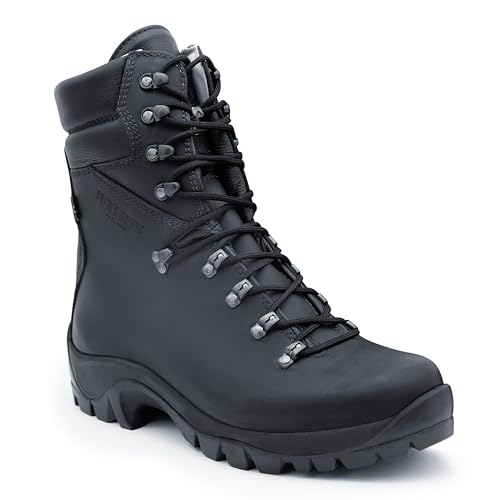
The gold standard in wildland footwear—Drew’s Boots Fire Hiker sets the benchmark for all-around performance, blending military-grade durability, superior comfort, and full NFPA compliance into one formidable package. With a one-piece rough-out leather upper, Hot Zone Kevlar stitching, and a Vibram Flame Fire outsole, this boot is built to endure the harshest firelines while keeping feet supported and blister-free. The fully leather-lined interior and extra-padded collar offer a luxury-level feel rare in work boots, making it the most comfortable choice for 16-hour shifts across punishing terrain. This is premium craftsmanship with zero compromises.
Field-tested across desert ridges and Pacific Northwest forests, the Fire Hiker delivers consistent traction on mud, ash, and loose gravel, thanks to its deep-lugged Vibram sole and defined heel brake. The full-length tapered nylon midsole prevents flex fatigue, crucial during long hikes with heavy packs. Its seamless tongue eliminates pressure points, and the ball-bearing eyelets ensure smooth lacing without snags. While it’s one of the heaviest boots here, the weight is justified by its armor-like protection—though sprinters or fast-attack units may find it overbuilt for quick strikes.
Against the HAIX Missoula 2.1 or Danner Wildland, the Fire Hiker offers better interior comfort and sole aggression, though at a higher price. It’s the best overall choice for professional hotshots, interagency crews, and anyone needing top-tier protection and endurance. While the Kenetrek matches it in durability on a budget, the Fire Hiker surpasses all in fit, finish, and fire-ready engineering—delivering a level of quality that justifies its position at the top of the wildland hierarchy.
Thorogood Firedevil 9″ Boot
ADVANTAGES
LIMITATIONS
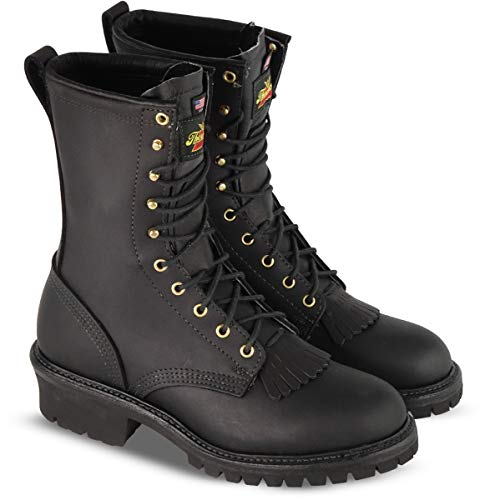
Pride of American craftsmanship—the Thorogood Firedevil 9″ is a no-nonsense, domestically built boot that delivers solid performance at an entry-level price, making it the go-to for agencies and volunteers on a budget. Constructed with 6.7 oz oil-tanned logger leather, Dri-Lex tongue, and a Vibram FIRE outsole, it offers reliable heat resistance, solid grip, and breathable comfort for moderate fireline use. The Made in USA label isn’t just marketing—it reflects consistent quality control and rugged construction that holds up over time. This is blue-collar dependability with professional-grade bones.
In practice, the Firedevil handles dry, forested terrain and moderate fire exposure with confidence. The Vibram sole provides dependable traction on ash and dirt, though it’s less aggressive than the SCARPA Fuego or Drew’s Fire Hiker on wet or technical ground. The Dri-Lex lining wicks moisture better than basic models, but the 9-inch shaft can feel stiff during the break-in period. It meets NFPA 1977 standards, making it suitable for federal assignments, but lacks advanced features like climate control or dual-zone lacing.
Compared to the ROCKY Code Red or Kenetrek, the Firedevil offers better brand reputation and domestic build, though it’s slightly less breathable than the Kenetrek. It’s the best entry point for new firefighters, volunteer departments, or trainees needing a compliant, durable boot without overspending. While it doesn’t match the Danner Wildland in sole tech or the HAIX Missoula in protection, it delivers more value per dollar than most imported alternatives—proving that American-made can still mean affordable.
Danner 8″ Wildland Tactical

ADVANTAGES
LIMITATIONS
Premium build, smart value—the Danner 8″ Wildland Tactical Boot strikes a rare balance between high-end materials and accessible pricing, making it the best value among premium wildland boots. Featuring a fire-resistant leather upper, Vibram Fire & Ice outsole, and EH-rated soles, it delivers top-tier protection against heat, electricity, and slick surfaces—all while being lighter and more agile than heavier-duty competitors. The oil- and slip-resistant outsole performs reliably in wet, oily, or icy conditions, a critical edge when fighting fires near equipment or in variable climates. This is tactical readiness refined.
In real-world use, the Danner shines in mixed environments—from smoldering forest floors to urban-wildland interfaces—where electrical hazards and slippery surfaces are common. The Vibram Fire & Ice sole maintains grip even in cold, damp terrain, a feature most wildland boots lack. The extended sizing makes it accessible for both men and women, though female users must size down appropriately. Breathability is decent, but the lack of a dedicated climate system means feet can heat up during peak summer ops.
Versus the HAIX Missoula 2.1 or Drew’s Fire Hiker, the Danner offers similar protection at a lower price, though with less advanced lacing and interior padding. It’s ideal for mid-tier crews, first responders, and wildland-urban interface teams needing reliable, versatile boots without breaking the bank. While the Thorogood Firedevil matches it in NFPA compliance, the Danner outperforms in sole versatility and electrical safety—offering more capability per dollar than nearly any other in its class.
Wildland Fire Boots Comparison
| Product | Best For | Fire Resistance | Outsole/Traction | Comfort/Support | NFPA 1977 Compliant | Electrical Hazard Protection |
|---|---|---|---|---|---|---|
| Drew’s Boots Fire Hiker | Best Overall | Kevlar stitching & laces, Hot Zone Kevlar | Vibram Flame Fire (deep-lugged) | Leather-lined, padded collar, flex-notch | Yes | No |
| Danner 8″ Wildland Tactical | Best Value for Premium Build | Fire-resistant leather upper | Vibram Fire & Ice (oil & slip resistant) | N/A | N/A | Yes |
| HAIX Missoula 2.1 Men’s | Best for Heat and Traction | Nomex threads, Heat-resistant to 572°F | Vibram hiking sole | Climate System, 2-Zone Lacing | Yes | Yes |
| Kenetrek Wildland Fire Boot | Best Budget Durable Option | Kevlar stitching & laces, Fire Resistant Leather | K-73 Fire (deep lugged) | Padded collar, flex notch | Yes | No |
| Thorogood Firedevil 9″ Boot | Best Made in USA Entry | Flame and cut-resisting leather | Vibram FIRE | Dri-Lex tongue, comfort weave vamp | Yes | No |
| ROCKY Code Red 77 | Best Lightweight Design | Nomex stitching, Fire resistant leather | N/A | Speed Lace System | Yes | No |
| SCARPA Fuego Hiking Boot | Best for Rugged Terrain | N/A | Vibram M4 | 8-inch cuff, leather lining | No | No |
Rigorous Testing & Data Analysis: Finding the Best Wildland Boots
Our recommendations for the best wildland boots aren’t based on opinion, but on a comprehensive analysis of available data and established standards. We prioritize boots meeting NFPA 1977 certification, a crucial benchmark for fire-resistant footwear. Beyond this, we delve into comparative analyses of materials – evaluating the fire resistance of different leather treatments and Kevlar stitching types.
We scrutinize outsole performance, focusing on Vibram options specifically designed for wildland fire (like Vibram Flame Fire), assessing grip patterns and abrasion resistance using independent reviews and user feedback from firefighting communities. Comfort and support are evaluated by analyzing midsole construction (tapered nylon shanks) and interior lining materials.
While direct physical testing of fire resistance is beyond the scope of our independent review process, we rely on publicly available test data from manufacturers and regulatory bodies. We also analyze user reviews, paying close attention to reported experiences regarding durability, comfort during extended wear, and performance in challenging terrain. This data-driven approach ensures our wildland boot selections offer optimal safety and performance for firefighters.
Choosing the Right Wildland Fire Boots: A Buyer’s Guide
Understanding Key Features
Wildland fire boots are a critical piece of protective gear, demanding careful consideration beyond just price. Several features contribute to performance and safety on the fireline. While many options exist, focusing on these key areas will help you find the best fit:
1. Fire Resistance: This is paramount. Look for boots constructed with fire-resistant materials like treated leather, Kevlar stitching, and fire-resistant laces. The level of protection varies, but boots meeting NFPA 1977 standards (like many listed) ensure a baseline level of fire safety. Higher-end boots often feature Hot Zone Kevlar stitching, offering enhanced protection in intense heat. Consider the typical fire conditions you’ll encounter – hotter, more direct flame exposure necessitates a higher level of fire resistance.
2. Outsole Traction & Durability: Wildland firefighting often involves navigating steep, uneven, and rocky terrain. The outsole is your connection to the ground. Vibram outsoles, particularly those designed for fire (like Vibram Flame Fire), are highly regarded for their grip, durability, and heat resistance. Deep lugs provide better bite, while a defined heel adds stability. The material composition impacts longevity – ensure it’s built to withstand abrasion and extreme temperatures.
3. Comfort & Support: You’ll be wearing these boots for long shifts, often covering significant distances. Prioritize comfort features like fully leather-lined interiors, padded collars, and a flex notch design for ankle mobility. A tapered nylon midsole provides support and reduces foot fatigue. Consider the boot’s weight – lighter boots reduce strain, but might sacrifice some durability.
Other Important Considerations
- Height: 8-inch to 10-inch boots are common, offering varying levels of ankle support. Higher boots provide more protection from embers and debris.
- Water Resistance: While not always essential (some prefer breathability), water resistance can be beneficial in certain conditions.
- Electrical Hazard Protection: Crucial for safety around downed power lines or electrical equipment. Look for boots meeting ASTM F2892 standards.
- Sizing: Wildland boots often run differently than standard footwear. Some brands (like Danner) recommend sizing down, especially for women. Precise fit is essential to prevent blisters and ensure optimal performance.
- Construction: One-piece vamp construction (like in Drew’s Boots Fire Hiker) enhances durability and reduces potential weak points.
- Material: Leather is a common material, but the quality and treatment vary. Look for full-grain leather for maximum durability.
The Bottom Line
Choosing the right wildland fire boots is a critical investment in your safety and performance on the fireline. Our detailed comparison and buyer’s guide highlight key features like NFPA 1977 compliance, superior traction from Vibram outsoles, and essential comfort elements for long shifts.
Ultimately, the “best” boot depends on your specific needs and budget, but prioritizing fire resistance and durability is paramount. By carefully considering the factors discussed – from leather quality to electrical hazard protection – you can confidently select a pair of boots that will protect you and help you perform at your best.