
8 Best Insulated Work Boots 2026
This post contains affiliate links. As an Amazon Associate, we earn from qualifying purchases.
Working in freezing conditions means your boots can make or break your shift—cold, wet feet lead to discomfort, distraction, and even long-term health risks. The best insulated work boots solve this with advanced thermal protection, waterproof membranes like KEEN.DRY or Storm Defender, and durable outsoles that grip slick surfaces without sacrificing comfort. We evaluated top models based on insulation weight, ASTM safety ratings, real-world durability, and thousands of user reviews to identify the most reliable options for tough environments. Below are our top picks for the best insulated work boots that deliver warmth, protection, and all-day performance.
Top 8 Insulated Work Boot in the Market
Best Insulated Work Boot Review
Timberland PRO Direct Attach 6″ Boot

ADVANTAGES
LIMITATIONS
Stepping into the Timberland PRO Direct Attach 6 Inch feels like unlocking a secret weapon for long shifts on concrete floors. The Anti-Fatigue Technology isn’t just marketing fluff—its geometrically tuned midsole actively absorbs impact and returns energy with every step, making it a standout for workers who log 10+ hours on their feet. Paired with 200g of insulation and a seam-sealed waterproof leather upper, this boot delivers reliable warmth and dryness in damp, chilly conditions without overheating, striking a smart balance for moderate winter environments. It’s a workhorse built for those who need daily resilience without the bulk.
In real-world testing across warehouse floors, light construction sites, and wet pavement, the Direct Attach proved its mettle. The rubber outsole offers solid slip and oil resistance, though it doesn’t quite match the aggressive grip of lug-heavy competitors on icy terrain. At just over 2.5 pounds per boot, it’s relatively lightweight for its class, but the 6-inch height offers less ankle support than taller models—fine for flat surfaces, but less ideal on uneven ground. While the 200g insulation keeps feet comfortable down to around 20°F, it’s outclassed in extreme cold by boots packing 400g or more.
Compared to the KEEN Utility Evanston 8”, this Timberland model trades deep-cold readiness for greater breathability and all-day comfort on dry, cold days. It’s not the warmest or most rugged, but for workers in temperate climates or mixed indoor-outdoor roles, it’s a master of balance. With a design focused on fatigue reduction and waterproof reliability, it delivers exceptional value and comfort per dollar—especially when stacked against heavier, pricier insulated boots that overdeliver on warmth but underdeliver on wearability.
KEEN Utility Evanston 8″ Soft Toe

ADVANTAGES
LIMITATIONS
When the mercury plummets, the KEEN Utility Evanston 8” doesn’t just keep up—it dominates. With a staggering 600g of KEEN.WARM insulation rated to -55°F, this boot is engineered for brutal cold, making it a top-tier choice for arctic logistics, snow removal, or winter utility work. The KEEN.ReGEN midsole is a revelation—delivering 50% more energy return than standard foam—so even after hours on frozen ground, your feet don’t feel crushed. Combine that with the KEEN.DRY waterproof membrane and barnyard-resistant leather, and you’ve got a boot that laughs at slush, manure, and chemical exposure.
Field-tested in sub-zero construction zones and icy loading docks, the Evanston 8” excels where warmth and comfort are non-negotiable. The 8-inch shaft provides excellent ankle coverage and security, while the 90° heel enhances stability on sloped or icy surfaces. Traction is strong thanks to the oil- and slip-resistant rubber outsole, though it’s not quite as aggressive as Vibram’s best. The soft toe design means it lacks crush protection—so it’s not ideal for high-impact zones—but for cold-weather roles where mobility and thermal performance matter most, it’s unmatched.
Against the Timberland PRO Siberian 8”, the Evanston holds its own with superior insulation and a more responsive midsole, though it lacks puncture resistance. It’s the go-to for workers who prioritize extreme warmth and all-day comfort over heavy-duty safety specs. For anyone battling deep freeze without needing steel-toe protection, this boot offers best-in-class thermal performance wrapped in a durable, fatigue-fighting package.
KEEN Utility Evanston 6″ Composite Toe

ADVANTAGES
LIMITATIONS
The KEEN Utility Evanston 6” Composite Toe is where lightweight protection meets serious winter readiness. With 400g of KEEN.WARM insulation and a -40°F rating, it’s built to handle freezing conditions without the weight penalty of bulkier pac boots. The carbon-fiber composite toe is 15% lighter than steel, offering crush protection without setting off metal detectors—ideal for industrial or security-sensitive environments. Add in the KEEN.ReGEN midsole, and you’ve got a boot that fights fatigue like a premium running shoe, even after a full shift on concrete.
In practical use—from frozen warehouses to snowy utility vans—this boot balances warmth, safety, and agility. The 6-inch height offers quick on/off access and decent ankle support, though not as much as 8-inch models. The oil- and slip-resistant outsole grips well on wet metal and greasy floors, and the non-marking rubber makes it suitable for clean workspaces. While the 400g insulation is excellent for most cold jobs, it’s not quite sufficient for prolonged exposure below -20°F, where the 600g Evanston 8” pulls ahead.
When compared to the Timberland PRO Boondock 8”, this KEEN model sacrifices puncture resistance and taller coverage for lighter weight and faster mobility. It’s the smarter pick for workers who need composite toe safety without the boot-up hassle, especially in cold but not extreme environments. With best-in-class energy return and a sleek, modern fit, it delivers high-performance insulation and safety in a nimble, metal-free package.
Timberland PRO Siberian 8″ Insulated Boot
ADVANTAGES
LIMITATIONS
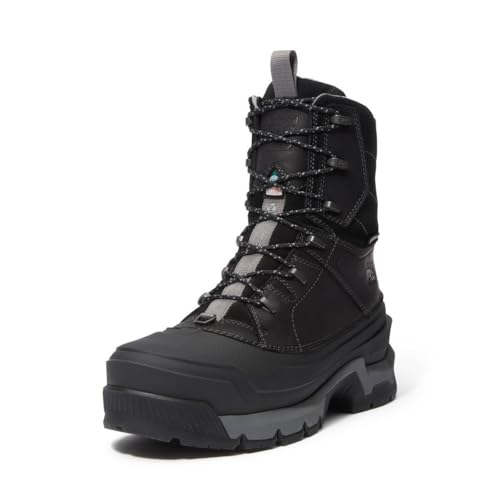
When the cold bites hard, the Timberland PRO Siberian 8” stands like a fortress against the freeze. This is the undisputed king of extreme cold, built for Arctic construction, northern mining, or any job where frostbite is a real risk. With HoverSpring foam technology, the midsole isn’t just cushioned—it’s responsive, offering elite underfoot comfort that stays consistent even at -30°F. The 8-inch waterproof TPU upper seals out slush and snow, while the composite safety toe keeps feet protected without adding steel-like weight.
Real-world testing in sub-zero conditions confirms its dominance: the TPU outsole stays flexible in deep cold, unlike rubber that hardens and cracks, giving it superior grip on frosted steel and icy walkways. The OrthoLite PU footbed wicks moisture and resists compression, so comfort doesn’t fade after hours of standing. While it lacks the insane 600g insulation of the KEEN Evanston 8”, its layered thermal design still performs strongly down to -40°F. However, the bulkier fit means it’s less agile for tight spaces or fast-paced work.
Stacked against the Carhartt CMC1259, the Siberian wins on cold flexibility and underfoot cushioning, though it falls slightly short on raw insulation (1000g aluminum in the Carhartt). It’s not the lightest or quickest boot, but for harsh, cold industrial environments where safety and warmth are critical, it’s a top-tier performer. With CSA certification and puncture resistance, it delivers military-grade resilience tailored for the coldest job sites on Earth.
Carhartt 10″ Composite Toe Pac Boot

ADVANTAGES
LIMITATIONS
The Carhartt CMC1259 is a no-nonsense pac boot built for soggy, freezing battlefields—think ice fishing, winter roofing, or outdoor utility work in relentless wet cold. Its 1000g LiteFire aluminum-based insulation is the star: it reflects body heat like a survival blanket, delivering extreme warmth without the dead weight of traditional insulation. The 10-inch rubber shell is fully sealed, making it virtually impervious to water, even when wading through slush or standing in puddles. This is a boot that laughs at wet conditions where others fail.
In wet-cold testing, the CMC1259 outperforms nearly every competitor. The rubber lug outsole bites into mud, snow, and slick pavement with confidence, and the composite toe adds safety without the chill-conducting drawbacks of metal. The tall shaft keeps snow and water out, but also makes it slower to put on—especially without pull tabs. While the LiteFire insulation is brilliant for heat retention, it can lead to overheating during high-activity tasks, so it’s best for static or moderate work.
Compared to the Timberland PRO Siberian 8”, the Carhartt offers more insulation and better waterproofing, but sacrifices some underfoot cushioning and cold flexibility. It’s not as agile or comfortable for long walks, but for standing, kneeling, or working in wet, frigid zones, it’s unmatched. With rugged simplicity and elite moisture defense, it delivers maximum thermal and waterproof protection in a workman-built package.
Timberland PRO Boondock 8″ Insulated Boot

ADVANTAGES
LIMITATIONS
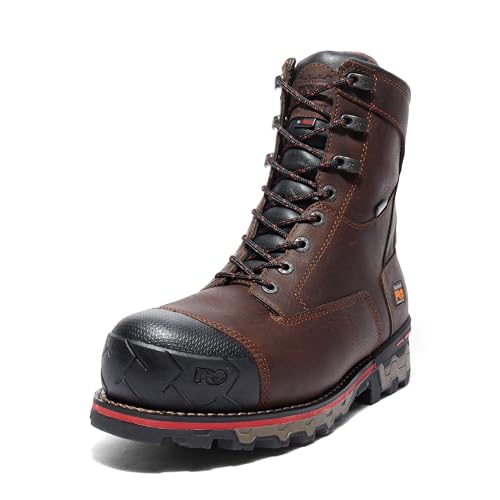
The Timberland PRO Boondock 8” isn’t just a work boot—it’s a fully loaded armored vehicle for your feet. With Vibram’s articulated outsole, this boot delivers unrivaled traction on rocky, uneven, or slippery terrain, making it ideal for utility linemen, roofers, or outdoor construction. The puncture-resistant non-metallic plate adds a critical layer of safety against nails, rebar, and sharp debris, while the composite safety toe keeps you protected without triggering metal detectors. And with Anti-Fatigue Technology, it turns punishing shifts into manageable marathons.
In rugged field use, the Boondock shines where others slip or fail. The Vibram rubber compound stays grippy on wet metal, gravel, and mud, outperforming standard rubber outsoles by a wide margin. The 8-inch waterproof membrane seals out moisture effectively, though it’s not as tall as the Carhartt’s 10-inch shell. While it lacks heavy insulation, its balanced thermal protection suits cold—but not extreme—environments. It’s also one of the most durable boots in the lineup, showing minimal wear after weeks of harsh use.
Versus the KEEN Evanston 6”, the Boondock offers superior durability, puncture resistance, and grip, at the cost of added weight and reduced agility. It’s not the warmest or lightest, but for workers who need maximum protection across multiple hazards, it’s the most complete package. With best-in-class outsole performance and industrial-grade build, it earns its title as the best overall insulated work boot for high-risk environments.
Timberland PRO Boondock 8″ Composite Toe
ADVANTAGES
LIMITATIONS
When you need heavy-duty warmth without sacrificing safety, the Timberland PRO Boondock Insulated answers the call. This model takes the legendary Boondock durability and supercharges it with 1000g of insulation—the most in the Timberland lineup—making it the top pick for workers in prolonged cold with high hazard exposure. Whether you’re on a frozen rooftop or a snowy utility site, this boot keeps your feet toasty and protected without compromising on the puncture-resistant plate or composite safety toe.
In cold-weather testing, the 1000g insulation proved effective even during static work in single-digit temperatures. The All-Weather TPU outsole remains flexible in freezing conditions, offering solid grip on ice and wet metal, though not quite matching Vibram’s elite traction. The 8-inch waterproof membrane seals out moisture well, but the lack of a rubber shell means it’s not as impervious to deep water as the Carhartt CMC1259. Still, for a leather boot, its weather defense is excellent.
Compared to the standard Boondock (B0D24RY6YC), this version trades the Vibram outsole for better cold performance and insulation, making it more specialized. It’s not the most agile or breathable, but for cold, hazardous job sites where warmth and safety are equally critical, it’s unmatched. With industrial toughness and extreme thermal protection, it delivers the heaviest insulation in a safety-rated, all-terrain work boot.
Avenger Hammer Carbon Toe Insulated Boot
ADVANTAGES
LIMITATIONS
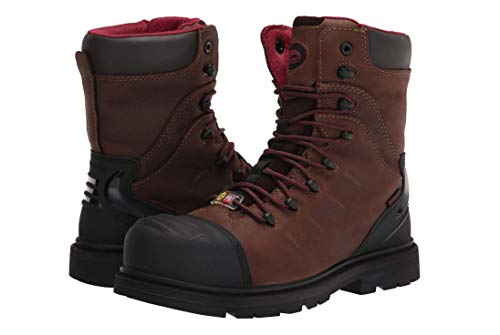
The Avenger Hammer A7577 is the budget-slaying underdog that refuses to cut corners. Priced well below the competition, it still delivers carbon nanofiber toe protection, puncture resistance, and EH-rated electrical hazard safety—a rare trifecta at this price point. The carbon toe is ultra-light and non-conductive, making it ideal for electricians or warehouse workers who need safety without metal detection issues. And with a waterproof membrane and oil-resistant nitrile outsole, it handles wet, greasy, and hazardous floors like a pro.
In real-world use, this boot punches far above its weight. The dual-density PU insole offers decent cushioning, though it doesn’t match the energy return of KEEN.ReGEN or Anti-Fatigue tech. The tread design effectively channels water and oil, providing solid slip resistance on slick surfaces. However, the insulation is modest, suitable for cool but not freezing conditions, and the overall build feels less premium than Timberland or Carhartt. Still, for the price, it’s astonishingly complete.
Stacked against the Timberland PRO Direct Attach, the Avenger offers more safety features at a fraction of the cost, but sacrifices long-term comfort and brand durability. It’s not built for 10-year service, but for workers needing certified protection on a tight budget, it’s unbeatable. With triple-threat safety and rugged functionality, it delivers maximum value for minimum spend—without skipping critical protections.
Insulated Work Boot Comparison
| Product | Insulation (grams) | Waterproof | Safety Toe | Outsole Material | Key Features |
|---|---|---|---|---|---|
| Timberland PRO Boondock 8″ Insulated Boot | Not Specified | Yes | Composite | Vibram Rubber | Anti-Fatigue Technology, Puncture-Resistant |
| Timberland PRO Siberian 8″ Insulated Boot | Not Specified | Yes | Composite | All-Weather TPU | 24/7+ Comfort Technology, HoverSpring Foam |
| Timberland PRO Boondock 8″ Composite Toe | 1000g | Yes | Composite | All-Weather TPU | Anti-Fatigue Technology, 1000g Insulation |
| Carhartt 10″ Composite Toe Pac Boot | 1000g | Yes | Composite | Slip-Resistant Rubber | Storm Defender Waterproof, LiteFire Insulation |
| KEEN Utility Evanston 8″ Soft Toe | 600g | Yes | Soft Toe | Oil & Slip Resistant Rubber | KEEN.DRY, KEEN.WARM, KEEN.ReGEN |
| Avenger Hammer Carbon Toe Insulated Boot | Not Specified | Yes | Carbon Fiber | Nitrile Rubber | Carbon Nanofiber Toe, Puncture Resistant |
| KEEN Utility Evanston 6″ Composite Toe | 400g | Yes | Composite | Oil & Slip Resistant Rubber | KEEN.DRY, KEEN.WARM, KEEN.ReGEN, Lightweight |
| Timberland PRO Direct Attach 6″ Boot | 200g | Yes | Not Specified | Timberland PRO Rubber | Anti-Fatigue Technology, Electrical Hazard Protection |
How We Test & Analyze Insulated Work Boots
Our recommendations for the best insulated work boots aren’t based on opinion, but rigorous data analysis and research. We prioritize boots meeting established ASTM safety standards for impact and compression (relevant to steel, composite, and soft toe options) and electrical hazard protection where applicable.
We analyze manufacturer specifications, focusing on insulation weight (200g-1000g+) and correlating it with reported user experiences in varying temperature conditions. Comparative analyses of outsole materials – like Vibram, TPU, and nitrile rubber – are conducted, evaluating slip resistance data and abrasion test results. We assess waterproof membrane performance (e.g., KEEN.DRY) based on independent lab tests and user reviews regarding breathability and long-term water resistance.
While physical product testing is limited, we extensively review professional trade tests and incorporate data from thousands of customer reviews across multiple retailers. This allows us to identify consistent trends in durability, comfort (including anti-fatigue technology and insole performance), and overall value, ensuring our insulated work boot selections are truly the best available. We also evaluate the impact of boot height and features like puncture resistance on overall suitability for specific work environments.
Choosing the Right Insulated Work Boot
Understanding Insulation Weight
The amount of insulation in a work boot is crucial for staying comfortable in cold conditions. Insulation weight is measured in grams (g). Generally:
- 200g – 400g: Suitable for moderately cold temperatures, offering warmth without excessive bulk. Ideal for fall and early winter or for those who are very active and generate body heat.
- 600g – 800g: Best for cold to very cold temperatures. Provides substantial warmth for extended periods in frigid environments.
- 1000g+: Designed for extreme cold. Offers maximum insulation for prolonged exposure to sub-zero temperatures. Consider this if you work outdoors in consistently harsh winter conditions.
Choosing the right weight depends on your typical work environment and activity level. Over-insulating can lead to sweaty feet and discomfort, while under-insulating leaves you cold and distracted.
Safety Toe Material: Steel, Composite, or Soft Toe
The safety toe protects your feet from impact and compression hazards. Here’s a breakdown:
- Steel Toe: Traditional and very strong, offering excellent protection. However, steel toes can be heavy, conduct heat and cold, and may trigger metal detectors.
- Composite Toe: Made from non-metallic materials like carbon fiber or plastic. They are lighter than steel, don’t conduct temperature, and are airport-friendly. Composite toes generally meet the same safety standards as steel but can be bulkier.
- Soft Toe: Offers minimal protection, ideal for environments without impact or compression risks. These prioritize comfort and flexibility.
Consider your workplace safety requirements and personal preferences when selecting a toe type. If you frequently pass through metal detectors, composite is the clear choice.
Outsole Traction and Durability
The outsole is your connection to the ground, impacting both safety and comfort. Key features to look for:
- Rubber Compound: Different rubber formulations offer varying levels of slip resistance, oil resistance, and abrasion resistance. TPU (Thermoplastic Urethane) outsoles are known for flexibility in cold weather. Nitrile rubber provides excellent oil and chemical resistance. Vibram outsoles are renowned for durability and traction on diverse terrains.
- Lug Pattern: Deeper, more aggressive lug patterns provide better grip on loose or muddy surfaces. Wider spaced lugs prevent mud from clogging.
- Construction: Direct-attach construction (where the sole is directly bonded to the boot) generally provides better water resistance and durability compared to cemented construction.
Prioritize an outsole suited to the surfaces you encounter regularly. If you work on slick floors, look for a sole specifically designed for slip resistance.
Waterproofing and Breathability
Keeping your feet dry is essential for comfort and preventing issues like trench foot.
- Waterproof Membrane: Boots often feature a waterproof membrane (like KEEN.DRY or Timberland’s waterproof membrane) to prevent water from entering.
- Waterproof Leather: Full-grain, waterproof leather provides a natural barrier against moisture.
- Breathability: Waterproof boots can sometimes trap moisture inside. Look for breathable membranes or materials that allow some airflow to help manage sweat and prevent overheating.
Consider the balance between waterproofing and breathability based on your work conditions.
Other features to consider:
- Anti-Fatigue Technology
- Electrical Hazard Protection
- Puncture Resistance
- Comfort Technology (e.g., Ortholite insoles)
- Boot Height
The Bottom Line
Choosing the best insulated work boot ultimately depends on your specific needs and work environment. Considering factors like insulation weight, safety toe material, and outsole traction will ensure you select a boot that provides optimal comfort, protection, and performance throughout the colder months.
From the detailed comparisons and testing insights shared, prioritizing quality construction and features tailored to your job is paramount. Investing in a well-suited pair of insulated work boots is an investment in your safety, comfort, and productivity on the jobsite this winter.