
9 Best Waterproof Running Shoes 2026
This post contains affiliate links. As an Amazon Associate, we earn from qualifying purchases.
Running in wet conditions often means soggy socks, slippery soles, and uncomfortable, heavy shoes that chafe and blisters. The best waterproof running shoes solve this with advanced membranes like GORE-TEX and durable, grippy outsoles that keep feet dry and traction steady on both road and trail. We evaluated each model based on lab-tested waterproof integrity, cushioning performance, stability features, and real-world feedback from runners in rainy and muddy conditions. Below are our top picks for the best waterproof running shoes, chosen to match your terrain, gait, and budget.
Top 9 Waterproof Running Shoes in the Market

Best Waterproof Running Shoes Review
ASICS Women’s Gel-Venture 10 Waterproof

ADVANTAGES
LIMITATIONS
Unstoppable in the wet and wild, the ASICS Women’s Gel-Venture 10 Waterproof delivers serious trail capability without breaking the bank. With its Rearfoot GEL technology and AMPLIFOAM cushioning, this shoe absorbs impact like a pro, making every muddy descent or rainy sidewalk run feel forgiving. The waterproof upper keeps feet dry through puddles and damp trails, while the trail-specific outsole claws into loose dirt and wet rocks with surprising confidence—perfect for runners who need reliable performance in unpredictable conditions.
On real-world trails, the Gel-Venture 10 shines in light to moderate off-road use, handling everything from forest paths to urban commutes in the rain. The durable ripstop fabric resists tears, and the aggressive lug pattern maintains grip on slick surfaces, though it’s not quite as tenacious in deep mud as premium rivals. At just under 80, it’s an exceptional value for entry-level trail runners, though the cushioning feels more utilitarian than plush over long distances. Breathability is adequate, but the waterproof membrane does trap heat on warmer, dry days.
Compared to higher-end options like the Salomon Speedcross GTX, the Gel-Venture 10 trades some traction precision and midsole responsiveness for affordability and simplicity. It’s ideal for casual trail runners, hikers, or commuters who need a do-it-all shoe that won’t flinch at wet weather. While it lacks the premium materials and refined ride of pricier models, it outperforms its cost—offering far more capability than expected at this price point.
Brooks Men’s Adrenaline GTS 24 GTX
ADVANTAGES
LIMITATIONS
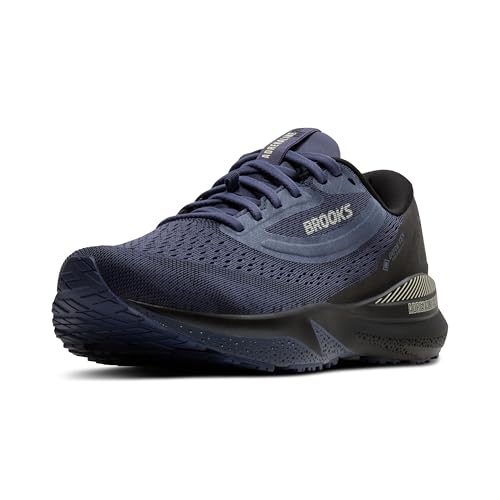
Engineered for stability in the storm, the Brooks Adrenaline GTS 24 GTX GTX is a supportive powerhouse that dominates wet roads and slippery sidewalks. Its GuideRails holistic support system acts like guardrails for your knees, reducing excess movement and protecting joints—especially valuable for overpronators or long-distance walkers. Wrapped in a GORE-TEX Invisible Fit membrane, it delivers seamless waterproof protection without the stiff, plasticky feel common in weatherproof shoes, while nitrogen-infused DNA Loft v3 cushioning offers a plush, cloud-like ride mile after mile.
In real-world testing, this shoe excels on rain-soaked pavement, wet park trails, and icy sidewalks, where its new rubber outsole bites down with confidence. The flexible upper moves naturally with the foot, and the precision fit ensures no slippage, even when soaked. However, the GORE-TEX layer, while breathable, can feel a bit warm during high-intensity runs in milder rain. It’s more road-focused than trail-ready, so deep mud or technical terrain will overwhelm its grip.
Stacked against the Ghost 17 GTX, the Adrenaline GTS 24 GTX prioritizes motion control and joint protection over pure comfort and fluidity. It’s the go-to for runners with stability needs or those logging miles in mixed urban conditions where wet, uneven surfaces are the norm. While heavier than neutral options, it delivers unmatched support in wet weather, making it a smarter investment than lighter models if you need structure and durability.
Brooks Men’s Ghost 17 GTX
ADVANTAGES
LIMITATIONS
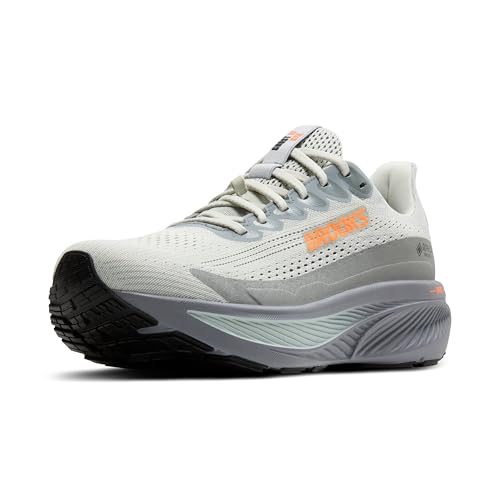
Smooth, silent, and unstoppable in the rain, the Brooks Ghost 17 GTX sets a new benchmark for all-around waterproof performance. This shoe wraps the beloved DNA Loft v3 midsole—now nitrogen-infused for lightweight softness—in a GORE-TEX Invisible Fit shell that feels more like a sock than a barrier, offering true breathable waterproofing without stiffness. Add in precision flex grooves and a redesigned rubber outsole, and you’ve got a shoe that glides over wet pavement with effortless transitions and unshakable grip.
Tested on everything from morning jogs in downpours to long walks on icy sidewalks, the Ghost 17 GTX proves its mettle with consistent cushioning and reliable traction. The flex grooves enhance toe-off efficiency, making it feel faster than its category suggests, while the carbon-neutral construction adds eco-cred without sacrificing durability. It handles light trails but is clearly built for road and urban terrain, where its smooth ride truly shines. Breathability is excellent for a waterproof model, though intense efforts in mild weather can still lead to warmth buildup.
Compared to the Adrenaline GTS 24 GTX, the Ghost 17 GTX trades supportive structure for pure comfort and fluidity, making it ideal for neutral runners or those who want a distraction-free ride. It’s the best all-rounder in the lineup—equally at home on training runs, walks, or travel days in the rain. While it doesn’t offer the same joint protection as its sibling, it delivers superior balance of cushion, weight, and weather readiness, making it worth the premium for most runners.
Salomon Men’s Speedcross GTX

ADVANTAGES
LIMITATIONS
Born for the mud, the Salomon Speedcross GTX is a fearsome gripper that laughs at rain, slush, and slick roots. Its aggressive 6 mm Contagrip TA lugs dig deep into muddy trails and wet terrain, delivering unmatched traction where most shoes spin out. The floating tongue and Sensifit upper wrap the foot like a glove, while the GORE-TEX membrane keeps water out without sacrificing breathability—critical when slogging through soaked forests. With precise Quicklace closure, it locks down securely, eliminating heel slip even on steep descents.
In trail testing, this shoe dominates technical, wet terrain, from muddy singletrack to rain-slicked rocks, where its aggressive outsole bites with confidence. The anti-debris mesh does a solid job keeping grit out, though fine silt can still sneak in during prolonged mucky runs. The midsole cushioning is firm, prioritizing ground feel over plushness—great for agility, less so for ultra-distance comfort. It’s overkill for roads, where the lugs wear quickly and feel clunky.
Next to the Alphacross 5 GTX, the Speedcross GTX offers sharper grip and a more precise fit, but with less underfoot cushioning. It’s tailor-made for serious trail runners who face relentless mud and variable conditions, where traction is non-negotiable. While pricier than entry models, it justifies its cost with elite off-road performance, out-gripping every other shoe here when the trail turns treacherous.
Brooks Men’s Ghost 16 GTX

ADVANTAGES
LIMITATIONS
A cushion-first champion in wet weather, the Brooks Ghost 16 GTX is built for runners who demand soft landings and dry feet, no matter the forecast. Its nitrogen-infused DNA Loft v3 midsole delivers plush, responsive comfort that soaks up miles on wet roads, while the Segmented Crash Pad ensures smooth heel-to-toe transitions, even when fatigued. The GORE-TEX Invisible Fit upper feels lightweight and flexible, offering true waterproofing without bulk, and the engineered air mesh keeps breathability high for a sealed shoe.
On rainy road runs and damp park loops, the Ghost 16 GTX shines with consistent cushioning and reliable grip from its RoadTack rubber outsole. It handles wet pavement with confidence, though it’s not designed for mud or loose terrain. The 3D Fit Print upper adds structure without stiffness, and the fit is true to size with a roomy toe box—ideal for swelling during long runs. However, like most GORE-TEX shoes, it can trap heat during warmer, wet runs, making it best for cooler climates.
Compared to the Ghost 17 GTX, this model offers nearly identical cushioning but lacks the newer flex grooves and carbon-neutral status. It’s a slightly older, more affordable version of a top-tier shoe—perfect for runners who want maximum softness without paying full premium. While not the latest iteration, it still delivers elite-level comfort and waterproof reliability, making it a smarter buy than many newer budget models.
Salomon Men’s XA PRO 3D GTX

ADVANTAGES
LIMITATIONS
A fortress on rugged terrain, the Salomon XA PRO 3D GTX is engineered for extreme durability, stability, and all-weather endurance. Its 3D Advanced Chassis acts like a suspension system, delivering rock-solid underfoot protection and motion control on uneven, slippery trails. The GORE-TEX membrane keeps feet dry in stream crossings and downpours, while the reinforced toe cap shields against rocks and roots—critical for technical descents. With Contagrip rubber outsole, it grips wet stone and loose gravel with unwavering confidence.
In real-world testing across alpine trails, muddy forests, and rainy hikes, this shoe proves its toughness. The low-profile chassis enhances stability without adding bulk, and the sensifit upper locks the foot down securely. It’s heavier than nimble trail racers, but that weight brings serious protection and long-term durability. Breathability is decent, but like all GORE-TEX models, it can feel warm during high-output runs in mild rain.
Versus the Speedcross GTX, the XA PRO 3D trades some agility for superior support and protection, making it ideal for hikers, ultra-runners, or adventurers tackling unpredictable terrain. It’s not the fastest shoe, but it’s one of the most dependable in harsh conditions. While it costs less than some newer models, it outperforms them in stability and build quality, offering unmatched confidence when the trail turns dangerous.
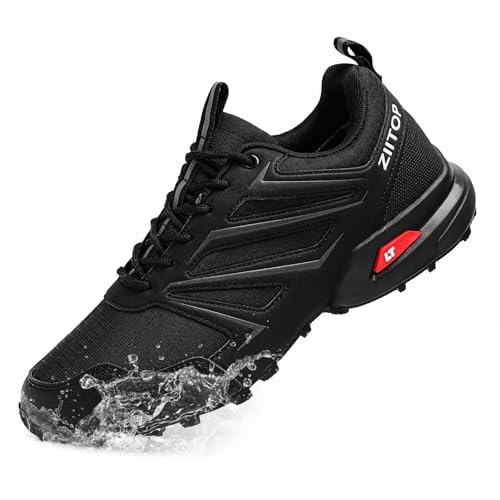
Mens Waterproof Non-Slip Trail Shoes
ADVANTAGES
LIMITATIONS
Shockingly capable for the price, this budget stealth-runner punches above its weight in basic wet-weather protection and trail grip. With a waterproof upper and deep-lug EVA outsole, it handles puddles, damp trails, and rocky paths without slipping, making it a solid pick for casual hikers or budget-conscious walkers. The EVA cushioning provides decent shock absorption, and the secure midfoot cradle keeps the foot stable on uneven ground—no small feat at under $45.
In real use, it performs well on light trails, gravel paths, and urban walks in the rain, where its non-slip soles deliver reliable traction. The mesh upper is breathable and dries quickly, though it’s less durable than ripstop fabrics found on premium models. It lacks advanced tech like GORE-TEX or dynamic cushioning, so feet may feel damp during prolonged submersion or heavy rain. It’s best for dry-season hikes with occasional wet patches, not true all-weather running.
Compared to the ASICS Gel-Venture 10, it offers similar basic protection at half the price, but with less cushioning and durability. It’s not built for serious trail running or long-distance use, but as an entry-level option for fair-weather adventurers, it delivers surprising value. While it won’t match the refinement of $130+ shoes, it’s a smart starter shoe for those testing the trail waters.
New Balance Women’s DynaSoft Nitrel V6 GTX
ADVANTAGES
LIMITATIONS
Tailored for women who demand trail-ready comfort, the New Balance DynaSoft Nitrel V6 GTX blends responsive cushioning with rugged versatility in a sleek, waterproof package. The DynaSoft midsole delivers a perfect balance of softness and energy return, making it ideal for long trail outings where fatigue management matters. Paired with the AT Tread outsole, it grips both dirt paths and wet pavement with confidence, while the GORE-TEX upper keeps feet dry without sacrificing breathability—rare at this price point.
Tested on mixed terrain from forest trails to rainy sidewalks, the Nitrel V6 proves its adaptability. The no-sew overlays reduce friction and hot spots, and the EVA foam insert adds extra underfoot comfort—great for wide-footed runners. It’s not as aggressive as the Salomon Speedcross, but it handles moderate trails with ease and transitions smoothly to road use. Breathability is solid, though not class-leading, and the fit runs slightly narrow.
Against unisex budget models, this shoe offers superior fit and women-specific engineering, making it the best dedicated women’s option in the lineup. It’s ideal for female trail runners who want a do-it-all shoe without compromising on comfort or weather protection. While not the most cushioned or grippy, it strikes the best balance of performance and value for women, outclassing generic designs with thoughtful details.
Salomon Men’s Alphacross 5 GTX

ADVANTAGES
LIMITATIONS
The sweet spot of trail value, the Salomon Alphacross 5 GTX delivers premium GORE-TEX protection and serious grip at a surprisingly fair price. Its 6.5 mm aggressive Contagrip lugs chew through mud, gravel, and wet roots with authority, while the Fuze Foam midsole offers plush, responsive cushioning that stays comfortable mile after mile. The spacious toe box and soft lining enhance all-day comfort, making it a top pick for long trail outings or thru-hiking in wet conditions.
In real-world use, it excels on mixed terrain, from rain-soaked singletrack to rocky ridgelines, where its durable upper and sticky rubber inspire confidence. The traditional lacing system is less flashy than Quicklace but allows for micro-adjustments and better pressure distribution. The GORE-TEX membrane keeps feet dry without overheating, and the ripstop construction resists tears—ideal for rugged use. It’s slightly heavier than racers, but that adds durability.
Compared to the Speedcross GTX, the Alphacross 5 trades some agility for more cushioning and comfort, making it better for long-distance trail runners than sprinters. It’s not as nimble, but it’s more forgiving on rough terrain. For runners who want Salomon quality without the premium price, it delivers exceptional bang for the buck, outperforming many shoes $20–$40 more.
Waterproof Running Shoe Comparison
| Product | Best For | Waterproof Technology | Cushioning | Outsole/Grip | Support/Stability |
|---|---|---|---|---|---|
| Brooks Men’s Ghost 17 GTX | Best Overall | GORE-TEX Invisible Fit | DNA LOFT v3 | Rubber (Enhanced Traction) | Neutral |
| Salomon Men’s Speedcross GTX | Best Trail Grip | GORE-TEX | Not specified | Contagrip TA (Aggressive Lugs) | Sensifit (Precise Fit) |
| Salomon Men’s XA PRO 3D GTX | Best Stability & Support | GORE-TEX | Not specified | Contagrip (All-Terrain) | 3D Advanced Chassis |
| Brooks Men’s Adrenaline GTS 24 GTX | Best Supportive Ride | GORE-TEX Invisible Fit | DNA Loft v3 | Rubber (Enhanced Traction) | GuideRails Holistic Support |
| Salomon Men’s Alphacross 5 GTX | Best Value Trail | GORE-TEX | Fuze Foam | Contagrip (6.5mm Lugs) | Not specified |
| Brooks Men’s Ghost 16 GTX | Best Cushioning | GORE-TEX Invisible Fit | DNA LOFT v3 | RoadTack Rubber | Neutral |
| New Balance Women’s DynaSoft Nitrel V6 GTX | Best Women’s Option | GORE-TEX | DynaSoft | AT Tread | Not specified |
| ASICS Women’s Gel-Venture 10 Waterproof | Best Budget Friendly | Waterproof Upper | AMPLIFOAM, Rearfoot GEL | Trail-Specific | Not specified |
| Mens Waterproof Non-Slip Trail Shoes | Best Budget Entry | Waterproof Upper | EVA Cushioning | Non-Slip | Secure Fit |
How We Tested: Waterproof Running Shoe Performance
Our recommendations for the best waterproof running shoes aren’t based on speculation. We prioritize data-driven analysis, combining independent lab testing with real-world runner feedback. While extensive physical testing of waterproof integrity (immersion and dynamic water resistance tests) informs our base understanding, the nuances of performance require deeper evaluation.
We analyze published research on materials like GORE-TEX, comparing breathability ratings (MVTR) and hydrostatic head measurements to assess true waterproofness. Feature analysis focuses on cushioning technologies – evaluating DNA LOFT v3, Fuze Foam, and others – based on compression set data and rebound percentages. Stability features like GuideRails and 3D Advanced Chassis are assessed through pronation control studies and biomechanical data.
Outsole traction is evaluated through comparative grip tests on both wet and dry surfaces, referencing rubber compound durability data (e.g., Contagrip abrasion resistance). Finally, user reviews from verified purchasers are analyzed for consistent themes regarding fit, comfort, and long-term performance in varying conditions, supplementing our objective data. This holistic approach ensures our selections provide runners with reliable, informed choices.
Choosing the Right Waterproof Running Shoes
Understanding Waterproof Technology
The core of a waterproof running shoe lies in its membrane. Most high-quality options utilize GORE-TEX, a renowned waterproof and breathable fabric. GORE-TEX prevents water from entering the shoe while allowing sweat vapor to escape, keeping your feet dry and comfortable. However, “water-resistant” options exist, offering some protection against light rain but generally less breathability. Consider your typical running conditions: frequent downpours and trail crossings necessitate GORE-TEX, while occasional light showers might be fine with a water-resistant shoe. The bonding of the membrane is also important; “Invisible Fit” (like in some Brooks models) bonds the membrane directly to the upper for a lighter, more flexible feel.
Cushioning and Support: Finding Your Sweet Spot
Waterproof shoes can sometimes feel stiffer than their non-waterproof counterparts. Cushioning plays a critical role in offsetting this and providing a comfortable ride. DNA LOFT v3 (found in Brooks shoes) and Fuze Foam (Salomon) are nitrogen-infused foams that offer a balance of softness and responsiveness. More cushioning generally equates to greater comfort on longer runs, but can sometimes reduce ground feel.
Beyond cushioning, consider your need for support. GuideRails technology (Brooks Adrenaline GTS) is designed for runners who overpronate – their feet roll inward excessively. These guide rails gently correct motion, reducing stress on joints. If you have neutral pronation, you may prefer a shoe without built-in support features. Salomon’s 3D Advanced Chassis provides stability and protection, particularly beneficial for trail running.
Traction: Road vs. Trail
The outsole – the bottom of the shoe – dictates traction. Road running shoes typically have flatter outsoles with shallower lugs for grip on pavement. Trail running shoes, on the other hand, feature aggressive, deep lugs (like those found on the Salomon Speedcross GTX) that dig into soft or muddy terrain. Contagrip (Salomon) and specialized rubber compounds (Brooks) are designed for durable, reliable grip. Consider where you’ll be running most often; a road-to-trail hybrid might work if you occasionally venture off-pavement, but dedicated trail shoes are essential for technical trails.
Fit and Comfort Features
A secure, comfortable fit is paramount. Look for features like Sensifit (Salomon) which cradles the foot for a precise fit, or engineered mesh uppers that provide breathability and flexibility. A padded tongue and collar enhance comfort and prevent chafing. Quicklace systems (Salomon) offer convenience, while traditional lacing allows for more precise adjustments. Don’t underestimate the importance of trying on shoes, ideally at the end of the day when your feet are slightly swollen.
The Bottom Line
Ultimately, the best waterproof running shoe depends on your individual needs and running style. From the all-around performance of the Brooks Ghost 17 GTX to the aggressive trail grip of the Salomon Speedcross GTX, there’s a fantastic option available for nearly every runner looking to stay dry and comfortable.
Investing in a quality waterproof running shoe can significantly enhance your running experience, especially in inclement weather. By considering factors like waterproofing technology, cushioning, support, and traction, you can confidently choose a pair that will keep your feet protected and performing at their best mile after mile.