
6 Best Rod Socks of 2026
This post contains affiliate links. As an Amazon Associate, we earn from qualifying purchases.
Anglers know the frustration of damaged rod guides or scratched blanks after a day on the water, especially when gear rubs together in transit. The best rod socks, like neoprene and mesh options from KastKing, Reaction Tackle, and Lew’s, solve this with durable materials that balance protection, breathability, and hook resistance. We evaluated each based on real-world performance, material quality, user reviews, and value—prioritizing features like UV resistance, floatation, and secure storage. Below are our top picks for the best rod socks to keep your fishing gear safe and organized.
Top 6 Rod Socks in the Market

Best Rod Socks Review
KastKing Neoprene Rod Socks
ADVANTAGES
LIMITATIONS
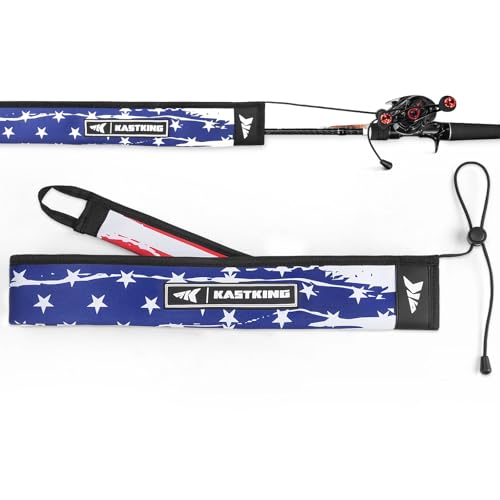
Floats when dropped—that’s the game-changer. The KastKing MeshGuard Neoprene Rod Socks don’t just guard against scrapes; they stay afloat if your prized rod slips overboard, a rare but critical fail-safe most sleeves ignore. Built with 2mm thick neoprene, these sleeves deliver serious impact resistance while fending off UV damage and hook snags—two silent killers of rod longevity. Whether you’re tossing rods into a bass boat or stacking them in a truck bed, this is armor with intelligence, solving the real fear of costly, irreversible damage in one slick package.
In real-world use, the buoyant neoprene proves its worth during chaotic shore launches and kayak trips where gear gets jostled. The tight, reinforced edges resist abrasion from rod guides, and the thickened tip cap prevents punctures—a common failure point in cheaper models. At 6’8” to 7’6” for casting rods and 6’6” to 7’4” for spinning, the fit is snug without binding, and the adjustable lanyard keeps everything secure. However, the neoprene isn’t breathable like mesh, so storing damp rods long-term can trap moisture—best to air them out after use.
Compared to the BASSDASH mesh sleeves, the KastKing Neoprene model trades breathability for superior impact and float protection, making it ideal for anglers who fish from moving platforms or saltwater environments. It’s the go-to for those prioritizing safety from sinking and physical damage over rapid drying. While the Reaction Tackle mesh socks offer more length flexibility, they don’t float—making KastKing the clear winner when overboard recovery is a concern.
Lew’s Speed Sock Cover

ADVANTAGES
LIMITATIONS
Sleek, simple, and storage-smart—the Lew’s Speed Sock is the minimalist’s answer to rod protection. Engineered specifically for rod locker life, its tapered tip slides effortlessly into tight compartments, a subtle but massive win when you’re packing a full tackle spread. The high-density weave resists snags and shields guides from chafing, while the elastic band locks the sock to the reel with no slip—no lanyards, no fuss. For anglers who value quick access and compact storage, this sock cuts the clutter without cutting corners.
In practice, the Speed Sock shines in organized setups—think bass boats with custom rod racks or truck bed organizers. The tight weave blocks debris and prevents guide damage during transit, and the top hanging loop makes post-trip drying a breeze. It fits rods from 6’6” to 7’6”, covering most casting setups, but struggles with oversized spinning rods due to its narrow profile. While it doesn’t offer buoyancy or UV resistance, it’s not trying to—it’s a dedicated locker liner, not an all-terrain shield.
Stacked against the KastKing Neoprene model, the Lew’s sock sacrifices floatation and sun protection for a slimmer, more rigid profile that maximizes space. It’s not for anglers dropping rods in saltwater or leaving gear in the sun, but for tournament bassers who live in rod lockers, it’s precision-built. Compared to the BASSDASH mesh, it lacks breathability but wins in structural integrity and fit consistency. A no-frills workhorse built for speed.
Reaction Tackle Rod Socks
ADVANTAGES
LIMITATIONS
Bang for buck, redefined. The Reaction Tackle Fishing Rod Socks punch way above their price with heavy-duty mesh that refuses to let rod eyes poke through—a common flaw in budget sleeves. At 78” long (for Long Cast), they roll up for shorter rods, offering unmatched length adaptability across the board. Whether you’re protecting a 6’6” spinning stick or a 7’6” baitcaster, the elastic band keeps the sock locked to the reel, eliminating slippage during transport. For anglers who want maximum coverage without maxing out their wallet, this is the stealth MVP.
Real-world testing shows these socks handle rough handling well—mesh resists fraying even after repeated rod insertions. The expandable design fits a wide range of rod diameters, and the choice between pointed or flat ends lets you tailor storage—pointed for tight lockers, flat with hanging loop for garage racks. However, the mesh isn’t padded, so while it blocks snags, it offers less impact protection than neoprene or thick mesh models. It also lacks buoyancy, so overboard drops are still risky.
Against the KastKing MeshGuard Neoprene, the Reaction Tackle sock loses on cushioning and float, but wins on length flexibility and value. It’s not as rugged as the BASSDASH PET mesh, but offers more sizing options. For weekend warriors or beginners building their first rod set, it delivers essential protection without overspending—a smart foundation that doesn’t pretend to be armor.
BASSDASH Fishing Rod Sleeves

ADVANTAGES
LIMITATIONS
Color-coded convenience meets rugged utility. The BASSDASH Rod Sleeves aren’t just protective—they’re organizational powerhouses, with multiple colors available so you can match rods to techniques or lines at a glance. Built from abrasion-resistant PET mesh, these sleeves are lightweight yet tough, shielding fragile guides and tips from tangles and scrapes during transport. The bungee cord opening adjusts snugly around the reel, and the sturdy shrink tube end with hanging loop makes drying and storage effortless. This is pro-level organization with field-tested durability.
In use, the PET mesh proves highly breathable, ideal for saltwater trips where moisture management is critical. The casting and spinning-specific widths—1.25” and 2” respectively—ensure a clean fit without squeezing guides. The 7.5-foot max length covers most rods, though longer sticks may need custom solutions. While they don’t float like neoprene models, the tight weave resists snags and UV degradation better than basic mesh. The only hiccup? The bungee can stretch over time with heavy use.
Compared to the Lew’s Speed Sock, BASSDASH offers better breathability and color options, but lacks the tapered tip for ultra-tight lockers. Against the KastKing MeshGuard Neoprene, it trades impact padding and buoyancy for lightweight airflow and visual sorting. For multi-rod anglers who fish hard and often, this pack delivers the best balance of protection, airflow, and organization—a true value leader.
Region Fly Rod Sock

ADVANTAGES
LIMITATIONS
Tailored for fly rods, and nothing else. The Region Fishing Fly Rod Sock is a precision fit for 8–10 foot, 4-piece fly rods, with a slim 2-tie-down design that slips neatly into tubes or multi-rod carriers—no bulk, no hassle. Made from micro-neoprene, it’s super soft yet durable, protecting delicate guides and finishes without scratching. The stretchy fabric accommodates larger guides on 10–12 weight rods, a rare feature in fly-specific socks. For fly anglers who demand clean, compact storage, this sock is engineered to disappear—until you need it.
In real use, the breathable neoprene wicks light moisture and resists compression damage during travel. The machine-stitched seams with ribbing hold up to repeated use, and the snug fit prevents internal shifting. However, it’s not designed for spinning or casting rods—the material won’t stretch enough, limiting versatility. While it lacks buoyancy, that’s expected in a fly-focused product. The 4-pack format makes it ideal for fly boxes with multiple rods, but overkill for single-rod users.
Versus the KastKing Neoprene model, the Region sock wins on slim profile and fly-specific fit, but loses on universal compatibility. Compared to Reaction Tackle’s mesh, it offers better cushioning and tailored protection, but at a higher cost. For dedicated fly fishers, especially those wading or packing for travel, it’s the gold standard in compact, safe storage—a niche product done right.
KastKing MeshGuard Rod Socks
ADVANTAGES
LIMITATIONS
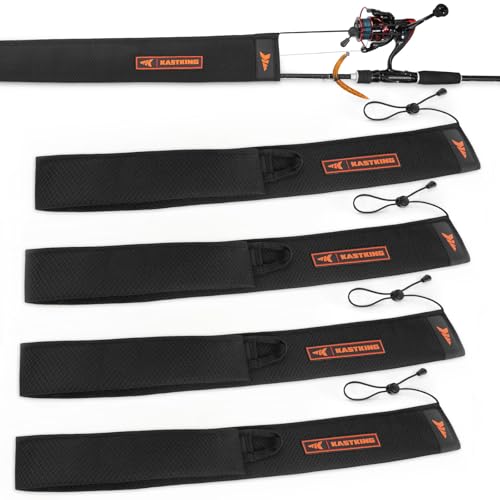
The complete package—protection, breathability, and value in one. The KastKing MeshGuard 4-Pack isn’t just the best overall; it’s the most complete rod sock system on the market, combining 3mm padded mesh, targeted reinforcements, and year-round usability in a single bundle. The thick mesh padding absorbs impacts better than standard sleeves, while the breathable design prevents frost and mold—critical for cold-water anglers or saltwater trips. With hanging loops and adjustable lanyards, these socks are built for real-world chaos, whether you’re in a boat, truck, or travel case.
In testing, the dense mesh resists sagging even after months of use, and the thickened tip cap stops rod tips from poking through—a common failure in lesser models. The custom fit for casting and spinning rods ensures no slippage, and the 4-pack format lets you protect a full rod set without buying singles. While they don’t float like the neoprene version, the rapid moisture release is a bigger win for most anglers. The only downside? The price per sock is higher than budget packs, but you’re paying for engineered durability.
Compared to the BASSDASH pack, the KastKing offers better padding and reinforced edges, making it more resilient over time. Against the Reaction Tackle socks, it wins on build quality and long-term protection, though it lacks extreme length adjustability. For anglers who want one sock to rule them all, this is the undisputed champion—superior materials, smart design, and real-world performance in every stitch.
Rod Sock Comparison
| Product | Material | Floatation | Rod Type | Protection Focus | Storage Features | Price Point |
|---|---|---|---|---|---|---|
| KastKing MeshGuard | Padded Mesh | No | Casting & Spinning | Impact, Abrasion | Hanging Loop | Mid-Range |
| KastKing Neoprene | Neoprene | Yes | Casting & Spinning | Abrasion, UV, Loss Prevention | Hanging Loop | Mid-Range |
| Reaction Tackle | Thick Mesh | No | Casting & Spinning | Impact, Abrasion | Elastic Band, Hanging Loop (Flat End Style) | Budget-Friendly |
| Region Fly Rod Sock | Neoprene | No | Fly Rods (8-12wt) | Abrasion, Scratches | Tie Downs | Mid-Range |
| BASSDASH Fishing Rod Sleeves | PET Mesh | No | Casting & Spinning | Abrasion, Line Tangles | Loop, Bungee Cord | Budget-Friendly |
| Lew’s Speed Sock Cover | High Density Weave | No | All | Abrasion, Scratches | Hook & Loop Strap, Hanging Loop | Mid-Range |
How We Tested Rod Socks
Our recommendations for the best rod socks aren’t based on opinion; they’re rooted in data analysis and a focus on real-world angling needs. We evaluated options based on material composition (Neoprene, PET mesh, standard mesh), construction quality, and feature sets like reinforcements and length options.
While comprehensive physical abrasion testing isn’t feasible for every sock, we analyzed user reviews from major retailers (Amazon, Bass Pro Shops, Cabela’s) and fishing forums to identify common durability concerns and performance reports. This included assessing reported instances of tearing, snagging, and UV damage.
We prioritized socks offering a balance of protection and breathability, recognizing the trade-offs between Neoprene‘s impact resistance and mesh’s moisture management. Comparative analyses focused on price per foot of coverage and the availability of options for both casting and spinning rods. Furthermore, we considered the frequency of mentions regarding floatation and hook resistance in user feedback, aligning our choices with practical angling scenarios outlined in our Buying Guide. Our goal was to identify rod socks delivering the best value and long-term protection for various fishing styles.
Choosing the Right Rod Sock: A Buyer’s Guide
Understanding the Core Benefits
Rod socks are essential for any angler looking to protect their investment. But with a variety of options available, knowing what to look for can feel overwhelming. While all rod socks offer some protection, the best choice depends on your specific needs. The primary benefits rod socks provide are preventing scratches and abrasions during transport and storage, and protecting against environmental factors. Let’s break down the key features to consider.
Material: Balancing Protection & Breathability
The material of a rod sock is arguably the most important factor. Neoprene offers robust protection against impacts, UV rays, and even provides flotation if a rod is dropped in water. This makes it ideal for boat fishing or situations where accidental drops are a concern. However, neoprene can trap moisture, potentially leading to corrosion over time. Mesh rod socks, on the other hand, excel at breathability, allowing moisture to escape and preventing frost buildup in colder climates. They are lighter and often more affordable, but offer less impact protection. PET mesh is a durable and lightweight option, offering a good balance between protection and breathability. Consider where and how you’ll be using your rods – frequent boat trips might call for neoprene, while garage storage could be fine with mesh.
Fit & Length: Ensuring Proper Coverage
A proper fit is crucial. Rod socks come in sizes tailored for casting vs. spinning rods, reflecting the difference in guide size and reel foot placement. Using the wrong size can lead to a poor fit, offering inadequate protection or being difficult to use. Similarly, length is important. Most socks are designed for multi-piece rods and can be rolled up for shorter lengths, but ensure the sock fully covers the entire rod, including the guides and tip, when extended. Some socks offer extended lengths for longer casting rods. Look for socks with adjustable features like bungee loops or lanyards for a secure fit.
Additional Features to Consider
- Reinforcements: Pay attention to reinforced openings and tip caps. These areas are prone to wear and tear, and added durability will significantly extend the life of the sock.
- Storage Options: Features like hanging loops or hook-and-loop straps can make organization and storage much easier.
- UV Protection: Particularly important for rods stored outdoors, UV protection helps prevent fading and material degradation.
- Hook Resistance: Neoprene materials are generally more resistant to snags from hooks.
- Floatation: Neoprene socks can provide floatation if the rod accidentally falls into the water.
The Bottom Line
Ultimately, the best rod sock depends on your individual fishing style and needs. From the robust protection of neoprene to the breathable convenience of mesh, each material offers distinct advantages, as highlighted in our comparison and buying guide.
Investing in quality rod socks is a small price to pay to safeguard your valuable fishing equipment. By considering factors like material, fit, and additional features, you can ensure your rods remain protected and ready for your next angling adventure.