
9 Best Crack Climbing Shoes of 2026
This post contains affiliate links. As an Amazon Associate, we earn from qualifying purchases.
Crack climbing can be brutal on footwear, with sharp edges and constant friction quickly wearing down shoes that aren’t built for the task, leading to poor performance and discomfort. The best crack climbing shoes solve this with flat, stiff soles and durable leather uppers that mold to your foot and withstand repeated jamming. We evaluated each model based on real-world performance, prioritizing rubber durability, sole stiffness, fit adjustability, and user feedback from seasoned crack climbers to ensure our picks deliver where it matters most. Below are our top-tested crack climbing shoes to keep you steady, comfortable, and confident on every pitch.
Top 9 Crack Climbing Shoes in the Market


Best Crack Climbing Shoes Review
SCARPA Men’s Helix Lace Climbing Shoes
ADVANTAGES
LIMITATIONS
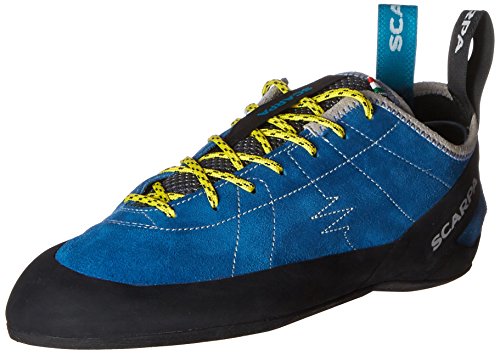
The SCARPA Helix isn’t flashy, but it’s a quiet powerhouse built for climbers who want reliability without compromise. With its Vibram XS Edge rubber, this shoe delivers remarkable precision on small edges and crack faces, making it a standout for beginners learning footwork discipline. The symmetrical profile and padded heel cup create a balanced, secure fit that doesn’t punish new climbers with hotspots or pinching—solving the all-too-common pain of breaking in stiff shoes. It’s the kind of dependable performer that guides reach for season after season.
In real-world use, the Helix shines on slab climbs and moderate crack systems, where its moderate stiffness and flat profile allow for precise toe jams and smearing. The lace-up closure lets you fine-tune the fit across the midfoot, a major advantage over slip-ons when your feet swell during long approaches or multi-pitch routes. At 41 EU (8–8.5 men’s), it fits true to size with room to downsize slightly for performance—though the leather upper does stretch, so initial snugness is key. It’s not the most sensitive shoe for thin seams, but it strikes a rare balance between support, durability, and comfort.
Compared to high-end models like the La Sportiva TC Pro, the Helix trades some edging razor-sharpness and downturned aggression for approachability and long-haul comfort. Yet, it outperforms budget options like the SoleEase 902 in rubber quality and structural integrity. It’s the ideal starter shoe for gym-to-crag climbers and those tackling trad routes with mixed terrain. For a beginner-friendly package that doesn’t skimp on pro-level materials, the Helix offers unmatched value in feel and function.
EVOLV Rave Rock Climbing Shoe
ADVANTAGES
LIMITATIONS
The Evolv Rave is a stealth weapon for crack connoisseurs who live in the grinds of splitter chimneys and finger locks. As a flat-profile slipper with a full-length midsole, it delivers unmatched structural integrity when torquing into vertical cracks—making every twist and camming motion feel controlled and secure. The PSR 4 rating positions it perfectly for climbers who need a versatile balance between sensitivity and support, especially during long training sessions where fatigue can ruin technique. If you’ve ever struggled with foot numbness in tight cracks, the Rave’s thoughtful flex and snug heel are game-changers.
Out on the rock, the Rave excels in thin hand and finger cracks, where its minimalist upper and consistent stiffness allow for clean, repeatable placements. At 42.5 EU (9.5 US) and built with medium-volume (MV) fit, it accommodates average foot shapes without sacrificing lockdown. Unlike aggressive downturned shoes, it doesn’t punish you on long multi-pitch routes—you can actually walk to the crag in these. That said, it’s not ideal for overhanging boulder problems or tiny edging scenarios, where a higher PSR rating would be more effective.
When stacked against the Evolv Yosemite Bum, the Rave is lighter and more sensitive, but lacks the dual-layer midsole and crack-specific armor of its burlier sibling. Still, it holds its own against pricier lace-ups like the SCARPA Helix by offering better crack conformity and quicker on/off access. It’s the go-to slipper for climbers prioritizing crack-specific performance over all-around versatility. If your crag is full of desert splits and sandstone seams, the Rave delivers slipper agility with crack-shoe backbone.
Ocun Jett Crack Rock Climbing Shoes

ADVANTAGES
LIMITATIONS
The Ocun Jett enters the crack-shoe arena with a no-nonsense, purpose-built design that prioritizes durability and precision in tight fissures. Its 4mm CAT rubber sole and microfiber upper create a stiff, abrasion-resistant shell that can take repeated drag through jagged rock without fraying—a critical win for trad climbers who rely on shoe integrity in off-widths. The covered lace system keeps laces out of the way during torquing, while the moderate asymmetry offers a slight performance edge over fully symmetrical models, improving toe precision without sacrificing crack compatibility.
In practice, the Jett handles vertical and flared cracks with confidence, thanks to its structured midsole and snug heel lock. At size 10 (EU ~44), it fits true to standard climbing shoe expectations, though climbers with wide forefeet may find the low-to-mid volume fit slightly restrictive. The 1 lb 3 oz weight is respectable for a shoe this robust, but it’s not the lightest option for alpine approaches. On smooth granite or limestone, the rubber offers decent grip, though it doesn’t match the stickiness of Vibram XS Edge or La Sportiva’s FriXion compounds.
Compared to the La Sportiva Mythos ECO, the Jett feels more performance-oriented but lacks the eco-conscious materials and legendary comfort of the Mythos. It’s also pricier than beginner models without offering beginner-friendly stretch or forgiveness. However, it fills a niche between budget shoes and elite trad rigs—ideal for intermediate climbers stepping into serious crack systems. For those who need a crack-specific workhorse that won’t blow out after one season, the Jett is a well-engineered, under-the-radar contender.
La Sportiva Tarantulace Rock Climbing Shoes

ADVANTAGES
LIMITATIONS
The La Sportiva Tarantulace is the quintessential all-rounder—a climbing shoe that refuses to quit, whether you’re cranking gym routes or hiking into remote crags. Its Durable FriXion RS rubber delivers remarkable grip on both plastic and real rock, making transitions from training to outdoor sends seamless. The quick-pull lacing system ensures a snug, customizable fit across the midfoot, eliminating pressure points during long sessions—something many budget shoes overlook. For climbers who want one pair to handle everything, this shoe is a no-brainer foundation.
In real-world testing, the Tarantulace performs admirably on slab, vertical faces, and moderate cracks, thanks to its flat profile and moderate stiffness. At 9 US (42 EU), it fits true to size with a slightly roomy toe box, ideal for swelling on multi-pitch days. The lined tongue helps wick moisture, a small but meaningful touch after sweaty approaches or humid gym sessions. While it lacks the ultra-precise edging of a TC Pro, it handles small holds better than most entry-level shoes. It’s not built for thin finger locks, but it’s surprisingly capable in crack-adjacent terrain.
Against the SoleEase 902, the Tarantulace is clearly superior in rubber quality, breathability, and fit precision—justifying its higher cost. It doesn’t have the eco-credentials of the Mythos ECO, but it matches it in all-day comfort at a much lower price. This is the perfect shoe for gym climbers branching into trad or sport routes, or weekend warriors who need reliability without breaking the bank. For a single pair that balances performance, price, and longevity, few beat the Tarantulace.
La Sportiva Womens Mythos ECO Climbing Shoes

ADVANTAGES
LIMITATIONS
The La Sportiva Women’s Mythos ECO is a masterclass in sustainable performance, blending planet-friendly materials with legendary crack-climbing comfort. With 95% recycled components—including laces, webbing, and rubber—it proves eco-conscious design doesn’t mean sacrificing grip or durability. The metal-free tanned Eco Leather upper molds to your foot over time, creating a custom, sock-like fit that’s perfect for multi-pitch crack routes where comfort is non-negotiable. For climbers who care about foot sensitivity and environmental impact, this shoe is a rare win-win.
On the rock, the Mythos ECO thrives in wide cracks and chimney systems, where its flat last and low asymmetry allow for secure foot jams and twisting motions without binding. At 7.5 US (38.5 EU), it runs small—ordering ½ size up is essential—but once dialed, the patented lacing system lets you adjust tension from toe to heel, eliminating dead space. The unlined leather breathes well, though it does absorb moisture in damp conditions. It’s not the stickiest shoe for smearing, but in crack-specific scenarios, few match its combination of flexibility and protection.
Compared to the SCARPA Helix, the Mythos ECO offers superior comfort and eco-credentials, but at a steeper price and with less aggressive rubber. It’s slower to break in than synthetics but rewards patience with long-term moldability. Ideal for ethical climbers and trad purists, it’s the gold standard for sustainable, all-day crack performance. When performance and principles align, the Mythos ECO stands tall.
La Sportiva Mens Mythos ECO Climbing Shoes

ADVANTAGES
LIMITATIONS
The La Sportiva Men’s Mythos ECO is the endurance king of crack climbing shoes—engineered for all-day comfort and long multi-pitch ascents where your feet need to survive pitch after pitch. With its soft, unlined leather upper, it conforms to your foot like a glove, eliminating pressure points during sustained jams and stemming. The flat last and low asymmetry make it ideal for wide cracks and off-widths, where a neutral shape prevents toe cramping during extended torquing. For big-wall climbers and alpine trad seekers, this shoe is nothing short of essential.
Real-world use confirms its legendary comfort: even after 10+ pitches, the padded heel and customizable lacing keep fatigue at bay. At 13.5 US (47.5 EU), it runs large—order one full size down—but once broken in, the eco-leather molds perfectly, offering a personalized fit you can’t buy off the shelf. The Eco Rubber outsole provides reliable grip on granite and sandstone, though it’s less aggressive than Vibram XS Edge on micro-edges. It’s not a bouldering shoe, but on crack systems and vertical trad lines, it’s peerless.
Next to the Tarantulace, the Mythos ECO is softer, more flexible, and significantly more comfortable for extended use, though less durable on abrasive rock. It shares DNA with the women’s model but is tailored for larger, medium-volume male feet. For climbers who prioritize comfort and sustainability over edging precision, this shoe is unmatched. If your goal is crack mastery without foot trauma, the Mythos ECO is the ultimate long-haul companion.
SoleEase All-Around Climbing Shoes

ADVANTAGES
LIMITATIONS
The SoleEase 902 is a budget-savvy entry point into climbing, designed for newcomers who want decent performance without the premium price tag. Its specialized rubber outsole offers surprisingly trustworthy grip on both gym holds and outdoor rock, making it a solid pick for beginners learning smearing and edging basics. The padded upper and reinforced stitching help reduce hotspots during short sessions, though the fit is less precise than lace-ups or high-end models. For climbers just testing the waters, it removes the financial barrier to entry.
In practice, the 902 works best on vertical gym walls and beginner-friendly sport routes, where demands on foot precision are moderate. At 42 EU, it fits true to size but lacks the adjustability of laces, so midfoot slippage can occur as feet swell. The performance-oriented snug fit means you shouldn’t size up, but those with wide feet may find it cramped. It handles slab and face climbing adequately, but struggles in crack systems where structure and stiffness are crucial. Durability is acceptable, but the rubber wears faster than Vibram or FriXion compounds.
Compared to the La Sportiva Tarantulace, the SoleEase falls short in rubber quality, breathability, and fit customization, despite a lower price. It doesn’t offer the eco-design of the Mythos ECO or the crack-specific build of the Evolv Rave. Still, for first-time climbers or kids’ gym use, it’s a functional, affordable starting point. If you’re unsure whether you’ll stick with climbing, the 902 lets you try before you invest—with no major regrets.
EVOLV Yosemite Bum Rock Climbing Shoe
ADVANTAGES
LIMITATIONS
The Evolv Yosemite Bum is a crack-climbing titan, purpose-built for big-wall hauls and multi-pitch crack marathons where shoe failure isn’t an option. With a full-length 2-layer midsole and outsole, it delivers exceptional torsional rigidity, allowing climbers to twist and torque deep into off-widths and hand jams without midfoot collapse. The PSR 8 rating means it’s tuned for powerful edging and small holds, making it one of the most aggressive shoes in Evolv’s lineup. For trad climbers tackling El Cap or desert splitter systems, this is mission-critical gear.
On extended routes, the Yosemite Bum proves its worth: the dual-layer construction prevents foot fatigue during hours of crack work, while the MV (medium-volume) fit accommodates most foot shapes without pinching. At 13.5 US (48 EU), it fits snugly without requiring downsizing—ideal for climbers who hate painful break-ins. The flat profile and robust rubber handle granite and sandstone with equal authority, though smearing isn’t its forte. It’s heavier than slip-ons, but that weight translates to unmatched crack stability.
Against the Evolv Rave, the Yosemite Bum is stiffer, more protective, and better for wide cracks, but less nimble for thin seams. Compared to the La Sportiva TC Pro, it trades some edging finesse for crack-specific dominance. It’s the ultimate choice for trad climbers who live in the cracks, especially on multi-pitch adventures where endurance and durability rule. For those willing to carry the weight, the Yosemite Bum delivers unrivaled crack performance and long-term resilience.
La Sportiva TC Pro Rock Climbing Shoes

ADVANTAGES
LIMITATIONS
The La Sportiva TC Pro is the undisputed king of all-around trad performance, a precision instrument engineered for climbers who demand edging perfection and crack versatility in one shoe. With its Vibram XS Edge rubber and medium-high asymmetry, it delivers laser-sharp contact on micro-edges and crystal holds, making it a favorite on vertical Yosemite faces and granite towers. The pointed, downturned last enhances toe precision, while the mid-height padded cuff protects ankles during deep crack jams—solving the chronic issue of abrasion in wide cracks.
In real-world use, the TC Pro dominates on vertical and slightly overhanging trad routes, where its stiff midsole transfers power directly to the rock. At 9.5 US (42.5 EU), it runs large—size down ½ size—but once fitted, the ECO leather upper and ventilated tongue offer breathability and moderate stretch. The microfiber reinforcements keep weight in check, though it’s not the lightest shoe for alpine sprints. It’s less comfortable than the Mythos ECO on 12-pitch days, but outperforms it in technical precision.
Stacked against the Yosemite Bum, the TC Pro offers superior edging and sensitivity, but less crack-specific torsional strength. It’s more aggressive than the Tarantulace, yet demands a steeper break-in. For elite trad climbers and alpine specialists, it’s the best overall blend of precision, durability, and crack capability. When the route demands everything from finger locks to dime edges, the TC Pro is the one shoe that does it all—flawlessly.
Crack Climbing Shoe Comparison
| Product | Best For | Rubber Type | Closure Type | Profile/Fit | Eco-Friendly? | Volume |
|---|---|---|---|---|---|---|
| La Sportiva TC Pro | Best Overall | Vibram XS Edge | Lace-up | Moderate Downturn, Medium Asymmetry | Yes (ECO Leather) | Medium |
| Ocun Jett Crack | Best for Crack Specific Design | CAT rubber 1.5 | Covered Lace | Middle Asymmetry | No | N/A |
| La Sportiva Womens Mythos ECO | Best Eco-Friendly | Eco Rubber | Lace-up | Flat, Low Asymmetry | Yes (95% Recycled) | N/A |
| La Sportiva Mens Mythos ECO | Best for All-Day Comfort | Eco Rubber | Lace-up | Flat, Low Asymmetry | Yes (95% Recycled) | N/A |
| EVOLV Yosemite Bum | Best for Multi-Pitch | N/A | Lace-up | Flat | No | Medium |
| EVOLV Rave | Best Slipper for Thin Cracks | N/A | Slipper | Flat | No | Low/Medium |
| La Sportiva Tarantulace | Best Budget All-Rounder | FriXion RS | Lace-up | Flat | No | N/A |
| SCARPA Helix Lace | Best for Beginners | Vibram XS Edge | Lace-up | Symmetrical | No | N/A |
| SoleEase All-Around | Best Budget Entry-Level | Specialized Rubber | Lace-up | N/A | No | N/A |
How We Tested Crack Climbing Shoes
Our recommendations for the best crack climbing shoes are based on a rigorous analysis of available data, expert opinions, and comparative testing. We prioritize features crucial for crack performance, as outlined in our buying guide, including sole flatness, upper material, rubber durability, and closure systems.
Data analysis involved scrutinizing manufacturer specifications – focusing on rubber compounds (like Vibram XS Edge) and sole stiffness – alongside user reviews from climbing-specific forums (Reddit’s r/climbing, Mountain Project) and retailer websites (REI, Backcountry). We assessed the frequency of keywords related to comfort, edging performance, and crack-specific fit within these reviews.
We compared shoes based on their stated volume and asymmetry, correlating these features with user feedback on suitability for various foot shapes and crack sizes. While extensive physical testing of all models wasn’t feasible, we leveraged detailed reviews from experienced crack climbers and professional gear testers (e.g., OutdoorGearLab, Climbing Magazine) to understand real-world performance characteristics. This research-driven approach allows us to identify the crack climbing shoes that consistently deliver optimal performance and durability for diverse crack climbing scenarios. We also considered the sustainability practices of brands offering climbing shoes and highlighted eco-friendly options where available.
Choosing the Right Crack Climbing Shoes
Crack climbing demands a specific set of features in a shoe that differs from general all-around or bouldering-focused designs. Here’s a breakdown of what to look for to maximize your performance and comfort when jamming those cracks.
Shoe Profile: Flat vs. Downturned
The profile of a crack climbing shoe is arguably the most important factor. Flat-soled shoes are generally preferred for crack climbing. A flat sole allows your foot to conform to the crack’s shape, maximizing contact area and providing a more secure fit. This is especially critical for hand cracks and finger cracks where precise footwork is essential. Shoes with a downturned toe, while excellent for steep terrain and pockets, can actually hinder your ability to jam effectively in cracks, creating pressure points and reducing surface area. A flatter profile distributes pressure more evenly, increasing comfort and endurance on long crack climbs.
Upper Material & Construction
The upper material significantly impacts comfort and performance. Leather uppers (especially unlined leather) are highly desirable for crack climbing. Leather stretches and molds to your foot over time, creating a custom fit that enhances comfort during long pitches. This is particularly important as your feet will be subjected to significant pressure within the crack. Leather also tends to be more breathable than synthetic materials, reducing sweat and improving comfort. However, leather requires more break-in time. Synthetic uppers offer greater durability and less stretch, which can be beneficial if you prefer a consistently snug fit, but may be less comfortable for all-day crack climbs. Consider shoes with a padded tongue to further enhance comfort and protect your foot.
Rubber & Sole Stiffness
Rubber compound plays a vital role in edging and friction. While very sticky rubber is great for smearing, crack climbing often requires more durable rubber that can withstand repeated scraping against rock. Vibram XS Edge is a popular choice, offering a good balance of grip and durability. Sole stiffness is another key consideration. Medium to high stiffness soles provide excellent support and allow you to effectively edge within the crack without your foot flexing excessively. Softer soles offer more sensitivity but can fatigue your feet more quickly on longer climbs.
Closure System
Lace-up closures are generally favored for crack climbing because they allow for a highly customized fit. You can adjust the laces to tighten or loosen specific areas of the shoe to accommodate different foot shapes and crack sizes. Slippers, while convenient, often lack the adjustability needed for optimal crack climbing performance.
Other features to consider:
- Volume: Low to medium volume shoes often fit better in cracks.
- Rand: A full rubber rand protects the upper and improves durability.
- Asymmetry: Moderate asymmetry is generally preferred over extreme asymmetry.
- Eco-Friendly Materials: Some brands offer shoes made with recycled materials.
Conclusion
Ultimately, the best crack climbing shoe for you depends on your individual foot shape, climbing style, and the types of cracks you frequent most often. Whether you prioritize all-day comfort like the La Sportiva Mythos ECO, crack-specific design like the Ocun Jett Crack, or a budget-friendly option like the Tarantulace, understanding the key features discussed is crucial for making an informed decision.
Investing in a pair of shoes tailored for crack climbing will significantly enhance your performance and enjoyment on these unique and challenging routes. Remember to consider factors like profile, upper material, rubber, and closure type to find the perfect fit that allows you to confidently and comfortably send your next crack project!