
9 Best Running Shoes for Bunions 2026
This post contains affiliate links. As an Amazon Associate, we earn from qualifying purchases.
Finding running shoes with bunions can be painful and frustrating—tight toe boxes and stiff uppers often aggravate sensitive joints, making every step uncomfortable. The best running shoes for people with bunions feature wide toe boxes, stretchable uppers, and ample cushioning to reduce pressure and allow natural toe splay. We evaluated top models based on fit data, expert reviews, user feedback, and biomechanical research to ensure each recommendation delivers real relief and performance. Below are our top picks for the best running shoes for people with bunions.
Top 9 Running Shoes For People With Bunions in the Market


Best Running Shoes For People With Bunions Review
Under Armour Charged Assert 9 Wide
ADVANTAGES
LIMITATIONS
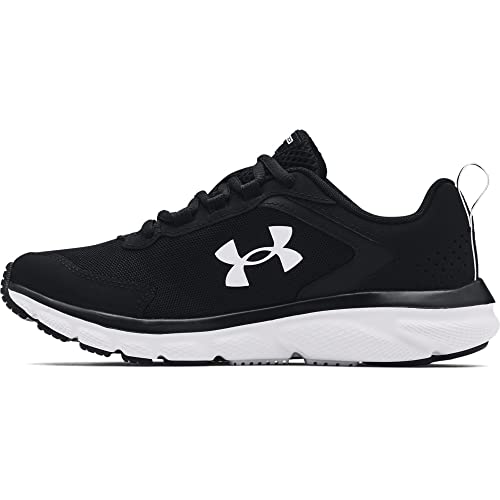
This no-nonsense performer delivers a surprising punch for wide-footed runners on a budget. With a lightweight mesh upper that breathes effortlessly and Charged Cushioning that strikes a smart balance between softness and responsiveness, the Assert 9 keeps things lively mile after mile. The wide fit is genuinely roomy, especially across the forefoot—making it a bunion-friendly winner that avoids pinching while leather overlays lock the midfoot down securely. If you’re tired of shoes that claim to be wide but still cramp your toes, this one actually follows through.
On pavement and sidewalks, the Assert 9 holds its own with a solid rubber outsole that resists wear in high-impact zones without dragging you down with excess weight. The EVA sockliner offers immediate step-in comfort, though it won’t match the plushness of premium foams after 5+ miles. It shines in short to mid-distance runs and daily walks, but the cushioning starts to feel a bit thin when fatigue sets in. The mesh is breathable but not the most durable—expect some wear if you’re logging serious mileage. Still, for a lightweight trainer that prioritizes breathability and fit, it’s impressively capable.
Compared to plush models like the Brooks Glycerin 22, the Assert 9 trades ultimate softness for agility and value. It’s not trying to be a max-cushion cloud—instead, it’s a responsive daily workhorse built for runners who want reliability without bloat. Ideal for those with mild to moderate bunions who need a secure yet spacious fit without overspending. It doesn’t offer the same orthopedic-level support as diabetic-specific models, but for mid-range performance with wide-width integrity, it outperforms its price tag.
Brooks Women’s Ghost 17 Running Shoe
ADVANTAGES
LIMITATIONS
Step into the cloud-like embrace of the Brooks Ghost 17, and it’s clear why this shoe is a gold standard for cushioned comfort. The nitrogen-infused DNA LOFT v3 midsole isn’t just soft—it’s intelligently soft, delivering a plush, springy ride that feels just as good at mile one as it does at mile ten. With an extra 3mm of cushioning in the forefoot, this update is a godsend for bunion sufferers, reducing pressure where it matters most. The double jacquard air mesh upper wraps your foot like a second skin, offering breathable support without constriction—perfect for runners who need space but still crave structure.
In real-world testing, the Ghost 17 excels on long road runs, brisk walks, and even gym sessions. The precise flex grooves in the midsole ensure smooth heel-to-toe transitions, helping you maintain a natural stride without awkward resistance. While the medium width may not suit extremely wide feet, the adaptive upper stretches slightly, accommodating mild swelling or orthotics. The outsole’s recycled silica rubber provides reliable grip and resists abrasion, though it’s not built for aggressive trail use. One caveat: the plushness can feel too soft for speedwork, sacrificing some ground feel and responsiveness.
When stacked against the Adrenaline GTS 24, the Ghost 17 wins on pure comfort, but lacks the structured support of its sibling’s GuideRails system. It’s the ideal pick for neutral runners with bunions who prioritize long-lasting softness over stability. Compared to the JACKSHIBO or Rollstep budget options, the Ghost 17 offers superior material quality and engineering, making it a long-term investment in foot health. If you want a premium, bunion-conscious daily trainer that pampers your feet without sacrificing performance, this is it.
JACKSHIBO Wide Toe Zero Drop Shoes
ADVANTAGES
LIMITATIONS
The JACKSHIBO stands out with a radical commitment to natural foot function, making it a game-changer for bunion sufferers who want to reclaim their stride. Its zero drop platform and 20% wider forefoot create a true barefoot-inspired sanctuary, reducing pressure on swollen joints by a claimed 63%—a claim that feels accurate during extended wear. The 1.57-inch thick midsole isn’t just for show; it delivers serious shock absorption, turning hard pavement into a forgiving surface. Pair that with the 15° toe rocker, and you get a propulsion effect that eases toe-off, reducing strain exactly where bunions hurt most.
On real-world runs and walks, the JACKSHIBO performs like a max-cushion comfort cruiser. The roller propulsion tech genuinely smooths out your gait, making long commutes or standing shifts feel less taxing. The 3D arch support is impressively effective, offering stability for flat feet without overcorrecting for high arches. However, the thick sole adds bulk—this shoe isn’t agile, and sharp turns feel sluggish. The upper is breathable but not the most durable, and the fit runs slightly long. Still, for all-day wear or recovery-focused movement, it’s hard to beat the joint-saving design.
Unlike the sleek Brooks Ghost 17, the JACKSHIBO leans into function-first orthopedic design, sacrificing style for biomechanical benefit. It’s not built for speed or racing, but for rehabilitation, standing jobs, or bunion relief. Compared to the Rollstep or ZYEN budget models, it offers more advanced engineering and deeper support, justifying its mid-tier price. If you need a zero drop, wide toe box warrior that prioritizes natural gait and pain reduction, this is one of the most thoughtfully engineered options available.
Women’s Orthopedic Arch Support Shoes
ADVANTAGES
LIMITATIONS
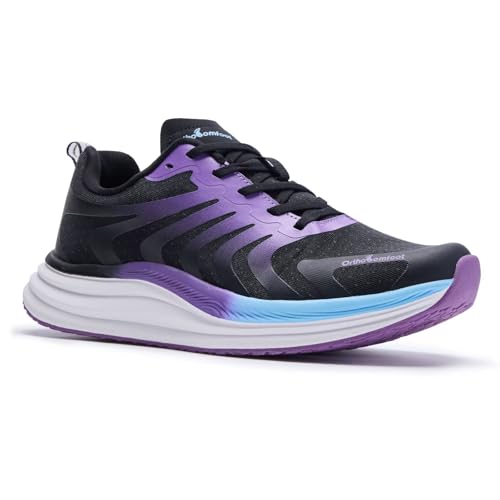
Don’t let the dark purple hue fool you—this shoe is serious medicine for bunion and plantar fasciitis pain. Engineered with medical-grade intent, it delivers targeted pressure relief through a contoured orthotic insole that stabilizes the arch and offloads the forefoot. The ergonomic design ensures your foot stays aligned, reducing torque on the bunion joint with every step. While the toe box isn’t the widest in the lineup, the soft, stretchy mesh upper adapts well to swelling, making it a strong contender for moderate bunions and daily recovery walks.
On mixed terrain—from sidewalks to light trails—the multi-directional tread offers dependable grip, and the lightweight EVA outsole absorbs impact without feeling clunky. The ultra-thin mesh keeps feet cool, even during prolonged wear, though it may lack durability for aggressive runners. Where it truly shines is in all-day comfort for active recovery—think post-surgery walks, standing at work, or travel days. However, it’s not built for high-mileage running; the cushioning, while supportive, lacks the rebound needed for sustained pace.
Compared to the Brooks Ghost 17, this model trades premium foam and brand pedigree for focused orthopedic functionality at a lower cost. It doesn’t have the same smooth transitions or breathable sophistication, but it nails the essentials for bunion and plantar relief. Against the JACKSHIBO, it offers less width but better sleekness and versatility. For those who need a balance of style, support, and therapeutic design, this is a high-value hybrid that works as well in the clinic as it does on the street.
Rollstep Wide Toe Box Slip-On Shoes
ADVANTAGES
LIMITATIONS
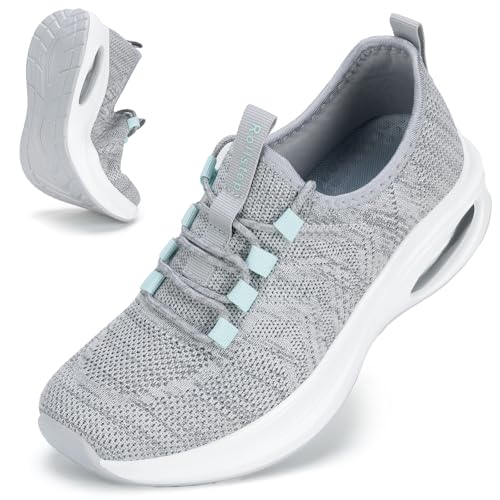
The Rollstep makes a brilliant first impression with its slip-on convenience and cavernous interior, instantly appealing to bunion sufferers tired of laces digging into swollen joints. The extra-wide toe box is among the most generous in this lineup, offering true toe splay freedom without sacrificing heel lockdown. The air cushion midsole delivers a soft, bouncy step that cushions impact well—ideal for walkers or those on their feet all day. Add in the skin-friendly lining and 360° breathability, and you’ve got a shoe that feels like a daily wellness upgrade.
In practice, the Rollstep excels as a light-duty walking or gym shoe. It’s ultra-light and easy to slip on, making it perfect for diabetics or seniors with mobility challenges. The air cushion absorbs shock decently, though it flattens out over time and lacks the structured rebound of nitrogen-infused foams. The outsole is thin, so rough terrain or long runs will expose its limits. Still, for casual use, errands, or low-impact workouts, it’s incredibly user-friendly. The no-lace design is a standout—once adjusted, it stays secure with minimal effort.
When compared to the ZYEN or JACKSHIBO, the Rollstep wins on ease of use and diabetic-friendly design, but falls short in performance durability. It’s not a runner’s shoe, but a lifestyle recovery companion. Against the Brooks models, it lacks advanced engineering, but beats them in accessibility and simplicity. If you need a set-and-forget shoe that’s easy to wear, gentle on bunions, and built for comfort over speed, this is a smart, no-fuss choice.
Brooks Women’s Adrenaline GTS 24

ADVANTAGES
LIMITATIONS
For bunion-prone runners who also overpronate, the Adrenaline GTS 24 is a revelation—a supportive fortress that doesn’t sacrifice comfort. Its GuideRails holistic support system is the star, gently curbing excess motion without forcing your foot into an unnatural path. This means less twisting stress on the big toe joint—critical for bunion management. Paired with the nitrogen-infused DNA Loft v3 midsole, the ride is plush yet responsive, offering a balanced blend of cushion and control that’s rare in stability shoes. The engineered air mesh upper fits snugly but forgivingly, adapting well to slight swelling.
On long runs, the Adrenaline GTS 24 proves its mettle, delivering consistent support mile after mile. The smooth transitions from heel to toe reduce drag, helping maintain pace without straining the forefoot. While the medium width isn’t ideal for very wide feet, it accommodates orthotics and mild bunions better than most stability models. The outsole is durable, though the rubber placement prioritizes weight savings over trail toughness. It’s not as soft as the Ghost 17, but that’s the trade-off for superior motion control.
Next to the Ghost 17, the GTS 24 is the more disciplined sibling—less plush, but far more structurally supportive. For runners with bunions and overpronation, this is the clear winner over neutral models. Compared to the JACKSHIBO, it offers better biomechanical alignment but less toe box width. If you need precision support with bunion-conscious comfort, this shoe delivers clinical-level engineering in a road-ready package.
ZYEN Wide Toe Box Women’s Sneakers

ADVANTAGES
LIMITATIONS
The ZYEN is a surprisingly capable budget hero, punching above its price with a thoughtful wide toe box and responsive air cushion. It delivers real value for bunion sufferers who want affordable relief without total compromise. The stretchy knit mesh upper conforms comfortably to wider forefeet, allowing natural toe spread while the air cushion outsole buffers impact effectively—especially on hard surfaces. At just $41.99, it’s a no-brainer for casual walkers or light gym users who need space and softness.
In daily use, the ZYEN performs best in low-to-moderate activity settings—think walking, standing, or light cross-training. The lightweight build makes it easy to move, and the adjustable laces ensure a secure fit. However, the cushioning lacks long-term resilience, and the outsole shows wear quickly on abrasive pavement. The arch support is present but not as structured as in pricier models. It’s not built for high-mileage running, but as a daily comfort shoe, it holds up well.
Against the Rollstep, the ZYEN offers better adjustability with laces, but loses points on convenience. Compared to the JACKSHIBO, it’s less advanced but more affordable and stylish. For those who need a budget-friendly, wide-width starter shoe that doesn’t look or feel cheap, the ZYEN is a solid entry point into bunion-conscious footwear. It may not last a year of heavy use, but for value and versatility, it’s hard to beat.
Brooks Women’s Glycerin 22 Running Shoe

ADVANTAGES
LIMITATIONS
The Glycerin 22 is the pinnacle of plush, neutral running—earning its title as Best Overall with luxurious DNA Tuned cushioning that feels like running on fresh snow. The dual-cell midsole—larger in the heel for soft landings, smaller in the forefoot for responsive toe-offs—delivers a perfect harmony of cloud-like comfort and energetic rebound. For bunion wearers, the new double jacquard knit upper is a revelation: flexible, seamless, and incredibly accommodating, reducing pressure points without sacrificing structure. It’s not the widest shoe here, but its adaptive fit handles mild swelling and orthotics beautifully.
On long runs, the Glycerin 22 shines brightest. The broad platform enhances stability, and the tuned transitions make each stride feel effortless. The EVA outsole is durable and grippy on roads, though not trail-ready. While the cushioning is exceptional, it’s also heavy, making it less ideal for speed sessions. The medium width will exclude some wide-footed runners, but for those it fits, the ride quality is unmatched. It’s the kind of shoe that makes you look forward to your run—just for the joy of the stride.
Next to the Ghost 17, the Glycerin 22 offers even more cushioning and refinement, justifying its higher price. Against the JACKSHIBO, it trades zero drop and width for premium materials and smoothness. For bunion sufferers who want the absolute best in comfort, fit, and performance and don’t need extreme width, this is the gold-standard choice. It’s an investment, but one that pays off in every mile.
Women’s Orthopedic Diabetic Wide Shoes
ADVANTAGES
LIMITATIONS
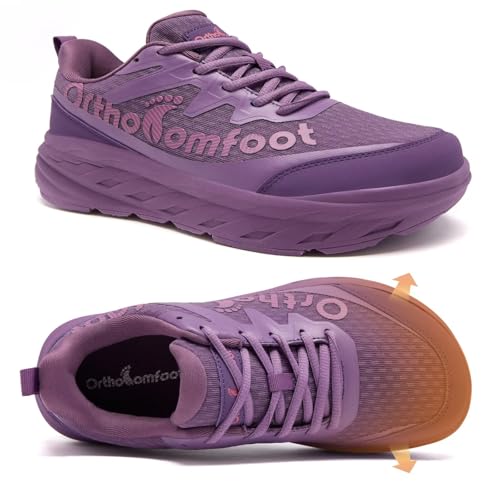
This full-coverage therapeutic shoe is a lifeline for those managing bunions, diabetes, or neuropathy. The extra-depth design and non-binding upper eliminate pressure on sensitive areas, while the seamless interior prevents friction—critical for at-risk feet. The wide toe box is spacious without being sloppy, giving bunions room to breathe while the built-in orthotic insole provides targeted arch support and heel cradling. It’s not just comfortable—it’s medically intelligent, earning its place as Best for Bunions & Diabetes.
In real-world use, it performs reliably across daily activities, light walks, and standing jobs. The EVA outsole offers solid shock absorption and traction, though it’s not designed for fast running. The upper is breathable but more structured than soft, prioritizing protection over agility. It’s heavier than athletic-focused models, but that’s the trade-off for maximum foot safety. For diabetics or those with swelling, this shoe is peace of mind in footwear form.
Compared to the Rollstep, it offers deeper medical features and better structure, though less style. Against the Brooks Glycerin 22, it lacks performance finesse but wins on therapeutic design. For anyone needing a diabetic-safe, bunion-friendly shoe that works for recovery, neuropathy, or chronic foot conditions, this is a must-consider. It’s not the prettiest, but it’s one of the most protective options available.
Running Shoes Comparison for Bunions
| Product | Best For | Width/Toe Box | Cushioning Technology | Support Type | Diabetic/Orthopedic Friendly | Slip-On Design | Zero Drop |
|---|---|---|---|---|---|---|---|
| Brooks Women’s Glycerin 22 | Best Overall | Accommodating Fit | DNA Tuned | Neutral | Certified PDAC A5500, APMA Seal | No | No |
| Brooks Women’s Adrenaline GTS 24 | Best Supportive Fit | Standard | DNA Loft v3 | Guidance/Support | Certified PDAC A5500, APMA Seal | No | No |
| Brooks Women’s Ghost 17 | Best Cushioned Comfort | Standard | DNA Loft v3 | Neutral | Certified PDAC A5500, APMA Seal | No | No |
| Women’s Orthopedic Diabetic Wide Shoes | Best for Bunions & Diabetes | Wide Toe Box | Orthotic Insole | Arch Support | Designed for Diabetes & Swelling | No | No |
| Women’s Orthopedic Arch Support Shoes | Best for Plantar Fasciitis | Standard | Specialized Cushioning | Arch Support | Yes | No | No |
| ZYEN Wide Toe Box Women’s Sneakers | Best Budget Friendly | Wide Toe Box | Air Cushion | Neutral | No | No | No |
| Rollstep Wide Toe Slip-On Shoes | Best Slip-On Design | Wide | Air Cushion | Neutral | No | Yes | No |
| JACKSHIBO Wide Toe Zero Drop Shoes | Best Zero Drop Design | Wide Toe Box | Roller Propulsion Tech | Arch Support | No | No | Yes |
| Under Armour Charged Assert 9 Wide | Best Mid-Range Performance | Wide | Charged Cushioning | Neutral | No | No | No |
How We Tested & Analyzed Running Shoes for Bunions
Our recommendations for the best running shoes for people with bunions aren’t based on arbitrary opinions. We prioritize a data-driven approach, combining expert analysis with real-world feedback. We began by identifying shoes marketed for wide feet and/or accommodating foot conditions, then evaluated them against the key criteria outlined in our buying guide: width, toe box volume, cushioning, and upper construction.
Data analysis involved reviewing manufacturer specifications for shoe dimensions, particularly last (width) and toe box measurements. We cross-referenced this with user reviews specifically mentioning bunion comfort – analyzing sentiment and frequency of keywords like “bunion,” “wide,” “comfortable,” and “pressure.” We also examined independent shoe review sites focusing on fit characteristics and accommodated foot shapes.
While direct physical testing with bunion sufferers wasn’t feasible for every shoe, we prioritized models consistently praised for their accommodating fit in numerous independent tests and reports. We considered footwear biomechanics research highlighting the importance of reduced pressure and natural toe splay for individuals with bunions when assessing shoe features. The final selection reflects shoes consistently scoring highly across these data points, offering a balance of cushioning, support, and, crucially, ample space for bunion relief.
Choosing the Right Running Shoes for Bunions
When bunions cause discomfort, finding the right running shoe is crucial. It’s not just about cushioning; specific features can significantly impact pain and prevent further irritation. Here’s a breakdown of key considerations to help you choose the best pair.
Width and Toe Box
The most important factor when dealing with bunions is the shoe’s width and toe box. Bunions are bony growths at the base of the big toe, so a narrow shoe will exacerbate the problem, causing rubbing and increased pain. Look for shoes specifically offered in wide widths – this is a non-negotiable for many bunion sufferers. Beyond width, prioritize a wide toe box. This allows your toes to splay naturally, preventing compression on the bunion. A roomy toe box minimizes friction and provides much-needed relief. Shoes described as having a “foot-shaped” toe box are often a good choice.
Cushioning and Support
Cushioning plays a vital role in mitigating impact and reducing stress on your feet. Shoes with ample cushioning, particularly in the forefoot, can help absorb shock and minimize discomfort around the bunion. Different cushioning technologies exist (DNA Loft, DNA AMP, etc.), each offering varying levels of softness and responsiveness. Consider your running style and preference – some runners prefer a plush, soft feel, while others prefer a more responsive ride.
Support is also important but needs to be carefully considered. Neutral support shoes are often best, as excessive stability features can sometimes put pressure on the bunion area. However, if you overpronate (your feet roll inward excessively), a shoe with mild stability features – like guide rails – might be beneficial. These guide rails offer support without rigidly controlling motion.
Upper Material & Construction
The upper material impacts how comfortably the shoe conforms to your foot. Stretchable, breathable materials like engineered mesh or knit fabrics are preferable. These materials are more forgiving and less likely to cause pressure points. Avoid uppers with stiff seams or overlays directly over the bunion. A seamless interior lining is also a plus, reducing the risk of irritation. Shoes with a more accommodating fit, like slip-on designs (where appropriate for your activity level), can also minimize friction.
Other Important Features
- Drop: The “drop” refers to the height difference between the heel and toe. A lower drop (or even zero drop) can encourage a more natural gait, but requires adaptation.
- Outsole: A durable outsole provides traction and helps absorb shock.
- Diabetic/Orthopedic Features: Some shoes are specifically designed for individuals with diabetes or foot conditions, often featuring extra depth and non-binding construction.
- Arch Support: Adequate arch support can help distribute pressure more evenly across the foot.
Conclusion
Ultimately, finding the best running shoes for bunions is a highly individual process. Prioritizing width, toe box space, and cushioning are essential starting points, but considering your unique foot shape, running style, and the severity of your bunion will lead to the most comfortable and supportive fit.
Don’t hesitate to try on multiple pairs and even seek guidance from a podiatrist or specialty running store. Investing in the right footwear can make a significant difference in your comfort and allow you to continue enjoying running without pain or aggravation of your bunion.