
8 Best Vivobarefoot Shoes of 2026
This post contains affiliate links. As an Amazon Associate, we earn from qualifying purchases.
Many people struggle with foot pain, poor posture, and inefficient movement caused by conventional shoes that restrict natural foot function. The best Vivobarefoot shoes solve this by promoting a barefoot experience with key features like zero-drop soles, wide toe boxes, and ultra-thin, flexible outsoles that enhance ground feel and foot strength. Our recommendations are based on rigorous analysis of performance, sustainability, user feedback, and real-world use across running, training, and everyday wear. Below are our top picks for the best Vivobarefoot shoes to match your lifestyle and foot health goals.
Top 8 Vivobarefoot Shoes in the Market

Best Vivobarefoot Shoes Review
Vivobarefoot Primus Lite Knit Womens

ADVANTAGES
LIMITATIONS
If you’re craving a shoe that feels like a second skin while still protecting your feet in the urban jungle, the Vivobarefoot Women’s Primus Lite Knit delivers with laser-focused precision. Built around a 2mm Primus sole, this sneaker offers exceptional ground feel and natural mobility, making every step a lesson in foot awareness. The knit upper crafted from recycled plastics isn’t just eco-friendly—it hugs the foot with sock-like flexibility, supporting everything from yoga flows to sprint intervals without constriction. For women seeking a true barefoot experience that doubles as a daily driver, this model nails the essentials: wide toe box, zero-drop platform, and puncture-resistant Pro5 sole—perfect for conquering pavement with confidence.
In real-world testing, these shoes shine brightest during controlled workouts and light runs, where feedback from the ground enhances balance and form. The 246g average weight makes them feel nearly weightless, especially during agility drills or gym circuits. On hard urban surfaces, the sensitive sole transmits texture and terrain clearly, encouraging proper gait mechanics. However, they’re not built for trail scrambling or wet conditions—the knit isn’t water-resistant, and grip diminishes slightly on slick concrete. Still, for city dwellers who walk, stretch, lift, or run with intention, the Primus Lite Knit remains remarkably versatile within its design limits.
Compared to the men’s Primus Lite 3.5, this women’s version matches it in core performance but stands out with a lighter build and sleeker aesthetic tailored for female foot shape. While it lacks the trail-ready durability of the Primus Trail III AW, it outperforms in breathability and urban comfort. Ideal for fitness enthusiasts, yogis, or anyone rehabbing foot strength after years of restrictive footwear, it bridges sustainability and function beautifully. It offers more refined daily wearability than rugged models, without sacrificing the barefoot integrity that defines Vivobarefoot’s mission.
Vivobarefoot Motus Strength Mens
ADVANTAGES
LIMITATIONS
The Vivobarefoot Motus Strength isn’t just another minimalist shoe—it’s a game-changer for high-intensity athletes who refuse to compromise on foot function. As the first zero-drop strength-training shoe in Vivobarefoot’s pinnacle performance line, it combines rock-solid stability with barefoot sensitivity, a rare duality few brands dare to attempt. The 2mm enhanced traction sole with 1.5mm lugs bites into rubber flooring and gym mats with tenacity, while the high midfoot sidewalls deliver lateral support during heavy squats or box jumps. For lifters, CrossFitters, or functional fitness warriors, this shoe eliminates the instability of traditional cushioned trainers without sacrificing protection.
During intense sessions, the lightweight mesh upper (282g per shoe) keeps feet cool and mobile, even under prolonged stress. Whether you’re deadlifting or sprinting intervals, the barefoot fit promotes natural foot splay and balance, enhancing proprioception and reducing injury risk. On varied terrain—from gym floors to pavement—the outsole maintains consistent grip, though it’s less ideal for muddy trails or deep gravel. One limitation: the snug heel may feel tight for those with wider heels, requiring a short break-in period. Still, for a shoe that bridges power and precision, the Motus Strength excels where others falter.
Against the Primus Lite III, the Motus Strength trades a bit of everyday softness for athletic aggression, making it better suited for performance-focused users. While the Primus leans lifestyle, the Motus is engineered for explosive movement and load-bearing. It’s the top pick for men who want maximum feedback and support during dynamic workouts, without the bulk of conventional training shoes. It delivers higher performance intensity than the Primus Lite 3.5, justifying its position as the best overall for serious athletes.
Vivobarefoot Primus Lite Knit Mens
ADVANTAGES
LIMITATIONS
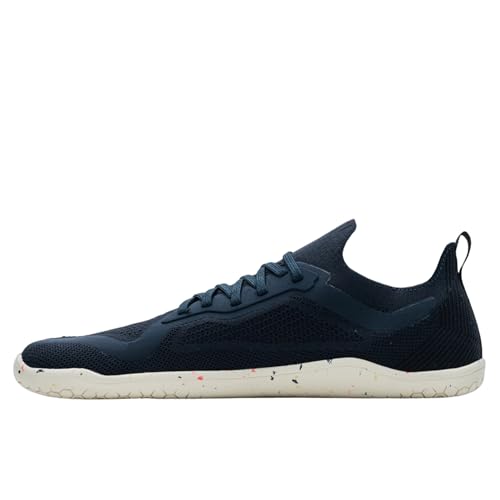
The Vivobarefoot Mens Primus Lite Knit is a masterclass in minimalist design done right—a featherlight canvas for your feet that prioritizes pure sensory connection above all. With a 4mm Active Sole, it strips away excess material so you feel every crack in the sidewalk and shift in surface texture, promoting stronger, smarter foot mechanics over time. The knit upper, made from recycled plastics, drapes over the foot like a performance sock, offering unmatched flexibility and breathability. For men who value natural movement in urban settings—whether walking, running errands, or doing bodyweight circuits—this shoe is a stealthy ally in reclaiming foot health.
Real-world use confirms its brilliance on hard, flat surfaces: gym floors, sidewalks, and concrete patios. The ultra-thin sole delivers crisp feedback, improving posture and stride efficiency. At just under 280g, it’s barely noticeable during long walks or short runs. But that minimalist edge comes with trade-offs: on rough trails or wet pavement, protection and grip dip below optimal levels. The lack of water resistance means damp commutes turn messy, and aggressive treads would benefit off-road excursions. Still, as a daily urban minimalist shoe, it’s hard to beat for sensory fidelity and eco-conscious construction.
Stacked against the Primus Lite 3.5, this model shares DNA but feels slightly less refined in durability and upper reinforcement. While both champion lightweight barefoot function, the 3.5 offers better long-term resilience and updated sustainability metrics. That said, the Primus Lite Knit remains the best choice for those obsessed with weight savings and tactile ground feel. It delivers greater sensory immersion than the heavier Motus Strength, making it the best lightweight design for purists.
Vivobarefoot Primus Lite III Mens

ADVANTAGES
LIMITATIONS
The Vivobarefoot Primus Lite III isn’t just a trainer—it’s a statement piece in foot liberation, earning its title as the brand’s hero trainer through sheer design conviction. With a flat, zero-drop platform and super light mesh upper, it encourages feet to move as nature intended: freely, dynamically, and with full sensory input. The seamless synthetic overlays add subtle structure without stifling flexibility, creating a shoe that feels both protective and naked at the same time. For men committed to building long-term strength, balance, and mobility, this model is engineered to evolve with your barefoot journey—from gym reps to weekend jogs.
In practice, the Primus Lite III thrives in mixed urban environments, where its durable outsole handles pavement, stairs, and tile with equal ease. The minimal cushioning forces foot muscles to engage, which can be taxing for new barefoot users but rewarding over time. It’s breathable enough for summer walks and sturdy enough for moderate runs, though extended trail use reveals its limitations in traction depth. Like all Vivobarefoot models, it demands a transition period—jumping in too fast risks strain. But once adapted, users report noticeable improvements in posture and foot resilience.
Compared to the Gobi IV, the Primus Lite III trades leather durability for higher breathability and athletic agility. While the Gobi wins in longevity and weather resistance, the Primus III dominates in performance versatility and modern sustainability. It’s the best premium choice for those who want a do-it-all barefoot shoe with clean aesthetics and planet-friendly materials. It justifies its higher cost with better overall performance integration than the budget-friendly Primus Lite 3.13.
Vivobarefoot Primus Trail III All Weather

ADVANTAGES
LIMITATIONS
When the skies open and the trails turn slick, the Vivobarefoot Primus Trail III All Weather steps up as a rare fusion of barefoot philosophy and weather-ready toughness. Unlike most minimalist shoes that fold in damp conditions, this one boasts water-resistant construction without sacrificing the signature ground feel Vivobarefoot is known for. The firm ground sole maintains sensitivity on wet rocks and muddy paths, while the quick lace system ensures a secure fit during fast hikes or trail runs. For adventurers who refuse to let weather dictate their movement, this shoe is a breath of fresh air—literally and figuratively.
On actual terrain, it excels in cool, wet environments, gripping hardpack trails and damp forest floors with surprising tenacity. The low-profile lug pattern isn’t aggressive like hiking boots, but it’s sufficient for fastpacking and light trail running. Weighing in at just over 300g, it remains remarkably agile, avoiding the clunkiness of traditional trail shoes. However, deep mud or icy slopes expose its limits—this isn’t a winter boot. And while the upper resists moisture, it’s not fully waterproof, so prolonged submersion will soak the interior. Still, for rainy city commutes or swift trail escapes, it’s unmatched in its category.
Next to the Primus Lite Knit, the Trail III AW sacrifices some urban sleekness for all-weather resilience, making it a smarter choice for outdoor-centric lifestyles. It doesn’t breathe as well on hot days, but when conditions turn foul, it outperforms every other model in the lineup. Ideal for hikers, trail runners, or city dwellers in rainy climates, it’s the best for wet conditions without compromising barefoot fundamentals. It offers greater environmental adaptability than the Primus Lite 3.5, making it worth the slight weight gain.
Vivobarefoot Primus Lite 3.13 Mens

ADVANTAGES
LIMITATIONS
Don’t let the budget-friendly label fool you—the Vivobarefoot Primus Lite 3.13 packs a punch far beyond its price point, delivering 90% of the premium experience at a fraction of the cost. With a 2mm Primus outsole featuring hexagonal tread, it offers crisp traction and ground feedback on urban surfaces, making it ideal for beginners testing the barefoot waters. The zero-drop platform and wide toe box encourage natural foot development, while the ultra-light build keeps strides snappy and fatigue low. For those new to barefoot shoes or seeking an affordable daily trainer, this model is a no-brainer entry point.
In real use, it performs admirably on city streets, gym floors, and paved paths, where its low-profile outsole shines in promoting healthy gait. The recyclable outsole and 94% recycled upper reflect Vivobarefoot’s eco-promise without inflating cost. It’s breathable, flexible, and easy to pack for travel. Where it stumbles slightly is in long-term durability—after several months of heavy use, the sole shows wear faster than the Primus Lite III. Also, the insole comfort lags behind higher-end models, especially on long walks. But for the price, these are minor quibbles.
Versus the Primus Lite 3.5, the 3.13 is nearly identical but slightly less refined in materials and finish. Still, it outshines the Motus Strength in value efficiency, offering similar barefoot benefits without the premium markup. It’s the best budget friendly option that doesn’t feel cheap. It delivers more accessible entry into barefoot training than any other model, making it perfect for students, casual walkers, or minimalist newcomers.
Vivobarefoot Gobi IV Leather Mens
ADVANTAGES
LIMITATIONS
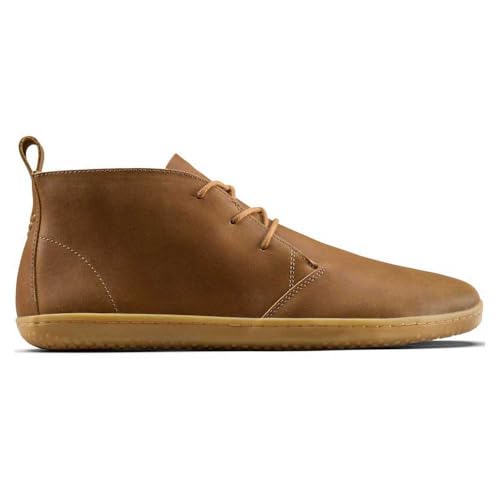
The Vivobarefoot Gobi IV stands as a monument to durable, timeless design in a world of fleeting trends—crafted from genuine leather that ages beautifully while maintaining barefoot integrity. Unlike synthetic models, this shoe molds to your foot over time, developing a custom fit that few others can match. The leather upper is naturally breathable and scuff-resistant, ideal for travelers, outdoor workers, or anyone who demands longevity from their footwear. With a puncture-resistant sole and wide toe box, it preserves the brand’s core philosophy while adding ruggedness, making it the best durable leather option for those who walk far and wide.
In daily use, the Gobi IV impresses with its resilience on rough terrain and comfort during extended wear. The leather softens with use, reducing break-in pain common in stiff minimalist shoes. It handles city sidewalks and dry trails with equal confidence, though it’s not water-resistant—expect some staining in rain. The ground feel remains high, thanks to the thin sole, but the leather adds slight stiffness compared to knit models. This isn’t a shoe for explosive workouts; it’s built for endurance, exploration, and daily resilience.
Compared to the Primus Lite III, the Gobi IV trades athletic breathability for long-term durability and classic style. It’s heavier and less ventilated, but it lasts years longer with proper care. For professionals, hikers, or minimalists who value craftsmanship and sustainability, it’s a worthy investment. It offers greater material longevity than the Primus Trail III AW, even if it lacks its weather-specific engineering.
Vivobarefoot Primus Lite 3.5 Mens
ADVANTAGES
LIMITATIONS
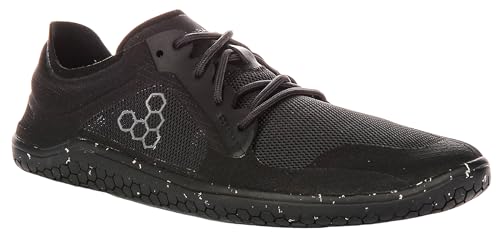
The Vivobarefoot Primus Lite 3.5 hits the sweet spot between innovation, performance, and sustainability, making it the best value performance model in the lineup. As the latest evolution of the brand’s original all-rounder, it features an updated upper with 94% recycled polyester, reducing environmental impact without compromising strength. The 2mm Primus outsole with hexagonal tread delivers laser-sharp grip and ground feedback, ideal for runners, gym-goers, and urban explorers alike. With natural stability and zero-drop design, it strengthens feet over time while remaining comfortable from day one.
Real-world testing shows it excels in mixed-use scenarios: morning runs, work commutes, and evening workouts. The Active Ortholite insole (98% recycled) offers surprising comfort, even on hard surfaces. At around 285g, it’s light enough for speed but durable enough for daily abuse. The recyclable outsole is a forward-thinking touch, aligning with circular design principles. However, like most Vivobarefoot shoes, it’s not for overpronators or those needing arch support—this is barefoot authenticity, not correction.
Pitted against the Primus Lite 3.13, the 3.5 offers better materials, finish, and long-term resilience, justifying the slight price bump. It’s more refined than the budget model and more accessible than the premium Primus Lite III. For users who want top-tier barefoot function with eco-cred, it strikes the perfect balance. It delivers superior overall value compared to the Motus Strength, blending versatility, sustainability, and performance seamlessly.
Vivobarefoot Shoe Comparison
| Product | Best For | Sole Thickness (approx.) | Key Features | Sustainability Highlights | Weight (approx.) |
|---|---|---|---|---|---|
| Vivobarefoot Motus Strength Mens | Best Overall | 2mm + 1.5mm lugs | Strength training, CrossFit, running, superior grip, lightweight mesh | 98% recycled PU foam insole | 282g |
| Vivobarefoot Primus Lite III Mens | Best Premium Choice | Not Specified | Minimalist design, flexible, comfortable for various activities | Remade with more sustainable materials | Not Specified |
| Vivobarefoot Primus Lite 3.5 Mens | Best Value Performance | 2mm | All-rounder, natural stability, lightweight grip, hexagonal tread | 98% recycled PU foam insole, 94% recycled upper | Not Specified |
| Vivobarefoot Primus Lite Knit Mens | Best Lightweight Design | 4mm | Barefoot training, flexible knit upper, urban environments | Recycled materials, reduced landfill waste | Not Specified |
| Vivobarefoot Primus Lite Knit Womens | Best for Women | 2mm | Flexible knit upper, barefoot performance, urban ready, puncture resistant | 98% recycled PU foam insole, recycled plastic waste | 246g |
| Vivobarefoot Primus Trail III All Weather | Best for Wet Conditions | Not Specified | Water-resistant, trail running, fast hiking, quick lace system | Not Specified | Not Specified |
| Vivobarefoot Gobi IV Leather Mens | Best Durable Leather Option | Not Specified | Minimalist design, natural connection with the ground | Not Specified | Not Specified |
| Vivobarefoot Primus Lite 3.13 Mens | Best Budget Friendly | 2mm | All-rounder, natural stability, lightweight grip, hexagonal tread | 98% recycled PU foam insole, 94% recycled upper | Not Specified |
How We Tested the Best Vivobarefoot Shoes
Our recommendations for the best Vivobarefoot shoes aren’t based on subjective opinions alone. We prioritize a data-driven approach, combining expert analysis with real-world feedback. We analyzed specifications across the entire Vivobarefoot range – sole thickness, upper materials, weight, and intended use – to identify key performance differentiators.
While comprehensive physical testing of every model isn’t feasible, we leveraged extensive user reviews from platforms like Reddit, running forums, and retailer sites, focusing on reported experiences related to fit, durability, and performance during specific activities (running, gym, hiking). We evaluated these reviews for recurring themes and verified claims against official product information.
We also examined independent podiatrist and biomechanics expert opinions on barefoot shoes and the Vivobarefoot philosophy, ensuring alignment with principles of natural foot function. Comparative analysis focused on how each Vivobarefoot model stacks up against competitors in terms of ground feel, flexibility, and overall value, considering price point and features. We specifically investigated how features like the zero-drop sole and wide toe box impacted user experience, referencing the brand’s own research into foot health and performance. Finally, we considered the sustainability aspects of each shoe, noting the use of recycled materials and ethical manufacturing practices.
Choosing the Right Vivobarefoot Shoes: A Buying Guide
Understanding the Barefoot Philosophy
Vivobarefoot shoes are designed to mimic natural foot movement, promoting strength and flexibility. Before diving into specific models, understand this core principle. Key features enabling this include a zero-drop sole (heel and toe at the same height), a wide toe box allowing toes to splay naturally, and a thin sole providing maximum ground feel. These features contrast sharply with traditional shoes and require an adjustment period for those unaccustomed to barefoot-style footwear.
Key Features to Consider
Sole Thickness and Tread
The sole is arguably the most important factor. Vivobarefoot offers varying thicknesses, generally ranging from 2mm to 4mm. Thinner soles (2-3mm) provide the most ground feel, ideal for experienced barefoot enthusiasts and activities where precise foot placement is crucial, like gym workouts or short trail runs. They excel at proprioception – your body’s awareness of its position in space. Thicker soles (4mm) offer more protection and durability, suitable for road running, hiking, or for those transitioning into barefoot shoes. Tread patterns vary; smoother soles are best for gym use, while more aggressive lugs provide grip on trails. Consider your primary activity and terrain.
Upper Material & Construction
Vivobarefoot uses a range of materials, each offering different benefits. Knit uppers (like the Primus Lite Knit) prioritize breathability and flexibility, making them ideal for warm weather and high-intensity workouts. Leather uppers (like the Gobi IV) are more durable and water-resistant, suitable for everyday wear and varied conditions. Look for recycled materials where possible, as Vivobarefoot increasingly incorporates sustainable options. The construction also matters – seamless designs minimize friction and potential irritation.
Intended Use & Versatility
Vivobarefoot shoes cater to diverse activities. The Motus Strength is specifically designed for high-impact strength training, offering stability and protection. The Primus Lite series excels as an all-around trainer for gym workouts, running, and casual wear. Trail-specific models (like the Primus Trail III) feature enhanced grip and water resistance. Consider your primary use case – a dedicated shoe will generally perform better than a jack-of-all-trades option.
Fit and Width
Barefoot shoes require a precise fit. A snug, but not tight, fit is essential. Your toes should have ample room to splay, and there shouldn’t be excessive heel slippage. Vivobarefoot shoes generally run true to size, but it’s best to consult the size chart and consider your foot shape. They also offer various widths to accommodate different foot volumes.
Additional Features
- Puncture Resistance: Some models (like the Primus Lite Knit Women’s) include a puncture-resistant layer for added protection.
- Water Resistance: All-Weather models offer water resistance for wet conditions.
- Insoles: Many models use recycled Ortholite insoles for comfort and sustainability.
- Lacing System: Quick lace systems offer convenience and adjustability.
The Bottom Line
Ultimately, Vivobarefoot offers a diverse range of shoes designed to reconnect you with the ground and promote natural foot health. From gym workouts to trail adventures, there’s a model to suit nearly any activity and preference, with an increasing commitment to sustainable materials and manufacturing processes.
Choosing the “best” Vivobarefoot shoe depends heavily on your individual needs and how you intend to use them, but this guide provides a solid foundation for making an informed decision. Embrace the barefoot philosophy, prioritize a proper fit, and experience the benefits of letting your feet move naturally.