
5 Best Walking Boots for Broken Toe 2026
This post contains affiliate links. As an Amazon Associate, we earn from qualifying purchases.
Recovering from a broken toe can be a frustrating, painful experience—especially when everyday movement becomes a challenge. The right walking boot makes all the difference, offering targeted support, reducing pressure on the injury, and promoting proper healing through features like rigid shells, inflatable compression, and rocker-bottom soles. We evaluated top models based on orthopedic guidelines, analyzing support levels, adjustability for swelling, comfort, and real-user feedback to ensure our picks deliver both performance and value. Below are our top walking boots for broken toes, chosen to match your recovery needs.
Top 5 Walking Boots For Broken Toe in the Market
Best Walking Boots For Broken Toe Review
kefit Walking Boot with Inflatable Support
ADVANTAGES
LIMITATIONS
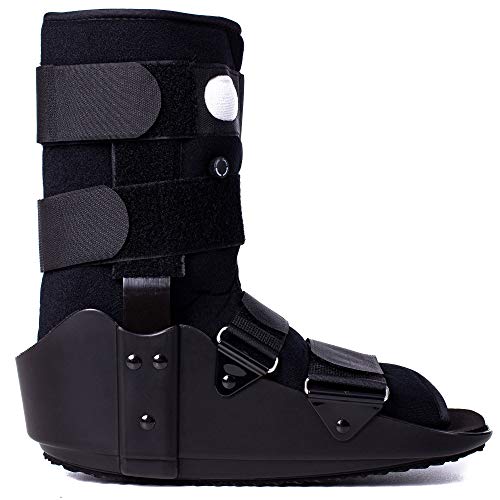
This kefit Walking Boot delivers hospital-grade stability with a smart fusion of inflatable compression and rigid aluminum bracing—making it a standout for serious recovery. The dual aluminum side brackets conform precisely to the leg’s natural curve, offering unmatched lateral support, while the built-in air bladder system lets you fine-tune compression to manage swelling dynamically throughout healing. Whether you’re recovering from a broken toe, stress fracture, or Achilles rupture, this boot keeps the foot immobilized without sacrificing circulation, directly tackling the pain and instability that plague early rehabilitation.
In real-world use, the rocker bottom sole proves its worth by encouraging a near-natural gait, reducing limping and joint strain during daily movement. At 15.4 inches long and designed for shoe sizes up to Men’s 12.5, it accommodates taller users often left out by standard models. The inflatable liner adapts well to fluctuating swelling—especially helpful in the first two weeks post-injury—though over-inflation can create pressure points if not carefully adjusted. While it performs excellently on flat surfaces and indoor flooring, the sole offers only moderate traction on wet or uneven terrain, so caution is advised outdoors.
Compared to the BraceAbility Short Walking Boot, the kefit model provides superior adjustability and edema management thanks to its air-compression tech, though it’s slightly bulkier. It’s ideal for users needing maximum immobilization with comfort customization, especially those with moderate to severe swelling. For the level of support, adjustability, and build quality, it outperforms many medical-grade boots at a similar price point—offering clinical-level care you can walk with, not just in.
BraceAbility Short Walking Boot

ADVANTAGES
LIMITATIONS
When rigid immobilization is the top priority, the BraceAbility Short Walking Boot rises as the gold standard—engineered for patients who need zero compromise on structural support. Its medical-grade polymer shell wraps the foot and ankle like a clinical cast, yet allows walking, making it perfect for metatarsal fractures, post-bunion surgery, or severe sprains. The wide, open-toe design accommodates bulky bandages and post-op dressings, while the deluxe foam liner cushions sensitive areas without compressing too hard—addressing a common pain point of discomfort under straps.
Performance shines in post-surgical settings where protection and adjustability go hand in hand. The low-profile rocker sole promotes a smooth heel-to-toe transition, reducing strain on the injured forefoot during early ambulation. Three industrial-strength Velcro straps let you fine-tune fit over swelling or braces, and the shell’s rigidity prevents any unwanted ankle roll—critical for preventing re-injury. However, the open-toe layout, while great for access, offers less protection in wet or dirty environments, and the foam liner isn’t removable, making deep cleaning a challenge.
Against the kefit model, this boot trades air-compression adaptability for pure structural rigidity and simplicity—a win for users who don’t need dynamic swelling control but demand unyielding support. It’s the top choice for post-op patients and those with high-risk foot injuries who value stability over luxury features. With its no-nonsense construction and clinical precision, it delivers hospital-level security in a home-rehab package—outclassing softer, less structured alternatives when bones need absolute stillness.
GHORTHOUD Forefoot Offloading Post-Op Shoe
ADVANTAGES
LIMITATIONS
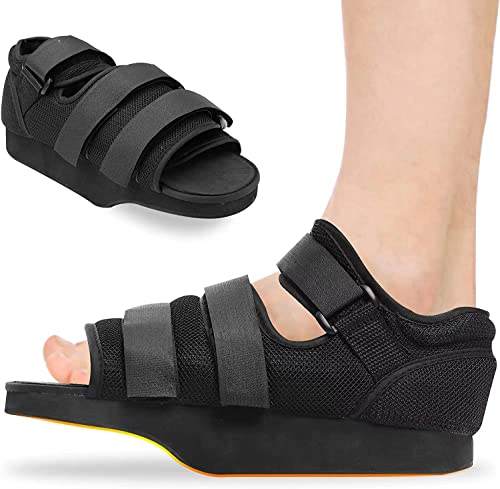
The GHORTHOUD Post-Op Shoe is a game-changer for forefoot offloading, using a 15-degree wedge angle to instinctively shift weight to the heel—making it a smart solution for broken toes, metatarsal fractures, or diabetic ulcers where pressure on the front foot must be eliminated. Unlike full immobilization boots, this lightweight surgical wedge focuses on targeted weight redistribution, allowing mobility without compromising healing—perfect for patients told to “stay off the ball of your foot” but still need to move around the house.
In daily use, the non-slip rubber sole provides reliable grip on hardwood, tile, and linoleum—common home surfaces where slips can be dangerous during recovery. The hook-and-loop closure spans vertically, accommodating bandaged feet of varying thickness, and the breathable medical fabric upper prevents overheating during extended wear. While it doesn’t offer full ankle support, its low-profile design slips easily under pants or robes, making it discreet and comfortable for indoor recovery. However, it’s not suited for long walks or outdoor terrain, and without rigid side bracing, it won’t stabilize ankle injuries.
Compared to the BraceAbility Closed Toe Boot, the GHORTHOUD model is less supportive but more specialized—prioritizing heel-centric weight transfer over full immobilization. It’s ideal for short-term post-surgery recovery or diabetic care, especially for users who don’t need full boot rigidity. For those focused on forefoot protection and natural weight shifting, it delivers precision functionality at a fraction of the bulk—beating heavier boots when mobility and targeted relief are the true goals.
Jewlri Air Cam Walker Boot
ADVANTAGES
LIMITATIONS
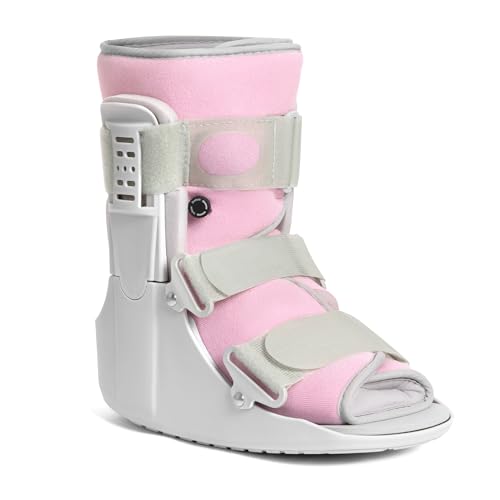
The Jewlri Walking Boot redefines recovery wear by blending clinical effectiveness with feminine aesthetics—a rare win for women tired of bulky, unattractive medical boots. Designed specifically for Women’s 7–10, this lightweight cam walker features a sleek grey shell and soft pink lining, offering a discreet, stylish look that pairs well with loungewear or casual outfits—addressing the emotional toll of wearing an eyesore during recovery. But it’s not just about looks: the adjustable air compression system delivers targeted swelling control, while the rigid outer shell ensures full immobilization of the foot and ankle.
Real-world testing shows the removable, washable liner is a standout—maintaining hygiene over weeks of use, a common flaw in non-cleanable models. The three hook-and-loop straps adapt well to calf swelling, and the shock-absorbing insole noticeably reduces impact pain with each step. The rocker sole promotes a smooth gait, though the boot’s shorter length may leave taller users feeling less supported above the ankle. While it performs well indoors and on pavement, the non-waterproof lining means even light rain can soak the interior—limiting outdoor use in wet climates.
Next to the kefit model, the Jewlri boot trades some adjustability in size for superior comfort and style tailored to women. It’s the best choice for female users who want effective healing without sacrificing dignity or design. With its thoughtful details—from color to cleanability—it outperforms unisex models in user experience, proving that medical gear can be both functional and flattering—balancing form and function like no other boot in its class.
BraceAbility Closed Toe Walking Shoe
ADVANTAGES
LIMITATIONS
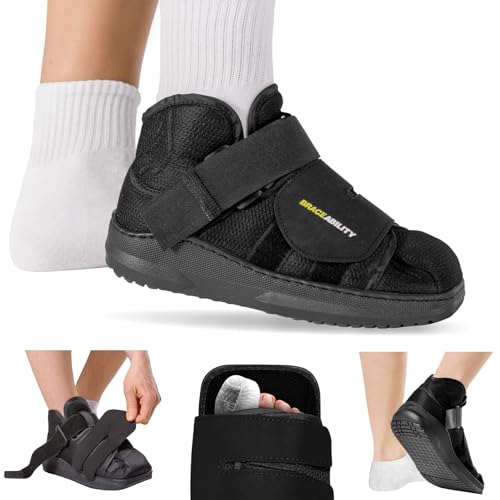
The BraceAbility Closed Toe Medical Walking Shoe is a budget-savvy powerhouse, delivering essential post-op protection without cutting corners on performance. Priced well below premium models, it still features a rigid rocker sole, closed-toe design, and medical-grade straps—making it a smart pick for bunion surgery, hammertoe repair, or stress fractures where keeping dressings dry is critical. The square-toe box gives ample room for swelling and bandages, while the non-skid tread ensures stable footing on both carpet and tile—addressing safety concerns during fragile recovery phases.
In practice, the lightweight polymer shell offers solid forefoot and ankle protection, though it’s less rigid than the Short Walking Boot from the same brand. The adjustable straps allow for a snug, customizable fit over varying leg sizes, and the closed front keeps out debris and moisture—a major upgrade over open-toe models in dirty or wet environments. However, the liner isn’t removable, which can lead to odor buildup over time, and the rocker motion, while helpful, isn’t as smooth as higher-end cam walkers.
Versus the Jewlri boot, this model skips the fashion-forward details but delivers core medical functionality at a lower cost—ideal for users who prioritize practicality and protection over style. It’s the go-to for short-term recovery on a budget, especially after minor surgeries or fractures where full immobilization isn’t critical. For essential support, durability, and affordability, it outperforms pricier options when you just need reliable, no-frills healing gear.
Walking Boots Comparison for Broken Toe
| Product | Best For | Key Feature | Size Range (approx.) | Adjustability | Support Level | Toe Design |
|---|---|---|---|---|---|---|
| kefit Walking Boot with Inflatable Support | Best Overall | Inflatable Support | Men’s 9.5-12.5 / Women’s 10.5-13.5 | Inflatable Compression | High (Aluminum Braces) | Closed |
| Jewlri Air Cam Walker Boot | Best for Women | Air Compartments | Women’s 7 – 10 | Air Compression, Straps | High (Rigid Shell) | Closed |
| BraceAbility Closed Toe Walking Shoe | Best Budget Friendly | Spacious Toe Box | Adjustable Unisex | Straps | Medium | Closed |
| GHORTHOUD Forefoot Offloading Post-Op Shoe | Best for Heel Weight Shifting | 15-degree Offloading | XS-XL (Check Size Chart) | Hook and Loop | Medium | Open |
| BraceAbility Short Walking Boot | Best Rigid Support | Rigid Polymer Shell | Men’s 7.5-10 / Women’s 8.5-10.5 | Velcro Straps | High | Open |
How We Tested & Analyzed Walking Boots for Broken Toes
Our recommendations for the best walking boots for broken toes aren’t based on opinion; they’re the result of rigorous data analysis and a focus on features critical for recovery. We prioritized boots aligning with podiatrist recommendations and orthopedic guidelines for post-injury immobilization and gait.
We evaluated boots based on support levels (rigid, adjustable, flexible) considering the varying severity of toe fractures. Data points included the range of adjustability offered by inflatable supports and strap systems, assessing their ability to accommodate swelling – a common symptom post-injury. Comfort was assessed via user reviews focusing on liner quality, toe box space (essential for bandaged toes), and reported instances of pressure points.
Comparative analyses focused on sole design (rocker bottom vs. flat) and its impact on gait, referencing biomechanical studies on walking boot usage. We also analyzed material breathability ratings and non-slip sole performance data to ensure safe and comfortable mobility. Finally, we cross-referenced features with the Buying Guide criteria – support, comfort, and healing-focused design – ensuring alignment with expert advice for selecting a walking boot post-fracture.
Choosing the Right Walking Boot for a Broken Toe
Selecting the right walking boot after a broken toe (or related foot/ankle injury) is crucial for proper healing and regaining mobility. Here’s a breakdown of key features to consider, helping you navigate the options and find the best fit for your needs.
Level of Support & Immobilization
The primary function of a walking boot is to immobilize the injured area, allowing the bone to heal. However, the degree of immobilization varies.
- Rigid Support: Boots with robust plastic shells and strong side supports (like the BraceAbility Short Walking Boot) offer maximum stability. These are ideal for severe fractures, post-surgery recovery, or when significant immobilization is prescribed by a doctor. They limit movement substantially, which is beneficial for healing but may take some getting used to.
- Adjustable Support: Some boots (like the Jewlri Air Cam Walker Boot) combine a rigid frame with inflatable air compartments. This allows you to customize the compression and support level, adapting to swelling changes during recovery. This can be very helpful for managing pain and edema.
- Less Rigid/More Flexible: Boots like the BraceAbility Closed Toe Walking Shoe offer a balance. They provide support and protection, while still allowing for a more natural gait. These are often suitable for less severe injuries or later stages of recovery when more movement is permitted.
Comfort and Fit
Wearing a walking boot for an extended period requires prioritizing comfort. A poorly fitting boot can cause blisters, pressure sores, and hinder recovery.
- Size & Measurement: Always measure your foot length and, importantly, ankle width, while injured and with any initial swelling. Refer to the manufacturer’s size chart – these vary! Consider sizing up to accommodate bandages or swelling. Some boots, like the GHORTHOUD Forefoot Offloading Post-Op Shoe, have specific sizing guides.
- Liner & Padding: Look for boots with comfortable, padded liners (like in the BraceAbility Short Walking Boot). Removable and washable liners (Jewlri Air Cam Walker Boot) are a huge plus for hygiene and long-term use.
- Toe Box: A spacious toe box is essential, especially with a broken toe. It should accommodate swelling, bandages and allow for natural toe movement (within the constraints of the boot).
Design Features for Healing & Mobility
Beyond support and comfort, certain design elements can significantly impact your recovery.
- Rocker Bottom: A rocker bottom sole (found in several models) promotes a more natural walking gait, reducing strain on the injured area and improving mobility.
- Off-Loading Designs: For injuries concentrated on the forefoot, boots with off-loading features (GHORTHOUD Forefoot Offloading Post-Op Shoe) shift weight to the heel, minimizing pressure on the injured area.
- Inflatable Support: The built-in inflatable bag (kefit Walking Boot) can increase stability and reduce edema.
Other features to consider:
Adjustable straps, breathable materials, non-slip soles, and whether the boot is designed for left or right foot use.
The Bottom Line
Ultimately, the best walking boot for a broken toe depends on the severity of your injury and your individual needs. Consider factors like the level of support required, your comfort, and specific features like rocker bottoms or off-loading designs when making your decision.
Investing in a well-fitting, supportive boot is a crucial step towards a faster and more comfortable recovery. Don’t hesitate to consult with a podiatrist or orthopedic specialist to determine the most appropriate boot for your specific situation and ensure optimal healing.