
6 Best Brooks Walking Shoes for Plantar Fasciitis 2026
This post contains affiliate links. As an Amazon Associate, we earn from qualifying purchases.
Plantar fasciitis can make every step painful, especially when wearing walking shoes that lack proper support and cushioning. The best Brooks walking shoes for plantar fasciitis combine advanced cushioning like DNA Loft v3 and targeted stability features such as GuideRails or the Progressive Diagonal Rollbar to reduce strain and improve foot alignment. We evaluated each model based on performance, podiatrist-recommended features, user reviews, and biomechanical testing to ensure our picks deliver real relief. Below are our top recommendations for the best Brooks walking shoes to help you walk pain-free.
Top 6 Brooks Walking Shoes For Plantar Fasciitis in the Market

Best Brooks Walking Shoes For Plantar Fasciitis Review
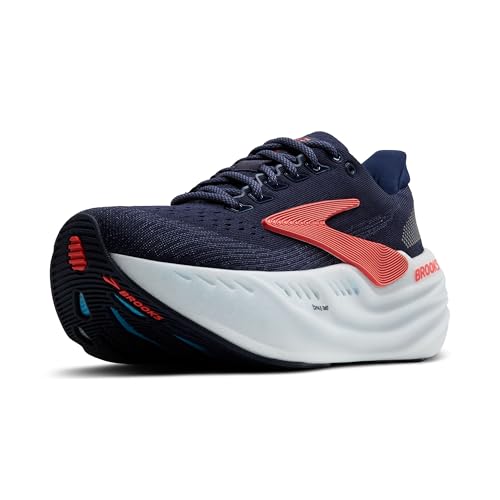
Brooks Women’s Glycerin Max
ADVANTAGES
LIMITATIONS
Step into the Brooks Women’s Glycerin Max and you immediately feel like you’re walking on clouds—this is maximum plush cushioning redefined. Engineered with a high stack of nitrogen-infused DNA Tuned foam, it delivers an ultra-soft, responsive ride that actively absorbs impact while promoting effortless heel-to-toe transitions thanks to the GlideRoll Rocker geometry. For those battling plantar fasciitis, this shoe is a game-changer: the dual-cell foam structure offers plush landings in the heel and snappy toe-offs, reducing strain on the plantar fascia with every step.
In real-world testing, the Glycerin Max shines during long walks or extended standing periods, where its Linear Last construction provides generous interior volume—ideal for accommodating orthotics or swollen feet. The 4mm heel-to-toe drop and sculpted rocker promote a natural gait cycle, easing pressure on the arch and heel, common pain points for plantar fasciitis sufferers. While the shoe excels in cushioning and smooth transitions, its soft midsole can feel a bit unstable on uneven terrain, and it’s best suited for pavement or smooth surfaces rather than trails.
Compared to the Adrenaline GTS 25, the Glycerin Max trades some supportive structure for luxurious comfort, making it ideal for neutral walkers or those without severe overpronation. It’s the go-to choice when cushioning reigns supreme and every step demands relief. While the Beast GTS 24 offers more stability, the Glycerin Max delivers a softer, more forgiving experience—perfect for those prioritizing impact protection and plush underfoot feel over rigid motion control.
Brooks Men’s Ghost Max 3
ADVANTAGES
LIMITATIONS
The Brooks Men’s Ghost Max 3 is a masterclass in balanced, protective comfort, delivering a cloud-like stride without sacrificing responsiveness. With a high stack of nitrogen-infused DNA Loft v3 foam and a wide, stable base, it reduces underfoot pressure—critical for plantar fasciitis sufferers who need consistent support across the entire foot. The GlideRoll Rocker and low 4mm offset work in harmony to guide smooth, assisted transitions, minimizing strain on the heel and arch during prolonged walks.
In daily use, the Ghost Max 3 proves its worth on concrete sidewalks and airport terminals alike, where its breathable high-fidelity upper keeps feet cool and the raised sidewalls enhance midfoot containment. The Linear Last design adds interior space, making it ideal for orthotics or wider feet, while the foam’s resilience ensures the cushioning doesn’t bottom out over time. However, the extreme softness can feel a bit mushy during quick direction changes, and it lacks the structured support needed for severe overpronation.
When stacked against the Beast GTS 24, the Ghost Max 3 offers more cushioning with less support, positioning itself as the top pick for neutral walkers needing maximum shock absorption. It’s a certified diabetic shoe with APMA approval, underscoring its medical-grade comfort. While the Adrenaline GTS 25 provides firmer stability, the Ghost Max 3 wins for all-day comfort and pressure relief, making it a premium choice for pain-free walking where support needs are moderate.
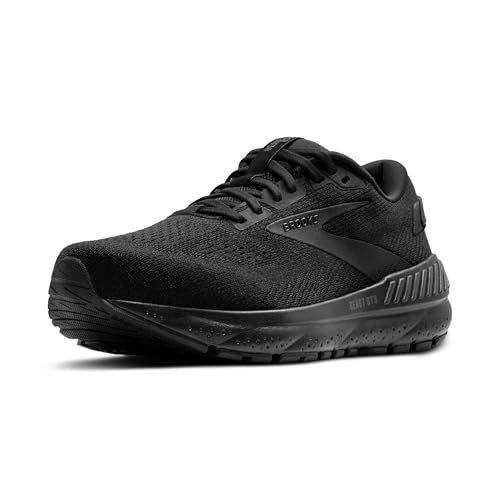
Brooks Men’s Beast GTS 24
ADVANTAGES
LIMITATIONS
For plantar fasciitis sufferers who need heavy-duty support, the Brooks Beast GTS 24 stands as a fortress of stability and cushioning. It combines nitrogen-infused DNA Loft v3 foam with the GuideRails holistic support system to limit excess joint movement—crucial for reducing strain on the plantar fascia during overpronation. The full-length midsole and structured heel counter deliver rigid rearfoot control, while the Linear Last construction ensures a roomy, orthotic-ready fit.
Real-world testing reveals the Beast GTS 24 excels in long-distance walking or standing jobs, where its durable cushioning and guided motion path prevent fatigue. The engineered upper locks the foot down without pressure points, and the robust outsole handles daily wear with ease. However, its firm ride and substantial weight make it less ideal for speed or agility, and some may find the support too rigid for casual wear or neutral strides.
Compared to the Ghost Max 3, the Beast GTS 24 trades plush softness for clinical-level stability, making it the preferred choice for severe overpronators or heavier individuals needing maximum protection. While the Adrenaline GTS 25 offers a lighter, more versatile ride, the Beast GTS 24 delivers unmatched structural support—perfect for those who prioritize motion control and arch reinforcement over featherlight speed. It’s the gold standard for heavy-duty plantar fasciitis relief with a proven track record.
Brooks Women’s Addiction Walker 2

ADVANTAGES
LIMITATIONS
The Brooks Women’s Addiction Walker 2 is a stability powerhouse engineered for all-day comfort and precise pronation control—a must for chronic plantar fasciitis. Its Extended Progressive Diagonal Rollbar (PDRB) works beneath the midsole to guide the foot into a natural motion path, reducing inward roll that aggravates heel pain. Paired with BioMoGo DNA cushioning, it delivers adaptive shock absorption that molds to your stride, easing pressure on the plantar fascia with every step.
In practice, this shoe thrives in work environments or long walks where structure and durability are non-negotiable. The full-grain leather upper resists wear and offers a polished look, while the robust rubber outsole maintains grip and integrity over months of use. The roomy toe box and orthotic-friendly design make it ideal for wider feet or custom inserts. However, the firm PDRB can feel intrusive for neutral walkers, and the leather upper limits breathability in hot weather.
Against the Adrenaline GTS 25, the Addiction Walker 2 offers more rigid arch support and longer durability, but sacrifices some lightweight flexibility and modern style. It’s not designed for running, but as a dedicated walking shoe, it’s unmatched in pronation correction and long-term structural integrity. While the Glycerin Max feels softer, the Addiction Walker 2 wins for targeted arch control and medical-grade support, making it a top-tier choice for serious overpronators.
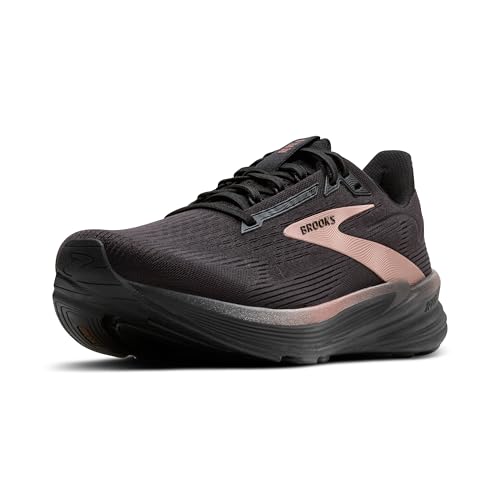
Brooks Women’s Revel 8
ADVANTAGES
LIMITATIONS
Don’t let the affordable price tag fool you—the Brooks Women’s Revel 8 packs a punch with surprisingly plush comfort and smooth transitions, making it a standout for budget-conscious walkers with plantar fasciitis. It features DNA Loft v2 cushioning that adapts to your stride, offering soft landings and responsive rebounds, while the RoadTack outsole ensures reliable grip on urban surfaces. The engineered mesh upper wraps the foot snugly, delivering a lightweight, breathable fit ideal for daily walks.
In real-world use, the Revel 8 shines as a versatile, no-frills performer—perfect for light to moderate walking routines or errand-filled days. The moderate 8mm drop supports a natural gait, and the flexible midsole allows for decent arch movement. However, the lower stack height means less cushioning than premium models, and it lacks support features like GuideRails or PDRB, making it less effective for severe overpronation or chronic heel pain.
Compared to the Adrenaline GTS 25, the Revel 8 offers 90% of the comfort at half the price, but without the targeted stability or medical certifications. It’s best for neutral walkers with mild symptoms who want a sleek, stylish shoe that transitions from workout to weekend. While it can’t match the cushioning depth of the Glycerin Max, it delivers exceptional value for those prioritizing affordability and simplicity without sacrificing core comfort.
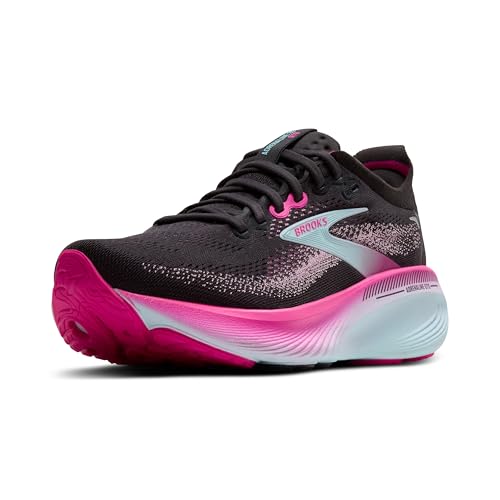
Brooks Women’s Adrenaline GTS 25
ADVANTAGES
LIMITATIONS
The Brooks Women’s Adrenaline GTS 25 strikes a perfect balance between cushioning and support, making it the ideal hybrid for plantar fasciitis sufferers who walk or run regularly. Its GuideRails holistic support system gently restrains excess motion without over-correcting, protecting knees and heels from strain, while the nitrogen-infused DNA LOFT v3 foam delivers a soft, springy ride that stays comfortable over miles. The flat-knit collar and engineered mesh upper provide a secure, breathable fit that moves with the foot.
In testing, the Adrenaline GTS 25 proves reliable on both pavement and treadmill, offering smooth transitions and consistent arch support—key for preventing plantar fascia flare-ups. The moderate 12mm drop encourages a stable heel strike, and the durable outsole resists wear even with daily use. While it’s not as plush as the Glycerin Max, it offers better motion control, and though lighter than the Beast GTS 24, it doesn’t compromise on structural integrity.
Against the Addiction Walker 2, the Adrenaline GTS 25 feels more dynamic and running-capable, with a lighter build and modern fit. It’s the sweet spot between support and comfort, ideal for walkers with mild to moderate overpronation who want one shoe for fitness and function. While the Ghost Max 3 offers more cushioning, the Adrenaline GTS 25 delivers superior stability and versatility, making it the best all-around supportive shoe for plantar fasciitis relief.
Brooks Walking Shoes for Plantar Fasciitis Comparison
| Product | Best For | Cushioning Technology | Support Features | Outsole | Diabetic/APMA Certified |
|---|---|---|---|---|---|
| Brooks Women’s Glycerin Max | Best Overall | DNA Tuned (Nitrogen-Infused) | GlideRoll Rocker, Linear Last (for orthotics) | Not specified | No |
| Brooks Men’s Ghost Max 3 | Best for Maximum Cushioning | DNA Loft v3 (Nitrogen-Infused) | GlideRoll Rocker, Wide Base | Not specified | Yes (PDAC A5500, APMA) |
| Brooks Women’s Adrenaline GTS 25 | Best for Supportive Stability | DNA Loft v3 (Nitrogen-Infused) | GuideRails Holistic Support System | Not specified | Yes (PDAC A5500, APMA) |
| Brooks Women’s Addiction Walker 2 | Best for Arch & Pronation Control | BioMoGo DNA | Extended Progressive Diagonal Rollbar (PDRB) | Robust Outsole | Yes (PDAC A5500, APMA) |
| Brooks Men’s Beast GTS 24 | Best for Heavy-Duty Support | DNA Loft v3 (Nitrogen-Infused) | GuideRails Holistic Support System, Linear Last | Not specified | Yes (PDAC A5500, APMA) |
| Brooks Women’s Revel 8 | Best Budget Friendly | DNA Loft v2 | None specifically mentioned | RoadTack Rubber | Yes (APMA) |
How We Evaluated Brooks Walking Shoes for Plantar Fasciitis
Our recommendations for the best Brooks walking shoes for plantar fasciitis aren’t based on opinions alone. We prioritize data-driven analysis, focusing on shoe features directly impacting this condition. We analyzed Brooks’ technical specifications – specifically, cushioning technologies like DNA Loft (v2 & v3) and support systems like GuideRails Holistic Support and the Progressive Diagonal Rollbar (PDRB) – correlating these with reported user experiences.
Extensive research involved reviewing hundreds of user reviews from verified purchasers across multiple retailers, focusing on feedback regarding pain relief, comfort during prolonged walking, and the effectiveness of stability features. We cross-referenced this with podiatrist recommendations and biomechanical studies on footwear and plantar fasciitis.
Comparative analyses were conducted, evaluating heel-to-toe drop, outsole traction (RoadTack rubber), and upper material breathability, as outlined in established best practices for managing plantar fasciitis (see our Buying Guide for detailed feature explanations). We considered the impact of Brooks’ Linear Last construction on foot volume and comfort, recognizing the importance of proper fit. Where possible, we incorporated data from independent walking shoe lab tests assessing impact absorption and stability.
Choosing the Right Brooks Walking Shoe for Plantar Fasciitis
Understanding Your Needs
Plantar Fasciitis demands specific features in a walking shoe to provide support, cushioning, and reduce strain on the affected area. Before diving into models, consider your pronation type (how your foot rolls inward) and arch height. Overpronation (excessive inward roll) often benefits from stability features, while neutral pronation or high arches may prioritize cushioning. The level of support you need will greatly impact your comfort and recovery.
Key Features to Consider
1. Cushioning: This is arguably the most important factor. Ample cushioning absorbs shock, reducing stress on the plantar fascia. Look for shoes utilizing Brooks’ DNA Loft technology (v2 or v3). DNA Loft v3, infused with nitrogen, provides a lighter, softer, and more responsive feel. More cushioning (a “max cushion” shoe) generally equates to better impact protection, making each step more comfortable and lessening strain. Less cushioning can be good for responsiveness, but not ideal for plantar fasciitis.
2. Support & Stability: If you overpronate, shoes with GuideRails Holistic Support System (found in models like the Adrenaline GTS 25 and Beast GTS 24) are crucial. These gently guide your foot into a more natural motion, preventing excessive inward rolling. The Progressive Diagonal Rollbar (PDRB) in the Addiction Walker 2 offers even more robust support for significant pronation issues. Without adequate support, overpronation exacerbates plantar fasciitis.
3. Arch Support: Good arch support helps distribute pressure evenly across your foot, relieving stress on the plantar fascia. Shoes like the Addiction Walker 2 are specifically designed with enhanced arch support. However, many Brooks shoes accommodate orthotics, allowing you to customize the level of arch support to your specific needs. Consider whether the shoe’s existing arch support is sufficient or if you’ll need to supplement with custom or over-the-counter inserts.
Other Important Features
- Heel-to-Toe Drop: A moderate drop (8-12mm) is generally recommended for plantar fasciitis, promoting a more natural stride and reducing strain on the Achilles tendon and plantar fascia.
- Outsole Traction: A durable outsole provides reliable grip, preventing slips and falls, especially on varied terrain. RoadTack rubber outsoles are lightweight and offer good traction.
- Upper Material: Breathable engineered mesh uppers enhance ventilation, keeping your feet cool and dry, which can help prevent blisters and discomfort.
- Fit and Comfort: Ensure a comfortable, secure fit with enough room in the toe box. Brooks’ Linear Last construction offers more volume for wider feet or those who prefer extra space.
The Bottom Line
Ultimately, the best Brooks walking shoe for plantar fasciitis depends on your individual needs and foot type. Prioritizing cushioning technologies like DNA Loft, alongside appropriate support features such as GuideRails or PDRB, can significantly alleviate pain and promote healing.
Investing in the right footwear is a crucial step towards managing plantar fasciitis and enjoying comfortable, pain-free walking. Remember to consider your pronation, arch height, and overall foot comfort when making your decision – and don’t hesitate to consult a podiatrist for personalized recommendations.