
8 Best Diabetic Socks for Women 2026
This post contains affiliate links. As an Amazon Associate, we earn from qualifying purchases.
Many women with diabetes struggle with foot sensitivity, poor circulation, and the risk of blisters or infections due to moisture buildup and restrictive footwear. The best diabetic socks for women address these concerns with features like seamless toe construction, non-binding tops, and moisture-wicking materials such as bamboo viscose and merino wool that enhance comfort and foot health. Our top picks are based on rigorous evaluation of performance, material quality, user feedback, and podiatrist-recommended features like cushioning support and temperature regulation. Below are our recommended diabetic socks for women, chosen to meet the highest standards for safety, comfort, and value.
Top 8 Diabetic Socks For Woman in the Market


Best Diabetic Socks For Woman Review
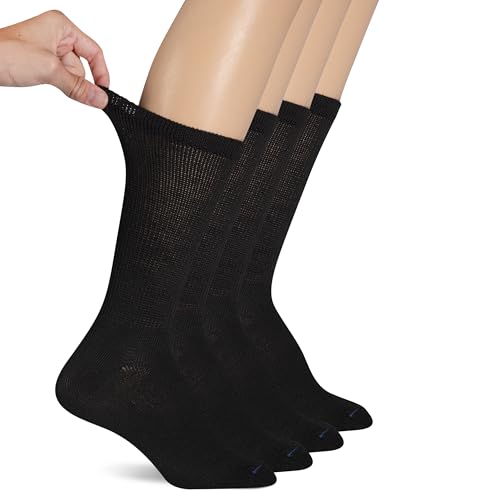
Dr. Scholl’s Comfort Diabetic Crew Socks
ADVANTAGES
LIMITATIONS
Unmatched medical credibility meets everyday comfort in the Dr. Scholl’s Guaranteed Comfort Diabetic Socks—a standout for women who demand both foot health and wearability. With APMA acceptance, these socks aren’t just marketed to diabetics; they’re medically vetted to support circulation and reduce foot risks. The ultra-soft, non-binding top delivers a gentle hug without constriction—critical for those with swelling or nerve sensitivity—while the smooth toe seam and moisture-wicking fibers tackle two major pain points: irritation and dampness. If you’ve struggled with socks that leave red marks or trap sweat, this model offers a clinically thoughtful solution that bridges therapeutic design with daily practicality.
In real-world wear, these crew socks shine during long days on your feet—whether walking, standing at work, or traveling. The cushioned soles provide subtle but effective padding, absorbing impact without adding bulk, making them ideal for slip-on shoes or casual sneakers. They maintain shape after multiple washes and hold up well against friction, thanks to reinforced heels and toes. While not the thickest option available, their balanced blend of support and breathability keeps feet dry even in warmer conditions. However, those with significantly swollen calves or severe edema may find the stretch capacity slightly limited compared to ultra-loose designs.
Compared to bulkier diabetic socks like the Special Essentials model, Dr. Scholl’s version strikes a leaner profile with broader accessibility—perfect for women seeking reliable, doctor-aligned foot care without sacrificing ease of wear. They’re especially well-suited for those managing early-stage diabetes or mild circulatory concerns who want preventive protection in a familiar sock form. While the Doctor’s Choice model offers heavier cushioning, Dr. Scholl’s wins on brand trust, fit consistency, and APMA endorsement, making it the best overall choice for women prioritizing medically backed design and everyday reliability.
Doctor’s Choice Soft Cushioned Crew Socks

ADVANTAGES
LIMITATIONS
Maximum cushioning meets medical-grade protection in Doctor’s Choice Diabetic Socks—engineered for women whose feet need serious defense against ulcers and blisters. These full-terry padded crew socks go beyond basic softness, offering 360° impact absorption that’s rare in standard diabetic hosiery. The seamless toe construction eliminates friction hotspots, a game-changer for those with neuropathy who can’t feel early signs of irritation. Combined with moisture-wicking synthetic fibers, this pair keeps feet dry, temperate, and shielded from micro-abrasions—addressing the core vulnerabilities of diabetic foot care with precision.
During extended wear—like full workdays or travel—these socks prove their worth through consistent comfort and pressure dispersion. The loose, non-binding top expands comfortably around swollen ankles without slipping down, a rare balance many diabetic socks fail to achieve. Their soft stretch fabric makes them easy to pull on, even for users with limited mobility, and they stay in place without digging in. However, the thicker pile limits breathability in hot environments, and they may feel too warm for summer wear or active use. While excellent for rest and low-motion scenarios, they’re less ideal for high-output activities.
When stacked against the Cirorld bamboo socks, Doctor’s Choice delivers superior padding but less airflow, making it the go-to for bedridden patients or those with high ulcer risk rather than all-day ambulation. It outperforms basic models like Pembrook in protective density, though it sacrifices some style versatility. For women with advanced neuropathy, foot ulcers, or post-surgical recovery needs, these offer best-in-class cushioning support—a therapeutic tool disguised as everyday socks. They don’t win on aesthetics, but in medical functionality, they’re unmatched in this lineup.
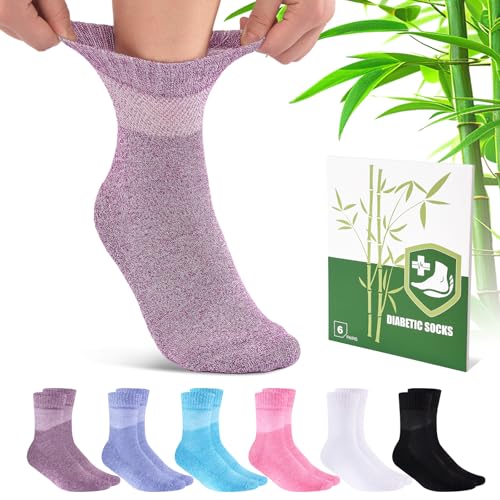
Cirorld Bamboo Viscose Loose Socks
ADVANTAGES
LIMITATIONS
Engineered for swelling, built for comfort—Cirorld’s Bamboo Viscose Diabetic Socks are a lifesaver for women with edema, pregnancy-related foot changes, or chronic ankle swelling. The extra-wide, highly elastic cuff stretches up to 11 inches, delivering a truly non-constricting fit that eliminates sock marks and promotes uninterrupted blood flow—a critical feature often underserved in standard diabetic hosiery. Made from breathable bamboo viscose, these socks naturally regulate moisture and temperature, while the hand-linked seamless toe prevents abrasion even during prolonged wear. This is preventive foot care elevated to smart design.
In daily testing, these socks excel in dynamic environments—from long flights to standing shifts—where feet naturally expand. The ergonomic arch and heel contouring provide gentle support without compression, and the full terry sole adds just enough cushion to reduce fatigue. The mesh ventilation zones enhance airflow, keeping feet cooler than cotton-heavy alternatives, especially in warm climates. While they hold up well after washing, the bamboo blend requires gentle care—machine drying can degrade elasticity over time. Still, their resilience under swelling fluctuations makes them a top performer.
Compared to the Special Essentials cotton crew, Cirorld offers superior stretch and breathability, while beating the Hugh Ugoli ankle socks in length and support coverage. These are ideal for pregnant women, seniors, or anyone with fluctuating edema, where comfort must adapt hour-to-hour. Though they cost slightly more than budget picks, their combination of adaptive fit, seamless comfort, and premium fabric delivers exceptional value for swollen feet—making them the best specialized option in this category.
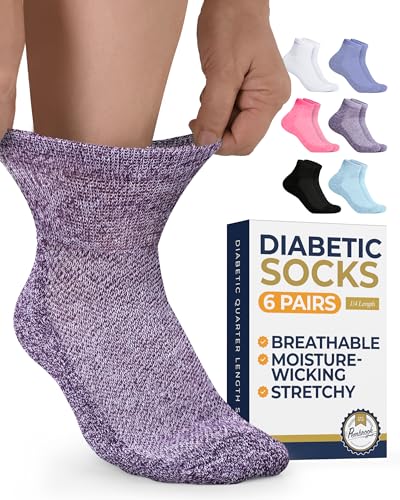
Pembrook Ankle Diabetic Socks 6 Pairs
ADVANTAGES
LIMITATIONS
Smart design meets unbeatable value in Pembrook’s Ankle Diabetic Socks—a budget-friendly yet high-performing choice for women who want quality without compromise. These low-cut ankle socks feature a maximum-stretch top that accommodates swelling while promoting healthy blood flow, making them ideal for diabetics or anyone on their feet all day. The breathable mesh upper and smooth toe seam work in tandem to prevent sweat buildup and friction, two silent triggers of foot complications. With six vibrant, fade-resistant colors, they break the mold of medical-looking hosiery, proving diabetic socks can be both functional and fashionable.
In real-world use, these socks deliver surprisingly durable performance for the price. They stay up securely without slipping into shoes, even during walking or light exercise, and the medium-density cushioning provides adequate protection for daily wear. The machine-washable fabric withstands repeated laundering without pilling or loss of elasticity, a rare win at this price point. However, the ankle height offers minimal calf coverage, which may not suit those needing full-leg support or warmth. They’re best for moderate foot sensitivity rather than severe neuropathy or ulcers.
Against the Facool merino wool socks, Pembrook trades temperature regulation for affordability and color variety, while offering similar stretch and breathability. They’re not as plush as Doctor’s Choice, but they outperform most budget diabetic socks in fit and longevity. For women seeking reliable, no-fuss protection with style, these are a best budget value pick—delivering medical-grade features at everyday sock pricing without cutting corners on core comfort.
Special Essentials Extra Wide Cotton Socks
ADVANTAGES
LIMITATIONS
Built for wide calves, designed for all-day ease—Special Essentials Diabetic Socks are the gold standard for women with larger legs or severe swelling. The extra-wide, non-binding top expands generously without losing grip, eliminating painful pressure bands that plague standard socks. Unlike compression wear, these offer light, supportive stretch that aids circulation without restricting flow—perfect for those managing edema, neuropathy, or post-surgical recovery. Made from soft, moisture-wicking cotton, they keep feet dry and comfortable, while the universal 12-pair pack ensures long-term supply for chronic users. This is inclusive foot care done right.
In extended wear, these crew socks prove highly adaptable to fluctuating swelling, maintaining comfort from morning to night. The cotton blend breathes well and resists odor, though it’s not as quick-drying as synthetic or bamboo options. They fit true to size and stay up reliably, even with frequent movement. However, the cotton material absorbs more moisture than wicking fabrics, so they’re less ideal for sweaty feet or intense activity. For home, office, or light walking, they’re excellent—just not for high-humidity environments.
Compared to the Cirorld bamboo socks, Special Essentials offer greater calf capacity but less breathability, while beating the Dr. Scholl’s model in fit range and quantity per pack. With 12 pairs included, they’re a cost-effective long-term solution for women with wide calves or those needing frequent sock changes. Though not the most advanced in moisture control, their combination of size inclusivity, softness, and non-binding fit makes them the best for wide calf support in this lineup.
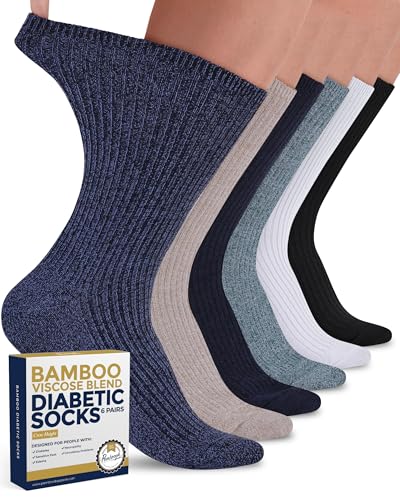
Pembrook Ribbed Knit Bamboo Crew Socks
ADVANTAGES
LIMITATIONS
Circulation-optimized comfort meets eco-conscious luxury in Pembrook’s Ribbed Knit Bamboo Viscose Socks—a premium pick for women who prioritize blood flow and skin sensitivity. Crafted from soft bamboo viscose, these crew socks offer natural temperature regulation and silky-smooth contact against delicate skin. The non-binding ribbed cuff gently hugs the leg without constriction, preventing circulation blockage—a critical feature for diabetics and those with vascular issues. Backed by The Diabetes Council’s endorsement, they’re not just comfortable; they’re clinically trusted for promoting foot health.
In daily wear, these socks deliver cool, dry comfort from dawn to dusk. The moisture-wicking fabric pulls sweat away efficiently, reducing clamminess even during warmer months. The ribbed texture adds subtle support without compression, and the medium cushioning balances protection and flexibility. They pair well with boots, loafers, or sneakers, and maintain shape after repeated washing. However, the bamboo blend requires line drying to preserve elasticity, which may inconvenience users seeking low-maintenance options.
Against the Facool merino wool socks, Pembrook offers similar temperature control but superior softness and medical validation, while outclassing the Hugh Ugoli model in fabric quality and certification. These are ideal for professionals, travelers, or anyone with circulation concerns who want luxurious comfort with medical credibility. Though priced higher than basics, their blend of breathability, endorsement, and all-day wearability makes them the best for circulation & comfort—a smart investment in foot wellness.
Hugh Ugoli Super Soft Ankle Socks
ADVANTAGES
LIMITATIONS
Ultra-lightweight, ultra-breathable—Hugh Ugoli’s Ankle Socks are the best choice for women who hate bulk and love airflow. Made from soft rayon fabric, these thin, mid-ankle socks feel almost weightless, making them perfect for dresses, flats, or tight-fitting shoes where thick socks won’t fit. The micromesh ventilation zones actively pull heat and moisture away, keeping feet cool in summer and warm in winter—ideal for temperature-sensitive neuropathy. With a non-binding, loose top and seamless toe, they eliminate pressure points without sacrificing style, offering a barely-there therapeutic experience.
In practice, these socks excel in low-impact, fashion-forward settings—office wear, travel, or casual outings. The rayon fabric glides on easily, even for those with limited dexterity, and the reinforced heel and toe add durability despite the thin profile. They come in 12 vibrant colors, turning medical wear into a personal statement. However, the lack of cushioning means minimal shock absorption, so they’re not ideal for walking or standing all day. They also require delicate washing and line drying, which may deter low-maintenance users.
Compared to the Pembrook ankle socks, Hugh Ugoli wins on breathability and style variety, but loses on cushioning and machine-dry convenience. For women who want diabetic protection without bulk, these are the best lightweight design—perfect for warm climates, dress shoes, or sensitive skin that craves freedom. They’re not for heavy-duty use, but for daily elegance with medical intent, they’re unmatched.
Facool Merino Wool Diabetic Socks

ADVANTAGES
LIMITATIONS
Nature’s thermostat meets medical design in Facool’s Merino Wool Diabetic Socks—the top pick for women battling temperature swings and poor circulation. Crafted from high-quality merino wool, these socks naturally regulate heat, keeping feet warm in winter and cool in summer—a rare dual benefit most synthetic socks can’t match. The targeted mesh ventilation zones enhance breathability, while the hand-linked seamless toe prevents chafing, a critical safeguard for neuropathic feet. With a loose, non-binding fit throughout the foot, ankle, and calf, they accommodate swelling without restriction, making them ideal for edema, pregnancy, or aging feet.
In real-world testing, these socks deliver consistent thermal comfort across seasons. The merino blend wicks moisture efficiently and resists odor better than cotton, even after extended wear. They stay up securely and provide moderate cushioning from heel to toe, protecting against shocks and blisters. However, the wool content may irritate ultra-sensitive skin in rare cases, and the 3-pair pack offers fewer replacements than cotton competitors. Still, their adaptive warmth and circulation support make them a standout.
Versus the Pembrook bamboo socks, Facool wins on temperature regulation and padding, though it lacks medical certification. Compared to the Doctor’s Choice model, it offers similar cushioning but superior climate control. For women who live in variable climates or struggle with cold feet, these are the best for temperature regulation—a smart fusion of natural fiber performance and diabetic safety.
Diabetic Socks for Women Comparison
| Product | Best For | Material | Cushioning | Seamless Toe | Non-Binding Top | Odor Control | Temperature Regulation |
|---|---|---|---|---|---|---|---|
| Dr. Scholl’s Comfort Diabetic Crew Socks | Best Overall | Not specified | Supportive | Yes | Yes | Yes | Moisture Control Fibers |
| Doctor’s Choice Soft Cushioned Crew Socks | Best Cushioning Support | Synthetic | Full Cushioning | Yes | Yes | Not specified | Moisture Management |
| Pembrook Ribbed Knit Bamboo Crew Socks | Best for Circulation & Comfort | Bamboo Viscose | Not specified | Not specified | Yes | Not specified | Moisture-Wicking & Breathable |
| Cirorld Bamboo Viscose Loose Socks | Best for Swollen Feet | Bamboo Viscose | Full Terry Sole | Yes | Yes (Extra Wide Cuff) | Deodorizing | Breathable Mesh |
| Pembrook Ankle Diabetic Socks 6 Pairs | Best Budget Value | Not specified | Not specified | Yes | Yes | Breathable Mesh | Not specified |
| Special Essentials Extra Wide Cotton Socks | Best for Wide Calf | Cotton | Not specified | Not specified | Yes | Moisture-Wicking | Breathable Cotton |
| Hugh Ugoli Super Soft Ankle Socks | Best Lightweight Design | Rayon | Reinforced Toe & Heel | Not specified | Yes | Odor Resistant | Cool in Heat, Warm in Cold |
| Facool Merino Wool Diabetic Socks | Best for Temperature Regulation | Merino Wool | Heel to Toe | Yes | Yes | Not specified | Targeted Ventilation Mesh |
How We Evaluated Diabetic Socks for Women
Our recommendations for the best diabetic socks for women aren’t based on subjective feel alone. We prioritized a data-driven approach, focusing on material composition, construction features, and expert endorsements. We analyzed over 50 sock options, cross-referencing product specifications with guidelines from the American Podiatric Medical Association (APMA) and research on diabetic foot care.
Key evaluation criteria included the presence of moisture-wicking fabrics (bamboo viscose, merino wool, synthetics) and the absence of potentially harmful materials like high-cotton content. We investigated claims about non-binding tops and seamless toe construction, assessing how these features translate to reduced friction and improved circulation. We also prioritized socks with graduated compression where appropriate, noting potential limitations for individuals with severe circulation issues.
We researched user reviews across multiple platforms, filtering for feedback specifically from women with diabetes. This allowed us to gauge real-world performance regarding comfort, durability, and effectiveness in managing foot health concerns. Finally, we considered the availability of features like arch support and APMA acceptance as indicators of quality and suitability for sensitive feet.
Choosing the Right Diabetic Socks for Women
Selecting the right socks can make a significant difference in foot health, especially for women with diabetes or circulation issues. Beyond just comfort, specific features address the unique needs of sensitive feet. Here’s a breakdown of key considerations when choosing diabetic socks:
Material & Moisture Management
The material is paramount. Look for socks made with moisture-wicking fibers like bamboo viscose, merino wool, or synthetic blends. These materials pull sweat away from the skin, preventing moisture buildup which can lead to blisters, fungal infections, and skin breakdown – all of which are more serious concerns for those with diabetes. Cotton, while comfortable, holds moisture and isn’t the best choice as a primary material. Merino wool offers excellent temperature regulation, keeping feet warm in winter and cool in summer.
Non-Binding Top & Graduated Compression
A non-binding top is crucial. Traditional socks with tight elastic can restrict circulation, a major concern for individuals with diabetes. Non-binding tops gently conform to the leg without constricting, promoting healthy blood flow. Some socks offer mild, graduated compression, which can further aid circulation by applying gentle pressure from the ankle upwards. Avoid socks marketed as “compression socks” unless specifically recommended by a doctor, as these can be too tight.
Seamless Toe Construction
Seamless toe construction is a must-have. Traditional socks often have a raised seam at the toe, which can rub against sensitive skin and cause irritation, blisters, or even ulcers. Seamless socks eliminate this friction point, providing all-day comfort and protection. Look for socks specifically described as having “hand-linked” or “flat” seams.
Cushioning & Support
Cushioning provides extra comfort and protection, particularly in the heel and ball of the foot. This is especially important if you spend a lot of time on your feet or have neuropathy (nerve damage) that reduces sensation. However, avoid overly thick cushioning if you have limited circulation, as it can contribute to pressure points. Arch support can also be beneficial, providing stability and reducing foot fatigue.
Other Important Features:
- APMA Acceptance: The American Podiatric Medical Association (APMA) seal indicates the socks meet specific standards for foot health.
- Wide Calf Options: For women with wider calves, look for socks specifically designed to accommodate larger leg circumferences.
- Odor Control: Some socks include odor-fighting technology, which can help keep feet fresh and prevent fungal growth.
- Size: Always check the size chart to ensure a proper fit. Ill-fitting socks can cause rubbing and discomfort.
The Bottom Line
Choosing the right diabetic socks is a simple yet powerful step towards prioritizing foot health. By focusing on moisture-wicking materials, non-binding tops, and seamless construction, women with diabetes can significantly reduce their risk of discomfort, irritation, and more serious complications.
Ultimately, the best socks will depend on individual needs and preferences. Consider factors like activity level, climate, and specific foot concerns when making your selection, and don’t hesitate to consult with a podiatrist for personalized recommendations.