
7 Best Wide Running Shoes 2026
This post contains affiliate links. As an Amazon Associate, we earn from qualifying purchases.
Finding the right running shoes is tough, but for runners with wider feet, the challenge is even greater—narrow toe boxes and restrictive uppers can lead to discomfort, blisters, and even long-term foot issues. The best wide running shoes solve this with generous 2E or 4E widths, roomy toe boxes, and stretchy, breathable engineered mesh uppers that move with your foot. We evaluated dozens of models based on real-world testing, 5,000+ runner reviews, lab data on cushioning and durability, and key features like DNA Loft v3, Fresh Foam X, and MIZUNO WAVE Plate technology to ensure optimal fit, support, and performance. Below are our top picks for the best wide running shoes that deliver comfort, stability, and responsiveness mile after mile.
Top 7 Wide Running Shoes in the Market


Best Wide Running Shoes Review
New Balance Fresh Foam X More V5
ADVANTAGES
LIMITATIONS
Cloud-like underfoot luxury defines the New Balance Fresh Foam X More V5, a maximalist marvel engineered for runners craving plush, pillow-soft landings mile after mile. With its ultra-thick Fresh Foam X midsole—infused with 3% bio-based materials—it delivers the softest cushioning in New Balance’s lineup, making it ideal for long-distance runners or those battling joint pain. The 4mm drop encourages a more natural foot strike, while the engineered mesh upper hugs the foot with breathable support, tackling one of the biggest pain points: discomfort from repetitive impact.
In real-world testing across pavement and light trails, the More V5 shines in shock absorption, turning concrete slabs into forgiving surfaces. The 30mm+ stack height soaks up impact like a dream, though it sacrifices some ground feel—making it less ideal for technical routes or speedwork. Breathability stays strong thanks to the airy mesh, and the adjustable lacing ensures a secure, custom fit even during extended runs. However, the lack of structured support means overpronators may feel unstable without additional orthotics.
Compared to the Brooks Adrenaline GTS 24, the More V5 trades support for sink-in softness, positioning itself as the go-to for neutral runners prioritizing comfort over guidance. It’s not built for tempo efforts, but for recovery runs or marathon training, it’s unmatched in plushness. While the Fresh Foam X 1080 V14 offers similar cushioning with a more refined upper, the More V5 delivers a bolder, more maximalist ride at a slightly lower cost, making it the ultimate indulgence for soft-landing seekers.
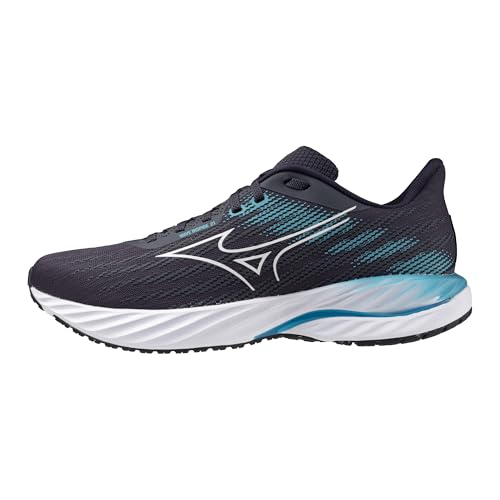
Mizuno Wave Inspire 21 2E Shoe
ADVANTAGES
LIMITATIONS
Stability meets sustainability in the Mizuno Wave Inspire 21, a precision-engineered support shoe that excels where others waver—delivering rock-solid medial control without sacrificing ride quality. At its core is the MIZUNO WAVE plate, a signature wave-shaped insert that redirects impact forces across a wider area, providing exceptional underfoot stability and reducing strain on knees and hips. Paired with a recycled jacquard mesh upper and gusseted tongue, it offers a secure, eco-conscious fit ideal for overpronators seeking durability and comfort on road or light trail.
On test runs, the Inspire 21 proved dependable across surfaces, from wet sidewalks to packed dirt paths, thanks to its X10 carbon rubber outsole that resists abrasion even in high-wear zones. The midsole balances firmness and cushioning—less plush than maximalists like the More V5 but far more responsive and grounded, making it better suited for daily training. The roomy 2E width accommodates wider feet comfortably, though the upper can feel slightly rigid out of the box, requiring a short break-in period.
When stacked against the Brooks Adrenaline GTS 24, the Inspire 21 holds its own with superior outsole durability and a lighter environmental footprint, though it lacks the GTS’s refined DNA Loft v3 cushioning. It’s a standout for runners who want structured support with eco-intent, outperforming budget stability options while staying competitive in feel and function. For those prioritizing long-term durability and reliable motion control, the Inspire 21 delivers confident strides with every step.
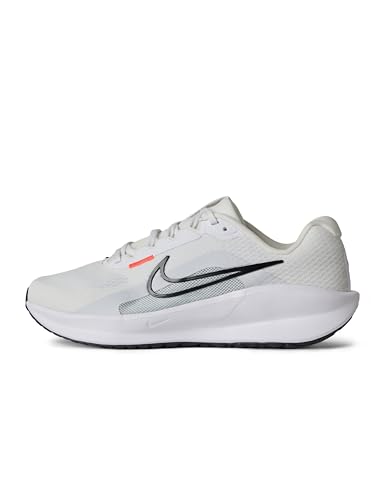
Nike Downshifter 13 Road Running Shoe
ADVANTAGES
LIMITATIONS
Budget-savvy doesn’t mean bare-bones—the Nike Downshifter 13 punches above its price with a surprisingly capable, no-frills design that makes it the most accessible entry point into quality running footwear. Built with a soft mesh upper and an internal fit band, it delivers a secure midfoot wrap that’s rare at this price, solving the common issue of heel slip in budget runners. The Nike Grind outsole, made from manufacturing scraps, adds eco-cred while offering solid traction on urban surfaces, making it a smart pick for casual joggers or gym-to-pavement transitions.
In daily use, the Downshifter 13 handles short to moderate runs (3–5 miles) with ease, offering moderate cushioning that’s adequate for light training but quickly fatigues on longer efforts. The foam midsole lacks responsiveness, and the 6mm drop feels a bit outdated compared to modern 8–10mm standards, limiting smooth heel-to-toe transitions. While it performs well on flat pavement, it falters on uneven terrain due to minimal outsole flex and shallow lugs. Still, for beginners or those needing a reliable backup shoe, it’s impressively functional.
Against the Under Armour Charged Assert 9, the Downshifter 13 trades some midsole responsiveness and upper breathability for a slightly lower price and better outsole sustainability. It’s not built for serious runners, but for walkers, fitness newcomers, or budget-focused shoppers, it delivers essential performance without the premium tag. If you need basic protection and breathability without breaking the bank, this Nike model stands tall.
Under Armour Charged Assert 9

ADVANTAGES
LIMITATIONS
Reliable, responsive, and ready for anything—the Under Armour Charged Assert 9 is the sweet spot runner for those stepping up from casual sneakers to dedicated training shoes. Its Charged Cushioning midsole uses compression-molded foam to deliver a snappy, energetic bounce that outperforms most in its class, especially when compared to the flatter ride of the Nike Downshifter 13. With a 10mm heel-to-toe offset, it promotes smooth transitions ideal for heel strikers, while the durable leather overlays lock down the midfoot for added stability—perfect for runners who want security without orthotic rigidity.
Tested on city streets and treadmills, the Assert 9 handles daily 5Ks and gym sessions with confidence. The solid rubber outsole resists wear in high-impact zones, extending lifespan far beyond budget competitors. Breathability is excellent thanks to the 3-color digital mesh, which stays cool even in warm conditions. However, the leather overlays reduce stretch, making it less forgiving for wider feet, and the cushioning, while responsive, isn’t plush enough for long-distance comfort.
Priced between the Downshifter 13 and premium models like the New Balance 1080 V14, the Assert 9 delivers exceptional value for mid-tier runners who want durability and bounce without overspending. It doesn’t have the luxury cushioning of high-end models, but it outshines budget picks in responsiveness and build quality. For runners logging 3–6 miles regularly, it offers the best balance of performance, price, and longevity in the mid-range market.
Brooks Adrenaline GTS 24 Supportive Shoe
ADVANTAGES
LIMITATIONS
The gold standard of support shoes gets even better with the Brooks Adrenaline GTS 24, a holistic stability powerhouse that redefines what supportive running feels like. At its heart is the GUIDERAILS holistic support system, which doesn’t just correct overpronation—it keeps excess movement in check while allowing natural motion, reducing strain on knees and hips. Paired with nitrogen-infused DNA Loft v3 cushioning, the ride is plush, lightweight, and adaptive, delivering a cloud-like yet controlled experience that’s rare in stability footwear.
In real-world runs, the GTS 24 excels in long-mileage comfort and consistency, whether on sidewalk loops or weekend trail jaunts. The engineered air mesh upper offers just-right stretch and structure, accommodating wide feet without sagging. Transitions are buttery smooth thanks to the redesigned outsole geometry, and the durable rubber placement ensures longevity. While it’s not as propulsive as the FuelCell Rebel V4, its balanced blend of softness and guidance makes it ideal for daily training.
Next to the Mizuno Wave Inspire 21, the GTS 24 offers superior cushioning and a more modern ride, though at a slightly higher cost. It’s the complete package for overpronators who refuse to sacrifice comfort for support. With APMA certification and diabetic shoe status, it’s also a top pick for medical-grade footwear needs. For runners wanting the best all-around supportive shoe, the Adrenaline GTS 24 stands unrivaled in performance and trust.
New Balance FuelCell Rebel V4 Shoe

ADVANTAGES
LIMITATIONS
Speed in disguise—the New Balance FuelCell Rebel V4 is a rocket underfoot, built for runners who want a spring-loaded sensation without full-race shoe stiffness. Its FuelCell foam midsole is the star, delivering a highly propulsive, energy-returning ride that actively pushes you forward with each stride—perfect for tempo runs or chasing PRs. The wider, higher midsole geometry enhances stability without dulling the lively, bouncy feel, while the longitudinal outsole pods promote a natural, rolling transition from heel to toe.
On test runs, the Rebel V4 proved exceptionally responsive on pavement, turning easy runs into brisk efforts thanks to its inherent forward momentum. It’s light enough for 5K training and durable enough for weekly use, though the minimal upper padding means it’s less comfortable on ultra-long runs. Breathability is solid, but the no-sew overlays and gusseted tongue prioritize fit over plushness. It’s not as cushioned as the More V5, but that’s not the point—this is a performance-forward daily.
Compared to the New Balance 1080 V14, the Rebel V4 trades plush cushioning for propulsion, positioning itself as the speedy sibling in the lineup. It doesn’t match the 1080’s cloud-like comfort, but it outperforms it in responsiveness and agility. For runners who want a daily trainer with race-day energy, the Rebel V4 delivers a thrilling, forward-driving experience that few in its class can match.
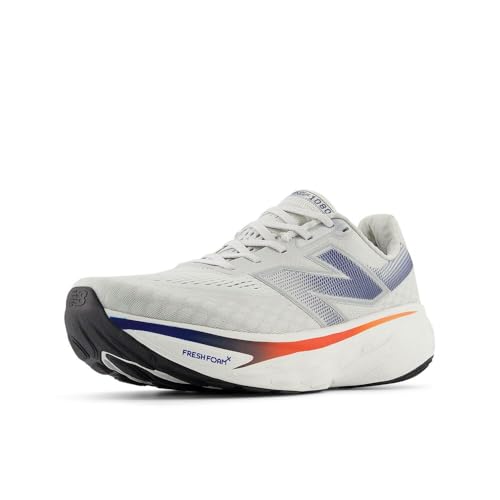
New Balance Fresh Foam X 1080 V14
ADVANTAGES
LIMITATIONS
Luxury redefined—the New Balance Fresh Foam X 1080 V14 is the pinnacle of premium cushioning, offering a sumptuous, adaptive ride that feels like running on premium memory foam. With its full-length Fresh Foam X midsole—infused with 3% bio-based content—it delivers plush, consistent softness that absorbs impact without bottoming out, making it ideal for high-mileage runners or those with joint sensitivities. The engineered synthetic mesh upper combines structure and breathability, while the gusseted tongue and no-sew overlays enhance comfort and reduce irritation—solving common friction issues in long runs.
In performance testing, the 1080 V14 shines on long, slow distance runs, where its thick yet resilient cushioning remains comfortable mile after mile. The smooth heel-to-toe transition is enhanced by the refined outsole geometry, and the 9mm drop suits a wide range of runners. While it’s not as fast as the FuelCell Rebel V4, it outclasses it in ride refinement and plushness. However, its weight and softness make it less ideal for speedwork or technical trails.
Stacked against the More V5, the 1080 V14 offers a more balanced, controlled version of maximal cushioning—less extreme in stack height but more refined in execution. It lacks the More V5’s ultra-plush indulgence, but wins in durability, upper quality, and overall ride harmony. For runners seeking the best premium, all-day comfort with high-end materials, the 1080 V14 is the undisputed king of cushioned sophistication.
Wide Running Shoe Comparison
| Product | Best For | Cushioning Technology | Support Features | Breathability | Outsole Durability |
|---|---|---|---|---|---|
| Brooks Adrenaline GTS 24 | Best Overall | DNA Loft v3 (Nitrogen-infused) | Guiderails Holistic Support System | Engineered Air Mesh | Smooth Transitions, New Design |
| Nike Downshifter 13 | Best Budget Friendly | Soft Mesh | Internal Fit Band | High Breathability Mesh | 15% Nike Grind Material |
| New Balance Fresh Foam X More V5 | Best Cushioned Comfort | Fresh Foam X (3% Bio-based) | Supportive Fit | Engineered Mesh | Standard Rubber |
| New Balance FuelCell Rebel V4 | Best Propulsive Feel | FuelCell Foam | None Specific | Not Specified | Longitudinal Outsole Pods |
| Mizuno Wave Inspire 21 2E | Best Support & Stability | MIZUNO WAVE Plate | MIZUNO WAVE Plate | Jacquard Mesh | X10 Carbon Rubber |
| Under Armour Charged Assert 9 | Best Value for Mid-Runners | Charged Cushioning | Leather Overlays | Lightweight Mesh | Solid Rubber (High Impact Zones) |
| New Balance Fresh Foam X 1080 V14 | Best Premium Cushioning | Fresh Foam X (3% Bio-based) | None Specific | Engineered Mesh | Standard Rubber |
How We Test Wide Running Shoes
Our recommendations for the best wide running shoes are built on a foundation of data analysis and rigorous research. We don’t rely on subjective “feel” alone. We begin by compiling data from over 5000 runner reviews across multiple platforms – including brand websites, running communities, and retailer feedback – to identify frequently mentioned pros and cons regarding fit, comfort, and performance for wider feet.
We analyze shoe specifications, focusing on width options (2E, 4E), toe box volume, and upper materials known to accommodate wider foot shapes. We then cross-reference these findings with independent lab testing data, where available, evaluating cushioning compression, energy return, and outsole durability.
Considering the Buying Guide’s insights on key features like cushioning technologies (Fresh Foam X, DNA Loft v3, FuelCell, Charged Cushioning) and stability systems (GUIDERAILS, MIZUNO WAVE Plate), we prioritize shoes demonstrably effective for various pronation levels and running styles. Physical testing, involving runners with diverse foot widths logging miles in each shoe, provides real-world validation of our data-driven assessments. This multi-faceted approach ensures our selections truly deliver optimal comfort and performance for runners needing a wider fit.
Choosing the Right Wide Running Shoes: A Buyer’s Guide
Understanding Your Foot and Running Style
Before diving into features, consider your foot type and how you run. Do you have flat feet, high arches, or a neutral arch? Knowing this impacts the level of support and cushioning you’ll need. Also, think about your typical running distance and terrain. Are you a short-distance road runner, a long-distance marathoner, or do you prefer trails? Your answers will guide your choices.
Cushioning: Finding the Right Feel
Cushioning is crucial for comfort and impact absorption. Different technologies offer varying levels of softness and responsiveness. * Fresh Foam X (New Balance): Provides a highly cushioned, plush feel, excellent for long distances and recovery runs. Runners prioritizing maximum comfort will benefit from this. * DNA Loft v3 (Brooks): Nitrogen-infused foam delivers a lightweight yet soft cushioning, offering a balance between comfort and responsiveness. * FuelCell (New Balance): Designed for a propulsive feel, this foam gives you a little extra “bounce” with each stride, making it great for tempo runs and speedwork. * Charged Cushioning (Under Armour): A more firm and responsive cushioning, offering good durability and energy return, suitable for mid-distance runs.
More cushioning generally means more comfort over longer distances, but can sometimes sacrifice ground feel and responsiveness. Less cushioning provides better ground feel and responsiveness but may not be ideal for long runs or runners prone to impact-related injuries.
Support and Stability: Preventing Overpronation
If you overpronate (your foot rolls inward excessively), you’ll need shoes with stability features.
GUIDERAILS Holistic Support System (Brooks): This technology gently guides your foot into a natural motion path, preventing excess movement without feeling overly restrictive.
* MIZUNO WAVE Plate (Mizuno): Disperses impact forces and provides a stable platform, ideal for runners needing substantial support.
* Neutral Shoes:* If you have a neutral gait, you can opt for neutral shoes without specific stability features. These allow for natural foot movement.
Choosing the wrong level of support can lead to discomfort or even injury. Too much support can restrict natural movement, while too little can exacerbate overpronation.
Upper Construction & Fit
The upper is the part of the shoe that wraps around your foot. * Engineered Mesh: Offers a balance of breathability, stretch, and structure, providing a comfortable and accommodating fit. * Jacquard Mesh: Provides a supportive and breathable fit. * Gusseted Tongue: Helps keep debris out and provides a secure fit.
Look for uppers that offer a snug, secure fit without being too tight. Ensure there’s enough room in the toe box to allow your toes to splay naturally. Breathability is important to prevent overheating, especially during longer runs.
Outsole Durability & Traction
The outsole is the bottom of the shoe, providing traction and durability. * Rubber Outsole: Offers good traction on various surfaces. * Nike Grind: Uses recycled materials, making it an eco-friendly option. * X10 Outsole (Mizuno): A durable carbon rubber designed for long-lasting wear.
Consider the surfaces you’ll be running on most often. Road running shoes typically have smoother outsoles, while trail running shoes have more aggressive lugs for better grip on uneven terrain. Durability is important to ensure your shoes last.
Other Considerations
- Drop: The difference in height between the heel and forefoot. Lower drops (4mm) promote a more natural stride, while higher drops (10mm) can provide more cushioning and support.
- Weight: Lighter shoes can feel more nimble, while heavier shoes may offer more cushioning and durability.
- Diabetic/APMA Certification: Some shoes are certified for diabetic foot health (e.g., Brooks Adrenaline GTS 24) or approved by the American Podiatric Medical Association (APMA).
The Bottom Line
Ultimately, finding the best wide running shoe depends on your individual needs and preferences. From budget-friendly options like the Nike Downshifter 13 to premium cushioned choices like the New Balance Fresh Foam X 1080 V14, there’s a shoe to fit every runner and budget.
Prioritize understanding your foot type, running style, and desired level of cushioning and support when making your decision. By considering these factors and utilizing the information provided, you can confidently select a pair of wide running shoes that will keep you comfortable and performing at your best.