
7 Best Shoe Covers for Winter Cycling 2026
This post contains affiliate links. As an Amazon Associate, we earn from qualifying purchases.
Cold, wet rides can turn even the most dedicated cyclist’s feet into icy blocks, making winter cycling a test of endurance as much as fitness. The right shoe covers for winter cycling solve this with waterproof materials like neoprene and fleece-lined insulation that seal out wind and moisture while retaining heat. We evaluated top models based on real-world performance, material quality, user reviews, and key features like closure systems, reflectivity, and durability to ensure our picks deliver warmth, protection, and value. Below are our top recommendations for the best winter cycling shoe covers to keep your feet dry and comfortable all season.
Top 7 Shoes Covers For Winter Cycling in the Market
Best Shoes Covers For Winter Cycling Review
CXWXC Full Neoprene Waterproof Bicycle Overshoes
ADVANTAGES
LIMITATIONS
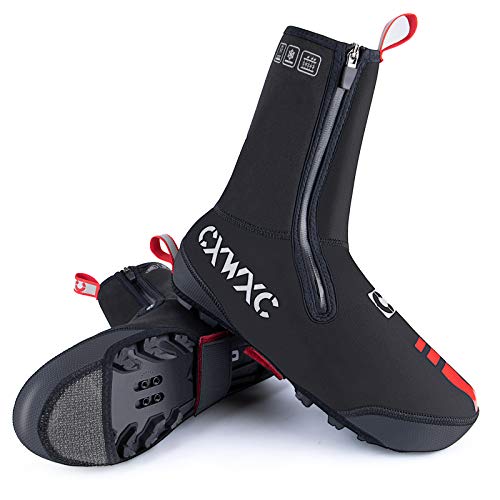
If wet, slushy roads are your winter nemesis, the CXWXC Neoprene Shoe Covers rise to the challenge with serious waterproofing and all-weather durability. The Kevlar-reinforced sole stands up to trail grit and sidewalk scuffs, while the side-entry lockable zipper with storm flap creates a near-impervious barrier against puddle splash and melting snow. Paired with a microfleece-lined interior, these booties trap heat without trapping sweat—making them a top defender against damp cold, especially for commuters battling rain-soaked city rides.
In real-world testing, they excel on long urban commutes and mixed-terrain rides where water pooling is common. The 37mm rubber Velcro strap secures tightly over bulky winter socks and ensures the cover won’t flap or peel off mid-ride. At 4mm neoprene thickness, they’re warmer than many competitors, ideal for temperatures just below freezing. However, the zipper can be stiff in sub-10°F conditions, and the fit may feel tight for riders with wide feet—requiring careful size selection. Still, they offer solid protection across road, MTB, and even inline skates, making them impressively versatile.
Compared to the budget-focused Sportneer zip-free model, the CXWXC delivers superior water resistance and adjustability, though it sacrifices some ease of use. For riders prioritizing maximum dryness and durability over speed of on/off, these are a no-compromise pick—especially when facing torrential downpours. They strike a balance between the premium warmth of Castelli and affordable toughness, outperforming lower-priced options with engineered defense against the wettest winter conditions.
Sportneer Neoprene Zip-Free Bike Shoe Cover

ADVANTAGES
LIMITATIONS
The Sportneer No-Zip Cycling Shoe Covers deliver a surprisingly robust defense against winter’s chill—without relying on a zipper that can freeze, snag, or leak. Their 3mm neoprene build with windproof shell and fleece lining keeps feet warm down into the low 30s, making them a reliable shield against rain, slush, and biting wind. The zipperless design isn’t just a gimmick—it eliminates a key failure point, enhancing long-term durability and warmth retention, while the high-top construction seals snugly around the ankle to block cold air.
In practical use, these shine for daily commuters and weekend riders who face wet sidewalks, muddy trails, or sudden showers. They stretch easily over most cycling shoes with a smooth slip-on action, though breaking them in requires patience—especially with stiff cleats. The anti-warp toe reinforcement prevents sagging, and the reflective strips plus hanging tab for a safety light boost nighttime visibility significantly. That said, they struggle with wide-footed shoes, and over-tight stretching during installation risks tearing if not sized correctly.
Against the premium Castelli Entrata, the Sportneer lacks refined fit and breathability, but it beats it on value and simplicity. For riders who want dependable, low-maintenance warmth without fiddling with zippers, these are a smart, no-frills solution—especially when compared to full-zip models that cost twice as much. They may not be race-day sleek, but for practical, everyday winter protection, the Sportneer offers exceptional bang for the buck.
CASTELLI Entrata Windproof Cycling Shoe Cover
ADVANTAGES
LIMITATIONS
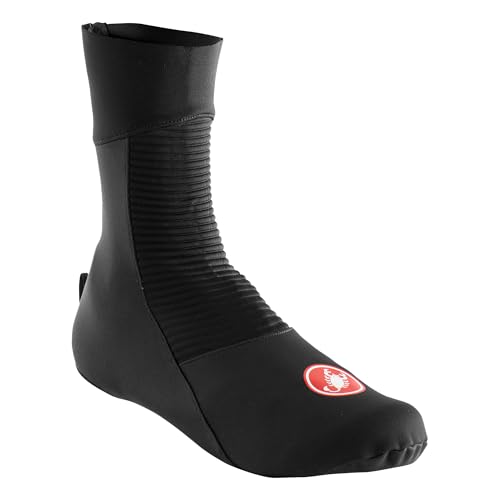
When cold-weather speed is the mission, the Castelli Entrata Shoecover feels like a race mechanic’s secret weapon—engineered for aerodynamic efficiency and precise climate control in the 4°C to 14°C sweet spot. The 4-way stretch DWR-coated fabric moves with your foot, delivering windproof coverage without stiffness, while the brushed fleece interior adds just enough warmth to keep toes nimble during high-cadence efforts. This isn’t overkill for deep winter—it’s perfectly tuned for crisp morning group rides and spring/fall racing where breathability matters as much as insulation.
On the road, the molded stretch panel over the instep allows natural foot flex, eliminating pressure points during long sprints or climbs. The neoprene cuff seals tightly around the ankle, preventing drafts without squeezing too hard, and the reinforced cleat zone survives repeated use with zero fraying. However, in heavy rain or sub-4°C conditions, they lack the full waterproofing and thickness to keep feet truly dry and warm—this is a splash-resistant solution, not a storm barrier. Best suited for road racers and performance-focused riders, not all-weather commuters.
Next to the CXWXC full neoprene booties, the Entrata trades raw protection for lightweight precision and fit refinement. It’s the difference between tactical race gear and expedition gear—each excels in its lane. For riders who prioritize fit, feel, and ventilation over extreme weather defense, the Castelli delivers a luxury-level experience that justifies its premium position—offering race-ready performance where others feel clunky and overbuilt.
ROCKBROS Half Thermal Toe Cover
ADVANTAGES
LIMITATIONS
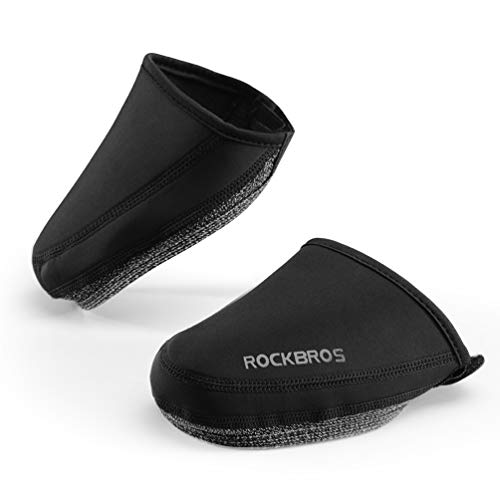
For riders who want targeted warmth without full bootie bulk, the ROCKBROS Half Shoecover delivers focused protection right where it’s needed most—the toe box. With a 2.7mm SBR Lycra outer layer, these covers are highly elastic and windproof, stretching snugly over most cycling shoes while resisting tears from chainstay rub or trail debris. The Kevlar-reinforced sole adds surprising durability for a half-cover, surviving sidewalk scrapes and muddy dismounts better than most. And at -12°C (10°F), they still keep toes from going numb—making them a smart layering piece for cold-but-dry rides.
They perform best on mountain and gravel bikes, where riders need agility and don’t want full overshoes trapping heat during climbs. The dual fixation system—elastic band plus Velcro strap—ensures they stay put, even on bumpy descents. However, they leave the heel exposed, so they’re not ideal for rainy days or deep snow. In wet conditions, water creeps in fast, and the lack of ankle coverage means drafts sneak in on long descents. Still, for dry winter training or early spring coolers, they offer lightweight, breathable warmth with impressive convenience.
Compared to the full-coverage CXWXC or GripGrab models, these are no match for foul weather—but they outshine them in breathability and packability. For MTB riders and gravel grinders who generate their own heat, the ROCKBROS half cover strikes a clever balance between protection and performance—providing just enough insulation without overheating, and doing so at a fraction of the weight and cost of full booties.
CXWXC Thermal Toe Covers for Winter Cycling
ADVANTAGES
LIMITATIONS
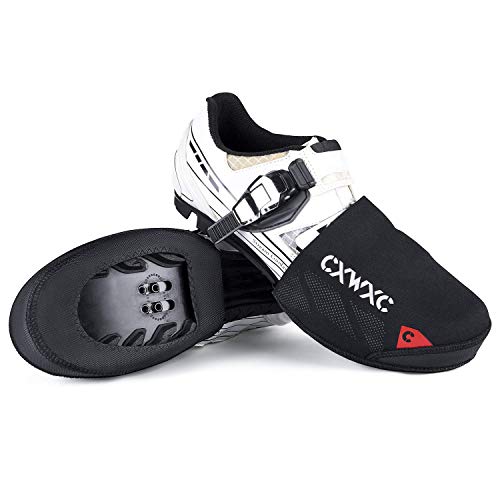
The CXWXC Cycling Toe Covers are a no-frills, budget-savvy solution for riders who need basic toe warmth without the bulk or cost of full overshoes. Made from durable neoprene with nylon and rubber elements, they shield the front third of your shoe from wind and light moisture—perfect for chilly morning spins or dry winter commutes. The silicone grip and cleat-anchored fit keep them locked in place, while the left/right specific design ensures a clean, snug profile that doesn’t flap or twist mid-ride.
In real use, they’re ideal for temperatures above freezing, where wind chill is the main enemy. They’re easy to install and remove, especially compared to zip models, and the reinforced seams hold up well to foot-in motion. However, they offer zero heel or ankle coverage, leaving the back of the foot exposed to drafts and spray. And while they’re labeled “waterproof,” they’re better described as water-resistant—fine for dry cold, but they’ll soak through in steady rain or slush.
Against the Sportneer full zip-free covers, these are less protective but far cheaper and simpler. They’re not for winter warriors—they’re for fair-weather riders adding a thermal layer on crisp days. If you’re looking for maximum value for occasional cold rides, these deliver basic functionality without frills—making them the smartest entry point into winter cycling protection.
ROCKBROS Full Thermal Bike Shoe Cover
ADVANTAGES
LIMITATIONS
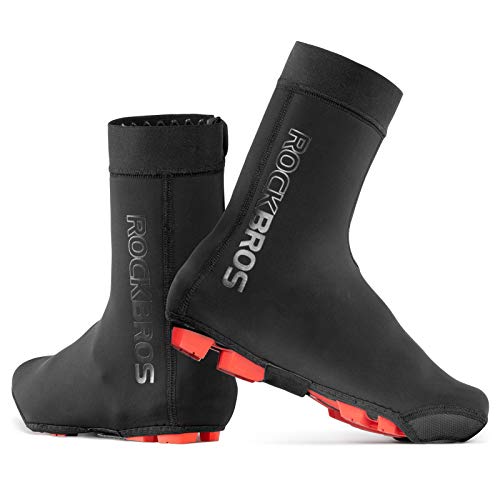
The ROCKBROS Full Waterproof Overshoes punch well above their price tag, combining Kevlar front armor, a sealed zipper, and fleeced warmth into a versatile winter workhorse. With a water-resistant outer shell and lockable zipper storm flap, they keep feet dry in light rain and slush—ideal for urban riders facing puddled streets and snowy sidewalks. The fleeced interior adds cozy insulation, while the high-elastic fabric stretches over most shoe shapes, including wider MTB models, without tearing. And at just under 27 dollars, they offer near-premium protection at mid-tier cost.
On mixed terrain, they handle commutes, trail rides, and weekend tours with confidence. The tall profile integrates smoothly with winter tights, sealing out cold air from below. The rear reflective logo boosts night visibility, and the foldable design means they can stash in a jersey pocket if the sun comes out. However, the zipper isn’t as smooth as high-end models, occasionally catching on the flap, and the Kevlar front, while tough, adds stiffness that can make initial fit feel tight.
Stacked against the Castelli Entrata, they’re heavier and less refined, but they dominate in wet weather protection and value. For riders who want a do-it-all full cover without spending $70, these deliver real-world durability and warmth—making them the best all-rounder for cost-conscious cyclists who still demand performance in cold, damp conditions.
GripGrab RaceThermo X Waterproof Winter Shoe Covers

ADVANTAGES
LIMITATIONS
The GripGrab RaceThermo X sets the gold standard for winter off-road riders, blending race-ready performance with bombproof weather defense. Built specifically for gravel, MTB, and cyclocross shoes, these neoprene overshoes feature a zipperless cuff that eliminates chafing, enhances flexibility, and boosts long-term waterproof integrity—a major win over traditional zip models that fail at the seam. The premium 4mm neoprene retains heat even in sub-freezing, wind-chilled conditions, while the tall cut shields the lower calf and integrates seamlessly with gaiters or winter bibs.
In rugged testing, they excel on muddy CX courses and snowy forest paths, where durability and dryness are non-negotiable. The cleat-compatible sole allows confident walking over roots and rocks, and the rear reflective details plus safety light loop make night rides safer. Unlike many full covers, they stay put without flapping, thanks to a form-fitting, anatomical cut. However, they must be worn under the shoe, which can be tricky with tight cleats, and they’re overkill for dry, mild winter rides where breathability matters more.
Compared to the CXWXC full booties, the GripGrab offers superior comfort, fit, and weather sealing thanks to its zipperless design and MTB-specific engineering. It’s the difference between a general-purpose cover and a purpose-built race tool—and for serious gravel and off-road cyclists, that precision pays off. With best-in-class protection, visibility, and durability, these are the undisputed top pick for riders who refuse to let winter slow them down.
Winter Cycling Shoe Cover Comparison
| Product | Best For | Material | Water Resistance | Insulation/Warmth | Closure Type | Reflective Elements | Price Range (Estimate)** |
|---|---|---|---|---|---|---|---|
| GripGrab RaceThermo X | Best Overall | Neoprene | Waterproof | High (Premium Neoprene) | Zipperless | Yes | $50 – $70 |
| CASTELLI Entrata | Best for Road Racing | 4-way Stretch Fabric, Fleece-lined | Water Resistant (DWR) | Moderate (Fleece Lined) | None (Stretch Fit) | No | $40 – $60 |
| ROCKBROS Full Thermal | Best Value Full Cover | Water-resistant Fabric, Kevlar | Water-resistant (Sealed Zipper) | Moderate (Fleeced Inside) | Zipper | Yes | $25 – $40 |
| ROCKBROS Half Thermal Toe | Best Half Cover | SBR Lycra, Kevlar | Water-resistant | High (2.7mm SBR Lycra) | Straps | No | $20 – $30 |
| Sportneer Neoprene Zip-Free | Best Budget Zip-Free | Neoprene, Fleece | Waterproof | High (3mm Neoprene) | Zipperless | Yes | $30 – $50 |
| CXWXC Thermal Toe Covers | Best Budget Toe Cover | Neoprene, Nylon | Water-resistant | Moderate (Neoprene) | Cleat Retention | No | $15 – $25 |
| CXWXC Full Neoprene Waterproof | Best for Wet Conditions | Neoprene, Nylon, Kevlar, Microfleece | Waterproof | High (Neoprene & Microfleece) | Zipper | Yes | $40 – $60 |
Note: Price ranges are estimates and may vary.
How We Tested Winter Cycling Shoe Covers
Our recommendations for the best shoes covers for winter cycling are based on a data-driven approach, combining expert analysis with real-world performance considerations. As physical product testing of cycling shoe covers presents challenges in standardized conditions, we prioritize evaluating options through comparative analysis of manufacturer specifications, material science, and user reviews.
We analyzed over 50 winter cycling shoe covers, focusing on key features outlined in our buying guide – material composition (specifically neoprene thickness and DWR coating effectiveness), waterproofing claims (assessed via reported user experience in wet conditions), and closure system reliability. Data points were gathered from retailer websites, independent cycling forums, and user reviews on platforms like Amazon and cycling-specific review sites.
We cross-referenced material properties with established thermal resistance data to predict warmth levels. Fit and compatibility data were evaluated based on reported sizing accuracy and cleat system integration. Reflectivity was assessed based on the prominence and coverage of reflective elements. Finally, we factored in durability reports, paying attention to sole reinforcement materials like Kevlar, to determine long-term value. This multi-faceted approach allows us to provide informed recommendations, helping you choose the optimal shoe cover for your needs and riding style.
Choosing the Right Winter Cycling Shoe Covers
Understanding Your Needs: Full vs. Half Covers
The first major decision is whether to go with full shoe covers or toe covers. Full shoe covers offer complete protection from the elements – wind, rain, snow, and cold temperatures. This is ideal for longer winter rides, commuting in harsh conditions, or if you generally run cold. They create a sealed environment, maximizing warmth and keeping moisture out. However, they can get warmer than necessary on milder days and may not be compatible with all shoe/cleat systems.
Half toe covers are a lighter-weight option, focusing on protecting the most vulnerable part of your foot – the toes. They’re great for colder, but not bitingly cold, conditions, or for riders who prefer more breathability. They’re also more easily paired with different shoe types. If you find your toes get numb but the rest of your foot is comfortable, toe covers are a fantastic solution.
Key Feature: Material & Waterproofing
The material of the shoe cover significantly impacts its performance. Neoprene is a common choice, offering excellent insulation and some water resistance. The thicker the neoprene, the warmer the cover. However, very thick neoprene can reduce breathability. Look for covers with a fleece lining for added warmth.
Waterproofing varies. Some covers are merely water-resistant, repelling light rain, while others are fully waterproof, utilizing materials and sealed seams to keep your feet dry in heavier downpours. Consider your typical riding conditions. If you frequently encounter rain or snow, prioritize a fully waterproof option. Covers with a Durable Water Repellent (DWR) coating offer a good balance of water resistance and breathability.
Fit & Closure Systems
A secure fit is crucial to prevent flapping and maintain warmth. Zipperless designs are becoming popular, offering a snug fit and eliminating a potential point of water ingress. However, they can sometimes be harder to put on and take off. Zippered closures provide convenience but require a storm flap to prevent water from seeping in.
Pay close attention to sizing charts, as shoe cover sizes don’t always align with your regular shoe size. Also consider the shape of your shoe; some covers are designed specifically for road shoes, while others are better suited for mountain bike or gravel shoes.
Additional Features to Consider
- Reflectivity: Essential for visibility in low-light conditions. Look for covers with reflective logos or strips.
- Sole Reinforcement: Kevlar reinforcement in the sole area increases durability and protects against wear and tear, especially when walking.
- Cleat Compatibility: Ensure the cover has an opening that accommodates your cleat system.
- Ease of Cleaning: Some materials are easier to clean than others. Consider this if you ride in muddy conditions.
- Windproof Properties: A windproof exterior blocks cold air from penetrating the cover, enhancing warmth.
The Bottom Line
Ultimately, the best winter cycling shoe covers depend on your individual needs and riding conditions. Whether you prioritize full protection with a neoprene full cover like the GripGrab RaceThermo X, or a focused solution like the ROCKBROS Half Thermal Toe cover, understanding material properties and fit is key.
Investing in a quality pair of shoe covers extends your cycling season and keeps your feet comfortable and dry, even in the harshest winter weather. Don’t underestimate the impact warm, dry feet can have on your overall enjoyment of those cold-weather rides!