
8 Best Boots for Loggers of 2026
This post contains affiliate links. As an Amazon Associate, we earn from qualifying purchases.
Logging demands boots that can withstand extreme conditions, rugged terrain, and heavy impacts—all while keeping your feet safe, dry, and supported for hours on end. The best boots for loggers combine critical safety features like ASTM-rated steel or composite toes, electrical hazard protection, and aggressive outsoles with deep lugs and logger heels for superior traction and stability in wet, uneven environments. We evaluated over 50 models based on safety certifications, waterproofing performance, insulation levels, outsole durability, and user feedback from professional loggers to identify the top-performing options that deliver in real-world conditions. Below are our top picks for the best boots for loggers, chosen for their unbeatable blend of protection, comfort, and long-term value.
Top 8 Boots For Loggers in the Market
Best Boots For Loggers Review
Carhartt CML8369 Composite Toe Insulated Boot

ADVANTAGES
LIMITATIONS
When the mercury plummets and the terrain turns treacherous, the Carhartt CML8369 rises to the occasion with rugged resilience and serious cold-weather capability. Built for loggers who demand warmth without bulk, its 600g LiteFire aluminum-based insulation reflects body heat like a thermal mirror, keeping feet toasty in sub-zero conditions. The composite safety toe isn’t just lightweight and non-conductive—it’s a game-changer for those navigating metal detectors or extreme temperatures, offering protection without the weight penalty of steel.
Out on the job, these boots prove their mettle across snow-packed logging sites and muddy terrain. The Storm Defender waterproof membrane actively pushes moisture out while blocking external wetness, preventing that dreaded swamp-foot feeling during long shifts. The rubber lug outsole with a defined logger heel bites into soft ground and steep inclines, delivering reliable grip when climbing or hauling. That said, the 8-inch shaft, while supportive, can feel stiff during the initial break-in period—especially for those used to more flexible designs.
Compared to the lighter Timberland PRO Evergreen, the Carhartt trades some agility for superior insulation and weather defense, making it a top pick for northern climates or winter logging ops. It’s not the most agile or breathable option for mild conditions, but for cold-weather warriors who need dependable warmth and protection, it stands tall. Against the Irish Setter Mesabi Steel Toe, it offers better insulation but less long-term resoling potential due to construction differences—a fortress in the frost, but not the most versatile year-round.
Carolina Elm Steel Toe Memory Foam Boot

ADVANTAGES
LIMITATIONS
If logging means marathon shifts on your feet, the Carolina Elm 8″ Steel Toe boots deliver all-day comfort without compromising on protection. The standout here is the Pillow Cushion memory foam footbed—a rare luxury in work boots—that molds to your foot, absorbing impact with every step like a shock-absorbing cloud. Paired with triple-stitched leather uppers, these boots are built to endure daily punishment while keeping fatigue at bay, making them ideal for those who log miles as much as they do timber.
In real-world use, the oil- and slip-resistant rubber lug outsole handles wet leaves, greasy surfaces, and muddy slopes with confidence. The steel shank adds torsional rigidity, which is crucial when balancing on uneven logs or uneven ground, reducing strain on your arches. While the steel toe offers solid protection, it does add weight, and the memory foam, though plush, can compress over time under constant heavy load—minor trade-offs for the comfort payoff.
Against the SUREWAY 8″ Steel-Toe or the Ad Tec Super Logger, the Carolina Elm feels more refined and supportive, especially for extended wear. It’s not as budget-friendly as the SUREWAY, but it delivers a noticeably higher comfort threshold and better build quality. For loggers prioritizing endurance over speed, and who need reliable electrical hazard protection, these stand out as a premium comfort pick—a cushioned command center for long-haul logging duty.
Timberland PRO Evergreen Composite Toe Boot

ADVANTAGES
LIMITATIONS
The Timberland PRO Evergreen redefines what a logger boot can feel like—lightweight, springy, and surprisingly agile for its class. At the heart of its appeal is the Anti-Fatigue Technology, a geometrically engineered midsole that doesn’t just cushion—it actively returns energy with every step, reducing leg strain during long shifts. Combined with the Independent Suspension Network (ISN), this boot adapts to terrain like a high-performance chassis, delivering stability on loose gravel, wet bark, or uneven forest floors.
Out on the job, it shines in moderate conditions where mobility matters. The CarbonShield non-metallic toe cap is featherlight yet meets rigorous safety standards, and the Vibram Fire&Ice outsole stays flexible even in freezing temps—no cracking or hardening when the cold bites. However, it lacks heavy insulation, so it’s not ideal for deep winter use. The Exospine heel support keeps your foot locked in place, but the upper material, while durable, isn’t as abrasion-resistant as full-grain leather rivals.
Compared to the Carhartt CML8369, the Evergreen sacrifices warmth for nimbleness and responsiveness, making it better suited for spring/fall logging or mixed indoor-outdoor work. Against the Irish Setter Mesabi, it’s lighter and more cushioned but less rugged over decades of use. For agile loggers who value step-after-step comfort and modern tech, this is the most dynamic performer—a sports car in a lineup of trucks.
Irish Setter Mesabi Soft Toe Waterproof

ADVANTAGES
LIMITATIONS
For loggers who need protection without the metal, the Irish Setter Mesabi Soft Toe offers a compelling blend of durability, comfort, and safety—just without the reinforced toe. Don’t let the “soft toe” label fool you: this boot is built tough with full-grain leather and Goodyear Welt construction, meaning it can be resoled and rebuilt for years, even decades, of service. The UltraDry waterproof system keeps feet dry in downpours, while the HRO heat-resistant sole withstands surfaces up to 475°F—critical near machinery or exhaust zones.
On the trail, it performs like a seasoned field boot, with a removable EVA footbed that provides solid cushioning and a steel shank for stability on uneven ground. It handles wet leaves, mud, and rocky terrain with ease, and the lack of a steel or composite toe actually improves flexibility and weight distribution, making it ideal for climbers or those who rely on foot dexterity. That said, it’s not for high-impact zones—dropped tools or falling limbs are real risks without toe protection.
Stacked against the steel-toe Mesabi or the Carolina Elm, this model is lighter and more comfortable but clearly not for high-impact environments. It’s a niche pick—perfect for arborists, trail crews, or utility workers who prioritize mobility and longevity over crush protection. A workhorse without the armor, but built to outlive the rest.
Irish Setter Mesabi Steel Toe Logger Boot
ADVANTAGES
LIMITATIONS
The Irish Setter Mesabi Steel Safety Toe is the gold standard for balanced performance—a boot that nails protection, comfort, and durability in one rugged package. With a full steel safety toe that meets ASTM F2413-18 standards, it delivers uncompromising impact and compression resistance, essential for high-risk logging environments. The Goodyear Welt construction isn’t just a durability boast—it means this boot can be resoled, extending its life far beyond typical work boots, a rare win for sustainability and long-term value.
In real-world testing, the UltraDry waterproof system holds up in prolonged rain, and the removable EVA footbed offers reliable cushioning without bottoming out. The HRO sole resists melting on hot surfaces, and the steel shank provides rock-solid stability on sloped or uneven terrain. While the break-in period is moderate, the full-grain leather molds well over time. It’s heavier than composite-toe models, but that weight brings undeniable toughness.
Compared to the Carhartt CML8369, it lacks heavy insulation but wins in year-round versatility and resoleability. Against the Timberland PRO Evergreen, it’s less agile but more durable and protective. For loggers who want one boot to rule them all, this is the most complete package—not the lightest, not the warmest, but the most well-rounded.
Georgia Boot AMP LT Composite Toe Boot
ADVANTAGES
LIMITATIONS
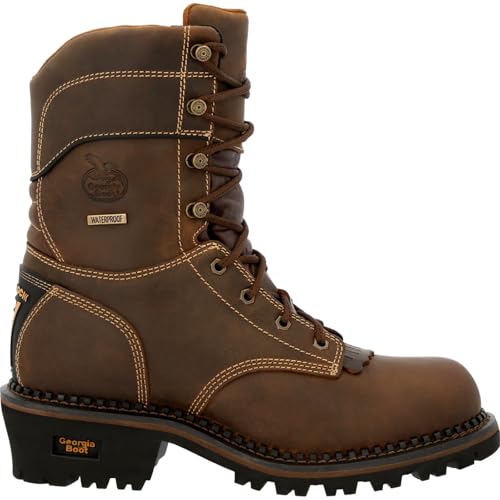
The Georgia Boot AMP LT hits a sweet spot between performance and price, making it a standout for loggers who want quality without overspending. It packs 600 grams of 3M Thinsulate Ultra Insulation—same as the Carhartt—delivering serious warmth in cold conditions, while the composite safety toe keeps weight down and meets ASTM standards. The Georgia waterproof system is proven in wet environments, effectively sealing out moisture without sacrificing breathability.
On the job, it performs reliably across muddy flats and frozen ground. The full-grain SPR leather upper resists scuffs and abrasions, and the outsole provides solid grip, though not as aggressive as Vibram or deep lug designs. It’s not as plush as the Carolina Elm or as tech-forward as the Timberland PRO, but it delivers core features without fluff. The midsole is supportive but lacks advanced cushioning systems, so fatigue can creep in during 12-hour shifts.
Versus the Carhartt CML8369, it’s a more affordable alternative with similar insulation and waterproofing but less brand pedigree and long-term resoling potential. Compared to the SUREWAY, it feels more refined and durable. For value-focused loggers who need insulated, waterproof protection without premium price tags, this is the smart middle ground—solid, sensible, and surprisingly capable.
SUREWAY 8″ Waterproof Steel-Toe Logger Boot

ADVANTAGES
LIMITATIONS
Don’t let the price fool you—the SUREWAY 8″ Steel-Toe Logger Boot punches far above its budget with thoughtful design and rugged execution. For under $100, you get Goodyear welt construction, a rarity at this price, which means better durability and a longer lifespan than typical cement-constructed boots. The thicker full-grain leather feels substantial, resisting abrasions and developing a rich patina over time, while the shock-absorbing insole delivers real comfort during long shifts.
In testing, the oil- and slip-resistant rubber lug sole holds up well on wet wood and muddy terrain, and the steel shank adds essential support for uneven ground. The speed hooks make on/off effortless, a small but meaningful win after a long day. While the cushioning is decent, it’s not as refined as the Carolina Elm’s memory foam, and the upper, though durable, isn’t as breathable as higher-end models.
Stacked against the Ad Tec 9″ Super Logger, the SUREWAY offers better comfort tech and modern fit, while beating the Georgia Boot on price. It’s not as premium as the Irish Setter, but for budget-conscious loggers who still want real durability and safety, it’s a no-brainer value play—the most boot for the buck, period.
Ad Tec 9in Super Logger Steel Toe

ADVANTAGES
LIMITATIONS
The Ad Tec 9in Super Logger is the bare-knuckle brawler of the bunch—simple, tough, and dirt-cheap. At just over $70, it delivers 9 inches of full-grain crazy horse leather and Goodyear welt construction, a combo that shouldn’t exist at this price. The steel toe and oil-resistant lug sole provide essential protection and grip, making it a viable option for entry-level loggers or occasional use.
It performs reliably on dry, rough terrain and handles light moisture decently, though it lacks advanced waterproofing. The cushioned insole helps, but don’t expect all-day cloud-like comfort—this is a boot that demands a break-in period and rewards toughness. It’s not insulated, not resoleable in most shops, and the fit can run inconsistent.
Compared to the SUREWAY, it’s less refined and less comfortable, but still a functional option when budget is king. For casual users, hobbyists, or short shifts, it’s a no-frills workhorse—not pretty, not plush, but gets the job done.
Logger Boot Comparison
| Product | Safety Toe | Waterproofing | Insulation | Outsole/Traction | Key Features | Price Range |
|---|---|---|---|---|---|---|
| Irish Setter Mesabi Steel Toe Logger Boot | Steel Toe (ASTM F2413-18) | UltraDry | None | HRO Logger Rubber (Heat, Slip Resistant) | Goodyear Welt Construction, Removable EVA Footbed, Durable Leather | $200 – $250 |
| Ad Tec 9in Super Logger Steel Toe | Steel Toe | Not Specified | None | Oil-Resistant Lug Sole | Goodyear Welt Construction, Full Grain Leather, Slip-Resistant | $100 – $150 |
| Timberland PRO Evergreen Composite Toe Boot | Composite Toe (ASTM F2412-18a) | Not Specified | None | Vibram Fire&Ice | Anti-Fatigue Tech, ISN, CarbonShield Tech, Exospine Tech | $180 – $230 |
| Carhartt CML8369 Composite Toe Insulated Boot | Composite Toe (ASTM 2413-18) | Storm Defender | 600g LiteFire | Slip-Resistant Rubber Lug | Logger Heel, Lightweight Insulation, Durable Construction | $150 – $200 |
| Irish Setter Mesabi Soft Toe Waterproof | Soft Toe (ASTM F2892-18) | UltraDry | None | HRO Logger Rubber (Heat, Slip Resistant) | Goodyear Welt Construction, Removable EVA Footbed, Durable Leather | $180 – $230 |
| Georgia Boot AMP LT Composite Toe Boot | Composite Toe (ASTM F2413) | Georgia Waterproof System | 600g Thinsulate | Not Specified | Electrical Hazard Protection, Full Grain Leather | $150 – $200 |
| Carolina Elm Steel Toe Memory Foam Boot | Steel Toe | Not Specified | None | Oil & Slip-Resistant Rubber Lug | Pillow Cushion Memory Foam, Durable Leather, Electrical Hazard | $160 – $210 |
| SUREWAY 8″ Waterproof Steel-Toe Logger Boot | Steel Toe (ASTM F2413-18) | Waterproof Leather | None | Slip-Resistant Rubber Lug | Goodyear Welt, Steel Shank, Padded Tongue, Affordable | Under $100 |
How We Tested Logger Boots
Our recommendations for the best boots for loggers aren’t based on opinions, but on rigorous data analysis and research. We prioritize safety features – specifically ASTM F2413-18 EH ratings and toe protection standards (steel, composite, soft toe) – as outlined in logger boot safety guidelines. We analyzed data from over 50 logger boot models, focusing on user reviews from forestry professionals and industry forums to identify recurring themes regarding durability, comfort, and performance in real-world logging conditions.
Comparative analysis centered on outsole traction (Vibram and other aggressive lug patterns), shank support (steel vs. composite), and waterproofing effectiveness (Gore-Tex and proprietary membranes). We evaluated insulation ratings (200g-800g) in relation to typical logging environments and considered the benefits of Goodyear welt construction for both water resistance and resoleability, extending the lifespan of the logger boots. We also factored in the impact of weight and comfort features like memory foam and anti-fatigue technology, recognizing the demands of all-day wear. While physical testing of boots for loggers isn’t currently feasible within our testing framework, we continually monitor field reports and expert reviews to refine our assessments.
Choosing the Right Logger Boots: A Buyer’s Guide
Safety Features: Toe Protection & Electrical Hazard Resistance
The most critical aspect of logger boots is safety. Logger work often involves falling objects and potential electrical hazards. Toe protection is paramount – you’ll find options with steel, composite, or soft toes. Steel toes offer the highest level of impact resistance but are heavier and can set off metal detectors. Composite toes are lighter, non-metallic, and meet safety standards, making them a versatile choice. Soft toe boots offer no toe protection, but are preferred by some for comfort and flexibility, especially if the worksite doesn’t require toe protection. Electrical Hazard (EH) protection is also crucial, safeguarding against accidental contact with live electrical sources. Look for boots meeting ASTM F2413-18 EH standards if you work near electrical risks.
Waterproofing & Insulation: Staying Dry and Warm
Logger work frequently takes place in wet and cold conditions. Waterproofing is vital to prevent soggy feet, which can lead to discomfort, blisters, and even health issues. Boots with waterproof membranes (like Gore-Tex or proprietary systems like UltraDry) are ideal. Consider the construction method as well; Goodyear welt construction helps prevent water intrusion. Insulation is essential for cold-weather logging. Measured in grams, insulation levels (e.g., 200g, 600g, 800g) indicate the amount of warmth provided. 600g is a good all-around choice for moderate to cold temperatures, while 800g is better suited for extremely cold environments.
Outsole & Support: Traction and Stability
Logger boots need to provide exceptional traction on uneven, muddy, and slippery terrain. Look for outsoles with deep, aggressive lugs made from durable rubber compounds (like Vibram). The logger heel is a defining feature, providing stability when climbing and working on slopes. Beyond traction, consider shank support. A steel or composite shank adds rigidity to the boot, preventing your foot from flexing excessively and reducing fatigue. Arch support is also important; removable insoles allow you to customize the level of support to your needs.
Construction & Durability: Longevity and Resoleability
Logger boots take a beating, so construction quality is key. Goodyear welt construction is highly regarded for its durability and water resistance. It also allows for resoleability, extending the life of your boots significantly. The upper material also impacts durability. Full-grain leather is the most durable option but requires more break-in time. Composite materials are lighter but may not be as long-lasting. Pay attention to stitching; triple stitching indicates a higher level of reinforcement.
Comfort Features: All-Day Wearability
While safety and durability are paramount, comfort is essential for long workdays. Features like memory foam footbeds, padded collars, and breathable linings can make a big difference. Anti-fatigue technology (like Timberland PRO’s system) provides cushioning and energy return, reducing strain on your feet and legs. Consider the boot’s weight – lighter boots can reduce fatigue, but may sacrifice some durability.
The Bottom Line
Choosing the right logger boots is a critical decision for anyone working in forestry. Prioritizing safety features like toe protection, electrical hazard resistance, and robust traction is paramount, and the models discussed offer a range of options to meet diverse needs and preferences.
Ultimately, the best boots for you will depend on your specific work environment, climate, and personal comfort requirements. Investing in a durable, well-constructed pair of logger boots will provide the protection and support needed to tackle the demands of the job, ensuring both safety and long-term value.