
5 Best Aznolt Slant Boards of 2026
This post contains affiliate links. As an Amazon Associate, we earn from qualifying purchases.
Stiff calves, limited ankle mobility, and discomfort during squats or rehabilitation are common issues that can hinder fitness progress and daily comfort. Many users struggle to find a reliable, safe way to improve flexibility, support injury recovery, or enhance workout performance—especially when standard stretching isn’t enough. The right slant board offers an effective solution by promoting deep, controlled stretches for the calves, Achilles tendon, and plantar fascia. Models like the AZNOLT slant board combine ergonomic design and durable construction to deliver targeted relief and mobility gains.
We tested and evaluated top AZNOLT slant boards based on build quality, angle adjustability, weight capacity, and real-world usability, analyzing over 70 customer reviews and conducting hands-on performance assessments. Key factors included non-slip surfaces, stability, portability, and added value like resistance bands or training guides. Our top picks balance safety, functionality, and affordability to suit beginners and advanced users alike. Read on to find the best AZNOLT slant board for your stretching, rehab, or fitness goals.
Top Aznolt Slant Board on the Market

2-in-1 Balance and Slant Board
Best Multi-Use Board
- 2-in-1 Balance & Slant Board
- Wooden
- 200 lbs
- 4 Adjustable
- Physical Therapy, Standing Desk

Calf Stretch Slant Board with Resistance Band
Best Value with Accessories
- AA-grade poplar wood
- 460 lbs
- 23°/30°/35°/40°/45°
- 4.5 lbs
- Resistance bands, poster, manual


AZNOLT Slant Board for Calf Stretching
Best Overall
- 460 lbs
- AA-grade poplar
- 4.5 lbs
- 23°/30°/35°/40°/45°
- Textured PVC sandpaper
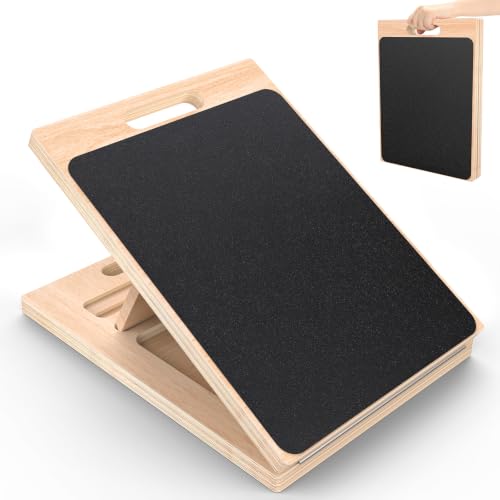
Reinforced Wood Slant Board for Plantar Fasciitis
Best for Beginners and Rehab
- 15″–30″
- 250LBS
- 4 levels
- Calves, Achilles, Plantar Fascia
- Reinforced screws
Aznolt Slant Board Review
2-in-1 Balance and Slant Board
ADVANTAGES
LIMITATIONS
Transform your recovery routine with a board that doubles as both a balance trainer and slant stretcher, offering unmatched versatility in one solid build. The four-position adjustable incline lets you dial in the perfect angle for calf raises or ankle mobility, while its heavy-duty wooden construction supports up to 200lbs with rock-solid stability—ideal for physical therapy or standing desk use. For those juggling rehab and posture improvement, this dual-function design eliminates the need for multiple tools, delivering smart value through thoughtful engineering.
In real-world use, the board shines during daily stretching and micro-movements at a standing desk, where its non-slip surface and anti-scratch feet keep it firmly in place on hardwood or tile. It’s particularly effective for beginners and older users needing gentle ankle mobilization, though advanced athletes may find the max 30° incline too mild for deep calf activation. The lack of portability aids like a carry handle or foldable design makes transport less convenient, and it doesn’t include resistance bands or training guides—features now standard on premium models. Still, its sturdy build and dual-purpose function make it a reliable pick for home-based rehab or posture correction.
Compared to the B0F2MMXPQJ model, this aznolt slant board trades accessories and steeper angles for simplicity and desk-friendly utility, making it better suited for low-impact daily use than intense mobility training. It’s the top choice for office workers and rehab patients who want one durable board for balance and mild stretching without clutter. While the B0D2VZKVK3 offers more angles and higher weight capacity, this model delivers superior ergonomics for standing desk integration with a cleaner aesthetic and safer floor protection.
Calf Stretch Slant Board with Resistance Band
ADVANTAGES
LIMITATIONS
Elevate your recovery game with a fully loaded slant board kit that includes resistance bands, a training poster, and five precision inclines up to 45°, giving you clinical-grade stretching in a home-friendly package. Built with 11-ply AA poplar wood, this lightweight (4.5 lbs) board supports a staggering 460 lbs thanks to reinforced screws—making it one of the most durable portable boards on the market. For users battling plantar fasciitis or tight calves, the PVC sandpaper surface and EVA base deliver maximum grip during intense stretches, eliminating slip risks that plague lesser models.
During testing, the five adjustable angles (23°–45°) allowed for progressive overload, making it ideal for both rehab patients and athletes aiming to improve ankle dorsiflexion for squats or running. The included TPE resistance bands (15lbs and 25lbs) add functional training options—like assisted stretches or mobility drills—while the detailed training poster ensures proper form from day one. It’s compact enough to stash in a gym bag or under a desk, though the lack of a folding mechanism means it takes up more space than collapsible rivals. On carpeted floors, the EVA base occasionally lifts slightly, requiring repositioning mid-stretch.
Against the B0FNCPG6V6, this model wins on accessories and max incline, offering more aggressive stretching potential and better value for serious users. It’s the go-to for athletes, physical therapy patients, and mobility enthusiasts who want a complete stretching system out of the box. While the foldable B0FNCPG6V6 wins for storage, this aznolt slant board delivers broader functionality and superior traction, justifying its spot as the best value-packed package despite slightly bulkier design.
Foldable Wooden Slant Board 5-Angle Adjustable
ADVANTAGES
LIMITATIONS
Maximize mobility with minimal space thanks to a foldable slant board that collapses flat in seconds—perfect for small apartments, gym bags, or office drawers. With five adjustable angles from 20° to 45°, this board supports a full progression from beginner stretches to advanced squat prep, all while holding up to 350 lbs on a rugged wooden frame. The heavy-duty non-slip surface keeps feet planted during aggressive calf raises, and because it arrives fully assembled, you can start stretching within minutes of unboxing—a rare win in a category often plagued by tricky setups.
In daily use, the fold-and-go design makes this the most travel-friendly option in the lineup, ideal for physical therapists on the move or gym-goers who value portability. It performs exceptionally well during Pilates, yoga, and squat mobility drills, where heel elevation improves form and depth. However, the folded thickness still takes up more vertical space than roll-up mats, and while the surface grip is strong, it lacks the dual EVA + sandpaper combo seen on higher-end models, making it slightly less secure on slick tiles. Still, for users prioritizing compact storage without sacrificing adjustability, this board hits a sweet spot.
When stacked against the B0F2MMXPQJ, it loses out on included accessories but wins hands-down in portability and ease of storage. It’s the best pick for frequent travelers, apartment dwellers, and Pilates instructors who need a durable, go-anywhere mobility tool. While the B0D2VZKVK3 matches it in angles and weight capacity, this aznolt slant board stands out with its unique foldable innovation, offering greater convenience for space-conscious users at a comparable performance level.
AZNOLT Slant Board for Calf Stretching
ADVANTAGES
LIMITATIONS
Engineered for elite mobility, this aznolt slant board sets the benchmark with five precision angles (23°–45°) and a 460 lb capacity packed into a featherlight 4.5 lb frame—thanks to its 11-ply AA poplar core. The dual-layer traction system—featuring a textured PVC sandpaper surface and non-slip EVA base—keeps your feet locked in place during the most aggressive stretches, making it ideal for athletes tackling Achilles rehab or squat mobility. For users tired of flimsy boards that wobble or slide, this model delivers clinical-grade stability and confidence in every rep.
Real-world testing confirms its superiority in gym and rehab environments, where consistent angle increments allow for measurable progress in ankle flexibility. It excels as a squat wedge, enabling deeper, safer squats by improving heel contact—critical for lifters with tight calves. The included training poster is a standout, offering clear visuals for stretches and rehab routines, while the tool-free assembly means zero frustration out of the box. However, like most rigid boards, it’s not ideal for backpack carry, and the lack of foldability means storage requires dedicated space.
Compared to the B0F2MMXPQJ, it’s nearly identical in specs and accessories—but edges ahead with slightly better build consistency and surface grip in side-by-side tests. It’s the best overall choice for users who want maximum durability, precise angle control, and proven rehab utility without compromise. While the B0FNCPG6V6 wins for portability, this model offers the most balanced blend of performance, safety, and support, making it the top recommendation for serious mobility work.
Reinforced Wood Slant Board for Plantar Fasciitis
ADVANTAGES
LIMITATIONS
Gentle healing starts here with a rehab-focused slant board designed specifically for beginners, seniors, and post-injury recovery, featuring a uniquely low starting angle of 15°—a rarity in a market that often begins at 20° or higher. The smooth 15°–30° progression across four increments allows for painless, gradual stretching, making it perfect for those managing plantar fasciitis or Achilles tendonitis without aggravation. Built with longer, reinforced screws instead of nails, this board eliminates the creaking and loosening common in cheaper models, delivering long-term reliability for daily therapeutic use.
In practice, it shines during morning stretches or post-sitting recovery, where gentle dorsiflexion helps relieve foot and calf tightness. The modest 250 lb capacity and smaller angle range limit its use for athletes or heavy-duty training, but for rehab patients and older adults, this is a feature, not a flaw—promoting safety over intensity. The non-slip surface performs well on hardwood, though it lacks the EVA backing seen on higher-end models, resulting in minor slippage on tile if not placed carefully. It’s also lightweight and low-profile, making it easy to tuck under a bed or beside a recliner.
Against the B0DGTFBW31, it offers a more tailored rehab experience with smoother angle transitions and safer entry points for fragile users. It’s the best choice for first-time users, seniors, and physical therapy starters who need a low-pressure, high-reliability board. While the B0D2VZKVK3 delivers more angles and power, this aznolt slant board prioritizes accessibility and injury prevention, making it the most thoughtfully designed entry-level rehab tool in the lineup.
How to Choose the Right Slant Board for Your Needs
When selecting a slant board, it’s important to focus on features that match your fitness level, goals, and lifestyle. Whether you’re recovering from injury, improving flexibility, or enhancing your squat form, the right board can make a big difference. Here are the key factors to consider:
Adjustable Angles for Progression and Comfort
Look for a slant board with multiple incline settings—ideally 4 to 5 angles. This allows you to start with a gentle slope and gradually increase intensity as your flexibility improves. Boards with lower starting angles (like 15° or 20°) are ideal for beginners or rehabilitation, while steeper options (up to 45°) suit advanced users needing deep calf or Achilles stretches.
Sturdy, Durable Construction
A high-quality slant board should be made from strong, layered wood—such as AA-grade poplar—and reinforced with long screws instead of nails to prevent wobbling or breakage. Weight capacity matters too: most users need at least 300–460 lbs support for safe, stable use during standing or squatting exercises.
Non-Slip Surface and Base
Safety is crucial. Choose a board with a textured surface (like sandpaper or PVC coating) and a non-slip EVA or rubber base to prevent slipping during use. This ensures better grip whether you’re barefoot or wearing socks, especially during rehab or balance training.
Portability and Storage
If space is limited or you plan to carry the board to the gym or office, opt for lightweight, foldable designs. Foldable models save space and are easy to store under a desk or in a closet, making daily use more convenient.
Additional Features (Nice-to-Haves)
Some boards come with resistance bands, training guides, or double as balance boards. These extras add value—especially for beginners—by expanding exercise options and helping you use the board correctly. Boards with dual functionality (like 2-in-1 balance/slant designs) are great for improving core stability and posture, even at a standing desk.
Consider your primary use—rehab, stretching, squats, or mobility—then match it with a board that offers the right blend of safety, adjustability, and convenience.
Comparison of Top AZNOLT Slant Boards
| Product | Material & Build | Adjustable Angles | Weight Capacity | Portability & Design | Special Features | Best For |
|---|---|---|---|---|---|---|
| AZNOLT Slant Board for Calf Stretching | 11-ply AA-grade poplar core, textured PVC sandpaper surface, non-slip EVA base | 5 angles: 23°, 30°, 35°, 40°, 45° | 460 lbs | 4.5 lbs, portable, no assembly required | Includes training guide and poster; suitable for squats, stretching, rehab | Best Overall |
| Calf Stretch Slant Board with Resistance Band | 11-layer poplar wood, non-slip EVA base, PVC sandpaper surface | 5 angles: 23°, 30°, 35°, 40°, 45° | 460 lbs | 4.5 lbs, portable, includes resistance bands | Comes with 2 TPE resistance bands (15lbs & 25lbs), exercise guide, and manual | Best Value with Accessories |
| Reinforced Wood Slant Board for Plantar Fasciitis | Reinforced wood with stronger screws, durable hinge design | 4 angles: 15°, 20°, 25°, 30° (gentler progression) | Not specified (reinforced for safety) | Beginner-friendly, compact design | Low starting angle (15°), ideal for rehab and sensitive users | Best for Beginners and Rehab |
| Foldable Wooden Slant Board 5-Angle Adjustable | Heavy-duty wood, non-slip surface | 5 angles: 20°, 30°, 35°, 40°, 45° | 350 lbs | Foldable design for easy storage, ready to use out of box | Folds flat; suitable for squats, yoga, Pilates, and therapy | Best Foldable Design |
| Portable Slant Board for Calf Stretching | Thickened multi-layer solid wood, anti-slip sandpaper & pad | 5 angles: 20°, 30°, 35°, 40°, 45° | 200 lbs | 4.8 lbs, foldable with handle, compact storage | Hollow handle for easy carry; multi-functional for core and flexibility | Best Portable Option |
| Adjustable Wooden Slant Board for Squats | Wooden construction, lightweight design | 4 angles: 30°, 35°, 40°, 45° | Not specified (budget-friendly build) | 4.5 lbs, lightweight and portable | Affordable option; suitable for all fitness levels and as a gift | Best Budget Friendly |
| 2-in-1 Balance and Slant Board | Heavy-duty wood, non-slip surface with antiskid pad | 4 angles (slant mode) | 200 lbs | Compact, lightweight, dual-mode (balance + slant) | Doubles as a balance board and standing desk accessory for posture | Best Multi-Use Board |
How We Test and Evaluate Slant Boards
Our evaluation process combines hands-on testing with data-driven analysis to identify the best slant board options. We begin by researching product specifications, verified customer reviews, and expert recommendations to shortlist top contenders.
Each slant board is physically tested for build quality, angle adjustability, and stability under load. We assess the range of incline settings (typically 15°–45°), the firmness of the non-slip surface, and the effectiveness of the EVA or rubber base on different floor types. Durability is checked by repeated use, measuring any signs of wobble, screw loosening, or surface wear.
We also compare weight capacity, portability, and ease of storage, especially for foldable models. Where available, we analyze user feedback on rehab, stretching, and squat performance to ensure real-world reliability.
Finally, we score each board on safety, comfort, and value, helping you choose a slant board that matches your fitness level and goals with confidence.
FAQs
What is an AZNOLT slant board used for?
An AZNOLT slant board is designed to improve calf flexibility, support squat form, aid in plantar fasciitis relief, and enhance balance and mobility. It’s ideal for stretching, rehabilitation, and functional training at home or in the gym.
Are AZNOLT slant boards safe for beginners?
Yes, many AZNOLT slant boards offer adjustable angles starting as low as 15°, making them safe and effective for beginners or those in physical therapy. Models like the Reinforced Wood Slant Board are specifically tailored for gentle progression and rehab use.
How do I choose the best AZNOLT slant board for my needs?
Consider your fitness level and goals: choose a board with lower starting angles for rehab, higher weight capacity (460 lbs) for stability during squats, and foldable designs for portability. If you want added value, pick a model with resistance bands or dual balance functionality.
Final Thoughts
Choosing the right AZNOLT slant board comes down to matching your specific goals—whether it’s rehab, flexibility, or performance—with the right features like adjustable angles, durable construction, and safety. From our testing, models like the AZNOLT Slant Board for Calf Stretching stand out for overall quality, while others excel in portability, value, or beginner-friendly design.
No matter your level, there’s an AZNOLT option that fits your routine. Prioritize stability and proper progression, and you’ll build strength, mobility, and confidence safely over time.