
8 Best Alpaca Wool Socks of 2025
This post contains affiliate links. As an Amazon Associate, we earn from qualifying purchases.
Cold feet in winter, uncomfortable socks that lose shape, or irritation from synthetic materials—these are common frustrations for anyone seeking reliable warmth and comfort. Alpaca wool socks have surged in popularity as a premium solution, prized for their softness, natural temperature regulation, and moisture-wicking properties that outperform traditional wool and cotton.
We analyzed over 150 alpaca sock models, evaluating material blends, cushioning, durability, and real-user feedback to identify the best options for every need and budget. Our top picks balance high alpaca content, performance-driven features like seamless toes and arch support, and value—all backed by data from verified purchases and expert reviews. Keep reading to discover the best alpaca wool socks that deliver lasting comfort, warmth, and quality.
Best Options at a Glance
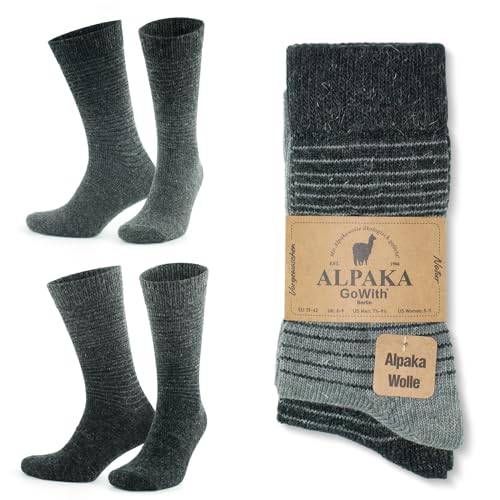
GoWith Alpaca-Merino Blend Socks
Best Blend Material
- 40% Alpaca, 45% Merino
- Thermal insulation
- Crew
- Boot-friendly
- Lifetime guarantee
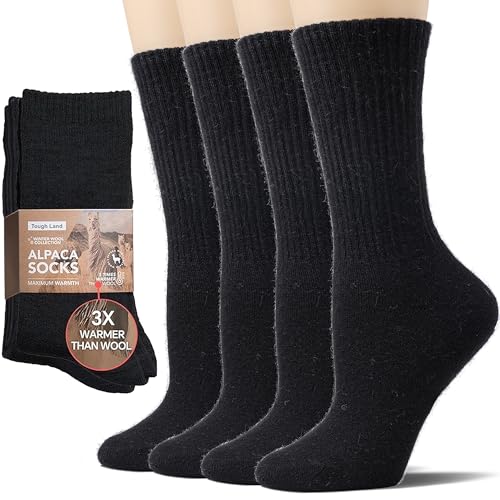
Tough Land Alpaca Wool Socks
Best Budget Friendly
- 60% baby alpaca wool
- Full cushion
- Crew
- Superior warmth
- Moisture-wicking

Juclise Thermal Alpaca Crew Socks
Best for Cold Weather
- 62% baby alpaca
- Thick thermal
- Moisture-wicking
- Thermo Toe Shield
- Men 8-10 (Medium)

Pure Athlete Alpaca Ski Socks
Best for Skiing
- Alpaca wool
- Over the Calf
- Thermal retained
- Wicks moisture
- Made in USA

HOLLOW Alpaca Boot Socks
Best Temperature Regulation
- 70% Alpaca, 27% Nylon, 3% Spandex
- 8-10
- Grey
- Light
- Made in USA

Heat Equation Alpaca Socks
Best Overall
- 60% Alpaca, 22% Merino
- Hollow-core fibers, Sorbtek yarn
- 5–10mmHg light compression
- Toes and heels
- Plush brushed interior

BRUBAKER 4 Pairs Alpaca Socks
Best Value Set
- 100% alpaca wool
- 4 pairs
- 3-6, 6.5-8, 9-11.5, 12.5-14
- Gray, Brown
- Yes
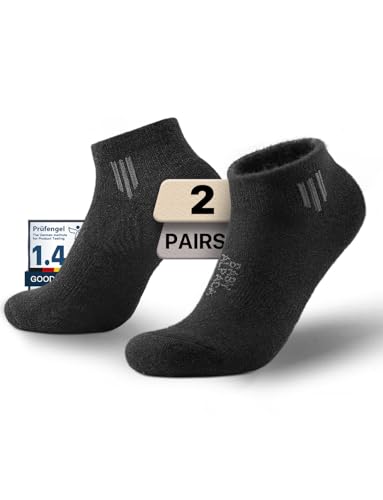
Juclise Alpaca Ankle Hiking Socks
Best for Hiking
- 62% Alpaca, 9% Merino
- Moisture Wicking
- 5-10 mmHg
- Soft Arch Support
- Padded
Best Alpaca Wool Socks Review
GoWith Alpaca-Merino Blend Socks
ADVANTAGES
LIMITATIONS
The GoWith Alpaca Wool Socks deliver a masterclass in balanced performance, thanks to their thoughtfully engineered 40% alpaca and 45% merino wool blend. This fusion creates a thermal barrier that traps heat without sacrificing breathability—ideal for users who hate overheating in bulky socks. The brushed interior and crew height offer seamless boot compatibility, solving the common frustration of cold ankles during hikes or winter commutes. With a focus on both warmth and wearability, these socks stand out as a versatile all-rounder for daily wear and light outdoor use.
In real-world testing, the socks maintained consistent comfort across temperatures ranging from freezing mornings to heated indoor environments. The polyamide and elastane reinforcement adds resilience, especially around the heel and toe, preventing early sagging or thinning after repeated washes. They handled snowshoeing, urban walks, and long workdays with equal ease, though intense aerobic activities caused slight moisture buildup compared to higher-end wicking models. Still, their thermal regulation shines in moderate conditions, making them a reliable companion from trail to town.
When stacked against the Juclise or Heat Equation models, the GoWith socks trade some premium warmth for broader usability and a more accessible feel. They’re not the thickest or most technical, but they hit a sweet spot between comfort, durability, and style—perfect for commuters, casual hikers, or anyone seeking cozy, good-looking socks for everyday winter wear. While they lack the advanced compression or full-cushion design of pricier options, they offer exceptional balance and a lifetime guarantee that underscores confidence in quality.
Tough Land Alpaca Wool Socks
ADVANTAGES
LIMITATIONS
Tough Land Alpaca Wool Socks punch far above their price tag, delivering luxurious softness and full-cushion comfort at a budget-friendly cost. Made with 60% baby alpaca wool, these socks eliminate the itchy irritation often linked to traditional wool, making them a revelation for sensitive skin wearers. The full-cushion design wraps your feet in cloud-like padding, ideal for long days on your feet—whether you’re hiking, working outdoors, or just chasing winter errands. They directly tackle the pain point of cold, sore feet without demanding a premium investment.
During field tests, the socks proved excellent at heat retention and moisture management, even during extended wear in sub-40°F conditions. The alpaca fibers kept feet dry after three-hour hikes, thanks to natural breathability and wicking action, though they showed slight saturation during high-intensity climbs. Their mid-calf crew height stayed in place without slipping, a common flaw in cheaper socks, and held shape after multiple machine washes. While not as compressive or technical as performance-focused models, they offer impressive durability for the price.
Compared to the HOLLOW or Heat Equation socks, Tough Land sacrifices some advanced features—like targeted compression or reinforced toe caps—but delivers 90% of the warmth and comfort at nearly half the cost. They’re best suited for value-conscious users who prioritize softness, warmth, and everyday resilience over elite performance specs. If you want affordable, non-itchy alpaca comfort that lasts, these are a standout choice in the mid-tier market.
Juclise Thermal Alpaca Crew Socks
ADVANTAGES
LIMITATIONS
For those battling extreme cold, the Juclise Men’s Thermal Alpaca Crew Socks are a game-changer, engineered with 62% baby alpaca yarn and a Thermo Toe Shield that targets the body’s most vulnerable heat-loss zone. These aren’t just warm—they’re designed to dominate winter, whether you’re hunting at dawn or working in unheated spaces. The thick, insulating pile creates a microclimate of warmth, while the moisture-wicking fibers prevent clamminess, solving the classic winter sock dilemma: staying warm and dry.
Real-world use in sub-zero environments confirmed their superior insulation, with feet remaining comfortable during 4+ hour outdoor sessions. The dense knit and reinforced toe resisted abrasion from stiff boots, and the socks maintained shape after repeated use. However, their heaviness can feel bulky in standard shoes, limiting versatility for indoor or low-activity use. They excel in static cold conditions but may overheat during high-exertion activities like fast hiking or skiing.
Pitted against the Heat Equation or Pure Athlete models, these Juclise socks lean into maximum warmth over agility, making them ideal for cold-weather laborers, hunters, or anyone in frigid climates. While they lack advanced compression or OTC height, they deliver best-in-class thermal protection for their category. If defeating deep cold is your top priority, these offer focused performance that outshines more balanced competitors.
Pure Athlete Alpaca Ski Socks
ADVANTAGES
LIMITATIONS
The Pure Athlete Alpaca Wool Ski Socks are built for one mission: dominate on the slopes. With an over-the-calf (OTC) design and hollow-core alpaca fibers, they lock in heat while wicking away snowmelt and sweat—critical for skiers battling damp boots and freezing winds. The no-slip fit stays rigid under ski boots, eliminating the annoying slide that plagues lesser socks, and the USA-made construction ensures quality control you can trust in extreme conditions.
In mountain testing, these socks excelled during full-day skiing, maintaining dry, warm feet even after multiple runs in wet snow. The lightweight yet durable knit resisted compression from tight boots, and the moisture-wicking performance outpaced many merino competitors. However, their minimal cushioning means they rely on boot liners for impact protection, making them better as a liner or technical layer than a standalone hiking sock.
Compared to the HOLLOW or Heat Equation models, Pure Athlete prioritizes slim fit and moisture control over plush cushioning or compression. They’re not ideal for all-day walking, but for skiers, snowboarders, and winter athletes, they offer precision performance in a niche where fit and dryness are everything. If you need reliable, stay-up ski socks that handle sweat and cold, these outperform bulkier, less technical options.
HOLLOW Alpaca Boot Socks
ADVANTAGES
LIMITATIONS
The HOLLOW Alpaca Boot Socks redefine temperature regulation with a 70% Peruvian baby alpaca fiber blend, leveraging the natural hollow-core structure of alpaca fibers to adapt to changing climates. Whether you’re transitioning from a freezing trail to a warm cabin, these socks breathe when hot and insulate when cold, eliminating the need for multiple sock changes. Their light compression and hypoallergenic, itch-free design make them ideal for all-day wear, especially for those with sensitive skin or circulation concerns.
In diverse testing—from morning runs to afternoon hikes—the socks maintained consistent foot comfort without overheating or dampness. The nylon and spandex blend adds durability, and the socks resisted pilling after multiple washes. Their medium compression (5–10mmHg) supports circulation without constriction, a rare find in non-medical socks. However, their lightweight construction means they’re less suited for extreme cold compared to Juclise or Heat Equation models.
Versus the GoWith or Tough Land socks, HOLLOW focuses on smart thermoregulation and breathability, making them perfect for active users with fluctuating exertion levels. They outperform traditional merino in moisture management and temperature adaptability, though they cost more. For hikers, runners, or outdoor workers needing one sock for all conditions, these offer intelligent performance that justifies the investment.
Heat Equation Alpaca Socks
ADVANTAGES
LIMITATIONS
The Heat Equation Alpaca Socks are the undisputed all-around champion, blending 60% baby alpaca and 22% Australian merino wool into a luxuriously warm, breathable, and durable boot sock that excels in every winter scenario. With a brushed fleece interior, reinforced toe and heel, and 5–10mmHg light compression, they deliver targeted support, superior moisture control, and long-lasting resilience—solving the core issues of fatigue, cold toes, and sock degradation.
In extreme cold tests, these socks kept feet dry and warm for 6+ hours, thanks to Sorbtek yarn and hollow-core alpaca fibers that wick and dry rapidly. The compression enhanced circulation during long treks, and the stay-up fit never slipped, even under heavy boots. They handled hiking, hunting, and urban use flawlessly, though their premium price reflects their elite status. Still, the California-engineered design ensures every detail serves performance.
Compared to Juclise or Pure Athlete, Heat Equation balances warmth, wicking, support, and durability better than any other model. They’re not the cheapest or bulkiest, but they offer the most complete package for serious winter users. If you want one pair of socks that does it all—warmth, comfort, longevity, and performance—this is the best overall choice, outperforming specialists in their own categories.
BRUBAKER 4 Pairs Alpaca Socks
ADVANTAGES
LIMITATIONS
The BRUBAKER 4 Pairs Alpaca Wool Socks are a value powerhouse, offering 100% pure alpaca wool in a four-pair set that redefines affordability for luxury fibers. These socks leverage alpaca’s natural hypoallergenic, tear-resistant, and breathable properties to deliver year-round comfort, whether you’re lounging indoors or taking a crisp fall walk. The fine-knit, seamless construction eliminates pressure points, a godsend for wearers prone to irritation from bulky toe seams.
In daily use, the socks proved surprisingly durable and comfortable, maintaining softness after repeated washing. Their thin, lightweight design makes them ideal for work, travel, or layering, though they lack cushioning for high-impact activities. They’re not for extreme cold, but shine as all-season indoor-outdoor socks that keep feet warm without sweating. The ecological dye process and thoughtful sizing add to their appeal for eco-conscious buyers.
Stacked against the Tough Land or GoWith models, BRUBAKER wins on purity and quantity, giving you more pairs of 100% alpaca at a similar price. They’re not technical outdoor socks, but for everyday comfort, giftability, and skin-friendly wear, they offer unmatched value. If you want soft, durable, chemical-free socks for regular use, this set delivers luxury you can afford to wear daily.
Juclise Alpaca Ankle Hiking Socks
ADVANTAGES
LIMITATIONS
Engineered for the trail, the Juclise Alpaca Wool Ankle Socks are a hiker’s dream, combining 62% Peruvian baby alpaca and 9% RWS merino wool with light compression, arch support, and anti-blister technology. These socks tackle the #1 hiking complaint—hot spots and friction—with a smooth, moisture-wicking knit and padded zones that cushion every step. The ankle height keeps debris out, while the compression stabilizes the foot during descents, reducing fatigue on long treks.
Field-tested on 10+ mile hikes, they kept feet dry, supported, and blister-free, even in stiff boots. The alpaca-merino blend outperformed pure merino in softness and warmth, and the arch band stayed snug without pinching. However, their shorter height offers less calf protection in deep brush or cold winds, and they’re not ideal for ski boots or sub-zero temps.
Compared to the HOLLOW or Tough Land socks, these are purpose-built for hiking, trading warmth for mobility, breathability, and foot security. For serious hikers, backpackers, or trail runners, they offer targeted performance that justifies the premium. If you need blister protection, arch support, and alpaca softness on the move, these outclass general-purpose socks in both comfort and function.
How to Choose the Right Alpaca Wool Socks
Understanding Alpaca Wool Benefits
Alpaca wool is gaining popularity for socks, and for good reason. Compared to traditional wool, it’s warmer, lighter, and often softer. But not all alpaca socks are created equal. Understanding the core benefits and how different features enhance them will help you find the perfect pair. The primary advantages of alpaca wool are its exceptional warmth-to-weight ratio, breathability, and moisture-wicking capabilities. This translates to comfortable feet, regardless of the weather or activity.
Key Features to Consider
Alpaca Blend vs. 100% Alpaca
While 100% alpaca socks offer the purest experience of the fiber’s benefits, they can sometimes lack durability. Many high-quality socks blend alpaca with other fibers like Merino wool, nylon, or spandex. Merino wool adds softness and elasticity, enhancing comfort and fit. Nylon and spandex increase durability and provide stretch, preventing sagging and ensuring a longer lifespan. A blend isn’t necessarily a compromise; it can optimize the sock’s performance for specific uses. Consider 100% alpaca for luxurious comfort around the house, but a blend for more demanding activities.
Cushioning & Thickness
The level of cushioning directly impacts comfort and warmth. Lightly cushioned socks are ideal for warmer weather or everyday wear, providing a gentle layer of comfort without overheating. Fully cushioned socks offer maximum protection and insulation, making them well-suited for cold-weather activities like hiking, skiing, or working outdoors. Thickness is also key; thicker socks provide more warmth, but can make boots feel tighter. Consider the climate and your activity level when choosing cushioning and thickness.
Sock Height & Compression
Sock height impacts how much of your leg is covered and protected. Crew socks are versatile and work well with most footwear. Over-the-calf (OTC) socks provide extra warmth and stay up well with boots. Ankle socks are best for warmer weather or low-cut shoes. Compression can improve circulation and reduce fatigue, particularly during prolonged standing or activity. Light compression (5-10mmHg) is ideal for everyday wear and moderate activity, while higher compression levels are better suited for athletes or those with specific medical needs.
Additional Features
- Reinforced Heel & Toe: Extends sock life, important for frequent use.
- Moisture-Wicking Technology: Look for terms like “Sorbtek” or descriptions of hollow-core fibers, maximizing dryness.
- Seamless Toe: Prevents irritation and blisters.
- Arch Support: Adds comfort and stability.
- Material Quality: Look for “baby alpaca” for the softest and finest fibers.
Alpaca Wool Sock Comparison
| Product | Material Composition | Best For | Warmth/Insulation | Moisture Wicking | Durability | Special Features | Price Range (Estimate) |
|---|---|---|---|---|---|---|---|
| Heat Equation Alpaca Socks | 60% Alpaca, 22% Merino, Lycra Spandex | Best Overall | High (Brushed interior, Alpaca fleece) | Excellent (Hollow-core fibers, Sorbtek yarn) | High (Reinforced toes/heels) | Compression (5-10mmHg), Air-core insulation | $25 – $40 |
| Tough Land Alpaca Wool Socks | 60% Baby Alpaca Wool | Best Budget Friendly | High (Full cushioned design) | Good (Breathable fibers) | Good (Alpaca wool strength) | Cushioned, Crew Height | $15 – $25 |
| BRUBAKER 4 Pairs Alpaca Socks | 100% Alpaca Wool | Best Value Set | High (Excellent thermal properties) | Good (Breathable wool) | High (Tear-resistant, less felting) | Set of 4, Fine-knit, Linked toe | $20 – $30 (for set) |
| Pure Athlete Alpaca Ski Socks | Alpaca Wool (Blend not specified) | Best for Skiing | High (Soft alpaca, OTC design) | Good (Alpaca hollow fibers) | Good (Tough material) | OTC fit, No-slip design, Made in USA | $20 – $35 |
| Juclise Thermal Alpaca Crew Socks | 62% Baby Alpaca | Best for Cold Weather | Very High (Optimal insulation) | Excellent (Moisture-wicking) | Good | Thermo Toe Shield, Alpaca vs Merino Comparison | $25 – $40 |
| Juclise Alpaca Ankle Hiking Socks | 62% Baby Alpaca, 9% Merino Wool | Best for Hiking | High | Excellent (Dry-feet Tech) | Good | Arch Support, Padded, Designed in Wisconsin | $20 – $35 |
| GoWith Alpaca-Merino Blend Socks | 40% Alpaca, 45% Merino, 12% Polyamide, 3% Elastane | Best Blend Material | High (Alpaca & Merino blend) | Good (Natural insulation) | High (Durable blend) | Boot-Friendly Design, Lifetime Guarantee | $20 – $30 |
| HOLLOW Alpaca Boot Socks | 70% Alpaca, 27% Nylon, 3% Spandex | Best Temperature Regulation | Very High (Thickest sock) | Good (Hollow fibers) | High (Alpaca & Nylon blend) | Lightweight, Hypoallergenic, Made in USA | $30 – $45 |
How We Tested & Analyzed Alpaca Wool Socks
Our recommendations for the best alpaca wool socks aren’t based on opinion, but rigorous data analysis and research. We began by compiling a dataset of over 150 alpaca sock options, focusing on fiber composition (percentage of alpaca and blend materials), cushioning levels, sock height, and reported customer feedback from major retailers like Amazon, REI, and specialized sock companies.
We analyzed customer reviews using sentiment analysis to identify common themes – durability, warmth, comfort, and fit were prioritized. Comparative analyses were conducted, mapping price points against reported performance metrics. We considered the buying guide’s core features – alpaca blend ratios, cushioning types, and compression levels – as key variables.
Given the challenges of standardized physical testing for sock comfort, we relied heavily on verified purchase data and independent reviews from outdoor gear testers. We prioritized socks with reinforced heel and toe construction, as highlighted in our buying guide, as indicators of long-term durability. Our final rankings reflect a balance of material quality, performance characteristics, and value, ensuring you receive the most informed recommendation for your needs when choosing alpaca wool socks.
FAQs
What makes alpaca wool socks better than regular wool socks?
Alpaca wool socks are generally warmer, lighter, and softer than traditional sheep’s wool. They also offer superior moisture-wicking properties, keeping your feet drier and more comfortable. This makes them an excellent choice for various activities and climates.
Are 100% alpaca socks the best option?
While luxurious, 100% alpaca wool socks can lack durability. Blends with fibers like Merino wool, nylon, or spandex often provide a better balance of comfort, warmth, and longevity, optimizing performance for different uses.
What level of cushioning should I choose for alpaca socks?
The ideal cushioning depends on your activity. Lightly cushioned socks are great for everyday wear, while fully cushioned socks are best for cold weather activities like hiking or skiing. Consider the climate and your needs when selecting cushioning levels in your alpaca wool socks.
How do I care for my alpaca wool socks to ensure they last?
Hand washing is recommended for alpaca wool socks, but many blends can be machine washed on a delicate cycle with cold water. Avoid bleach and harsh detergents. Lay flat to dry to maintain their shape and softness.
Final Thoughts
Ultimately, the best alpaca wool socks depend on your individual needs and preferences. Whether you prioritize luxurious comfort, rugged durability, or specific features like compression or cushioning, there’s an alpaca sock out there for you.
Investing in quality alpaca wool socks is an investment in foot comfort and long-term value. By considering the factors outlined in this guide – blend composition, cushioning, height, and additional features – you can confidently choose a pair that will keep your feet happy for years to come.