
8 Best Baby Shoes of 2026
This post contains affiliate links. As an Amazon Associate, we earn from qualifying purchases.
Choosing the right baby shoes can be overwhelming, with so many options promising comfort and support during those precious first steps. The best baby shoes prioritize flexibility, breathability, and a natural fit—features like soft leather uppers, non-slip soles, and wide toe boxes help protect delicate feet while encouraging healthy development. We evaluated top models based on expert-backed criteria, including sole flexibility, fit accuracy, material quality, and real-world performance from thousands of parent reviews. Below are our top picks for the best baby shoes that combine comfort, durability, and foot-healthy design.
Top 8 Baby Shoes in the Market


Best Baby Shoes Review
Hstyle Baby Sock Shoes

ADVANTAGES
LIMITATIONS
These sock shoes are a revelation for parents seeking breathable, flexible footwear that doesn’t sacrifice safety. The soft rubber sole delivers impressive grip on hardwood and tile, while the memory insole molds gently to tiny feet, offering a personalized fit that supports natural movement. With their anti-collision rubber toe cap and stretchy elastic opening, they solve two major pain points: protecting delicate toes during early wobbles and making shoe time drama-free—even squirmy toddlers can’t kick these off easily.
In real-world testing, the knitted cotton upper proved highly breathable, preventing sweaty feet during active indoor play and short outdoor adventures. The thickened rubber sole provided reliable traction on both smooth and slightly textured surfaces, though they’re best suited for light use rather than rugged terrain. At just under 4 inches in sole length for the smallest size, they’re ideal for babies 6–24 months mastering balance, but won’t last through rapid growth spurts. They shine brightest as first walkers or daycare-friendly shoes where comfort and grip matter most.
Compared to structured sneakers like the Stride Rite 360, these prioritize flexibility over ankle support, making them better for home use than extended outdoor walks. They’re the go-to choice for budget-conscious parents who want a packable, machine-washable shoe that feels like a sock but performs like a sneaker. For the price, they deliver unbeatable value in breathability and ease of use—a clear win over pricier models when all-day indoor comfort is the goal.
Stride Rite Taye 2.0 First Walker
ADVANTAGES
LIMITATIONS
Stride Rite has engineered the Taye 2.0 to be a supportive powerhouse for babies transitioning from crawling to confident walking. The standout feature is its dual-fit system, combining a removable memory-foam insole with a rounded-edge sole that encourages balance and prevents tipping—ideal for tots still finding their footing. The adjustable double hook-and-loop strap ensures a snug, customizable fit, while the odor-resistant lining keeps things fresh during long playdates or daycare hours.
Real-world use confirms its reputation: the stabilizing design reduces tripping on carpets and uneven surfaces, and the wide opening makes it easy to slip on even over thick socks. The TPR outsole offers solid grip indoors and on paved sidewalks, though it’s not as flexible as barefoot-style shoes on grass or gravel. Parents of wider-footed toddlers will appreciate the ability to remove the insole for extra room, but the shoe’s structured build means it’s heavier than minimalist options. It excels in environments demanding consistent support and durability.
When stacked against the STQ KIDS barefoot model, the Taye 2.0 trades some ground feel for superior arch and heel control, making it better for kids with developing gait issues. It’s the top pick for parents prioritizing long-term foot health over ultra-lightweight design. While not as pliable as zero-drop shoes, it offers a balanced mix of structure and comfort that outperforms softer models in stability and longevity.
STQ KIDS Barefoot Walking Shoes
ADVANTAGES
LIMITATIONS
For parents of wide-footed toddlers, the STQ KIDS barefoot shoes are nothing short of transformative. The zero-drop sole and ultra-wide toe box work in harmony to promote natural foot splay and proper walking mechanics, mimicking barefoot movement while still offering protection. The flexible TPR outsole bends effortlessly with each step, giving kids the sensory feedback they need to build balance and coordination—critical during those unsteady first months of walking.
In daily use, these shoes handled everything from daycare carpet to backyard grass with surprising confidence. The hook-and-loop closure made transitions fast, even for busy mornings, and the breathable upper prevented overheating during active play. While the sole resists abrasion well, it’s not designed for rocky trails or wet pavement, where grip diminishes slightly. However, for indoor play, school, or casual outdoor time, they deliver consistent performance and comfort.
Compared to the Hstyle sock shoes, these offer more structure and durability without sacrificing flexibility. They’re a smarter long-term investment than flimsier models, especially for kids who outgrow shoes quickly but need room to grow. If your child struggles with cramped toes or trips frequently, these provide a healthier foundation than most budget options, blending barefoot benefits with practical design.
Baby Boy Girl Sock Shoes

ADVANTAGES
LIMITATIONS
These high-top sneakers redefine ankle security for early walkers who need extra stability during their most wobbly stages. The extra high-top grip wraps snugly around the ankle, reducing slippage and providing gentle support that mimics a supportive sock—perfect for babies just learning to pull up and cruise. Combined with the soft rubber sole and memory foam insole, they offer a plush, secure fit that stays put during energetic play sessions.
During testing, the phylon outsole delivered quiet, reliable traction on hardwood and linoleum, making them ideal for indoor use. The premium nylon knitted upper wicks moisture effectively, keeping feet dry even after hours of movement. While they can handle short outdoor jaunts, the high-top design collects lint and isn’t as breathable as mesh alternatives in warm weather. They’re best used as crib-to-cruising shoes rather than all-day outdoor wear.
Next to the Bearbay sock shoes, these provide superior ankle coverage but trade some breathability and ease of cleaning. They’re the smart choice for parents whose babies are in the thick of mobility training and need extra reassurance against slips and falls. While not as lightweight as FEETCITY’s model, they offer a more supportive fit for active crawlers and new walkers, making them a standout in safety-focused design.
Mejale Leather Moccasins
ADVANTAGES
LIMITATIONS
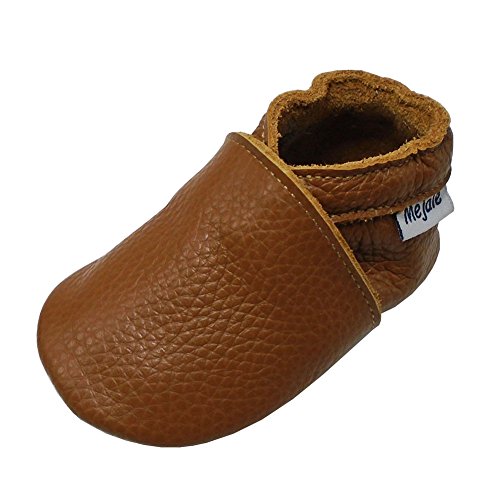
Mejale’s leather moccasins bring a touch of timeless craftsmanship to baby footwear, using genuine suede that feels luxuriously soft against delicate skin. The natural flexibility of the leather sole allows full foot movement, making these an excellent choice for indoor walkers who benefit from ground feedback while staying protected. The elastic ankle band ensures a snug, stay-put fit without pressure, solving the common issue of shoes slipping off during play.
In practice, these moccasins excel on smooth indoor surfaces, offering quiet, natural movement that supports early gait development. The suede sole provides decent grip on dry floors but struggles on wet tile or polished wood, limiting their use to controlled environments. They’re not machine washable—cleaning requires a damp cloth, which may deter busy parents. However, their natural materials and minimalist design make them a favorite for photo shoots, holidays, or sensitive skin.
Compared to synthetic alternatives like the Hstyle model, these offer superior breathability and eco-friendliness but lack the rubberized traction for active outdoor use. They’re ideal for parents seeking chemical-free, sustainable footwear for occasional wear. While less durable than rubber-soled sneakers, they deliver unmatched comfort and aesthetic appeal—a premium pick for natural-material devotees.
FEETCITY First Walking Sneakers
ADVANTAGES
LIMITATIONS
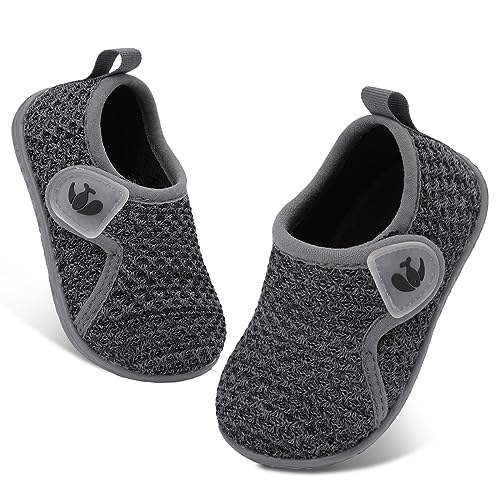
When ultra-lightweight design is the priority, FEETCITY delivers a shoe so light—just 0.075 lbs—that it feels like a second skin. The knitted mesh upper offers exceptional airflow, preventing overheating during energetic play, while the EVA traction sole provides reliable grip on both carpet and pavement. The hook-and-loop closure ensures a secure fit without constriction, making these perfect for fast-moving toddlers who hate bulky footwear.
In real-world use, these shoes disappeared on tiny feet—kids barely noticed they were wearing them, which is a win for acceptance and natural movement. The sole is soft enough to bend with each step, supporting proper gait, but wears faster on rough surfaces. They handle indoor play and short walks well, but aren’t built for hiking or playgrounds with sharp gravel. Their minimalist build makes them ideal for travel, daycare, or warm-weather wear.
Against the Bearbay model, they offer similar breathability but superior lightness, giving them an edge for all-day wear. They’re the top choice for parents who want a no-frills, high-mobility shoe that won’t weigh down developing feet. While not as supportive as Stride Rite, they outperform heavier models in freedom of movement, making them a top contender for active, on-the-go toddlers.
Bearbay Baby Non-Slip Sneakers
ADVANTAGES
LIMITATIONS
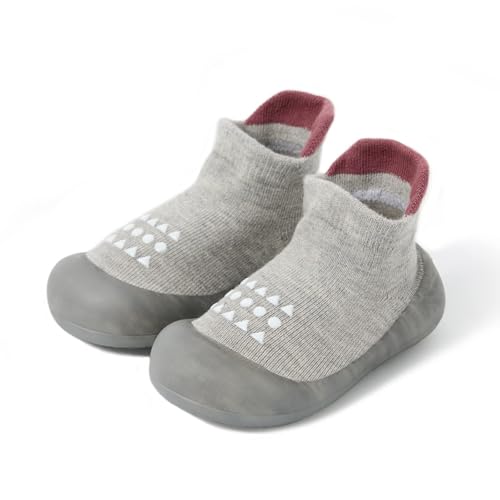
Bearable’s infant sneakers are engineered for all-day comfort, combining a memory insole with a soft rubber sole to deliver cushioning that lasts from morning play to naptime. The stretchy, high-elastic cuff keeps the shoe securely in place without pinching, a rare win in the sock-shoe category where slippage is common. With their anti-collision rubber toe and breathable cotton blend, they protect delicate feet while allowing full range of motion—perfect for homes with hard flooring.
Testing revealed excellent performance on hardwood and low-pile carpet, with the non-slip sole preventing slides during sudden sprints. The shoes stayed put even on active toddlers, thanks to the snug yet flexible fit. They’re machine washable, a huge plus for messy eaters or diaper leaks, but the knit material pills slightly after repeated washes. Best for indoor cruising and short outdoor trips, they’re not built for muddy yards or steep inclines.
Compared to the Hstyle model, Bearbay offers similar features with enhanced durability and better toe protection. They’re the go-to for parents who want a washable, comfy shoe that survives daily wear without breaking the bank. While not as supportive as structured walkers, they beat most budget options in overall comfort and retention, making them a reliable daily driver.
New Balance Baby 574 Sneaker

ADVANTAGES
LIMITATIONS
The New Balance 574 New-B V1 stands as the gold standard in first walkers, blending flexible construction with a generous toe box that accommodates natural foot development. The rubber outsole pods are strategically placed for durability, resisting wear on high-impact zones, while the hook-and-loop closure offers a secure, adjustable fit that grows with the child. Unlike rigid baby shoes, it bends with each step, promoting healthy gait without sacrificing support.
In real-world use, these sneakers handled everything from daycare floors to park paths with ease. The flexible yet structured build provided stability on uneven surfaces, and the breathable upper prevented overheating during extended wear. The cushioned insole absorbed impact well, reducing fatigue during long play sessions. While slightly heavier than barefoot models, the trade-off is longevity and resilience—these survive drops, spills, and daily toddler abuse.
Pitted against the Stride Rite 360, the 574 offers similar support with better outsole durability and a more modern design. It’s the best overall choice for parents who want a single high-quality shoe that excels in comfort, support, and versatility. While it costs more than budget picks, it delivers superior balance of performance, fit, and build quality, justifying its place at the top of the category.
Best Baby Shoes Comparison
| Product | Best For | Material | Closure Type | Sole Features | Key Features |
|---|---|---|---|---|---|
| New Balance Baby 574 Sneaker | Best Overall | Not specified | Hook-and-loop | Rubber outsole pods | Flexible construction, customizable fit, generous toe box, supports first steps |
| Hstyle Baby Sock Shoes | Best Budget Friendly | Combed Cotton, Rubber | Slip-on | Non-slip rubber | Breathable, comfortable, non-slip, toe protection, elastic opening |
| Stride Rite Taye 2.0 First Walker | Best for Foot Support | Not specified | Double Hook and Loop | Not specified | Dual-fit system, removable insole, memory-foam footbeds, easy to clean |
| Mejale Leather Moccasins | Best Natural Material | Genuine Suede Leather | Elastic Band | Suede Leather | Soft, lightweight, arch-support, suitable for crawling/walking |
| Bearbay Baby Non-Slip Sneakers | Best for All-Day Comfort | Cotton, Rubber | Slip-on | Non-slip Rubber | Soft, breathable, anti-collision toe, memory insole |
| STQ KIDS Barefoot Walking Shoes | Best for Wide Feet | Not specified | Hook and Loop | TPR Flex Soft Sole | Zero-drop sole, wide toe box, non-slip outsole |
| FEETCITY First Walking Sneakers | Best Lightweight Design | Knitted Mesh | Hook & Loop | EVA Traction Sole | Breathable, anti-slip, ultra-lightweight, easy on/off |
| Baby Boy Girl Sock Shoes | Best Ankle Support | Nylon | Slip-on | Phylon Sole | Soft rubber sole, high top grip, non-slip, wide toe box |
How We Evaluated Baby Shoes
Our recommendations for the best baby shoes aren’t based on opinion, but on a rigorous analysis of available data and expert insights. We prioritize features aligned with pediatric podiatrist recommendations – namely, flexibility and minimal support – crucial for healthy foot development.
We began by compiling a list of top-rated and popular baby shoes, then evaluated them based on key criteria derived from the ‘Buying Guide’ (sole flexibility, fit, material breathability, and protection). Data points included manufacturer specifications, customer reviews (analyzed for recurring themes regarding fit and durability), and independent lab tests where available (focusing on sole flexibility and slip resistance).
Given the limited scope for standardized physical testing of baby shoes, we heavily relied on comparative analysis, contrasting materials (leather, rubber, suede) and construction techniques. We considered the prevalence of features like adjustable closures and wide toe boxes, noting those consistently praised for accommodating natural foot shape. We also researched brands known for prioritizing foot health, like Stride Rite and Mejale, and weighted their offerings accordingly. This data-driven approach ensures our selections reflect the most informed choices for your little one’s first steps.
Choosing the Right Baby Shoes: A Buyer’s Guide
When your little one starts to take their first steps, choosing the right footwear is crucial for healthy foot development and comfort. Unlike adult shoes, baby shoes aren’t about providing support as much as allowing natural movement while offering some protection. Here’s a breakdown of key features to consider:
Sole Flexibility & Material
This is arguably the most important factor. A highly flexible sole is paramount, especially for pre-walkers and new walkers. You should be able to easily bend the shoe in all directions. Stiff soles can hinder natural foot movement, potentially impacting development. Look for soles made of rubber, suede, or leather, prioritizing those that mimic the natural flexibility of bare feet. Materials like rubber offer good grip and durability, while suede and leather are breathable and lightweight.
Fit & Construction
A proper fit is essential to avoid discomfort and potential foot problems. Baby shoes shouldn’t be too tight or too loose. Many shoes offer adjustable closures like hook-and-loop straps (Velcro) which are convenient for getting the right fit. Also consider the toe box: it should be wide enough to allow your baby’s toes to splay naturally – constricted toes can lead to issues later on. Features like a removable insole (as seen in the Stride Rite Taye 2.0) can help customize the fit, especially for wider feet.
Material & Breathability
Babies’ feet sweat easily, so breathability is key to prevent discomfort and fungal infections. Materials like cotton, leather, and knitted mesh (as found in the FEETCITY First Walking Sneakers) allow for better airflow. Avoid shoes made entirely of synthetic materials, as these can trap moisture. Breathable materials also contribute to overall comfort, allowing your baby to wear the shoes for longer periods without irritation.
Protection & Support (Minimal is Key)
While excessive support isn’t necessary, some protection is helpful. A reinforced toe cap (like in the Hstyle Baby Sock Shoes and Baby Boy Girl Sock Shoes) can shield against bumps and scrapes. Ankle support, particularly a higher cut design, can provide some stability for those still mastering balance. However, avoid shoes with rigid ankle support, as this can restrict movement. Look for shoes that offer minimal support, allowing the foot to strengthen naturally.
Other Features to Consider:
- Easy On/Off: Hook-and-loop closures are a lifesaver for busy parents.
- Washability: Machine washable shoes (like the Stride Rite Taye 2.0) are a definite plus for easy cleaning.
- Weight: Lightweight shoes (like the FEETCITY First Walking Sneakers) allow for more natural movement.
- Non-Slip Soles: Crucial for preventing falls, especially on smooth surfaces.
- Natural Materials: Leather moccasins (like the Mejale Leather Moccasins) offer a classic, flexible option.
The Bottom Line
Choosing the best baby shoes involves prioritizing foot health and natural development over rigid support. As our guide and comparisons demonstrate, flexibility, breathability, and a proper fit are paramount for those precious first steps and beyond.
Ultimately, the ideal shoe depends on your baby’s individual needs and stage of walking, as highlighted by options like the New Balance 574 for overall quality and the Hstyle Sock Shoes for budget-friendliness. By considering these factors, you can confidently select footwear that supports a happy and healthy journey for your little one.