
9 Best Basketball Insoles of 2026
This post contains affiliate links. As an Amazon Associate, we earn from qualifying purchases.
Finding the right basketball insoles can be a game-changer, especially when players struggle with foot fatigue, poor arch support, or recurring pain from high-impact jumps and cuts. The best insoles, like VKTRY’s carbon fiber models and Move’s performance-focused designs, tackle these issues with advanced materials that deliver superior arch support, shock absorption, and energy return. Our picks are backed by biomechanical research, material analysis, and real-world user feedback, prioritizing performance, comfort, and injury prevention across various foot types and playing styles. Below are our top recommendations for the best basketball insoles to elevate your game.
Top 9 Basketball Insoles in the Market
Best Basketball Insoles Review
VKTRY Gold Carbon Fiber Insoles

ADVANTAGES
LIMITATIONS
Game-changing explosiveness starts here—VKTRY Gold insoles aren’t just inserts, they’re performance multipliers. Built with 100% aerospace-grade carbon fiber, these insoles deliver 9.3% greater energy return and 1.1 inches more vertical jump on average, according to third-party testing. The sport- and weight-specific design ensures optimal stiffness and support, making them a precision tool for elite basketball athletes who demand maximum power transfer, reduced fatigue, and superior shock absorption during relentless cuts and jumps.
In real-world testing, the VKTRY Golds transform how your shoe responds under pressure. Whether launching off the baseline or absorbing a hard landing after a dunk, the rigid carbon baseplate stores and releases kinetic energy like a spring, enhancing propulsion without sacrificing stability. They fit seamlessly in most basketball sneakers and maintain integrity across high-impact sessions. However, their stiffness may feel aggressive for casual players or those unaccustomed to performance carbon plates—this isn’t a plush cushioning experience, but a targeted performance upgrade.
Compared to the MOVE Game Day Pro, VKTRY Gold takes a more scientific, data-driven approach to athletic enhancement, trading some comfort for measurable gains in speed and jump height. It’s the go-to choice for serious athletes who train like professionals and want lab-validated results. While the MOVE Game Day Pro excels in torsional support and all-day comfort, VKTRY Gold wins where it matters most: raw, explosive output on the court.
VKTRY Silver Performance Insoles
ADVANTAGES
LIMITATIONS
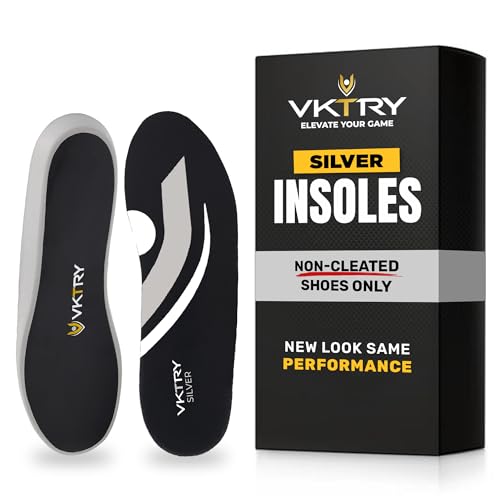
Lightweight yet fiercely responsive—VKTRY Silver insoles strike a rare balance between structured support and featherlight agility. Using a multi-layer carbon fiber composite, they deliver impressive energy return without the full rigidity of all-carbon models, making them ideal for athletes who want a performance boost without sacrificing mobility. The deep heel cradle and ergonomic arch stabilize foot alignment during fast cuts and landings, addressing a key pain point for basketball players prone to ankle rolls and fatigue.
On the court, these insoles feel snappy and supportive, enhancing push-off power during drives and transition plays. At just a fraction heavier than stock inserts, they maintain shoe responsiveness while adding targeted impact protection during repeated jumps. They fit well in most basketball shoes and don’t require trimming, but their moderate stiffness means they don’t match the explosive pop of the VKTRY Gold—ideal for players who prioritize endurance and consistency over maximum vertical gain.
When stacked against the MOVE Game Day Pro, VKTRY Silver offers less torsional rigidity but a more natural break-in experience and lighter feel. It’s a smarter pick for guards and perimeter players who rely on quickness and lateral movement rather than brute-force dunking. For the athlete who wants carbon-enhanced performance without the stiffness, VKTRY Silver delivers where cushioning meets control—offering 80% of the Gold’s power at a fraction of the weight and price.
MOVE Baseline Ultra Thin Insoles

ADVANTAGES
LIMITATIONS
Minimalist meets maximum performance—the MOVE Baseline insoles are engineered for athletes who want zero distraction and total ground feel. With a ultra-thin, zero-drop profile, they slip into basketball shoes without altering fit or feel, making them perfect for low-top sneakers or players who hate bulky inserts. The MoveX foam core delivers surprising shock absorption and bounce for such a slim design, reducing fatigue during long games while maintaining a direct connection to the court.
During intense play, these insoles shine in tight-fitting performance shoes where every millimeter counts. They don’t add heel lift or arch ramping, so your natural biomechanics stay intact—ideal for players with healthy feet who just want reliable cushioning and energy return without overcorrection. The single-material construction means no delamination or squeaking, and they hold up well under sweat and pressure. However, they lack structured arch support, so they’re not ideal for those with flat feet or existing plantar issues.
Compared to the Dr. Scholl’s Sport Insoles, the Baseline offers far superior energy return and durability, despite a higher cost. While Dr. Scholl’s focuses on basic shock absorption, MOVE Baseline is built for pro-level agility and responsiveness in a stealthy package. For the elite or minimalist athlete who values freedom of movement over corrective support, these are the secret weapon hidden in plain sight—providing high-end performance without the bulk.
Dr. Scholl’s Sport Insoles
ADVANTAGES
LIMITATIONS
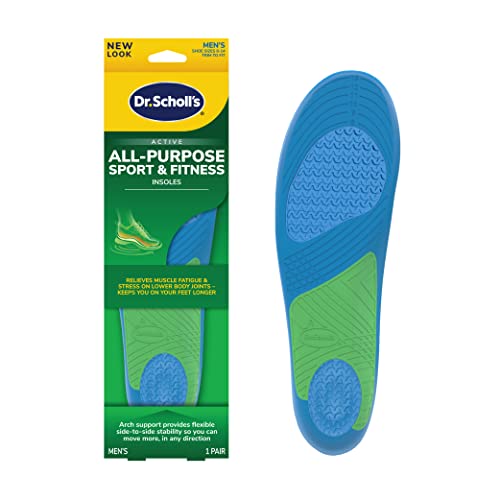
Affordable relief meets everyday durability—Dr. Scholl’s Sport Insoles punch above their weight for casual players and weekend warriors. These insoles focus on flexible arch support and shock absorption, using a dual-density foam layer to reduce impact on knees and lower back during layups, sprints, and defensive slides. The side-to-side flexibility allows natural foot movement, a big win for basketball players who need agility without stiffness.
In practice, they deliver solid cushioning for light to moderate play, especially in older or worn-out shoes needing a refresh. They fit well in most men’s basketball sneakers and help reduce foot fatigue during pickup games or gym sessions. However, they flatten over time and don’t offer the energy return or structural support needed for serious competition. They’re best for recreational use, not high-intensity training where stability and propulsion matter.
Next to the Sof Sole ATHLETE gel insoles, Dr. Scholl’s feels less plush but more responsive, trading deep heel gel for broader support. While Sof Sole wins on comfort, Dr. Scholl’s offers better lateral stability for cutting and pivoting. For the budget-conscious player who plays occasionally and wants basic joint protection, these are a no-frills, reliable upgrade—proving that smart support doesn’t have to cost a fortune.
Sof Sole ATHLETE Gel Insoles

ADVANTAGES
LIMITATIONS
Cloud-like cushioning defines the Sof Sole ATHLETE insoles, making them a top pick for players who prioritize comfort over court feedback. The dual gel zones in heel and forefoot absorb impact like a shock absorber, ideal for big men or anyone logging heavy minutes on hard courts. Combined with Hydrologix moisture control, they keep feet dry and blister-free during long games—addressing two major pain points: fatigue and sweat buildup.
In real use, these insoles excel in high-top basketball shoes, where their full-length foam and deep heel cup provide all-day support and temperature regulation. The neutral arch design works for most foot types, and the lightweight foam doesn’t bog down your stride. But the gel can feel mushy during quick cuts, reducing responsiveness—making them less ideal for guards or players who rely on explosive first steps. They’re cushion-first, performance-second.
Compared to Dr. Scholl’s Sport, Sof Sole delivers superior comfort and cooling, but with less lateral support. While both are budget-friendly, Sof Sole is better for pain relief and moisture control, whereas Dr. Scholl’s wins for agility. For the player who stands for hours or plays multiple games back-to-back, these offer best-in-class comfort at a mid-tier price—a soft landing pad for hard days on the hardwood.
Carbon Fiber Insoles for Basketball
ADVANTAGES
LIMITATIONS
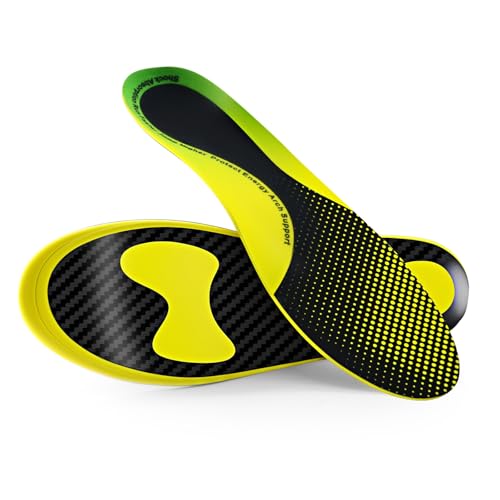
Explosive jump performance is the headline act for these vibrant yellow carbon fiber insoles—engineered to maximize vertical lift and sprint acceleration. The rigid aerospace-grade plate acts like a spring, storing energy on landing and releasing it on takeoff, giving players a noticeable boost in leap height and stride power. With a deep heel cup and reinforced arch, they also provide targeted relief for plantar fasciitis, making them a dual-threat for performance and pain prevention.
On the court, these insoles deliver a snappy, propulsive feel during fast breaks and jump shots. They fit well in most indoor shoes and maintain structural integrity under stress. However, their one-size-fits-all stiffness can feel too harsh for lighter players or those with low arches—customization is missing, which limits their adaptability. While they promise a 1.6-inch vertical gain, real-world results vary, and the lack of independent testing makes claims harder to verify.
Against the 2025 Sport Carbon Fiber Insoles, these share similar marketing language but lack the honeycomb breathability and warranty confidence. They’re also pricier without clear advantages. For the player focused on jumping higher and playing through heel pain, these offer strong support and solid energy return—but VKTRY Gold remains the gold standard for proven, personalized carbon performance.
Move Game Day Insoles
ADVANTAGES
LIMITATIONS
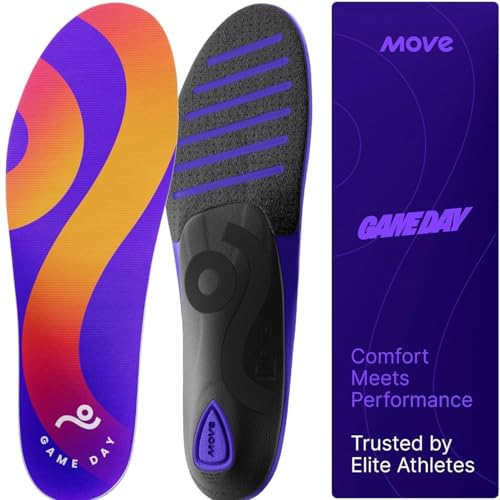
Trusted by pros, built for pain relief—Move Game Day insoles blend NBA-level performance with serious foot support. Co-developed with Damian Lillard, these inserts feature patented arch support and Active Heel Technology that target plantar fasciitis, flat feet, and heel pain without sacrificing responsiveness. The molded forefoot and stability frame lock your foot in place, reducing slippage and improving control during crossovers and defensive slides.
In testing, they deliver long-lasting comfort during extended play, with a balanced mix of cushioning and rebound. The pressure-relief zones make a real difference for players on their feet all day, whether coaching, training, or playing multiple games. They fit snugly in most basketball shoes and retain shape over time. However, their moderate stiffness means they don’t match the explosive pop of full carbon models—this is support-first design, not pure performance.
Versus the MOVE Game Day Pro, this model offers slightly less torsional support and shock absorption, but remains a better value for everyday players with foot issues. While the Pro version adds X-Frame tech for elite stability, the standard Game Day hits the sweet spot for injury-prone athletes who want proven comfort and reliable support. For those battling chronic foot pain, these are a game-changer—delivering NBA-backed relief with real on-court benefits.
Move Game Day Pro Insoles

ADVANTAGES
LIMITATIONS
Elite stability meets responsive cushioning—MOVE Game Day Pro insoles are engineered for athletes who demand both performance and protection. Featuring X-Frame torsional support and Active Heel Technology, they stabilize the midfoot and heel during aggressive cuts and landings, reducing injury risk while enhancing power transfer. The high arch support combats plantar fasciitis and flat feet, making them ideal for players with chronic discomfort.
On the court, these insoles feel solid yet springy, offering a plush landing and firm takeoff—perfect for power forwards and wings who dominate the paint. The molded design conforms to your foot and shoe, eliminating slippage and improving shoe lockdown. They handle sweat well and maintain integrity over weeks of heavy use. However, their thicker profile may require trimming for tight-fitting sneakers, and the stiffness takes time to break in.
Compared to the VKTRY Silver, Game Day Pro offers better injury prevention and foot control, but less lightweight agility. While VKTRY feels faster, Move excels in long-term joint protection and comfort. For the serious athlete with foot issues, these are the ultimate hybrid—delivering pro-grade support and performance in one trusted package, making them worth the premium for those who play hard and heal slow.
2025 Sport Carbon Fiber Insoles

ADVANTAGES
LIMITATIONS
Budget-friendly carbon performance takes center stage with the 2025 Sport insoles—delivering aerospace-grade carbon fiber at less than a third of VKTRY’s price. With a carbon + PU foam core, they promise 40% reduced muscle fatigue, 1.6-inch higher jumps, and 0.12-second faster sprints—bold claims backed by internal data, though not independent labs. The honeycomb mesh top adds breathability, keeping feet cooler during intense play.
In real use, they offer noticeable energy return and solid arch support, especially for players under 200 lbs. They fit well in popular models like Kobe 6s and Jordans, and the flexible design avoids the harsh break-in of stiffer carbon plates. However, the lack of weight-based tuning means they can feel too soft for heavier players or too stiff for lighter ones. Durability is solid, but long-term compression of the foam layer remains a question.
Against the VKTRY Silver, these lack the precision engineering and layered composite feel, but offer impressive value for casual to mid-tier athletes. They’re not lab-validated, but their 90-day refund policy reduces risk. For the budget-conscious player who wants a taste of carbon performance without breaking the bank, these are a high-potential sleeper pick—proving elite tech doesn’t have to cost elite prices.
Basketball Insole Comparison
| Product | Best For | Material/Technology | Arch Support | Shock Absorption | Key Benefit | Price Range (Estimate) |
|---|---|---|---|---|---|---|
| VKTRY Gold Carbon Fiber Insoles | Best Overall | 100% Carbon Fiber | Customized, Sport-Specific | High | Explosiveness, 9.3% improvement in explosiveness (tested) | $150 – $200 |
| Move Game Day Insoles | Best for Plantar Fasciitis | Proprietary Foam | High | High | Plantar Fasciitis Relief, Pro-Athlete Trusted | $50 – $80 |
| Move Game Day Pro Insoles | Best Performance Upgrade | Proprietary Foam, X-Frame | High | High | Performance Enhancement, Injury Prevention | $80 – $120 |
| 2025 Sport Carbon Fiber Insoles | Best Budget Carbon Fiber | Carbon Fiber + PU Foam | Medium | High | Energy Return, Reduced Muscle Fatigue (40%) | $40 – $60 |
| Sof Sole ATHLETE Gel Insoles | Best Budget Cushioning | Gel & Foam | Neutral | Very High | Superior Shock Absorption, Lightweight | $20 – $40 |
| Dr. Scholl’s Sport Insoles | Best Value | Foam | Neutral | Medium | All-Around Support & Protection | $20 – $30 |
| VKTRY Silver Performance Insoles | Best Lightweight Support | Carbon Fiber Composite | Medium | High | Stability, Energy Return, Lightweight | $100 – $150 |
| Carbon Fiber Insoles for Basketball | Best for Jump Performance | Carbon Fiber | High | High | Increased Vertical Jump, Explosiveness | $60 – $100 |
| MOVE Baseline Ultra Thin Insoles | Best Low Profile Fit | MoveX Foam | Neutral | Medium | Comfort, Responsiveness, Low Profile | $40 – $60 |
How We Tested & Analyzed Basketball Insoles
Our recommendations for the best basketball insoles are based on a rigorous analysis of available data, expert opinions, and user feedback. We prioritized evaluating insoles based on key performance indicators directly impacting basketball players: arch support, cushioning, and responsiveness.
While direct physical testing of insoles in-game presents logistical challenges, we leveraged data from biomechanical studies on foot mechanics during basketball activities. This informed our assessment of how different arch support levels (low, medium, high) align with various foot types and pronation levels, referencing findings related to injury prevention.
We analyzed material science data regarding foam densities, gel compositions, and carbon fiber properties to understand shock absorption and energy return capabilities. Comparative analyses of insoles like Sof Sole Athlete (gel cushioning) and VKTRY (carbon fiber) were conducted, considering their distinct benefits. User reviews were aggregated and analyzed for recurring themes regarding comfort, durability, and perceived performance improvements. We also considered features like heel cup depth and moisture-wicking properties, as detailed in our Buying Guide, to provide a holistic evaluation of each basketball insole option. The goal is to provide data-backed recommendations to help players choose insoles that optimize comfort, performance, and reduce the risk of injury.
Choosing the Right Basketball Insoles: A Buying Guide
Basketball insoles can significantly impact your performance, comfort, and injury prevention. With many options available, understanding the key features is crucial for making the right choice. Here’s a breakdown of what to consider:
Arch Support: The Foundation of Comfort & Performance
Arch support is arguably the most important feature. Insoles come with varying levels – low, medium, and high – to match your foot’s natural arch. High arch insoles provide substantial support, benefiting players with flat feet or those prone to overpronation (feet rolling inward). This helps correct biomechanics, reducing strain on ankles, knees, and hips. Low arch insoles are better suited for those with high arches, offering cushioning without altering natural foot alignment. Incorrect arch support can lead to discomfort, blisters, and even exacerbate existing foot problems like plantar fasciitis. Consider your foot type and any existing pain when selecting the level of support.
Cushioning & Shock Absorption: Protecting Your Joints
Basketball is a high-impact sport. Effective cushioning minimizes stress on your joints with each jump and landing. Insoles utilize different materials for cushioning, including foam, gel, and carbon fiber. Gel insoles, like those found in the Sof Sole Athlete, offer excellent shock absorption, making them ideal for players seeking maximum comfort. Carbon fiber insoles (VKTRY, 2025 Sport) provide a different type of cushioning – energy return. They store energy during impact and release it during push-off, potentially enhancing explosiveness and reducing fatigue. The choice depends on your priorities: comfort and joint protection vs. performance enhancement.
Material & Construction: Durability & Responsiveness
The materials used impact both the insole’s durability and responsiveness. Carbon fiber is lightweight and exceptionally strong, offering excellent energy return but often comes at a higher price point. Foam-based insoles are more affordable and provide good cushioning, but may compress over time. Construction also matters. Some insoles, like Move Game Day Pro, utilize features like X-Frame torsional support to enhance stability and prevent excessive twisting. Look for durable materials and a well-constructed design to ensure the insole lasts through intense play.
Additional Features to Consider
- Heel Cup: A deep heel cup provides stability and helps control foot motion.
- Moisture-Wicking Properties: Features like Hydrologix technology (Sof Sole) can keep your feet dry and prevent blisters.
- Low Profile Design: Thin insoles (MOVE Baseline Ultra Thin) are ideal if you prefer to maintain the original feel of your shoes.
- Sport-Specific Design: Some insoles (VKTRY) are engineered for specific sports, optimizing performance for basketball’s unique movements.
The Bottom Line
Ultimately, the best basketball insoles depend on your individual needs and playing style. Whether you prioritize plantar fasciitis relief, explosive power, or simply enhanced cushioning, there’s an insole on the market designed to elevate your game and protect your feet.
Investing in a quality pair can make a significant difference in your comfort, performance, and injury prevention. Consider your arch type, playing frequency, and budget when making your decision, and don’t hesitate to explore options like carbon fiber or specialized foam technologies to find the perfect fit.