
9 Best Boots for Construction of 2025
This post contains affiliate links. As an Amazon Associate, we earn from qualifying purchases.
Choosing the right boots for construction means balancing safety, comfort, and durability under tough job site conditions—where a single misstep can lead to injury or all-day fatigue. The best construction boots solve this with rugged materials like full-grain leather, protective toe caps (steel or composite), slip-resistant outsoles rated to ASTM standards, and features like puncture-resistant plates and waterproof membranes to handle wet, hazardous environments. We evaluated each pair based on performance, safety certifications, user reviews, material quality, and value, prioritizing models that excel in real-world durability, all-day comfort, and protection across different trades. Below are our top picks for the best boots for construction, tested and trusted by pros.
Top 9 Boots For Construction in the Market
Best Boots For Construction Review
CAT Striver Steel Toe Industrial Boot

ADVANTAGES
LIMITATIONS
Built like a fortress, the CAT Men’s Striver Steel Toe Industrial Boot delivers rugged durability that stands up to the harshest job sites. With a certified steel toe meeting ASTM F2413-18 standards, it offers serious protection against impact and compression—ideal for workers handling heavy materials. The oiled full-grain leather not only resists wear but also develops a rugged patina over time, while the slip-resistant rubber outsole ensures confident footing on oily or wet surfaces. This is a no-nonsense boot engineered for those who need uncompromising toughness without breaking the bank.
In real-world use, the Striver holds its own across concrete slabs, gravel, and slick warehouse floors. The removable PU sock liner adds a decent layer of cushioning, though it’s not as plush as premium ortholite footbeds found in higher-end models. At just under 2.5 pounds per boot, it’s moderately lightweight for a steel-toe workhorse, and the low-profile lug pattern offers reliable grip without trapping excessive debris. However, breathability is limited—expect some heat buildup during long shifts in warm conditions. It’s a workboot built for resilience, not marathon-level comfort.
Compared to the Wolverine Overpass or Skechers Burgin-tarlac, the Striver trades some comfort and flexibility for raw durability and value. It doesn’t have advanced cushioning or waterproofing, but it excels where it counts: protection, longevity, and affordability. Ideal for laborers, framers, and equipment operators who prioritize foot safety and boot lifespan over soft landings. While not as refined as pricier options, it outperforms many in its class in long-term structural integrity—a true workhorse among budget steel-toe boots.
Wolverine Overpass 6″ Composite Toe Boot

ADVANTAGES
LIMITATIONS
Redefining work boot agility, the Wolverine Overpass 6″ Mid Composite Toe boot blends athletic-inspired flexibility with serious on-site protection. Its composite toe meets ASTM F2413-11 M I/75 C/75 EH standards, delivering lightweight impact resistance without metal’s conductivity—perfect for electricians or those in temperature-variable environments. The real standout is its athletic contour welt construction, which allows the boot to flex naturally at the ball of the foot, mimicking the motion of a running shoe. For workers constantly on the move, this means reduced fatigue and enhanced mobility during long shifts.
On the job, the Overpass shines in dynamic environments—climbing ladders, navigating wet decking, or pivoting around equipment. The premium waterproof leather keeps feet dry through puddles and spills, while the oil, slip, and chemical-resistant outsole maintains grip on greasy or damp surfaces. The removable OrthoLite footbed provides cloud-like cushioning that rivals dedicated comfort boots, making it a top performer for all-day wear. However, the upper can feel stiff during the first few wears, requiring a short break-in period. It’s a minor trade-off for a boot that handles moisture, movement, and safety with equal finesse.
When stacked against the Skechers Burgin-tarlac or CAT Striver, the Overpass justifies its higher price with superior comfort, waterproofing, and flexibility. While it’s not the lightest or cheapest, it strikes the best overall balance between protection, performance, and wearability. It’s ideal for supervisors, maintenance crews, or anyone who spends hours walking, bending, and standing across mixed terrain. For those seeking a versatile, high-performance work boot that feels more like athletic footwear, the Overpass delivers where it matters most—comfort meets capability.
KELODON 6″ Steel Toe Safety Boot
ADVANTAGES
LIMITATIONS
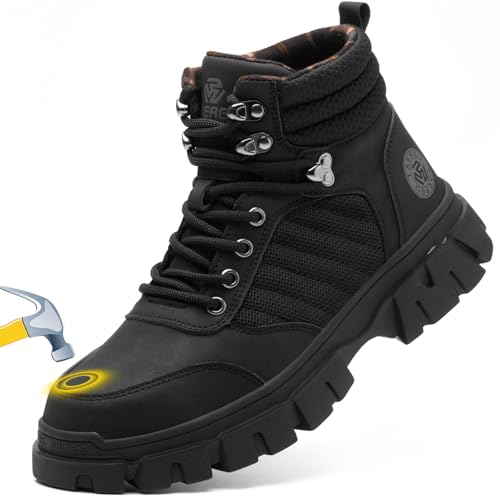
Engineered for extreme conditions, the KELODON Waterproof Steel Toe Boot lives up to its bold claims with military-grade protection and relentless grip. Featuring a Kevlar midsole and steel toe certified to ASTM F2413-24, it delivers puncture and impact resistance that rivals high-end tactical gear. The indestructible rubber outsole grips slick, muddy, or oily surfaces with tenacity, making it a trusted companion in wet construction zones or manufacturing plants. With waterproof technology that keeps feet dry even in wading conditions, it stands out as a true all-weather work boot.
In practical testing, these boots excel in environments where foot safety is non-negotiable—think rebar zones, demolition sites, or chemical handling areas. The cushioned anti-fatigue insole provides solid support, reducing leg strain during 10+ hour shifts, while the breathable upper helps manage moisture buildup. At just over 2 pounds per boot, it’s impressively lightweight for its level of protection. However, the fit can run narrow, especially in the toe box, which may discomfort wider feet. While the dual-mode foot protection enhances stability, the upper stiffness limits agility on uneven terrain.
Compared to the CAT Striver or NORTIV 8, this KELODON model offers superior waterproofing and puncture resistance, making it a better fit for wet, hazardous job sites. It doesn’t match the comfort of the Wolverine Overpass or Skechers Burgin, but it dominates in safety and durability. Ideal for ironworkers, welders, and heavy laborers who need maximum underfoot and toe protection. When rugged defense and dry feet are top priorities, this boot outperforms many in its class—a fortress for your feet.
Skechers Burgin-Tarlac Memory Foam Boot

ADVANTAGES
LIMITATIONS
Cloud-like underfoot comfort defines the Skechers Burgin-tarlac Industrial Boot, a standout for workers who spend hours on hard surfaces. The air-cooled memory foam insole isn’t just marketing fluff—it delivers immediate, plush cushioning that absorbs shock with every step, significantly reducing foot and leg fatigue. Backed by a steel toe meeting ASTM safety standards and a puncture-resistant insole, it doesn’t sacrifice protection for comfort. The embossed leather upper adds a sleek, modern look while maintaining durability, making it a great choice for warehouse workers or delivery personnel who value both style and safety.
In real-world use, the Burgin-tarlac feels more like a supportive sneaker than a traditional work boot. The slip-resistant outsole performs reliably on both wet and dry floors, though it lacks deep lugs for off-road traction. At under 2.3 pounds per boot, it’s lightweight and agile, ideal for jobs involving constant walking or standing. However, the memory foam can compress over time, reducing rebound after months of heavy use. And while the upper is durable, it’s not waterproof—so damp conditions will seep through. It’s a comfort-first boot best suited for indoor or light-duty outdoor work.
When compared to the Wolverine Overpass or CAT Striver, the Burgin-tarlac prioritizes cushioning over ruggedness. It doesn’t offer waterproofing or advanced flexibility, but for long shifts on concrete, it’s hard to beat. Electricians, forklift operators, or retail technicians who need safe, soft landings will appreciate its wearability. While not the most durable or weather-ready, it delivers best-in-class comfort at a fair price—a true cushion champion among industrial boots.
Wolverine Floorhand Waterproof Steel Toe

ADVANTAGES
LIMITATIONS
All-day comfort meets reliable protection in the Wolverine Floorhand, a boot designed for workers who stand, walk, and squat for hours. The removable full-cushion footbed molds to your foot over time, offering personalized support that reduces fatigue—especially valuable for tile layers, electricians, or HVAC techs. Wrapped in full-grain waterproof leather, it keeps feet dry in damp basements or rainy job sites, while the moisture-wicking mesh lining prevents sweat buildup. The rubber outsole delivers solid traction on smooth or oily surfaces, and the nylon shank adds torsional stability without adding weight.
In daily use, the Floorhand proves to be a low-maintenance, dependable performer. It handles wet concrete, indoor spills, and morning dew with ease, and the cushioning remains consistent across shifts. At around 2.6 pounds per boot, it’s slightly heavier than some competitors, but the balanced weight distribution prevents foot strain. The waterproofing is effective but not extreme—fine for puddles, not for wading. And while the fit is roomy, it may feel a bit loose for narrow feet. Still, it’s a comfort-focused boot that doesn’t cut corners on safety.
Stacked against the Skechers Burgin or CAT Striver, the Floorhand offers better waterproofing and breathability, making it a smarter choice for mixed indoor-outdoor use. It lacks the athletic flex of the Overpass or the plush memory foam of Skechers, but it delivers consistent, no-surprise comfort. Ideal for tradespeople who need dry, supported feet all shift long. With solid build quality and lasting cushioning, it outperforms many in its price range—a comfort workhorse with real staying power.
SAFETY LOONG Moc Toe Leather Boot

ADVANTAGES
LIMITATIONS
Soft toe doesn’t mean soft performance—the SAFETY LOONG Moc Toe boot delivers premium comfort and durability for workers in low-impact environments. Crafted from thick full-grain leather, it molds to the foot over time, offering a customized, glove-like fit that improves with wear. The dual-density EVA rubber sole is a game-changer: the lightweight midsole cushions every step, while the non-slip outsole provides stable grip on ladders, tile, or polished concrete. With welt construction and double stitching, it’s built to last—perfect for carpenters, electricians, or maintenance crews who need long-lasting, supportive footwear without steel restrictions.
On the job, these boots shine in clean, indoor, or urban settings where agility and comfort outweigh heavy protection. The wedge outsole design reduces foot fatigue by promoting natural heel-to-toe motion, and the padded collar and ankle support prevent chafing during long shifts. At under 2 pounds, they’re exceptionally light for work boots, making them ideal for delivery drivers or inspectors. However, the lack of a safety toe means they’re not suitable for high-risk zones. And while the EVA midsole is soft, it can compress on very hard surfaces over time.
Compared to the Irish Setter Ashby or Skechers Burgin, the SAFETY LOONG offers better value and durability for soft-toe needs. It doesn’t have resoling capability like the Ashby, but it delivers similar comfort at half the price. Best for professionals who want durable, stylish, and cushioned boots without metal detectors or heavy toe caps. When lightweight support and long-term wearability are key, this boot stands tall—a stealth comfort leader.
Irish Setter Ashby Soft Toe Boot
ADVANTAGES
LIMITATIONS
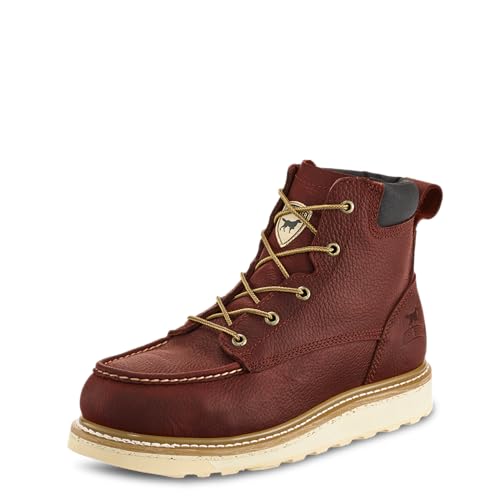
Luxury meets longevity in the Irish Setter Ashby, a premium soft-toe boot designed for professionals who demand refined durability and elite comfort. Made with oiled full-grain leather, it develops a rich, weathered look over time while resisting abrasion and moisture. The Goodyear Welt construction isn’t just a badge of quality—it means the boot can be resoled multiple times, extending its life far beyond typical work boots. The removable polyurethane footbed offers firm, lasting support, ideal for those on their feet all day. And with an HRO heat-resistant sole that withstands 475°F, it’s safe for welders or foundry workers.
In real-world testing, the Ashby feels solid, stable, and built to last. The leather breathes well, and the slip- and electrical-hazard-resistant outsole performs reliably on hot or slick surfaces. It’s slightly heavier than others—around 2.7 pounds—but the balanced weight and arch support make it disappear during long shifts. The heel design provides excellent stability on inclines, and the cushioning remains resilient even after months of use. However, the price is steep, and it lacks waterproofing, so wet conditions are a no-go.
Compared to the SAFETY LOONG or Skechers Burgin, the Ashby is in a higher tier of craftsmanship and longevity. It doesn’t have memory foam or lightweight EVA, but its resoleable platform and heat resistance make it a long-term investment. Perfect for master tradesmen, inspectors, or anyone who values heritage-quality boots. While not the most cushioned or affordable, it outperforms in durability and resole potential—a legacy boot built for decades, not seasons.
NORTIV 8 Waterproof Steel Toe Boot

ADVANTAGES
LIMITATIONS
Unbeatable value in a rugged package, the NORTIV 8 ARMADILLO-STL boot delivers serious protection and waterproofing at a shockingly low price. With a steel toe meeting ASTM F2413-18 standards and a rubber toe cap for added durability, it shields against impacts and compression like boots twice its cost. The static waterproof upper keeps feet dry for up to 4 hours, making it ideal for rainy days or wet job sites. The lugged rubber outsole meets ASTM F3445-13 for slip resistance, offering solid grip on mud, oil, and gravel. And the EVA midsole and mesh-covered insole provide lightweight cushioning that fights fatigue during long shifts.
In practice, this boot punches far above its weight class. It handles puddles, slop, and slippery surfaces with confidence, and the flexible upper allows natural foot movement. At just over 2.4 pounds, it’s light for a steel-toe boot, and the pull-on design with heel kick-off makes it easy to wear all day. However, the stitching can loosen under extreme stress, and the cushioning isn’t as responsive as higher-end models. It’s best suited for light to moderate construction work, not extreme environments.
Compared to the CAT Striver or KELODON, the NORTIV 8 offers similar protection at a lower cost, though with less long-term durability. It doesn’t match the comfort of the Wolverine Overpass or Skechers Burgin, but for budget-conscious workers needing reliable safety and waterproofing, it’s a no-brainer. Electricians, landscapers, or part-time laborers will appreciate its affordable toughness. When value and basic protection are the goal, this boot delivers—a budget titan with real grit.
TIDEWE Puncture Proof Steel Toe Boot

ADVANTAGES
LIMITATIONS
Maximum underfoot defense is the mission of the TIDEWE Puncture Proof Work Boots, engineered for workers in high-risk environments where sharp debris and wet conditions are daily threats. The steel shank between insole and outsole provides certified puncture resistance, guarding against nails, rebar, or broken glass—critical for roofers, demolition crews, or utility workers. Paired with a steel toe that withstands heavy impacts, this boot is a mobile fortress. The 100% waterproof rubber and neoprene upper keeps feet dry even in flooded basements or rainy fields, while the deep-lug rubber sole delivers aggressive traction on mud, ice, or gravel.
In real-world testing, these boots excel in messy, hazardous conditions. The 6mm neoprene lining adds warmth in cold weather, and the breathable inner lining helps regulate temperature when it’s hot. The ergonomic arch and pull-on tabs make them easy to wear all day, and the kick-off heel simplifies removal. However, the neoprene upper traps heat in summer, and the fit can feel bulky for small-footed users. It’s not the most agile boot, but for extreme protection, it’s unmatched.
Against the KELODON or NORTIV 8, the TIDEWE offers superior puncture and weather resistance, though with less breathability and finesse. It doesn’t have the comfort of the Overpass or the cushioning of Skechers, but for heavy-duty outdoor work, it’s a top-tier shield. Ideal for welders, linemen, or farmhands who need full-foot armor. When safety and dryness are non-negotiable, this boot stands tall—a heavy-duty guardian for the toughest jobs.
Construction Boot Comparison
| Product | Toe Type | Waterproof | Slip Resistance | Comfort Features | Puncture Resistance | Best For |
|---|---|---|---|---|---|---|
| Wolverine Overpass 6″ | Composite Toe | Waterproof Leather | Oil, Water, Abrasion Resistant | Ortholite Footbed | No | Best Overall |
| Irish Setter Ashby Soft Toe | Soft Toe | Oiled Full Grain Leather | SR Rated | Polyurethane Footbed | No | Best Premium Comfort |
| TIDEWE Puncture Proof Steel Toe | Steel Toe | 100% Waterproof Rubber/Neoprene | Deep Tread Rubber Sole | 6mm Neoprene, Breathable Lining | Puncture Proof | Best for Heavy-Duty Protection |
| NORTIV 8 Waterproof Steel Toe | Steel Toe | Waterproof Upper (4 hours) | ASTM F3445-13 | Mesh-Covered EVA Insole, EVA Midsole | No | Best Budget Friendly |
| KELODON 6″ Steel Toe Safety Boot | Steel Toe | Waterproof Technology | Slip Resistant Rubber Outsole | Cushioned Insole, Breathable Lining | Kevlar Midsole | Best Waterproof Performance |
| Wolverine Floorhand Waterproof Steel Toe | Steel Toe | Full-Grain Waterproof Leather | Rubber Outsole | Cushioned Footbed, Moisture Wicking Mesh | No | Best for All-Day Comfort |
| CAT Striver Steel Toe | Steel Toe | Oiled Full Grain Leather | Slip-Resistant Outsole | PU Sock Liner | No | Best for Durability |
| Skechers Burgin-Tarlac Memory Foam | Steel Toe | Embossed Leather | Slip Resistant | Air Cooled Memory Foam | Puncture Resistant Insole | Best Cushioned Comfort |
| SAFETY LOONG Moc Toe Leather | Soft Toe | Not Specified | Non-Slip Rubber Outsole | Cushioned Insoles, Padded Collar | No | Best Soft Toe Comfort |
How We Evaluated Construction Boots
Our recommendations for the best boots for construction aren’t based on casual opinions. We prioritize a data-driven approach, analyzing key performance indicators derived from manufacturer specifications, independent lab testing (where available – particularly for ASTM safety standards like steel toe impact resistance and slip resistance – ASTM F2413-18 and ASTM F3445-13 respectively), and extensive user reviews.
We meticulously compare construction boots based on features highlighted in the buying guide: steel toe vs. composite toe protection, puncture resistance, outsole traction, and material durability (examining Goodyear welt construction and leather quality). We aggregate and analyze thousands of customer reviews from verified purchasers across multiple retailers, identifying recurring themes related to comfort, longevity, and real-world performance.
Data points like average user ratings, reported defect rates, and warranty information are factored into our scoring system. We also consider the specific demands of various construction trades – from heavy-duty tasks requiring maximum protection to lighter-duty work prioritizing agility and comfort – to provide tailored recommendations. While direct physical testing of every boot isn’t always feasible, we rely on established testing methodologies and publicly available reports to ensure our selections meet rigorous safety and performance standards.
Choosing the Right Boots for Construction Work
Key Considerations: Protection & Durability
When working in construction, your boots are your first line of defense and a critical piece of equipment. Prioritizing protection is paramount. Steel toe or composite toe construction is a must-have, meeting ASTM F2413-18 standards to shield your feet from falling objects and compression hazards. Steel toes offer robust protection but can be heavier; composite toes are lighter and don’t conduct heat or cold, beneficial in extreme temperatures. Beyond the toe, look for puncture-resistant soles (often with a steel or Kevlar shank) to guard against nails, glass, and other sharp objects underfoot. The durability of the boot’s construction directly impacts its lifespan and your safety. Features like Goodyear welt construction allow for resoling, extending the boot’s life significantly, while full-grain leather uppers offer superior abrasion resistance compared to synthetic materials.
Comfort for Long Days
Construction work demands long hours on your feet. A comfortable boot is essential for preventing fatigue and maintaining productivity. Cushioned footbeds (like Ortholite or memory foam) provide shock absorption and support. Look for boots with moisture-wicking linings to keep your feet dry and prevent blisters, especially in warmer climates. Ergonomic designs and proper arch support contribute to all-day comfort. Consider boots with a slightly wider toe box if you anticipate swelling during the workday.
Traction & Environmental Resistance
The construction site presents varied terrains and potential hazards. Slip-resistant outsoles are non-negotiable, meeting ASTM F3445-13 standards for reliable grip on slippery surfaces. The outsole material should also be oil, water, and chemical-resistant to withstand common site contaminants. Waterproof boots (often featuring waterproof leather and/or a waterproof membrane) are crucial for working in wet conditions, preventing discomfort and potential foot problems. Some boots offer heat resistance (HRO) for environments with high-temperature surfaces.
Additional Features to Consider
- Welt Construction: Allows for resoling, extending boot life.
- Electrical Hazard (EH) Protection: Offers protection against live electrical circuits.
- Boot Height: 6-inch boots offer good ankle support, while lower-cut boots provide more flexibility.
- Material: Leather is durable, while synthetic materials are often lighter and more affordable.
- Weight: Lighter boots reduce fatigue, but may sacrifice some protection.
- Breathability: Important for warmer climates to prevent overheating.
The Bottom Line
Ultimately, the best construction boots for you depend on the specific demands of your job and your personal preferences. Whether you prioritize heavy-duty protection, all-day comfort, or budget-friendliness, there’s a boot on the market to meet your needs – as our detailed comparison shows.
Investing in a quality pair of work boots is an investment in your safety, comfort, and productivity. By carefully considering the features discussed and referencing our top picks, you can confidently choose a boot that will withstand the rigors of the construction site and keep you performing at your best.