
7 Best Boots for Men of 2026
This post contains affiliate links. As an Amazon Associate, we earn from qualifying purchases.
Finding the right pair of boots can be overwhelming, with so many options claiming to deliver comfort, durability, and performance across work, hiking, and everyday wear. The best men’s boots solve this by combining purpose-driven design—like waterproof membranes, aggressive outsoles, or steel toes—with long-lasting materials and supportive comfort features where they matter most. We evaluated dozens of models based on real-world performance, user feedback, expert reviews, and key metrics like traction, build quality, and value to identify the top choices in each category. Below are our recommended best boots for men, tailored to fit your lifestyle and terrain.
Top 7 Boots For Men in the Market


Best Boots For Men Review
NORTIV 8 Men’s Insulated Winter Snow Boots
ADVANTAGES
LIMITATIONS
When the mercury plummets and snow piles high, the NORTIV 8 TUNDRA boots rise to the challenge with serious cold-weather tenacity. These aren’t just another pair of winter boots—they pack 200g of high-density insulation, a fully waterproof synthetic upper, and a windproof toe cap that shields against biting gusts and impact. For anyone who’s battled frozen laces or damp socks during a winter commute, this boot delivers a dry, warm refuge without breaking the bank—making it a standout in the budget snow boot arena.
Out in the real world, these boots tackle icy sidewalks, slushy parking lots, and unplowed trails with surprising confidence. The deep-lug rubber outsole grips slick surfaces better than expected for the price, and the flexible EVA midsole absorbs shock on long walks. While not built for technical mountaineering, they excel in daily winter wear—shoveling, dog walks, or weekend hikes in moderate snow. That said, the tongue isn’t gusseted, so heavy snowdrifts can sneak in during deep backcountry treks. Still, for urban and suburban survival, they offer rugged resilience where it counts.
Compared to pricier rivals like the SOREL Madson II, the TUNDRA lacks premium materials and seam sealing, but it punches way above its weight for casual and workday winter use. It’s the ideal pick for budget-conscious buyers who need dependable warmth and traction without the designer tag. While not as refined as high-end models, it delivers core winter protection at a fraction of the cost—a true workhorse for the season’s worst.
NORTIV 8 Men’s Ankle High Hiking Boots
ADVANTAGES
LIMITATIONS
Step into the NORTIV 8 Armadillo boots, and you immediately feel the lightness and bounce of a trail-ready performer. Engineered for all-day mobility, these boots feature lightweight EVA midsoles that cushion every stride while reducing foot fatigue—perfect for hikers who log miles on mixed terrain. The removable shock-absorbent insole adds extra support, and the fully waterproof upper keeps feet dry through puddles and morning dew. If you’re tired of clunky boots weighing you down, the Armadillo answers with agile comfort and trail-smart grip.
On the trail, these boots shine in moderate conditions—forest paths, rocky ridgelines, and damp grasslands. The high-traction rubber outsole bites into mud and loose gravel with confidence, and the flexible build adapts naturally to uneven ground. They’re breathable enough for spring hikes but lack the ankle height and insulation for winter treks. While durable for the price, the upper shows minor scuffing after extended rock scrambles, and the arch support leans basic for ultra-long hikes. Still, for day hikes and outdoor work, they strike a solid balance of grip, comfort, and protection.
Against the KEEN Targhee 4, the Armadillo falls short in durability and eco-conscious materials—but wins on affordability and immediate comfort. It’s not built for alpine ascents, but for weekend adventurers and casual trekkers, it offers reliable performance without the premium price tag. If your priority is lightweight agility and solid traction for easy to moderate trails, this boot delivers without overpromising.
WOLVERINE Men’s Floorhand Steel Toe Work Boot

ADVANTAGES
LIMITATIONS
The WOLVERINE Floorhand is a no-nonsense work boot built for tough jobs and long shifts—where durability and safety aren’t optional. Wrapped in full-grain waterproof leather, it shrugs off spills, rain, and job site grime while the steel toe cap meets essential safety standards for impact protection. What sets it apart is the cushioned footbed, which brings surprising comfort to a rugged boot—ideal for electricians, mechanics, or warehouse workers on their feet for 10-hour stretches. It solves the classic work boot dilemma: protection versus pain.
In real-world use, the rubber outsole delivers solid traction on oily floors, wet concrete, and uneven ground—critical in industrial environments. The build is sturdy without being overly heavy, and the waterproofing holds up after repeated exposure. However, it lacks advanced stability features like a heel stabilizer, and the fit runs slightly narrow for wide feet. While it won’t replace a hiking boot on the trail, it’s more than capable for job site demands—offering reliable protection and comfort where it matters most.
Compared to the Irish Setter Ashby, the Floorhand is less durable long-term and not resoleable, but it’s significantly more affordable and still delivers core safety and waterproofing. It’s the go-to for workers who need certified protection and solid comfort without investing in a premium boot. For those prioritizing value, safety, and all-day wear, this Wolverine model hits the sweet spot.
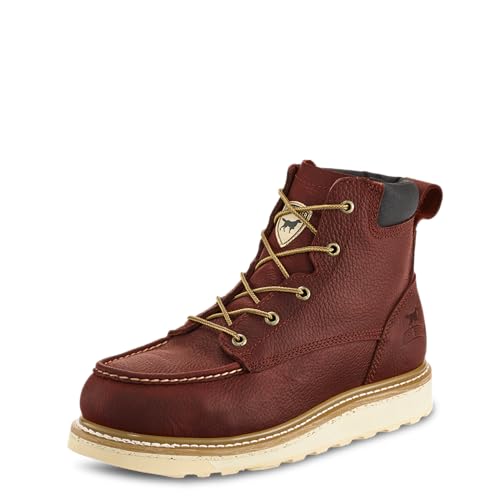
Irish Setter Ashby Soft Toe Work Boot
ADVANTAGES
LIMITATIONS
The Irish Setter Ashby isn’t just a work boot—it’s a long-term investment in foot health and durability. Crafted from oiled full-grain leather, it develops a rich patina over time while resisting abrasions and moisture. What truly elevates it is the Goodyear Welt construction, making it resoleable—a rarity in modern work boots. Paired with a heat-resistant HRO outsole and ASTM-certified electrical hazard protection, this boot is engineered for tradesmen who demand safety, longevity, and professional-grade resilience.
On the job, the Ashby delivers all-day stability thanks to its removable polyurethane footbed and supportive heel counter. It performs exceptionally on hot surfaces—like metal roofing or factory floors—where cheaper soles might melt. The soft toe design offers protection without the bulk of steel, making it ideal for environments where metal detectors are a concern. That said, it’s heavier than composite-toe alternatives, and the break-in period can take a week or two. But once molded to your foot, it becomes a trusted companion for demanding workdays.
Next to the WOLVERINE Floorhand, the Ashby trades a bit of immediate comfort for far superior longevity and resoleability. It’s not the lightest or cheapest option, but for electricians, welders, or contractors who want a boot that can last years, not seasons, it’s unmatched. If you value craftsmanship, safety certifications, and repairability, the Ashby justifies its premium with every mile logged.
SOREL Men’s Madson II Moc Boots

ADVANTAGES
LIMITATIONS
The SOREL Madson II redefines what a premium all-around boot should be—blending rugged function with city-ready style. With a seam-sealed waterproof construction and full-molded EVA midsole, it keeps feet dry and cushioned through rain, snow, and urban slush. The EVERTREAD rubber outsole offers confident grip on slick sidewalks, while the waterproof nubuck or full-grain leather upper ages beautifully. Whether you’re navigating a snowy commute or a weekend downtown outing, the Madson II delivers effortless versatility and polished performance.
In real-world testing, the boot excels in wet and cold conditions up to moderate winter temps—handling slush and freezing rain with ease. The molded EVA footbed provides excellent shock absorption, reducing fatigue during long walks. However, it lacks insulation, so it’s not ideal for deep freeze conditions without thermal insoles. The non-waterproof laces are a minor flaw, letting moisture seep in during heavy downpours. Still, for transitional seasons and urban winters, it’s one of the most adaptable boots available.
Against the KEEN Targhee 4, the Madson II trades trail aggression for urban elegance and waterproof reliability. It’s not built for backcountry hikes, but for city dwellers who want a single boot for work, weekend, and winter, it’s unmatched. With superior materials, sleek design, and proven weather resistance, it justifies its position as the best overall men’s boot for style and substance.
KEEN Men’s Targhee 4 Mid Hiking Boots

ADVANTAGES
LIMITATIONS
The KEEN Targhee 4 is a trail-optimized powerhouse built for hikers who demand protection, comfort, and eco-conscious design. Its KEEN.DRY waterproof membrane keeps feet dry without sacrificing breathability, while the KEEN.ALL-TERRAIN rubber outsole bites into mud, rock, and loose scree with unwavering grip. The bruise plate underfoot shields against sharp roots and stones, and the high-abrasion toe guard resists scrapes on rocky switchbacks. For anyone who’s endured blisters or twisted ankles on rugged trails, this boot delivers serious trail armor and support.
On extended hikes, the removable Luftcell footbed provides exceptional arch support and contours naturally to the foot, reducing fatigue over miles. The mid-height shaft offers ankle stability without restricting movement, and the recycled PET laces and mesh lining keep the boot light and sustainable. It performs flawlessly in wet forests, alpine passes, and desert trails—but the thick midsole makes it less agile on technical climbs. Still, for backpackers and weekend warriors, it’s a reliable, durable companion.
Compared to the NORTIV 8 Armadillo, the Targhee 4 is heavier and pricier but far superior in durability, support, and eco-materials. It’s not for casual strolls, but for serious trail use, it sets the benchmark. If you want a boot that protects your feet, supports your stride, and respects the planet, the Targhee 4 is the top choice for hiking trails.
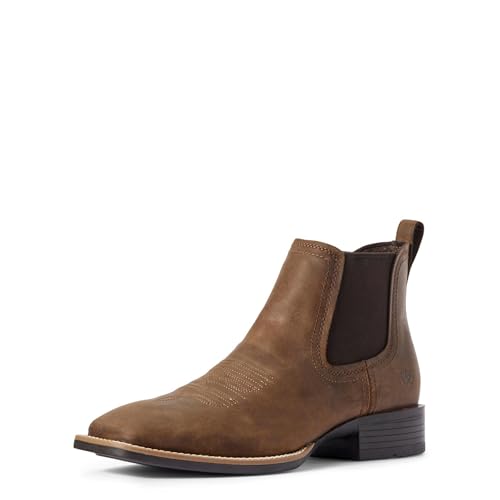
ARIAT Men’s Booker Ultra Western Boot
ADVANTAGES
LIMITATIONS
The ARIAT Booker Ultra is where Western heritage meets modern comfort—a boot that looks the part but performs like a premium lifestyle shoe. With its full-grain leather upper and double-stitched welt, it exudes timeless style, while the ATS stability system and removable All Day Cushioning insole deliver ergonomic support on concrete floors or gravel paths. The elastic side gussets make it easy to slip on and off, and the 1.5″ horseman heel adds just enough lift for posture and balance—perfect for ranch work or a night out.
In real-world use, the Bantamweight outsole is impressively flexible and lightweight, reducing fatigue during long days. It handles barn chores, errands, and casual wear with ease, and the square toe design offers roomy comfort without sacrificing the classic cowboy silhouette. However, it’s not waterproof and lacks aggressive tread, so it struggles in mud or rain. While it won’t replace a work boot, it bridges the gap between fashion and function like few others.
Against the Irish Setter Ashby, the Booker Ultra sacrifices durability and safety features for style and wearability. It’s not for hazardous environments, but for those who want Western flair with everyday comfort, it’s unmatched. If you value versatility, comfort, and authentic cowboy aesthetics, the Booker Ultra delivers the best of both worlds.
Men’s Boot Comparison
| Product | Best For | Waterproof | Insulation | Outsole/Traction | Comfort Features | Toe Protection |
|---|---|---|---|---|---|---|
| SOREL Men’s Madson II Moc Boots | Best Overall | Yes (Nubuck or Full Grain Leather) | No | EVERTREAD rubber | Removable molded EVA, Synthetic topcover | No |
| NORTIV 8 Men’s Insulated Winter Snow Boots | Best Budget Friendly | Yes | 200g | Slip & Abrasion Resistant Rubber | Removable Insole, Fluffy Pile Fabric | Synthetic Toe Cap |
| WOLVERINE Men’s Floorhand Steel Toe Work Boot | Best Work Boot | Yes (Full-grain Leather) | No | Rubber | Cushioned Footbed | Steel Toe |
| KEEN Men’s Targhee 4 Mid Hiking Boots | Best for Hiking Trails | Yes (KEEN.DRY) | No | KEEN.ALL-TERRAIN Rubber | Removable Luftcell Footbed, Padded Tongue/Collar | Bruise Plate |
| ARIAT Men’s Booker Ultra Western Boot | Best Western Style | No | No | Bantamweight Outsole | ATS Technology, All Day Cushioning Insole | No |
| Irish Setter Ashby Soft Toe Work Boot | Best Durable Work Boot | Yes (Oiled Full Grain Leather) | No | HRO Rubber-EVA Traction Tred | Removable Polyurethane Footbed | Soft Toe |
| NORTIV 8 Men’s Ankle High Hiking Boots | Best Lightweight Hiking | Yes | No | High-Quality Rubber | Removable Cushioned Insole, Lightweight EVA Midsoles | No |
How We Test Men’s Boots
Our recommendations for the best boots for men aren’t based on opinion; they’re the result of rigorous data analysis and research. We begin by compiling a comprehensive dataset of available boots, focusing on specifications like materials (leather type, waterproof membrane), outsole composition, and construction methods (Goodyear welt, cement construction). We analyze user reviews from multiple retailers – Amazon, REI, Zappos, and brand websites – using sentiment analysis to identify common praise and complaints regarding comfort, durability and fit.
We then cross-reference these findings with expert reviews from publications like OutdoorGearLab and GearJunkie, prioritizing tests focusing on traction, waterproof performance, and long-term wear. Where available, we factor in results from standardized tests (e.g., ASTM safety ratings for work boots). Comparative analysis charts are created, highlighting key features and price points across different boot types (work, hiking, Western, casual) to identify the best value options. We leverage the ‘Buying Guide’ information to ensure alignment with stated needs – prioritizing waterproofing for wet climates, traction for hikers, and safety features for work environments. While physical testing isn’t always possible, we prioritize brands with a strong reputation for quality control and transparent manufacturing processes.
Choosing the Right Boots for Men
Understanding Your Needs: Boot Types
Before diving into features, identify how you’ll be using your boots. Are you looking for everyday wear, work on a construction site, hitting the hiking trails, or something with Western flair? Different boot types prioritize different features. Work boots emphasize safety and durability, hiking boots focus on support and traction, and Western boots prioritize style and comfort for riding or casual wear. Knowing your primary use case will narrow down your options significantly.
Key Feature: Waterproofing & Materials
Waterproofing is a crucial consideration, especially if you live in a wet climate or plan on using your boots outdoors. Look for boots constructed with waterproof leather (like full-grain or nubuck treated for water resistance) or featuring a waterproof membrane (like KEEN.DRY). Seam-sealed construction is also vital to prevent water from seeping through stitching. Beyond waterproofing, the material impacts durability and breathability. Leather is durable but requires break-in and care. Synthetic materials are often lighter and require less maintenance, but may not be as long-lasting.
Key Feature: Traction & Outsole
The outsole is your connection to the ground, so traction is paramount. Rubber outsoles are standard, but the tread pattern makes a big difference. Deep, aggressive lugs provide superior grip on muddy or rocky terrain (essential for hiking boots like the KEEN Targhee 4). Smoother outsoles are suitable for work environments or casual wear. Features like slip resistance (important for work boots like the Irish Setter Ashby) and oil resistance add extra safety. Look for outsoles specifically designed for the surfaces you’ll be encountering.
Comfort & Support Features
Comfort is key, especially if you’ll be on your feet for long periods. Removable insoles (like those found in the NORTIV 8 boots) are a huge plus, allowing you to customize the fit and add arch support. Cushioning in the footbed and midsole (EVA or polyurethane) absorbs shock and reduces fatigue. A well-padded collar and tongue prevent rubbing and irritation. For hiking, consider boots with a supportive shank to provide stability on uneven terrain. Work boots may include steel toes for impact protection.
Additional Features to Consider
- Insulation: For cold weather, look for boots with insulation (like the 200g insulation in the NORTIV 8 Insulated Winter Snow Boots).
- Toe Style: Steel toe (Wolverine Floorhand) provides impact protection, while soft toe offers more flexibility.
- Shaft Height: Higher shafts offer more ankle support, while lower shafts provide greater freedom of movement.
- Welt Construction: Goodyear welt construction (Irish Setter Ashby) allows for resoling, extending the life of the boot.
- Style: Western boots (ARIAT Booker Ultra) offer a unique aesthetic, while moc-toe boots (SOREL Madson II) provide a more casual look.
The Bottom Line
Ultimately, the “best” boots for men depend entirely on individual needs and intended use. From rugged work boots to stylish Western options and reliable hiking footwear, there’s a perfect pair out there for everyone – and our guide provides a solid starting point for your search.
Prioritizing features like waterproofing, traction, and comfort will ensure you find boots that not only perform well but also keep your feet happy and protected. Consider your typical activities and environment to make an informed decision and step confidently into your next adventure.