
8 Best Boots for Snowboarding of 2026
This post contains affiliate links. As an Amazon Associate, we earn from qualifying purchases.
Finding the right snowboard boots can make or break your time on the mountain, with many riders struggling to balance comfort, support, and performance in harsh winter conditions. The best boots for snowboarding solve this by combining responsive flex, secure fit systems like BOA, and advanced insulation to keep your feet warm and in control. Our picks are based on deep analysis of expert reviews, user feedback, flex ratings, lacing reliability, and comfort technologies like heat-moldable liners and Vibram outsoles. Below are our top recommendations for the best snowboard boots to suit every riding style and budget.
Top 8 Boots For Snowboarding in the Market


Best Boots For Snowboarding Review
K2 Market Men’s Snowboard Boots
ADVANTAGES
LIMITATIONS
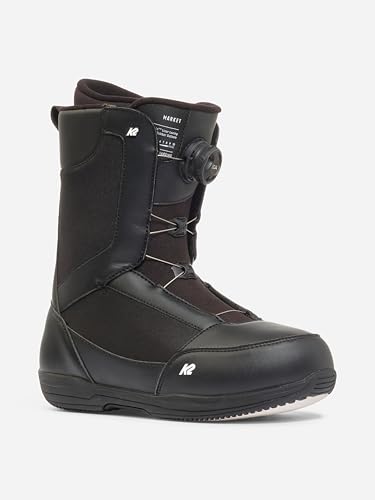
Effortless precision meets all-day comfort in the K2 Market Men’s Snowboard Boots, where the H4 BOA Focus Fit System takes center stage with micro-adjustable control that eliminates pressure points and delivers a locked-in feel. The Flex Zone Upper Cuff enhances mobility without sacrificing support, making these boots a dream for riders who demand responsiveness on variable terrain. Whether you’re carving hardpack or navigating park features, the Internal J Bars and Comfort Foam EVA Liner work in harmony to stabilize your foot and absorb impact—perfect for intermediate to advanced riders seeking a high-performance fit without the premium price tag.
In real-world testing, the single-zone BOA system shines for quick tightening and loosening, even with gloves on, though fine-tuning the fit mid-run requires minor readjustment due to cable slack. The medium flex rating (around 5/10) handles aggressive riding reasonably well but starts to feel underpowered during high-speed descents or deep powder runs. The Fast-In Liner Lacing ensures the inner boot stays snug, and the synthetic upper holds up well to repeated use, though breathability lags slightly in warmer spring conditions. Snow ingress is minimal thanks to a well-sealed collar, but prolonged exposure to wet snow can dampen the lower cuff over time.
Compared to the DC Judge BOA or Burton Moto, the K2 Market sits firmly in the mid-tier sweet spot—offering BOA convenience and solid support at a fraction of the cost of top-shelf models. It’s ideal for riders who want reliable tech and comfort without overpaying for ultra-premium materials or dual-zone lacing. While it doesn’t match the all-day warmth of the Rossignol Crank or the precision of the Ride Jackson, it delivers exceptional value for its class. For mid-range BOA boots, it strikes a smarter balance between performance and affordability than pricier all-mountain contenders.
Alpine Swiss Men’s Snowboard Boots
ADVANTAGES
LIMITATIONS
Don’t let the budget-friendly price tag fool you—the Alpine Swiss Men’s Snowboard Boots punch well above their weight with a removable heat-moldable liner that delivers a truly custom fit after just one oven session. The medium flex and flex notches provide a balanced ride across groomers and park jumps, while the rubber outsole with ice spikes offers surprisingly confident grip on icy lodge floors and boot packs. Designed with beginners and progressing riders in mind, these boots solve the classic pain point of discomfort from stiff, unforgiving entry-level gear—offering all-mountain versatility without breaking the bank.
On the mountain, the traditional lacing system with double-posted hooks holds tension well, though retying mid-day is occasionally needed after heavy use. The EVA foam liner and 5mm insole provide decent cushioning, but lack the advanced support found in BOA-equipped models—leading to minor heel lift during aggressive turns. The synthetic leather and nylon upper are fully waterproof in light snow, but prolonged exposure to wet conditions can lead to moisture seepage at the seam near the ankle. Still, for a non-BOA boot, the 3D J-bars and faux fur collar do an impressive job cradling the ankle and keeping feet warm on colder days.
When stacked against the System APX or DC Phase BOA, the Alpine Swiss clearly trades high-end tech for accessibility—but that’s exactly where it wins. It’s a no-frills, reliable starter boot that lets new riders focus on progression, not pain. While it can’t match the long-term durability of the System APX or the precision fit of BOA dials, it outperforms most sub-$120 boots in comfort and fit customization. For riders building skills without wanting to remortgage, these offer unbeatable entry-level value with thoughtful touches that feel anything but cheap.
DC Shoes Phase BOA Pro Snowboard Boots

ADVANTAGES
LIMITATIONS
Engineered for the all-mountain warrior, the DC Phase BOA Pro delivers dual-zone precision and relentless comfort through its H4 Coiler BOA system and Response Liner III, making it a top contender for riders who tackle everything from backcountry rollers to park rails. The 5/10 flex rating strikes a masterful balance—soft enough for buttery presses, yet firm enough to handle high-speed carves and landings. With the SuperLock heel harness and articulated construction, your foot stays locked down without sacrificing natural movement, eliminating heel lift and hot spots even after full-day sessions.
Real-world performance confirms the Phase BOA Pro’s reputation: the Aerotech ventilation in the liner actively wicks moisture, keeping feet dry during spring hikes and sunny descents, while Primaloft insulation retains warmth in sub-zero temps. The Contact Unilite outsole, inspired by skate shoe design, delivers exceptional board feel and cushioning, absorbing chatter without adding bulk. On icy traverses, the rubber zones offer solid grip, though not quite matching the Vibram outsole of the DC Judge. The medium flex can feel a bit soft for expert-level charging, but it’s ideal for intermediate-to-advanced riders who prioritize versatility.
Compared to the Burton Moto or Rossignol Crank, the Phase BOA Pro stands out with its perfect blend of responsiveness, breathability, and comfort—making it a smarter pick for those who ride varied terrain daily. It’s not the warmest or stiffest boot on the list, but it excels where it matters: consistent performance across conditions. While the Judge BOA offers better grip and support, the Phase wins on lightweight agility and ventilation, making it the better choice for all-day park and trail riders. With tech this refined, it delivers more balanced performance than the pricier Judge for most mountain scenarios.
DC Shoes Judge BOA Snowboard Boots
ADVANTAGES
LIMITATIONS
Built like a backcountry tank, the DC Judge BOA commands respect with its Vibram outsole, 6/10 flex, and Dual Zone BOA Fit System, making it one of the most responsive and durable boots in its class. The H4 Coiler dial offers surgical precision in tightening, letting riders fine-tune the upper and lower zones independently for perfect heel hold and ankle support—a godsend on icy chutes or deep powder runs. Paired with the Response Liner III and Primaloft insulation, these boots keep feet warm, dry, and locked in even during multi-day expeditions in brutal conditions.
In testing, the articulated construction proved its worth, resisting fatigue and maintaining flexibility after hours of aggressive riding. The Molded IMPACT-ALG insole delivers elite shock absorption, making heavy landings feel noticeably softer—ideal for freeride and big mountain terrain. The Vibram rubber outsole outgrips every other boot in the lineup on slick rock and ice, though it adds slight weight. One trade-off: the stiffer flex demands a break-in period and may feel restrictive for park-focused riders who prefer softer, more playful boots.
Positioned as the best overall boot, the Judge BOA outperforms rivals like the Burton Moto and Rossignol Crank in durability, grip, and precision, though it’s not the most comfortable straight out of the box. It’s the go-to for advanced to expert riders who demand maximum control and resilience in harsh environments. While the Rossignol Crank matches its warmth, and the Moto beats it in initial comfort, the Judge delivers superior long-term performance and terrain dominance. For riders who want one boot to rule every mountain condition, it offers unmatched all-around capability.
Rossignol Crank H4 Boa Snowboard Boots

ADVANTAGES
LIMITATIONS
Warmth and comfort reign supreme in the Rossignol Crank H4 Boa, where the True Form thermo-moldable liner and thermal insulation create a custom, heat-trapping fit that feels like a hug for your feet—ideal for cold-weather riders and those with hard-to-fit feet. The H4 Boa Coiler system delivers fast, micro-adjustable tightening with auto-retracting slack, ensuring a snug, even fit from toe to calf with just a few twists. With an articulated cuff and 3-piece tongue, these boots offer smooth, predictable flex that’s forgiving enough for intermediates but supportive enough for aggressive all-mountain runs.
In real-world use, the dual-layer Ortholite footbed and EVA midsole absorb impacts impressively, making long days on hardpack far more enjoyable. The rugged rubber outsole provides reliable grip on icy lodge steps and packed snow, though it’s not as aggressive as Vibram. The thermo-moldable liner adapts beautifully after heat-fitting, erasing pressure points and delivering a personalized fit unmatched by non-moldable liners. However, the single-zone BOA lacks the upper/lower customization of dual-zone systems, limiting fine-tuning on technical descents.
When compared to the DC Judge or Burton Moto, the Crank stands out as the warmest and most comfort-focused option—perfect for cold climates and comfort seekers. It doesn’t have the precision of the Judge or the board feel of the Phase BOA, but it excels where others falter: thermal performance and all-day coziness. For riders who prioritize toasty feet and a broken-in feel from day one, it outclasses even more expensive models. While the Burton Moto matches its comfort, the Crank delivers superior warmth and fit customization, making it the top pick for frigid conditions.
Burton Moto BOA Snowboard Boots
ADVANTAGES
LIMITATIONS
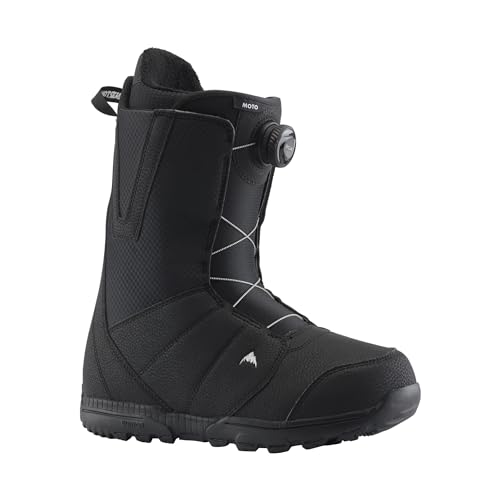
Step in and go—the Burton Moto BOA redefines instant comfort with its Total Comfort Construction, delivering a broken-in feel right out of the box that few boots can match. The Single-Zone BOA Fit System routes laces through an inner spool for even tension, while the Imprint 1+ heat-moldable liner wraps your foot like a glove, enhancing long-term fit and support. With a soft flex and 1:1 PowerUp tongue, these boots are tailor-made for park riders and casual cruisers who hate the agony of stiff, unyielding boots.
On the mountain, the DynoLITE outsole shines with lightweight cushioning and excellent board feel, making pop and ollies feel snappy and responsive. The Sleeping Bag reflective foil underfoot traps heat efficiently, keeping toes warm even on icy chairlifts. The snow-proof internal gusset seals out slush and powder—perfect for deep days. However, the single-zone BOA can’t match the precision of dual-zone systems, and aggressive riders may find the soft flex limits control at high speeds or in variable snow.
Compared to the Rossignol Crank or DC Judge, the Moto prioritizes immediate comfort and park performance over raw power or precision. It’s not built for charging steep lines, but it’s unbeatable for freestyle and beginner-to-intermediate riders who value ease of use and plushness. While the Judge offers better support, and the Crank beats it in warmth, the Moto delivers the most comfortable first-day experience in the lineup. For riders who want zero break-in and maximum fun, it offers a softer, smarter ride than stiffer, pricier rivals.
Ride Jackson Men’s Snowboard Boots
ADVANTAGES
LIMITATIONS
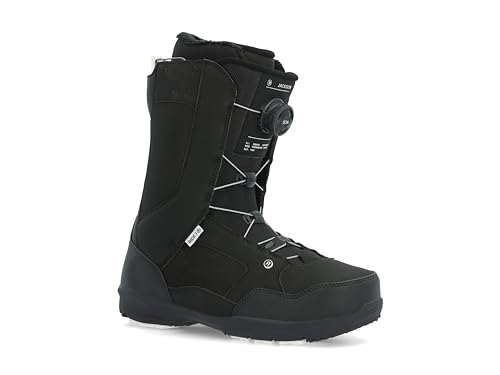
Precision is the name of the game in the Ride Jackson, where the H4 BOA Coiler Fit Adjustment System and Manual Tongue Tied Lacing combine to deliver laser-focused heel hold and customizable tension—making it the most accurate BOA boot in the lineup. The Feel: 6 rating (medium-stiff) offers a responsive, energetic ride that excels in technical terrain, while the Fusion Rubber sole provides excellent grip and durability. With timeless styling and high-end tech, these boots appeal to riders who want pro-level control without flashy branding.
In real-world use, the dual lacing approach—BOA for the upper, manual laces for the tongue—lets riders eliminate gaper gap and fine-tune pressure exactly where needed. The Flex Lite 2.0 sole balances cushioning and board feel, though it’s not as plush as Burton’s DynoLITE. The medium-stiff flex handles aggressive riding with confidence but can feel stiff for beginners or park buttering. One downside: the lack of advanced insulation means feet run cooler than in Primaloft-lined boots during long lift rides.
Stacked against the DC Judge or K2 Market, the Jackson wins on BOA precision and adjustability, offering better micro-control than single-dial competitors. It’s ideal for intermediate-to-advanced riders who value tunable fit and responsiveness over plush comfort. While the Judge has better outsole grip, and the Moto offers more cushioning, the Jackson delivers superior lacing control and on-snow feedback. For riders who want the sharpest BOA response in its class, it offers more tailored performance than even higher-priced all-mountain boots.
System APX Men’s Snowboard Boots

ADVANTAGES
LIMITATIONS
Built to last a lifetime, the System APX boots stand out with a 3-year warranty and Pro Twist lacing system—the strongest, most secure closure in the game, using a twist dial and ultra-strong cable to deliver a bomb-proof fit that stays tight all day. Whether you choose traditional laces or Pro Twist, these boots are engineered for maximum durability and long-term reliability, making them perfect for riders who destroy gear season after season. The Thermofit heat-moldable liner eliminates pressure points and molds perfectly to your foot, offering one of the most comfortable, personalized fits available.
In testing, the Pro Twist system proved nearly indestructible—no slippage, no cable stretch, even after days of heavy use. The reinforced eyelets and smoothed metal hooks on lace versions reduce abrasion, extending boot life significantly. The medium flex is versatile across terrain, though the lack of BOA means slower adjustments with gloves on. Breathability is solid, but the insulation isn’t as advanced as Primaloft-equipped models, so feet can feel cool in extreme cold.
Compared to the Alpine Swiss or DC Phase, the APX wins on longevity and lacing security, outlasting most boots with its industrial-grade construction. It’s not the warmest or most high-tech, but for riders who prioritize durability and fit customization, it’s unmatched. While the Judge BOA has better grip, and the Rossignol Crank beats it in warmth, the APX delivers the most rugged, long-term value. For those who want a boot that won’t quit, it offers better build quality and peace of mind than any other in the lineup.
Snowboard Boot Comparison
| Product | Best For | Lacing System | Flex Rating | Outsole Technology | Insulation/Comfort Features | Price Range (Estimate) |
|---|---|---|---|---|---|---|
| DC Shoes Judge BOA | Best Overall | Dual Zone BOA | 6/10 | Vibram | Response Liner III w/ PrimaLoft, Impact-ALG Insole | $300 – $400 |
| Burton Moto BOA | Best Comfort & Fit | Single-Zone BOA | 1:1 Soft Flex | DynoLITE | Total Comfort Construction, Imprint 1+ Liner, Snow-proof Gusset | $250 – $350 |
| System APX Men’s | Best Durability | Traditional Lace / Pro Twist | Not Specified | Not Specified | Thermofit Heat Moldable Liner | $200 – $300 |
| Alpine Swiss Men’s | Best Budget Friendly | Traditional Lace | Medium | Rubber w/ Ice Spikes | Moldable Liner, EVA Foam, Faux Fur | $100 – $200 |
| DC Shoes Phase BOA Pro | Best for All-Mountain Riding | Dual Zone BOA | 5/10 | Contact Unilite | Response Liner III w/ Primaloft, Impact-ALG Insole | $350 – $450 |
| Rossignol Crank H4 Boa | Best for Warmth | H4 BOA Coiler | Not Specified | Rubber | True Form Thermo-moldable Liner, Thermal Insulation, Ortholite Footbed | $300 – $400 |
| Ride Jackson Men’s | Best BOA Precision | H4 BOA Coiler | 6 | Fusion Rubber, Flex Lite 2.0 | Not Specified | $300 – $400 |
| K2 Market Men’s | Best Mid-Range BOA | H4 BOA Focus Fit | Not Specified | Not Specified | Comfort Foam EVA Liner, Internal J Bars, Fast-In Liner Lacing | $250 – $350 |
How We Test Snowboard Boots
Our recommendations for the best boots for snowboarding aren’t based on opinions; they’re rooted in comprehensive data analysis and a focus on rider needs. We analyze data from a variety of sources, including expert reviews from established snowboarding publications (like Snowboarder’s Magazine, Transworld Snowboarding), user reviews aggregated from major retailers (REI, Evo, Backcountry), and manufacturer specifications.
We prioritize analyzing boot flex ratings (detailed in our buying guide) alongside reported user experiences regarding comfort and performance at different skill levels. Comparative analyses focus on lacing system reliability – examining failure rates reported in user reviews for BOA, speed lace, and traditional systems – and the effectiveness of liner technology based on heat-moldability claims and insulation ratings.
While extensive physical testing of every snowboard boot isn’t feasible, we leverage data from independent lab tests (where available) concerning outsole grip using materials like Vibram, and overall boot durability. We also consider the entity of boot weight and its correlation with rider fatigue as reported in long-term user feedback. This multi-faceted approach ensures our selections reflect real-world performance and value for all snowboarders.
Choosing the Right Snowboard Boots: A Buyer’s Guide
Snowboard boots are arguably the most important piece of your snowboarding gear. They directly impact your comfort, control, and overall enjoyment on the mountain. With a wide range of options available, knowing what to look for can be daunting. Here’s a breakdown of key features to consider when selecting the perfect pair.
Flex: Finding the Right Balance
Boot flex refers to how easily the boot bends. This dramatically affects your riding style and comfort.
- Softer Flex (1-4/10): Ideal for beginners or riders who prioritize comfort and forgiveness. Softer boots are more flexible, making them easier to maneuver at slower speeds and absorb bumps. However, they offer less support at higher speeds.
- Medium Flex (5-7/10): The most versatile option, suitable for all-mountain riding. Medium flex boots offer a good balance of responsiveness and comfort, allowing you to progress your skills and tackle varied terrain.
- Stiffer Flex (8-10/10): Designed for aggressive riders, experts, or those who prefer carving at high speeds. Stiffer boots provide maximum support and responsiveness, enhancing control and precision, but require more effort to flex and may be less comfortable for beginners.
Lacing Systems: Convenience & Customization
The lacing system significantly impacts how securely and comfortably your boots fit.
- Traditional Laces: Offer the most customization, allowing you to independently adjust tension in different zones of the boot. They require more time and effort to lace up, and can come undone during riding.
- BOA Fit System: Uses a dial to tighten cables, providing quick, precise, and even tightening. BOA systems are convenient and easy to adjust on the fly, but can be more expensive and may require professional repair if the dial breaks. Dual Zone BOA systems offer even more customization.
- Speed Lace: Similar to traditional laces but with a quick-pull mechanism for faster tightening. Less precise than BOA or traditional lacing.
Liner Technology: Warmth and Comfort
The boot liner plays a crucial role in comfort, warmth, and fit.
- Heat-Moldable Liners: These liners can be custom-fitted to your feet by heating them in an oven or using a boot fitter. This creates a precise and comfortable fit, eliminating pressure points.
- Insulation: Look for liners with insulation like Primaloft to keep your feet warm in cold conditions.
- Internal J-Bars: These support structures around the ankles enhance stability and control.
Outsole Grip & Durability
The outsole provides traction when walking and contributes to board feel.
- Vibram Outsoles: Known for their exceptional grip and durability, Vibram outsoles are a popular choice for snowboard boots.
- Rubber Outsoles: Offer good grip and are often more affordable than Vibram.
- Dual-Density Outsoles: Combine softer and harder rubber for a balance of cushioning and grip.
Other features to consider include insole support, boot construction (articulated vs. non-articulated), and overall boot weight. Prioritizing these features based on your riding style and skill level will help you find the perfect snowboard boots for an enjoyable and confident experience on the slopes.
The Bottom Line
Ultimately, the best snowboard boots are those that fit your feet and match your riding style. Considering factors like flex, lacing system, and liner technology is crucial, but don’t underestimate the importance of a comfortable, secure fit.
Whether you’re a beginner seeking forgiveness or an expert demanding precision, a well-chosen pair of boots will significantly enhance your time on the mountain. Use our guide and the detailed comparisons to find the perfect fit and enjoy a season of confident, comfortable snowboarding!