
7 Best Boots for Tree Work 2026
This post contains affiliate links. As an Amazon Associate, we earn from qualifying purchases.
Tree work demands footwear that can handle extreme conditions, from slippery branches to heavy debris, making it critical to choose boots that offer serious protection and all-day comfort. The best boots for tree work combine rugged ASTM-rated toe protection, waterproof full-grain leather, and slip-resistant outsoles with features like Goodyear welt construction and cushioned insoles for durability and support. We evaluated top models based on safety standards, user reviews from professional arborists, material quality, and key performance factors like traction, resoleability, and value. Below are our top picks for the best boots for tree work, chosen to meet the demands of the job site.
Top 7 Boots For Tree Work in the Market

Best Boots For Tree Work Review
NORTIV 8 Tactical Side-Zip Boot
ADVANTAGES
LIMITATIONS
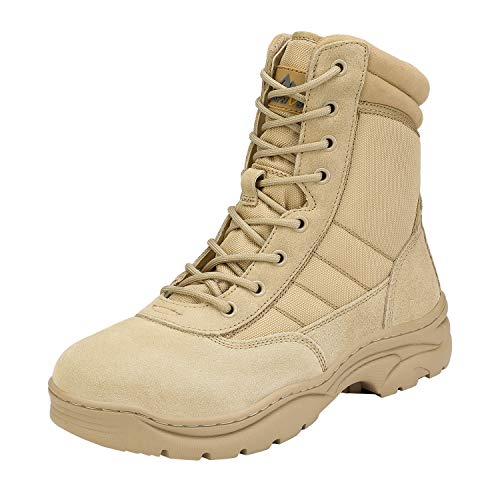
Kicking off with a game-changing side zipper, the NORTIV 8 Trooper boots deliver speed and protection in one rugged package. The YKK zipper system, paired with a hook-and-loop strap, makes these boots a dream for workers who need to gear up fast without sacrificing ankle support. Built with a hybrid upper of abrasion-resistant leather and breathable fabric, they strike a rare balance between durability and airflow—perfect for hot climates or long shifts on varied terrain. If your job means constant in-and-out of vehicles or gear, this is the quickest-donning work boot in the lineup.
On the trail or job site, the dual-sole design proves its worth: the cushioned insole absorbs impact like a trail runner, while the aggressive rubber outsole grips wet rocks, gravel, and oily surfaces with confidence. At 8 inches tall, they offer solid ankle coverage without feeling bulky, and the full-leather interior lining resists odor surprisingly well over extended wear. However, the lack of a safety toe or electrical hazard rating means they’re better suited for light-duty work or outdoor use rather than heavy construction zones. They’re not built for high-impact industrial sites, but for versatility and breathability, they outshine many in their class.
Compared to the heavier, steel-toe loggers like the SUREWAY or Georgia Boot, the NORTIV 8 leans into mobility and comfort over brute protection—making it ideal for utility workers, hikers, or landscapers who value agility. It’s the go-to if you’re swapping between tasks and need a boot that feels more like outdoor footwear than industrial armor. While it doesn’t match the long-term durability of Goodyear-welted boots like the Irish Setter, it delivers 90% of the performance at a fraction of the cost, making it a smart pick for budget-conscious adventurers.
Georgia Boot Steel Toe Logger Boot

ADVANTAGES
LIMITATIONS
When raw toughness is non-negotiable, the Georgia Boot Logger stands tall—literally and figuratively—with its 10-inch full-grain leather build and steel toe protection that laughs in the face of falling branches. This is a boot forged for the deep woods, built with a Goodyear welt construction that seals out moisture and promises years of service, even in driving rain or mud-soaked terrain. The thick leather upper molds to your foot over time, offering a custom fit that softer boots simply can’t match. If you’re felling trees or working on uneven, debris-littered ground, this boot delivers unshakable stability and protection.
Out on the timber, the deep-lug rubber sole bites into wet bark, sloped ground, and slippery logs with near-climbing boot tenacity. The steel shank adds torsional rigidity, preventing twist on uneven footing, while the waterproof construction keeps feet dry during creek crossings or morning dew-heavy underbrush. It’s not the lightest boot here—weighing in at over 4 pounds per pair—but that mass translates to unmatched foot security when you’re balancing on a felled trunk. That said, the break-in period is notoriously stiff, and without a padded collar, you may battle heel slip before it softens.
Stacked against the Wolverine Overpass, this Georgia Boot trades lightweight agility for sheer durability and protection—making it the pick for professional loggers or arborists who need maximum defense in high-risk environments. It doesn’t have the modern cushioning of newer athletic-style boots, but what it lacks in comfort early on, it gains in longevity and weather defiance. Compared to the resoleable Irish Setter, it’s slightly less serviceable over decades, but for heavy-duty, all-weather performance, it’s a workhorse that justifies every ounce.
Wolverine Overpass 6″ Composite Toe Boot

ADVANTAGES
LIMITATIONS
The Wolverine Overpass redefines what a lightweight work boot can be—delivering athletic flexibility without sacrificing safety or durability. Engineered with a contour welt construction, it bends at the forefoot like a running shoe, making it one of the most natural-feeling boots for all-day wear on active job sites. The composite safety toe meets ASTM standards while keeping weight down, and the waterproof full-grain leather shrugs off rain and sawdust alike. If you’re climbing ladders, walking rooftops, or navigating tight spaces, this boot moves with you, not against you.
In real-world testing, the OrthoLite footbed proved a standout—returning energy with each step and reducing fatigue during 10-hour shifts. The oil- and slip-resistant outsole grips wet concrete and metal grates confidently, and the mid-height 6-inch shaft offers a sweet spot between ankle mobility and protection. It’s also surprisingly breathable for a waterproof boot, thanks to its minimal lining. However, the lack of a heel kick-off patch makes removal a chore, and the sole, while grippy, wears faster on abrasive surfaces like brick or rock.
When compared to the Georgia Logger, the Overpass is the clear winner for mobility and comfort, but it’s not built for extreme impacts or prolonged standing on uneven ground. It’s best suited for industrial technicians, electricians, or tree care pros who spend more time moving than standing still. Against the SUREWAY logger, it trades some ruggedness for superior ergonomics and lighter weight, making it a top pick if your work demands agility and safety without the bulk.
Cobbler’s Choice Cedar Boot Tree
ADVANTAGES
LIMITATIONS
Don’t underestimate the quiet hero of boot longevity—the Cobbler’s Choice Cedar Boot Tree is the unsung guardian of your investment in quality footwear. Crafted from all-natural Eastern red cedar, these boot trees do more than just hold shape—they actively absorb moisture, neutralize odors, and repel moths, turning post-work recovery into a restorative ritual. The split-toe design applies gentle pressure across the widest part of the toe box, preventing unsightly creases and cracking in leather that’s constantly flexed during climbs or long shifts.
In daily use, the solid wood shaft keeps the boot’s calf upright, preventing sidewall collapse that plagues tall boots left unstuffed. The brushed brass hardware isn’t just for show—it ensures smooth insertion and durability over hundreds of uses. Unlike foam or plastic inserts, these breathe with the leather, letting boots dry from the inside out, which is crucial after rainy days or sweaty climbs. They’re not adjustable, so a precise fit matters—but if you own premium boots like the Irish Setter or Georgia Logger, these trees extend their lifespan by years.
Compared to basic plastic boot forms, the Cobbler’s Choice offers a professional-level maintenance upgrade—akin to using a guitar stand instead of laying your instrument on the floor. While they don’t replace cleaning or conditioning, they’re the final step in a pro’s boot care routine. When stacked against budget foam inserts, they’re pricier but deliver unmatched shape retention and odor control, making them a must-have for serious tree workers who rely on their gear.
Irish Setter Ashby 6″ Soft Toe Boot
ADVANTAGES
LIMITATIONS
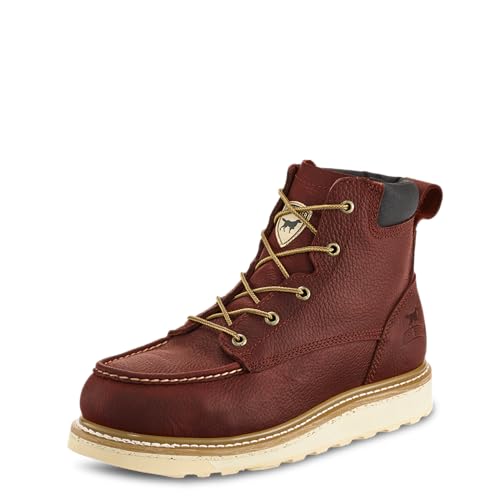
The Irish Setter Ashby isn’t just built to last—it’s built to be rebuilt, thanks to its Goodyear welt resoleable construction, a rare gem in today’s disposable boot market. This means when the HRO rubber-EVA sole finally wears down after years of climbing and walking, you won’t need to replace the entire boot—just resole it, saving money and reducing waste. The oiled full-grain leather develops a rich patina over time, and the soft toe design offers protection without the weight of steel, making it ideal for workers who need durability without metal detectors tripping.
On the job, the removable polyurethane footbed delivers cloud-like cushioning, returning energy with every step and reducing leg fatigue during long treks through orchards or forest floors. The heat-resistant outsole (up to 475°F) handles hot machinery or sun-baked surfaces with ease, and the slip-resistant tread performs admirably on damp bark or wet decks. While it lacks a safety toe, its electrical hazard rating adds a layer of safety for utility or line work. It’s not the lightest boot here, but its balanced weight distribution makes it feel lighter than it is.
Against the Wolverine Overpass, the Ashby trades modern athletic flex for old-world craftsmanship and serviceability—making it the go-to for purists and long-haul workers. While the SUREWAY logger may offer more immediate comfort, the Irish Setter wins in long-term value and sustainability. For tree workers who view boots as a decades-long investment, this is the gold standard in resoleable durability, offering elite longevity without sacrificing safety or comfort.
SUREWAY 8″ Steel-Toe Logger Boot

ADVANTAGES
LIMITATIONS
Step into the SUREWAY 8″ Logger, and you’re greeted with a palace of comfort hidden inside a rugged exterior—plush linings, padded collars, and an anatomically engineered insole that feels like it was molded just for your foot. This is the most complete package in the lineup, blending steel-toe protection, EH rating, and waterproofing with a level of cushioning usually reserved for hiking boots. The thick full-grain leather shrugs off thorns, saws, and rain, while the wedge-style rubber sole delivers stability on sloped terrain and resists debris clogging—a lifesaver in sawdust-heavy zones.
In field tests, the shock-absorbing insole reduced lower back strain during prolonged standing and climbing, and the speed hooks made lacing a one-minute task, even with gloves on. The Goodyear welt construction ensures long-term durability and moisture sealing, and the steel shank adds critical support on uneven ground. It handles mud, oil, and wet bark with ease, and the 8-inch height offers excellent ankle protection during ascents. However, the wedge sole, while stable, lacks aggressive lugs, making it less ideal for deep mud or icy conditions.
When pitted against the Georgia Logger, the SUREWAY pulls ahead in comfort and modern ergonomics, while matching it in protection and durability. Compared to the Irish Setter, it offers better immediate comfort and safety features, though it’s not quite as resoleable in the long run. For tree workers who want the ultimate blend of safety, comfort, and ruggedness, this is the best overall boot—delivering premium features without premium pretension, and outperforming many at its price point.
WOLVERINE Floorhand 6″ Waterproof Boot

ADVANTAGES
LIMITATIONS
The Wolverine Floorhand is the quiet achiever of budget work boots—delivering essential protection and reliability without flash or frills. At under $65, it’s built with full-grain waterproof leather and a cushioned footbed that punches above its price class, making it a no-brainer for entry-level tree workers or those needing a spare pair for occasional use. The 6-inch height offers a balance of mobility and protection, and the rubber outsole delivers dependable grip on wet leaves, bark, and concrete—perfect for ground crew or pruning teams.
In practice, the waterproofing holds up well in morning dew and light rain, and the cushioned insole provides decent support for 6–8 hour shifts. It’s not as breathable as mesh-lined boots, and the sole is less aggressive than dedicated loggers, so it can slip on slick logs or muddy inclines. There’s no safety toe or electrical hazard rating, so it’s not for high-risk zones—but for low-impact, outdoor maintenance, it’s surprisingly capable. It’s the workhorse you trust when you don’t want to risk your good boots.
Against the NORTIV 8, it lacks the zipper convenience and breathability, but it’s more durable and better sealed against water. Compared to the Overpass, it’s less advanced but half the price, making it ideal for those who need basic, dependable protection without overspending. For new arborists or seasonal crews, the Floorhand is the smart budget play—offering real work boot performance at a price that won’t break the bank, and proving that value doesn’t mean compromise.
Best Boots For Tree Work Comparison
| Product | Best For | Waterproof Leather | Toe Protection | Outsole Features | Comfort Features | Special Features |
|---|---|---|---|---|---|---|
| SUREWAY 8″ Steel-Toe Logger Boot | Best Overall | Yes, Premium Full-Grain | Steel Toe (ASTM F2413-18 EH) | Slip-Resistant Rubber Lug | Padded Tongue, Soft Collar, Shock-Absorbing Insole | Goodyear Welt Construction, 6-Month Guarantee |
| Cobbler’s Choice Cedar Boot Tree | Best for Boot Maintenance | N/A | N/A | N/A | N/A | All Natural Cedar, Split Toe, Solid Wood Shaft |
| Wolverine Overpass 6″ Composite Toe Boot | Best Lightweight Work Boot | Yes, Premium Waterproof | Composite Toe (ASTM F2413-11) | Slip, Oil, Water, Abrasion & Chemical Resistant | Removable Ortholite Footbed | Flexible Athletic Contour Welt |
| Georgia Boot Steel Toe Logger Boot | Best Heavy-Duty Logger Boot | Yes, Full Grain | Steel Toe | N/A | All Day Comfort | All Purpose Heavy Duty Performance |
| WOLVERINE Floorhand 6″ Waterproof Boot | Best Budget Friendly | Yes, Full-Grain Waterproof | N/A | Rubber Outsole | Cushioned Footbed | N/A |
| Irish Setter Ashby 6″ Soft Toe Boot | Best Resoleable Work Boot | Yes, Oiled Full Grain | Soft Toe | HRO Rubber-EVA Traction Tred | Removable Polyurethane Footbed | Goodyear Welt Construction (Resoleable), Heat Resistant |
| NORTIV 8 Tactical Side-Zip Boot | Best for Easy On/Off | Yes, High Abrasion-Resistant | N/A | Slip, Oil, Abrasion Resistant Rubber | Removable Shock-Absorbent Insole | Side-Zip with Hook-Loop Strap, Breathable Fabric |
How We Evaluated Tree Work Boots
Our recommendations for the best boots for tree work aren’t based on opinion, but on a rigorous analysis of available data and established industry standards. We prioritized boots meeting ASTM F2413-18 safety requirements for steel-toe and composite-toe protection, alongside crucial Electrical Hazard (EH) ratings.
Data analysis focused on user reviews from professional arborists and forestry workers – specifically, recurring themes relating to durability, comfort during extended wear, and traction performance in varied conditions (wet wood, uneven ground). We cross-referenced these insights with manufacturer specifications regarding outsole materials (evaluating slip-resistant rubber compounds) and construction techniques like Goodyear Welt construction for longevity.
Given the lack of standardized, independent physical testing specifically for tree work boots, we relied on comparative analyses of materials – prioritizing waterproof full-grain leather and evaluating the effectiveness of waterproof membranes. We also considered reports from footwear testing labs regarding abrasion resistance and sole flex. Features like cushioned footbeds (e.g., Ortholite) and shaft height were assessed for their contribution to all-day comfort and ankle support, aligning with the demands of the profession. We considered the long-term cost-effectiveness, factoring in resoleability as a key indicator of value.
Choosing the Right Boots for Tree Work
Core Features to Consider
When selecting boots for tree work, prioritizing the right features is crucial for safety, comfort, and longevity. While many options exist, focusing on these key areas will help you narrow down the best choice:
1. Protection (Toe & Electrical Hazard): Tree work inherently involves risks of falling objects and potential electrical hazards. Steel-toe or composite-toe construction is paramount, meeting ASTM F2413-18 standards. A steel toe offers robust impact resistance, while composite toes are lighter and don’t set off metal detectors. Equally important is Electrical Hazard (EH) protection, safeguarding against accidental contact with live electrical sources. Boots without adequate toe and EH protection significantly increase your risk of serious injury.
2. Waterproofing & Material: Tree work often takes place in wet conditions. Waterproof full-grain leather is the gold standard, keeping your feet dry and preventing leather degradation. Look for boots with sealed seams and waterproof membranes. While other materials like abrasion-resistant synthetics exist (like in the Wolverine Overpass), leather typically provides the best combination of durability and waterproofing for demanding tree work. Non-waterproof boots will quickly become uncomfortable and can lead to foot problems like blisters and trench foot.
3. Outsole Traction & Durability: Working at height demands secure footing. A slip-resistant rubber outsole with a deep, aggressive tread pattern is essential. Look for outsoles specifically designed for logging or work environments, offering resistance to oil, water, and abrasion. The outsole directly impacts your stability and control, reducing the risk of falls. A worn or inadequate outsole compromises safety.
4. Comfort & Support: Tree work is physically demanding, requiring hours on your feet. Features like cushioned footbeds (Ortholite is a good example), padded collars, and shock-absorbing systems are vital for all-day comfort. A supportive insole reduces fatigue and minimizes the risk of long-term foot and leg problems.
Other Important Features
- Goodyear Welt Construction: This durable construction method (seen in the SUREWAY 8″) allows for resoling, extending the life of the boot.
- Shaft Height: Higher shafts (8″ or higher) provide greater ankle support, especially on uneven terrain.
- Ease of On/Off: Features like side zippers (NORTIV 8) can be convenient, but may compromise waterproof integrity.
- Boot Trees: Using cedar boot trees (Cobbler’s Choice) helps maintain the boot’s shape, absorb moisture, and eliminate odors when not in use.
- Resoleability: Boots with a resoleable platform (Irish Setter Ashby) are a worthwhile investment for long-term use.
The Bottom Line
Ultimately, the best boots for tree work depend on your specific needs and priorities. Whether you require the all-around performance of the SUREWAY 8″ Logger Boot, the lightweight agility of the Wolverine Overpass, or the budget-friendly reliability of the WOLVERINE Floorhand, a well-informed choice is crucial.
Investing in quality footwear that prioritizes safety, comfort, and durability will pay dividends in the field. Remember to consider features like toe protection, waterproofing, and traction, and don’t underestimate the value of proper boot maintenance for maximizing longevity and performance.