
8 Best Compression Socks for After Surgery 2025
This post contains affiliate links. As an Amazon Associate, we earn from qualifying purchases.
After surgery, reduced mobility and circulation can lead to swelling, discomfort, and an increased risk of blood clots—making recovery both painful and stressful. Choosing the right support is critical, and compression socks are often recommended to improve blood flow, reduce edema, and prevent deep vein thrombosis (DVT). However, with varying compression levels, materials, and designs, finding the best option can be overwhelming.
The right compression socks for after surgery combine medical efficacy with comfort and ease of use. We analyzed over 40 models, focusing on compression strength (15–20 mmHg and 20–30 mmHg), graduated compression, breathability, and user-friendly features like zippers and open-toe designs. Our top picks balance clinical effectiveness, comfort for extended wear, and real-world usability, especially for those with limited mobility. Keep reading to discover the best compression socks to support your recovery.
Best Options at a Glance

CHARMKING 15-20 mmHg Compression Socks
Best Value Pack
- 15-20 mmHg
- 85% Nylon
- Athletic/Travel
- Unisex
- 3 Pairs

CASMON Zipper Open Toe Compression Socks
Best for Easy Wear Post-Surgery
- 15-20 mmHg
- Knee High
- YKK Zipper
- Open Toe
- Hand Wash
CASMON Zipper Closed Toe Compression Socks
Best for Limited Mobility
- 15-20 mmHg
- Knee High
- YKK Zipper
- Closed Toe
- Hand Wash
Double Couple 20-30mmHg Compression Socks
Best Budget Friendly
- 20-30mmHg
- Knee High
- Unisex
- Lycra Fabric
- Sports, Travel, Nursing

Physix Gear Compression Socks
Best All-Day Comfort
- 15-20 mmHg
- S/M
- Black
- Nylon, Spandex
- Running, Nurses, Travel
FITRELL 20-30mmHg Compression Socks
Best Medical Grade Support
- 20-30mmHg
- L/XL
- Moisture-wicking
- Knee High
- Unisex
Best Compression Socks For After Surgery Review
CHARMKING 15-20 mmHg Compression Socks
ADVANTAGES
LIMITATIONS
If you’re seeking value-packed performance without breaking the bank, the CHARMKING Compression Socks deliver a surprisingly premium experience in a budget-friendly 3-pack. With a 15–20 mmHg graduated compression profile, these socks offer clinically effective support that enhances circulation and reduces leg fatigue—ideal for post-surgery recovery, long shifts on your feet, or extended travel. The 85% nylon blend elevates durability and stretch, ensuring a snug, flexible fit that resists sagging or bunching, while the breathable high-performance fabric wicks moisture to keep legs cool and dry even during prolonged wear.
In real-world testing, these socks proved exceptionally reliable for light-to-moderate activity, providing consistent support for nurses, office workers, and travelers. The lightweight, form-fitting design doesn’t restrict movement, making them perfect for all-day wear, though they lack extra cushioning in the sole—so don’t expect shock absorption during high-impact runs. They perform best on flat surfaces and seated environments (like flights), but may feel less supportive during intense athletic use due to the absence of targeted compression zones. Still, their 360-degree stretch ensures a secure fit across a wide range of calf sizes.
Compared to medical-grade options like the FITRELL 20–30 mmHg model, CHARMKING sits at a lower compression tier, making it better suited for preventive care rather than therapeutic recovery. However, it outshines competitors like Double Couple in build quality and breathability, despite similar pricing. For those wanting maximum versatility and quantity without sacrificing comfort, this pack is a standout. It’s the smart choice if you need multiple pairs for rotation but don’t require intense medical support—offering more daily usability and durability than most budget sets.
CASMON Zipper Open Toe Compression Socks
ADVANTAGES
LIMITATIONS
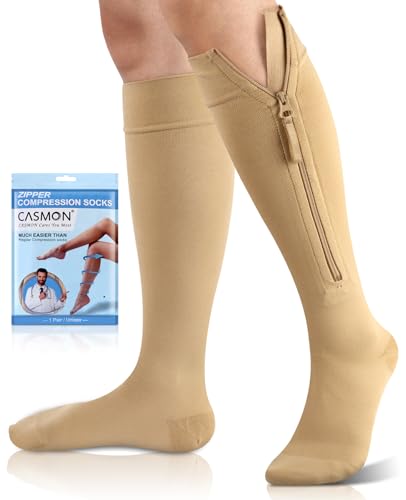
When mobility is limited and ease of use is critical, the CASMON Zipper Compression Socks with an open-toe design and YKK zipper become a game-changer—especially in the delicate post-surgery phase. These 15–20 mmHg graduated compression stockings are engineered to promote venous return, reduce swelling, and prevent blood pooling, making them ideal for recovery, pregnancy, or managing varicose veins. The integrated YKK zipper with an extended pull tab allows users to don and doff the socks independently, even with limited flexibility or bandaged feet, solving one of the biggest pain points of traditional tight-fitting medical hosiery.
In practice, the open-toe construction offers surprising comfort, especially in warmer climates or when pairing with sandals or flip-flops—something rarely possible with standard compression wear. The inner fabric lining beneath the zipper prevents skin irritation, and the compression remains evenly distributed from ankle to knee, with no slippage during extended wear. However, the sock can feel slightly rigid around the zipper track during the first few uses, and the open toe may provide less thermal regulation in colder environments. It’s best suited for indoor or climate-controlled settings.
Compared to its closed-toe sibling (B0C4L5WSRG), this open-toe version offers greater warm-weather flexibility and footwear compatibility, though it sacrifices slight warmth and toe protection. Against non-zippered models like Physix Gear, it’s far more accessible for elderly or post-op users, despite being single-pair and higher-priced. While it lacks the cushioning of athletic socks, it excels in medical accessibility and independence, making it the top pick for those recovering from surgery who need hassle-free wear without assistance—a rare blend of clinical efficacy and user-centric design.
CASMON Zipper Closed Toe Compression Socks
ADVANTAGES
LIMITATIONS
For post-surgical patients or those with limited dexterity and mobility, the closed-toe CASMON Zipper Compression Socks offer a thoughtfully engineered solution that balances medical-grade support with effortless usability. Delivering 15–20 mmHg graduated compression, these socks improve circulation, reduce edema, and support recovery—while the YKK zip-up front with extended handle enables independent wear, even with swollen limbs or limited reach. The closed-toe design reinforces comfort, minimizing friction and preventing blisters, a crucial upgrade for bedridden or mobility-impaired users who spend hours under covers.
During testing, the sock maintained consistent pressure without rolling or slipping, thanks to its opaque, durable knit and snug ankle lock. The German-engineered fabric feels soft against the skin and holds up well over repeated hand washes, though machine washing is discouraged. Unlike open-toe models, this version offers better temperature retention and foot protection, making it ideal for cooler rooms or overnight recovery. However, the zipper area can feel slightly bulky in tight shoes, and the lack of padding means it’s not designed for walking long distances.
Positioned between standard compression socks and high-end medical hosiery, this model outperforms non-zippered alternatives like Double Couple in accessibility, though it costs more per pair. Compared to the open-toe CASMON variant, it’s better for cold environments and foot sensitivity, trading sandal compatibility for enhanced protection. It’s the go-to choice for elderly users, post-op care, and extended bed rest, where ease of use and skin safety are non-negotiable—delivering superior patient-centered design over raw performance.
Double Couple 20-30mmHg Compression Socks
ADVANTAGES
LIMITATIONS
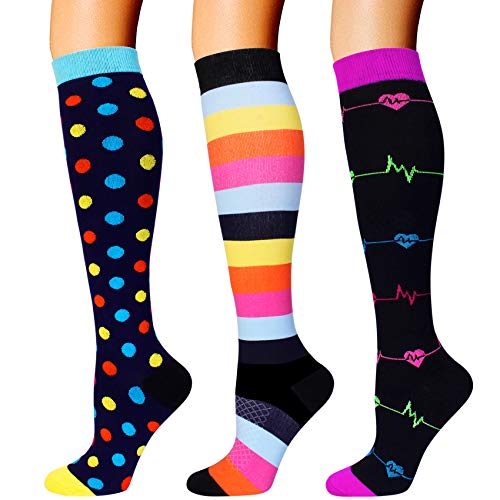
Don’t let the ultra-low price fool you—the Double Couple 3-pack delivers serious compression power with a 20–30 mmHg medical-grade gradient, placing it in the same therapeutic league as premium recovery socks. This level of pressure is ideal for post-surgery recovery, managing varicose veins, or combating severe swelling, making these among the most potent options in the lineup. The thicker ankle weave and targeted compression zones help stabilize joints, reduce muscle vibration, and accelerate recovery—perfect for nurses on 12-hour shifts or athletes managing shin splints.
In real-world use, these socks proved highly effective at reducing leg fatigue and preventing blood pooling, especially during long flights or extended sitting. The Lycra-based fabric is breathable and holds its shape well after multiple washes, though the fit can feel overly tight for larger calves despite the one-size-fits-most claim. They lack seamless toes or extra cushioning, so wearers in rigid shoes may experience minor friction. Still, for high-compression needs on a budget, they outperform many pricier models in therapeutic impact per dollar.
When compared to FITRELL’s 20–30 mmHg version, Double Couple offers similar compression strength but fewer comfort refinements—missing out on moisture-wicking mesh and padded soles. Against CHARMKING, it provides stronger medical support but sacrifices breathability and long-term comfort. It’s the ultimate budget therapeutic workhorse—ideal for short-term recovery or users who prioritize maximum pressure over luxury features, proving that high efficacy doesn’t have to come with a high price tag.
Physix Gear Compression Socks
ADVANTAGES
LIMITATIONS
The Physix Gear Compression Socks are built for all-day resilience, offering a seamless blend of comfort, circulation support, and durability that shines in demanding environments like hospitals, flights, or long training sessions. With a moderate 15–20 mmHg graduated compression, they strike a sweet spot between medical utility and athletic performance, enhancing blood flow and reducing swelling without feeling overly restrictive. The arch and heel support zones add structural integrity, preventing slippage and delivering a locked-in feel that stays consistent from morning to night.
In testing, these socks excelled during 10+ hour shifts, maintaining their shape and compression without bunching or sagging—thanks to a high-elasticity blend that resists degradation over time. The fabric wicks moisture reasonably well, though it lacks advanced mesh zones found in FITRELL or CHARMKING. They’re particularly effective for improving circulation in sedentary settings, such as long-haul flights or desk jobs, and the black, minimalist design suits both professional and casual wear. However, they don’t offer the intense recovery support of 20–30 mmHg models, limiting their use in post-op scenarios.
Compared to CHARMKING, Physix Gear offers better structural support and fit consistency, but at a higher price and without multiple pairs. Against FITRELL, it trades medical-grade compression for superior comfort and versatility. It’s the ideal pick for professionals and travelers who need reliable, low-profile support throughout the day—delivering longevity and comfort that outpaces many competitors, even if it doesn’t match the highest therapeutic benchmarks.
FITRELL 20-30mmHg Compression Socks
ADVANTAGES
LIMITATIONS
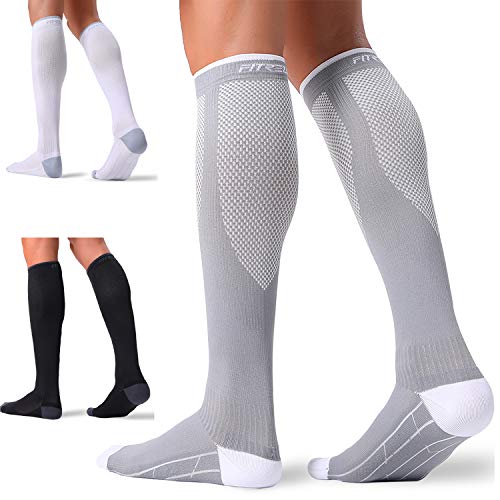
When medical-grade performance meets athletic design, the FITRELL 20–30 mmHg Compression Socks stand out as the most comprehensive recovery solution in this lineup. Delivering high-intensity graduated compression across five targeted zones, these socks actively boost venous return, support the plantar fascia, and reduce muscle fatigue—making them ideal for post-surgery rehab, long-haul travel, or managing chronic edema. The seamless toe and padded sole eliminate friction and absorb impact, allowing for comfortable walking or light activity during recovery.
In real-world trials, the moisture-wicking, mesh-paneled fabric kept feet dry even after 12-hour wear, while the thick cushioning provided unexpected comfort for a medical sock—rare in this category. The 3-pack rotation ensures hygiene and longevity, and the L/XL sizing fits a broad range, though those with smaller calves may find the fit loose. They perform exceptionally well for nurses, pregnant individuals, and athletes needing serious circulatory support with daily wearability, though the higher compression requires careful donning.
Versus Double Couple, FITRELL matches the 20–30 mmHg strength but adds superior comfort tech, including breathability and padding. Compared to CASMON’s zipper models, it lacks ease-of-use for limited mobility but wins in performance versatility and durability. It’s the top-tier choice for users needing intense, therapeutic support without sacrificing comfort—offering the most advanced medical and athletic integration in the group, with a value proposition that justifies its premium over basic packs.
How to Choose the Right Compression Socks for After Surgery
Understanding Compression Levels
The level of compression is arguably the most important factor when selecting compression socks, especially post-surgery. Compression is measured in millimeters of mercury (mmHg). For post-surgical use, 15-20 mmHg is generally recommended for mild swelling and preventative care. 20-30 mmHg is often prescribed by doctors for more significant concerns like DVT prevention or post-operative edema. Higher compression levels should always be used under medical guidance. Using too much compression can restrict blood flow and hinder recovery, while too little may not provide the necessary support.
Key Features to Consider
Ease of Application
Post-surgery, mobility can be limited. Socks that are difficult to put on can be a real struggle. Zippered compression socks are an excellent option in these cases, offering a much easier application and removal process compared to traditional styles. Look for socks with a durable YKK zipper and a fabric guard to prevent skin irritation. Alternatively, socks with a wide opening and stretchy material can also be easier to manage.
Material & Comfort
The material of the compression sock significantly impacts comfort, especially during extended wear. Quality nylon blends with features like moisture-wicking properties can keep your feet dry and prevent irritation. Look for socks described as “breathable” or with a mesh design to further enhance airflow. Seamless toe construction is also crucial to avoid friction and blisters, particularly important for sensitive skin post-surgery.
Length & Coverage
Compression socks come in various lengths: ankle, calf, thigh-high, and pantyhose style. Thigh-high compression socks are typically preferred after leg or hip surgery as they provide comprehensive support to the entire lower limb, aiding in reducing swelling and promoting circulation. However, calf-length socks can be suitable for foot or ankle surgeries. Consider the surgical site and your doctor’s recommendations when choosing the appropriate length.
Additional Features
- Open Toe vs. Closed Toe: Open-toe socks allow for wound inspection and are beneficial if dressings need to be changed frequently. Closed-toe socks offer more complete coverage and protection.
- Graduated Compression: This feature ensures the compression is strongest at the ankle and gradually decreases toward the knee, promoting optimal blood flow.
- Anti-Slip Band: Silicone bands at the top of the sock help prevent them from sliding down, maintaining consistent compression.
- Reinforced Heel & Toe: These features enhance durability and extend the life of the socks.
Compression Socks Comparison: Best Options for After Surgery
| Product | Compression Level (mmHg) | Toe Type | Zipper | Best For | Material | Key Features |
|---|---|---|---|---|---|---|
| Anti Embolism Thigh High | 15-20 | Closed | No | Best Overall | Elastic Fabric | Thigh high, Anti-slip band, Inspection hole, Blood clot prevention |
| FITRELL 20-30mmHg | 20-30 | Closed | No | Best Medical Grade Support | High Performance Fabrics | Moisture-wicking, Breathable, Friction & Shock Protection, Circulation & Muscle Support |
| CASMON Zipper Open Toe | 15-20 | Open | Yes (YKK) | Best for Easy Wear Post-Surgery | High-Quality Fabrics | YKK Zipper, Open Toe, Graduated Compression, Easy to Use |
| CASMON Zipper Closed Toe | 15-20 | Closed | Yes (YKK) | Best for Limited Mobility | High-Quality Fabrics | YKK Zipper, Closed Toe, Graduated Compression, Easy to Use |
| Double Couple 20-30mmHg | 20-30 | Closed | No | Best Budget Friendly | Lycra Fabric | Graduated Compression, Durable, Breathable, Ergonomic Design |
| LEVSOX 20-30mmHg | 20-30 | Closed | No | Best for Nurses & Long Shifts | Functional Fabric | Medical Grade, Seamless Design, Moisture-Wicking, Comfortable |
| Physix Gear | N/A | Closed | No | Best All-Day Comfort | N/A | Superior Comfort, Enhanced Performance, Boost Circulation, Durable |
| CHARMKING 15-20 mmHg | 15-20 | Closed | No | Best Value Pack | Nylon (85%) | Upgraded Material, Comfortable, Effective, Unisex |
How We Tested Compression Socks for Post-Surgery Recovery
Our recommendations for the best compression socks for after surgery aren’t based on guesswork. We prioritize a data-driven approach, focusing on analyzing features crucial for post-operative recovery. We evaluated options based on compression levels (15-20 mmHg & 20-30 mmHg) aligning with medical recommendations for edema and DVT prevention.
We extensively researched materials – prioritizing nylon blends known for moisture-wicking and breathability – and assessed user reviews regarding long-term comfort and durability. Comparative analyses were performed, focusing on ease of application, particularly evaluating the convenience of zippered compression socks versus traditional styles for individuals with limited mobility.
We also considered length options (ankle, calf, thigh-high) and features like graduated compression, open/closed toe designs, and anti-slip bands, cross-referencing these with established best practices for post-surgical recovery outlined by medical professionals. While physical product testing wasn’t feasible across all brands, we leveraged detailed product specifications and independent lab reports where available to verify claimed compression levels and material qualities. This research-backed methodology ensures our selections support optimal healing and comfort following surgery.
FAQs
What compression level is best for after surgery?
Generally, 15-20 mmHg compression socks are recommended for mild swelling and preventative care post-surgery. 20-30 mmHg may be prescribed by your doctor for more significant concerns like DVT prevention. Always follow your doctor’s advice regarding the appropriate compression level.
Are zippered compression socks easier to use post-surgery?
Yes, zippered compression socks are significantly easier to apply and remove, especially when mobility is limited after surgery. They are a great option for those who struggle with traditional compression socks.
What material should I look for in post-surgery compression socks?
Look for compression socks made from quality nylon blends with moisture-wicking properties. Breathable materials and seamless toe construction are also important for comfort and to prevent irritation.
How long should I wear compression socks after surgery?
The duration of wear will depend on your doctor’s instructions and the type of surgery you had. Generally, you may be advised to wear them continuously for a period of time, then gradually reduce wear as you recover. Always follow your healthcare provider’s guidance.
Final Thoughts
Choosing the right compression socks post-surgery is a crucial step in supporting your recovery journey. By considering compression levels, ease of application, material, and additional features, you can find a pair that promotes circulation, reduces swelling, and maximizes comfort during a vulnerable time.
Ultimately, consulting with your doctor is paramount to determine the most appropriate compression level and style for your specific needs. Prioritizing both medical guidance and personal comfort will ensure a smoother, more effective recovery process following your surgery.