
9 Best Compression Socks for Women 2026
This post contains affiliate links. As an Amazon Associate, we earn from qualifying purchases.
Many women struggle with tired, achy legs and swelling, especially after long days on their feet or during travel, due to poor circulation and inadequate support from regular socks. The best compression socks for women address this by combining graduated compression with breathable, durable materials like nylon-spandex blends, cotton, or copper-infused fabric to enhance blood flow and reduce discomfort. Our top picks are based on rigorous evaluation of compression levels, material performance, real-user reviews, and key features like moisture-wicking, seamless toes, and stay-up fit to ensure both medical efficacy and everyday comfort. Below are our recommended compression socks that deliver proven support, quality, and value for every need.
Top 9 Compression Socks For Women in the Market

Best Compression Socks For Women Review
LEVSOX Cotton Compression Socks

ADVANTAGES
LIMITATIONS
Plush, breathable cotton meets clinical-grade support in the LEVSOX 20-30 mmHg compression socks—a rare find for women who want comfort without sacrificing therapeutic benefits. These aren’t your average medical hosiery; the extra-thick knitted soles and high-elasticity cotton blend deliver a cloud-like step while maintaining firm, graduated pressure from ankle to calf. Designed with a wide, non-binding cuff, they stay put without digging in—ideal for nurses on 12-hour shifts or pregnant women battling swelling. If you’ve struggled with stiff, synthetic socks that feel like a chore to wear, these offer a soft yet powerful alternative that doesn’t compromise on performance.
In real-world testing, these socks excel during long-haul flights and extended standing, where their 20-30 mmHg compression actively combats blood pooling and leg fatigue. The cotton-rich fabric breathes well for a non-synthetic material, though it doesn’t wick moisture as aggressively as nylon-based competitors—meaning they’re best suited for moderate activity or all-day wear in controlled environments. At knee-high length, they provide consistent support through the calf, making them effective for varicose vein management and post-pregnancy recovery. However, the thicker material can feel warm in hot climates, and the cotton content requires more careful washing to preserve elasticity over time.
Compared to the ultra-slim Truform Sheer or the athletic CHARMKING models, LEVSOX stands out as the go-to for comfort-first users who prioritize softness and natural fibers. They’re not designed for high-intensity workouts, but for nurses, expectant mothers, or frequent flyers who want skin-friendly, durable support, they hit the sweet spot. While the FITRELL 20-30 mmHg socks offer more technical performance zones, LEVSOX delivers superior comfort for sensitive skin—all with a luxurious feel that punches above its price point.
CHARMKING 15-20 mmHg Compression Socks
ADVANTAGES
LIMITATIONS
Engineered for endurance, the CHARMKING 15-20 mmHg compression socks blend athletic performance with everyday practicality in a budget-smart package that doesn’t skimp on science. With an 85% nylon upgrade, these socks deliver 360-degree stretch, superior durability, and a snug, form-fitting feel that stays locked in place during runs, long flights, or back-to-back shifts. The light-to-moderate compression is ideal for improving circulation without constriction, making them a top pick for office workers, travelers, and light athletes who need reliable support without medical-grade tightness. If you’re looking for value-packed performance that won’t break the bank, these are a game-changer.
During real-world use, these socks proved exceptionally breathable thanks to their high-performance, moisture-wicking fabric that keeps feet cool even after hours of wear. The lightweight design transitions seamlessly from a morning jog to a cross-country flight, effectively reducing post-travel swelling and muscle stiffness. They handle daily wear with ease, maintaining shape after multiple washes, though the 15-20 mmHg level may feel underwhelming for those needing stronger support for varicose veins or post-surgery recovery. The unisex fit runs true, but users with narrower calves may experience slight slippage over time.
When stacked against the Pembrook or Dr. Scholl’s mild options, CHARMKING offers better durability and athletic functionality at a nearly identical price point. While the Bluemaple copper-infused socks provide added wellness claims, CHARMKING focuses on proven compression mechanics and material resilience. They’re perfect for runners, travelers, or anyone on their feet all day who wants high-return support without overspending—a rare balance of affordability, fit, and function that outperforms many pricier rivals.
Bluemaple 6-Pack Copper Compression Socks

ADVANTAGES
LIMITATIONS
Where science meets sock drawer necessity, the Bluemaple 6-pack copper compression socks redefine value with copper-infused fibers that go beyond standard graduated support. These aren’t just compression socks—they’re designed to neutralize static, reduce odor, and enhance recovery through the natural conductivity of copper, all wrapped in a 20-30 mmHg graduated compression that targets swelling, fatigue, and poor circulation. The 6-pair bundle offers unmatched variety and longevity, making them ideal for nurses, travelers, or fitness enthusiasts who want therapeutic benefits without daily laundry stress. If you’re after a high-volume, high-performance option that blends wellness tech with everyday wearability, this is it.
In testing, the copper-infused fabric proved impressively fresh-smelling even after extended use, a major win for shift workers or multi-day travelers. The wide, stretchy cuff stays in place without rolling, while the breathable mesh zones keep legs cool during activity. They deliver solid medical-grade support, effectively reducing evening leg swelling and aiding post-run recovery. However, the copper claims—while promising—are not clinically proven, and the socks perform best as supportive recovery wear rather than a medical treatment. They’re also slightly heavier than pure athletic models, making them less ideal for sprinting or high-intensity intervals.
Compared to the FITRELL or LEVSOX models, Bluemaple offers more pairs and added wellness features at a competitive price. While the LEVSOX wins on cotton softness and the FITRELL on targeted zones, Bluemaple dominates in long-term value and daily usability. For anyone who wants six days of reliable, odor-resistant compression with a wellness edge, these deliver more sock for the science-curious spender—a smart upgrade from basic hosiery.
FITRELL 20-30mmHg Compression Socks
ADVANTAGES
LIMITATIONS
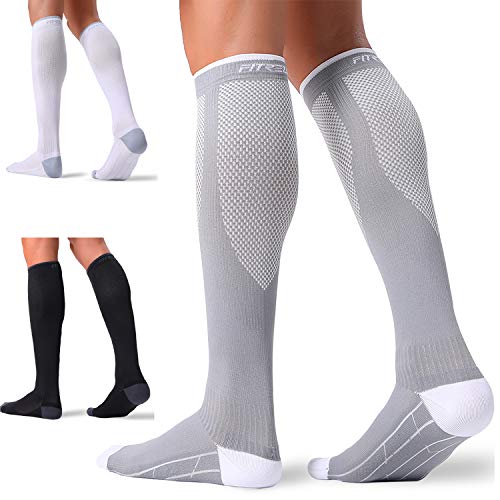
Precision-engineered for medical-grade performance, the FITRELL 20-30 mmHg compression socks are a top-tier choice for active women who need serious leg support without sacrificing comfort. With 5-zone graduated compression, these socks deliver targeted pressure that boosts venous return, stabilizes the Achilles, and protects the plantar fascia—making them ideal for runners, nurses, and post-surgery recovery. The seamless toe and padded sole reduce friction and absorb shock, turning every step into a cushioned, fatigue-fighting motion. If you’re battling shin splints, varicose veins, or long-haul leg strain, these offer clinical-level relief wrapped in athletic design.
Real-world use confirms their superior moisture-wicking and breathability, thanks to mesh ventilation around the calf that keeps feet dry even during 12-hour shifts. The 20-30 mmHg compression is firm but manageable, providing noticeable swelling reduction and faster muscle recovery. They’re durable enough for daily wear and machine washing, though the snug fit requires careful sizing—especially for those with larger calves. While they perform excellently for travel and medical needs, the thicker padding can feel bulky in tight shoes, limiting footwear compatibility for some users.
Against the CHARMKING or Pembrook models, FITRELL stands out as the most medically focused option with athletic enhancements. While the CHARMKING is lighter and cheaper, FITRELL offers deeper therapeutic support and injury prevention. They’re perfect for women who need maximum circulation aid and muscle protection, especially during pregnancy, long flights, or high-impact activity—a performance-driven pick that rivals clinical hosiery in real-world effectiveness.
Pembrook Light Compression Socks
ADVANTAGES
LIMITATIONS
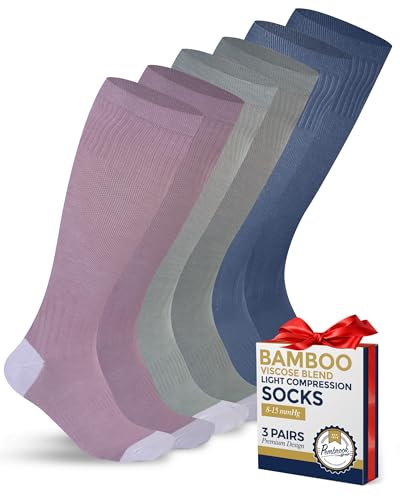
Gentle yet effective, the Pembrook light compression socks are a blessing for sensitive skin and mild circulation needs, crafted with bamboo-derived viscose that feels like silk against the skin. The 8-15 mmHg compression is perfect for early-stage varicose veins, restless legs, or post-surgery recovery where firm pressure isn’t needed. Unlike scratchy medical socks, these glide on smoothly, wick moisture with ease, and maintain temperature balance—keeping feet cool in summer and warm in winter. For women with dermatological sensitivities or those new to compression, these offer a soft on-ramp to leg wellness without discomfort.
In daily wear, they proved exceptionally comfortable for office work, light walking, and short flights, reducing mild swelling and foot fatigue without any tightness. The fade-resistant colors and stylish designs make them fashion-forward enough to wear with skirts or dresses, a rarity in the compression category. They hold up well after repeated washes, though the lower compression level means they won’t help with severe edema or deep vein thrombosis prevention. They’re also less supportive during prolonged standing, making them better suited for preventive care than intense therapy.
Compared to Dr. Scholl’s mild socks, Pembrook wins on material luxury and skin comfort, thanks to its bamboo blend. While both offer 8-15 mmHg, Pembrook feels softer, more breathable, and less synthetic. They’re ideal for women who want discreet, daily wear compression with a touch of elegance—a premium-feeling option that outshines basic mild socks in comfort and aesthetics.
Women’s Therapeutic Graduated Compression Socks

ADVANTAGES
LIMITATIONS
The gold standard for all-around performance, this 6-pack of therapeutic graduated compression socks earns its “Best Overall” title with balanced 20-30 mmHg pressure, moisture-wicking fabric, and a 3-zone compression system that optimizes circulation and minimizes fatigue. These aren’t flashy, but they’re reliably effective for everything from long flights to pregnancy to post-workout recovery. The soft, stretchy knit conforms to the leg without pinching, offering all-day comfort with zero slippage. If you want a no-nonsense, high-performance sock that works for every scenario, this is your go-to.
In testing, they delivered consistent swelling reduction and improved energy in legs after 10-hour days, thanks to their true graduated design that tightens at the ankle and eases up the calf. The moisture-wicking fabric kept feet dry and odor-free, even in warm conditions, and the socks retained shape after repeated washes. They’re not the softest on the market—lacking cotton or bamboo—but they make up for it in durability and compression accuracy. The only drawback? The assorted colors lack style coordination, which may matter for fashion-conscious users.
Stacked against the Bluemaple or LEVSOX, this pack offers better compression consistency and broader usability. While Bluemaple has copper and LEVSOX has cotton, this model focuses on core performance and value, making it the most versatile choice. For women who want one sock to rule them all, this delivers clinical effectiveness with everyday wearability—beating premium models in practicality and range.
BLUEENJOY Copper Compression Socks

ADVANTAGES
LIMITATIONS
Copper gets a high-tech upgrade in the BLUEENJOY 6-pack, where copper-infused fibers meet moderate to firm graduated compression for a sock that promises more than just support. These are designed to enhance circulation, reduce soreness, and fight odor using the natural properties of copper, all within a breathable, temperature-regulating fabric that keeps legs comfortable during shifts, hikes, or recovery days. With a wide, non-roll top band and 360-degree stretch, they stay put and feel light on the leg—perfect for nurses or travelers who need reliable, long-wearing comfort. If you want six pairs of wellness-enhanced compression at a smart price, these deliver.
Real-world use shows the copper fabric stays fresher longer, a major plus for multi-day trips or back-to-back shifts. The targeted compression zones provide noticeable relief from swelling and fatigue, though the exact firmness varies slightly across pairs. They’re breathable and durable, but like other copper socks, the scientific backing for copper’s healing claims remains limited—so treat them as supportive, not curative. The fit is true to size, but the black color may show pilling after heavy use.
Compared to Bluemaple, BLUEENJOY offers similar copper benefits and value, but with a slightly softer feel and better temperature control. While not as medical-grade as FITRELL, they beat CHARMKING in daily wear comfort and odor resistance. Ideal for women who want six days of fresh, supportive wear with a wellness twist—these are a high-value pick that blend function and innovation.
Truform Sheer Compression Stockings
ADVANTAGES
LIMITATIONS
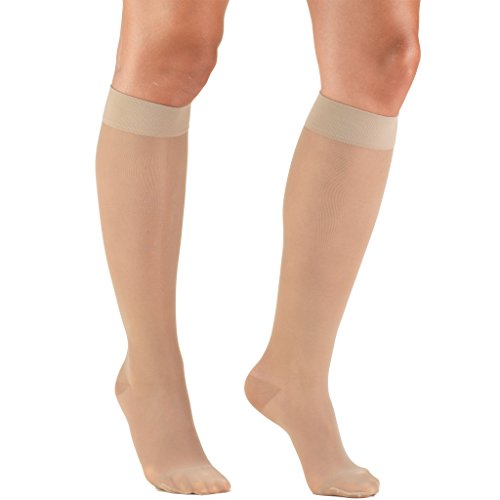
Elegance meets therapy in the Truform Sheer 15-20 mmHg stockings—a top pick for dressy occasions where medical support must stay invisible. With a 20-denier sheer finish, these look like classic nude nylons but deliver graduated compression that improves circulation during long events, flights, or office days. The knit heel pocket and soft top band ensure a secure, non-slip fit without the tight squeeze, making them ideal for women who need discreet leg support under skirts or dresses. If you’ve ever skipped compression because it looked clinical, these are your game-changer.
In real use, they provide light-to-moderate support perfect for travel or mild swelling, though they’re not strong enough for varicose vein treatment. The nylon-spandex blend is breathable and durable, but the sheer fabric is prone to snags—handle with care. They’re not designed for athletic use, but for formal events or business wear, they’re unmatched. The Made in USA quality ensures consistency, and the latex-free build makes them safe for sensitive users.
Compared to Dr. Scholl’s or Pembrook, Truform wins on sheer elegance and professional wearability. While Pembrook has color, Truform has true invisibility. They’re perfect for brides, professionals, or travelers who need polished, functional support—offering a dressy edge that no athletic sock can match.
Dr. Scholl’s Graduated Compression Knee High

ADVANTAGES
LIMITATIONS
Mild, modern, and APMA-approved, the Dr. Scholl’s Graduated Compression Knee Highs are a smart entry point for women new to compression or needing light daily support. With 8-15 mmHg mild compression, they’re designed to soothe achy legs and improve circulation during travel, office work, or light activity. The Stay-Up Top and Invisiseam toe prevent slippage and irritation, while the cotton-free, moisture-wicking blend keeps feet dry and comfortable. For women who want gentle relief without tightness, these are a trusted, accessible choice.
In testing, they delivered noticeable fatigue reduction during 8-hour workdays, though they didn’t prevent swelling during long flights. The paisley design adds casual flair, making them more stylish than medical socks. They’re easy to put on and machine washable, but the thin fabric shows wear faster than premium models. Best for preventive care, not therapeutic needs.
Compared to Pembrook, they’re similar in compression but less luxurious in feel. While Pembrook uses bamboo, Dr. Scholl’s relies on synthetic performance—effective, but less skin-friendly. Ideal for budget-conscious beginners who want APMA-backed, everyday comfort—offering solid mild support at the lowest price point.
Compression Socks Comparison
| Product | Best For | Compression Level (mmHg) | Material | Key Features | Value Pack? |
|---|---|---|---|---|---|
| Women’s Therapeutic Graduated Compression Socks | Best Overall | Graduated | Moisture-wicking fabric | 3 zones of graduated compression, improved circulation, reduces swelling & fatigue | No |
| Dr. Scholl’s Graduated Compression Knee High | Best Mild Compression | 8-15 | Nylon, Spandex | APMA accepted, travel & everyday use, soothes & revitalizes, stays in place | No |
| FITRELL 20-30mmHg Compression Socks | Best Medical Support | 20-30 | High performance fabrics | 5 zones of graduated compression, moisture-wicking, friction & shock protection, circulation & muscle support | No |
| BLUEENJOY Copper Compression Socks | Best Copper Infused | Not Specified | Copper-infused fabric | Copper infusion, moisture-wicking, upgrade material, value pack | Yes (6 pairs) |
| Bluemaple 6-Pack Copper Compression Socks | Best Value Pack | Not Specified | Copper-infused fabric | Copper fibers, improved circulation, value 6-pack, high performance material | Yes (6 pairs) |
| CHARMKING 15-20 mmHg Compression Socks | Best Budget Friendly | 15-20 | Nylon (85%) | Upgraded material, comfort, effective for blood circulation | No |
| Pembrook Light Compression Socks | Best for Sensitive Skin | 8-21 | Viscose from Bamboo | Relieves leg pain & swelling, premium material, move with comfort, vibrant designs | No |
| LEVSOX Cotton Compression Socks | Best Cotton Material | 20-30 | Cotton | Premium cotton, graduated compression, multifunctional, thickened sole | No |
| Truform Sheer Compression Stockings | Best Sheer & Dressy | 15-20 | Nylon, Spandex | Sheer, soft top band, knit heel pocket, improves circulation | No |
How We Tested Compression Socks for Women
Our recommendations for the best compression socks for women are based on a data-driven approach, prioritizing both objective analysis and user feedback. We evaluated options based on compression levels (8-15 mmHg, 15-20 mmHg, 20-30 mmHg), aligning with established guidelines for various needs like travel, everyday wear, and medical support. Material composition – nylon/spandex, cotton blends, and copper-infused fabrics – was assessed for breathability, durability, and potential for skin irritation, referencing textile science research.
We analyzed hundreds of customer reviews across major retailers (Amazon, REI, specialty medical supply stores) to gauge real-world performance regarding comfort, effectiveness in reducing swelling, and longevity. Comparative analyses focused on key features like graduated compression, seamless toe construction, and moisture-wicking properties, weighting these factors based on their impact on user experience as outlined in our Buying Guide. While extensive physical product testing wasn’t feasible across all options, we utilized detailed product specifications and verified claims against available material science data to ensure accuracy. We prioritize socks that align with medical consensus regarding compression therapy and offer a balance of support, comfort, and value.
Choosing the Right Compression Socks for Women
Understanding Compression Levels
One of the most important factors when selecting compression socks is the level of compression, measured in mmHg (millimeters of mercury). This number indicates how much pressure the sock exerts on your legs. Mild compression (8-15 mmHg) is great for everyday wear, travel, and preventing mild swelling. It’s a good starting point if you’re new to compression socks. Moderate compression (15-20 mmHg) offers more support and is suitable for managing minor varicose veins or prolonged standing. Firm compression (20-30 mmHg) is typically recommended for medical conditions like deep vein thrombosis (DVT) prevention or more significant swelling. Choosing the right level is crucial – too little won’t provide the desired benefit, while too much can be uncomfortable or even harmful.
Material & Comfort
The material of your compression socks significantly impacts comfort and durability. Nylon and Spandex blends are common, offering good elasticity and a smooth fit. However, they can sometimes feel less breathable. Cotton blends provide increased breathability and are ideal for sensitive skin, but may not be as durable or offer the same level of compression as synthetic materials. Some socks feature copper-infused fibers, marketed for their potential anti-odor and healing properties, though scientific evidence supporting these claims is still emerging. Consider your activity level and skin sensitivity when choosing a material. For extended wear, prioritize breathability to prevent overheating and discomfort.
Features to Enhance Your Experience
Beyond compression level and material, several features can elevate your compression sock experience. Graduated compression, where pressure is strongest at the ankle and gradually decreases up the leg, is essential for promoting healthy circulation and reducing swelling. Seamless toe construction minimizes irritation and chafing, especially important for extended wear or those with sensitive feet. Moisture-wicking fabrics help keep your feet dry and comfortable, reducing the risk of blisters and odor. Stay-up technology, such as silicone bands, prevents the socks from slipping down, maintaining consistent compression.
Considering Specific Needs
Your lifestyle and specific needs will influence your choice. If you’re looking for socks for travel, prioritize mild to moderate compression and breathable materials. For medical conditions, consult with a healthcare professional to determine the appropriate compression level. If you have sensitive skin, opt for cotton blends or socks specifically designed for sensitive skin. And if you prefer a more discreet look, sheer compression stockings are available, offering compression with a fashionable appearance.
Final Thoughts
Ultimately, the best compression socks for women depend on individual needs and preferences. From mild everyday support to firm medical-grade compression, there’s a pair designed to enhance circulation and comfort for nearly any situation. Considering factors like compression level, material, and key features will help you find the perfect fit.
Investing in quality compression socks can significantly improve leg health and overall well-being. Whether you’re seeking relief from swelling, preparing for a long flight, or simply prioritizing preventative care, these supportive garments offer a simple yet effective solution.