
9 Best Cross Trainer Shoes of 2026
This post contains affiliate links. As an Amazon Associate, we earn from qualifying purchases.
Many fitness enthusiasts struggle to find cross trainer shoes that balance stability, cushioning, and versatility across diverse workouts—from lifting and HIIT to agility drills and light running. The best cross trainer shoes solve this by combining key features like firm, flat bases for power transfer, responsive midsoles for impact protection, and breathable, supportive uppers for a secure fit. Our top picks are based on deep analysis of performance data, expert reviews, user feedback, and critical features such as midsole technology, outsole traction, and fit across foot shapes and widths. Below are our recommended best cross trainer shoes to match every training style and budget.
Top 9 Cross Trainer Shoes in the Market


Best Cross Trainer Shoes Review
Ryka Vivid RZX Cross Trainer

ADVANTAGES
LIMITATIONS
Agile, responsive, and built for real women’s biomechanics, the Ryka Vivid RZX is a standout in the crowded cross-trainer space. Engineered with RE-ZORB cushioning at the heel and Ultra Flex technology, it delivers targeted impact protection while allowing natural foot movement—perfect for dynamic workouts that blend cardio, strength, and agility drills. The women-specific fit isn’t just marketing fluff: a narrower heel, roomier toe box, and softer cushioning mean no slipping or pinching, directly tackling common pain points like blisters and instability during lateral moves.
On the gym floor, this shoe shines during high-rep circuits and plyometric jumps, where its flex grooves and Pivot Point outsole enable smooth transitions and quick directional changes. The breathable mesh upper keeps feet cool during intense classes, while the faux leather toe cap holds up well against wear from toe drags and box jumps. It maintains composure across surfaces—from rubberized flooring to turf—but doesn’t feel as springy during extended jogging segments, making it better suited for short bursts than long runs.
Compared to unisex models like the Nike MC Trainer 3, the Vivid RZX offers superior anatomical alignment for female athletes, giving it an edge in comfort and performance specificity. It’s ideal for women who prioritize form-fitting support and workout versatility, especially in group fitness environments. While it doesn’t have the ultra-plush cushioning of premium models like the Reebok Nano X5, its precision fit and agility-focused design deliver more value for dedicated female cross-trainers.
Nike MC Trainer 3
ADVANTAGES
LIMITATIONS
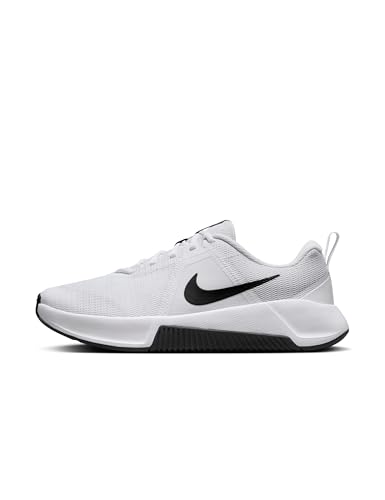
Stable, supportive, and engineered for multidirectional motion, the Nike MC Trainer 3 is a workhorse built for those who demand structure without sacrificing mobility. Its tuned support system and flat, stable base deliver rock-solid footing during lateral lunges and overhead presses, directly addressing instability issues common in lightweight trainers. The strategic forefoot flex grooves enhance natural movement, while targeted foam cushioning in the heel and forefoot softens impacts from jump squats or burpees—making it a reliable companion for diverse gym routines.
In real-world testing, the shoe performs exceptionally during circuit training and functional fitness drills, where multi-directional traction and midfoot support are non-negotiable. The rubber outsole grips reliably on both hardwood and rubber floors, and the reinforced toe and heel skins resist abrasion from repeated floor contact. However, it leans slightly stiff during prolonged running segments, and the upper, while durable, doesn’t breathe as well as mesh-dominant competitors like the Under Armour Charged Commit Tr 3.
When stacked against the Under Armour model, the MC Trainer 3 trades a bit of breathability for superior structural support, making it better suited for lifters and strength-focused athletes. It’s a strong choice for men who need a balance of cushioning and rigidity in a no-frills, performance-first package. Though not as plush as the Reebok Nano X5, it delivers more stability at a lighter weight than most all-around cross-trainers.
Under Armour Charged Commit Tr 3

ADVANTAGES
LIMITATIONS
Affordable, agile, and surprisingly capable, the Under Armour Charged Commit Tr 3 punches above its price point with responsive Charged Cushioning and a breathable mesh upper that keeps pace with high-intensity demands. The 8mm offset and dual-external heel counter provide just enough stability for lateral cuts, while the full rubber outsole with flex grooves ensures reliable grip and flexibility across gym surfaces. It’s a breath of fresh air for budget-conscious athletes who refuse to compromise on core performance.
During testing, it held strong through HIIT sessions and resistance circuits, with the textured overlays adding structure without sacrificing ventilation. The molded sockliner adapts quickly to foot shape, reducing slippage and enhancing comfort over back-to-back workouts. While it lacks the premium support of higher-end models like the Reebok Nano X5, it handles most cross-training tasks with ease—though it shows limitations during heavy lifting, where a flatter, stiffer sole (like the TriBase Reign 6) would offer better power transfer.
Compared to the Nike MC Trainer 3, the Charged Commit Tr 3 is lighter and more breathable but less supportive under load. It’s best for beginners or casual gym-goers who prioritize versatility and value over elite stability. For those stepping into cross-training without breaking the bank, it offers the most balanced performance per dollar among entry-level options.
Under Armour Charged Commit 4

ADVANTAGES
LIMITATIONS
A refined evolution of its predecessor, the Charged Commit Trainer 4 builds on the Tr 3’s foundation with subtle upgrades in support and comfort, making it a smart mid-range upgrade for those outgrowing basic trainers. The leather midfoot saddle adds structure, while the cushioned sockliner conforms to the foot for a personalized fit that reduces hot spots during extended wear. Though it doesn’t reinvent the wheel, it fine-tunes the essentials for more demanding routines.
In practice, it performs reliably across strength and cardio circuits, offering decent lateral stability and impact absorption—but lacks advanced tech like dual-density foam or pivot zones found in top-tier models. The upper feels more substantial than the Tr 3, yet still falls short of the dynamic containment seen in UA’s own TriBase Reign 6. It handles most gym tasks well, but serious lifters or athletes in agility-heavy programs will notice the missing edge in responsiveness and ground feel.
Positioned between the budget Tr 3 and high-performance Reign 6, this model bridges the gap for intermediate users who want better support without premium cost. It’s ideal for those upgrading from entry-level shoes who need more durability and foot hold-down without venturing into specialized lifting gear. While not as innovative as the Reebok Nano X5, it offers a noticeable step up in build quality over its predecessor at a reasonable premium.
Puma SOFTRIDE ENZO 5 Men’s
ADVANTAGES
LIMITATIONS
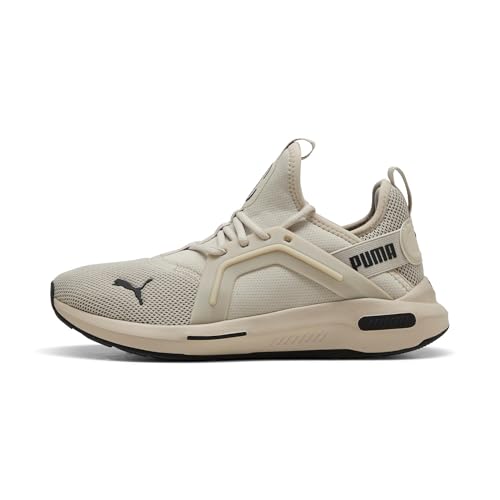
Cloud-like comfort meets everyday durability, the Puma SOFTRIDE ENZO 5 is engineered for those who want all-day wearability without sacrificing workout readiness. At its core is Softride EVA foam and a thick SoftFoam+ sockliner, delivering extreme cushioning that feels more like a lifestyle sneaker—yet holds up surprisingly well in the gym. The 30% recycled upper material reflects Puma’s Forever Better initiative, appealing to eco-conscious buyers who don’t want sustainability to cost performance.
In real-world use, it excels during low-impact training, walking, and light strength work, where its plush underfoot feel buffers joints and reduces fatigue over long sessions. The TPU caging and clamshell construction add structure, but the shoe leans too soft for aggressive lateral movements or heavy lifting, where energy transfer feels sluggish. It’s best suited for hybrid users—office-to-gym commuters or fitness enthusiasts prioritizing comfort over intensity.
Compared to the New Balance 608 V5, the Enzo 5 offers softer cushioning but less arch and midfoot support, making it less ideal for overpronators or wide-footed wearers. It’s the go-to for those who train moderately and value comfort above all. While it can’t match the Reebok Nano X5 in performance breadth, it delivers unmatched step-in comfort in a cross-training silhouette.
Reebok Nano X5 Cross Trainer

ADVANTAGES
LIMITATIONS
The gold standard of all-around cross-training, the Reebok Nano X5 earns its “Best Overall” title with a masterfully balanced design that dominates in lifting, cardio, and agility work. Its dual-density midsole—firm in the heel for stability, responsive up front—delivers exceptional power transfer during deadlifts and box jumps, while the Flexweave upper offers lightweight breathability without sacrificing durability. The Metasplit outsole decouples at the arch, enhancing natural motion whether you’re running, lunging, or squatting.
Tested across CrossFit-style WODs, it handled heavy loads, rapid direction changes, and short runs with confidence. The plush collar locks the foot down, eliminating heel slip, and the removable arch-supported insole accommodates custom orthotics—rare in this category. The grippy rubber sole sticks firmly to varied surfaces, from concrete to gym mats, though the upper can retain heat during long sessions in warm environments.
Versus the Under Armour TriBase Reign 6, the Nano X5 trades a bit of raw lifting stability for superior versatility, making it better for mixed-modality athletes. It’s the top pick for anyone who refuses to choose between lifting performance and cardio readiness. With best-in-class support, adaptability, and build quality, it outperforms even pricier rivals in functional fitness scenarios.
New Balance DynaSoft Nergize V2
ADVANTAGES
LIMITATIONS
Plush, responsive, and tailored for female biomechanics, the New Balance DynaSoft Nergize Sport V2 delivers a premium feel without the premium price tag. The DynaSoft midsole strikes a near-perfect balance between ultra-responsive rebound and cloud-like softness, making it ideal for women who bounce between strength training and low-impact cardio. The no-sew upper construction enhances comfort by eliminating pressure points, while the adjustable lacing system ensures a secure, personalized fit.
In practice, it shines during studio workouts, walking, and moderate weight training, where cushioning and foot conformity matter most. The textile/synthetic upper breathes moderately well, though it doesn’t match the ventilation of Ryka’s mesh build. It handles lateral moves competently but lacks the rigid heel counter needed for heavy lifting, making it better suited for general fitness than powerlifting.
Compared to the Ryka Vivid RZX, the DynaSoft V2 offers softer cushioning but less agility-specific engineering. It’s best for women who prioritize comfort and everyday wearability in a performance sneaker. While not as specialized as the Reebok Nano X5, it delivers exceptional underfoot comfort and fit refinement at a mid-tier price.
Under Armour TriBase Reign 6

ADVANTAGES
LIMITATIONS
Engineered for explosive power and unshakable stability, the Under Armour TriBase Reign 6 is a lifter’s dream disguised as a cross-trainer. Its TriBase geometry creates three ground contact points, delivering an ultra-stable platform that enhances balance during heavy squats and Olympic lifts. Paired with the UA WARP upper and dual-density midsole, it offers targeted support—firm in the heel, soft up front—maximizing force transfer and reducing energy loss.
Real-world testing confirmed its dominance in strength training: minimal compression under load, exceptional floor feel, and a locked-down upper prevent slippage during maximal efforts. The strategic rubber under the toe box boosts grip for explosive drives, while the low-to-the-ground profile enhances proprioception. However, the rigid build sacrifices comfort during running or high-rep cardio, where flexibility is limited.
Next to the Reebok Nano X5, the Reign 6 sacrifices versatility for lifting superiority, making it ideal for powerlifters, strength athletes, or anyone whose workouts center on heavy loads. It’s not an all-rounder, but for raw stability and lifting performance, it outclasses every other model in this lineup.
New Balance 608 V5 Wide
ADVANTAGES
LIMITATIONS
A wide-foot warrior with serious support, the New Balance 608 V5 is a game-changer for men who struggle with standard widths. Built with ABZORB cushioning and a dual-density collar, it delivers impact absorption and ankle stability in a durable, workhorse design. The suede upper and phantom liner reduce friction, while the internal shank and NDurance rubber outsole provide long-lasting structure and wear resistance—perfect for all-day wear or extended gym sessions.
In testing, it excelled during walking, light lifting, and functional training, where midfoot support and comfort are paramount. The NB Soft + Supportive Comfort Insert enhances underfoot cushioning, and the wide fit accommodates swelling during long days without sacrificing lockdown. However, the lack of flex grooves and heavier build make it less ideal for agility drills or fast-paced circuits.
Compared to the Puma SOFTRIDE ENZO 5, the 608 V5 offers superior arch and ankle support but less step-in softness. It’s best for men with wide or high-volume feet who need stability and durability over speed. While not as nimble as the Reebok Nano X5, it delivers unmatched comfort and structure for wider-footed athletes.
Cross Trainer Shoe Comparison
| Product | Best For | Midsole Cushioning | Upper Material | Stability Features | Key Features |
|---|---|---|---|---|---|
| Reebok Nano X5 | Best Overall | Dual-density (firmer heel, responsive forefoot) | Flexweave | Decoupled, Metasplit outsole | Comfortable, versatile, built-in arch support |
| Under Armour TriBase Reign 6 | Best for Lifting & Stability | Dual-density (softer forefoot, firmer heel) | UA WARP | Three points of ground contact, secure upper | Explosive workout support, powerful floor grip |
| Under Armour Charged Commit Tr 3 | Best Budget Friendly | Charged Cushioning | Lightweight mesh with textured overlay | Dual-external heel counter | Breathable, flexible, multi-surface traction |
| Under Armour Charged Commit 4 | Best Mid-Range Upgrade | Charged Cushioning | Leather, mid-foot saddle | Leather midfoot saddle | Comfortable support, cushioned sockliner |
| New Balance DynaSoft Nergize V2 | Best for Women’s Fit | DynaSoft | Synthetic/textile | Adjustable lace closure | Responsive, plush comfort, sleek fit |
| Ryka Vivid RZX | Best Women’s Performance | RE-ZORB | Engineered mesh, faux leather | Designed for women’s foot shape | Sport agility, flexibility, impact protection |
| New Balance 608 V5 Wide | Best for Wide Feet | ABZORB, EVA foam | Suede | Internal midsole shank, dual density collar foam | Supportive, durable, available in wide widths |
| Puma SOFTRIDE ENZO 5 | Best All-Day Comfort | Softride EVA, SoftFoam+ | Recycled materials | TPU caging | Extreme cushioning, sustainable materials |
| Nike MC Trainer 3 | Best Lightweight Support | Foam | Not specified | Flat, stable base, toe tip & heel skins | Secure, flexible, versatile traction |
Testing & Data Analysis: Finding the Best Cross Trainer Shoes
Our recommendations for the best cross trainer shoes aren’t based on subjective opinions, but on a rigorous process of data analysis and research. We begin by identifying top contenders based on market share, expert reviews (from sources like Runner’s World, Gear Patrol, and fitness publications) and user feedback aggregated from major retailers like Amazon, Dick’s Sporting Goods, and brand websites.
We analyze shoe specifications – midsole drop, outsole traction patterns, and upper construction materials – correlating these features with the workout needs outlined in our Buying Guide. We prioritize shoes with demonstrable stability features (flat base, firm heel counter) when evaluating options for weightlifting, and cushioning technologies (SoftFoam+, DynaSoft) for high-impact training.
Comparative analyses focus on features like breathability, fit (including width options), and reported durability. We track customer reviews for recurring themes regarding sizing accuracy, comfort, and long-term performance. While physical product testing isn’t feasible for every model, we leverage available wear-test data and biomechanical studies related to cross training shoe design to inform our selections. This data-driven approach ensures we recommend options that align with diverse workout styles and foot types. We continually revisit and update our assessments as new cross trainer shoes are released and new data becomes available.
Choosing the Right Cross Trainer Shoes
Understanding Your Workout Needs
Cross trainer shoes are designed for versatility, handling a mix of activities like weightlifting, HIIT, agility drills, and short runs. However, not all cross trainers are created equal. The best shoe for you depends on your primary workout style. Consider how you’ll be spending most of your time in these shoes. Do you prioritize stability for lifting, cushioning for high-impact workouts, or a lightweight feel for agility?
Key Features to Consider
Stability & Support
For those focused on weightlifting and stability-based exercises, this is paramount. Look for shoes with a flat, stable base (like the Under Armour TriBase Reign 6 or Nike MC Trainer 3). This minimizes wobble and maximizes power transfer. A firm heel counter and potentially an internal shank (New Balance 608 V5) also contribute to stability. Benefit: Reduced risk of ankle rolls and improved lifting performance. Downside: May feel less flexible for running or agility work.
Cushioning & Comfort
If your cross-training involves a lot of jumping, running, or high-impact movements, cushioning is crucial. Shoes like the Puma SOFTRIDE ENZO 5 and New Balance DynaSoft Nergize V2 utilize technologies like SoftFoam+ or DynaSoft midsoles to absorb shock. RE-ZORB cushioning (Ryka Vivid RZX) is another good option for impact protection. Benefit: Reduced stress on joints and increased comfort during intense workouts. Downside: Excessive cushioning can sometimes reduce ground feel and stability.
Upper Construction & Fit
The upper material significantly impacts breathability, support, and fit. Breathable mesh (Under Armour Charged Commit Tr 3) keeps your feet cool, while Flexweave (Reebok Nano X5) or UA WARP (Under Armour TriBase Reign 6) provide a more secure, supportive fit. Consider your foot shape – some brands (like Ryka) specialize in women’s fit, offering a narrower heel and roomier toe. The New Balance 608 V5 is available in multiple widths, catering to wider feet. Benefit: A comfortable, secure fit prevents blisters and enhances performance.
Other Important Features
- Outsole Traction: Look for durable rubber outsoles with strategically placed flex grooves for multi-surface grip.
- Midsole Drop: This refers to the height difference between the heel and toe. Lower drops (Under Armour TriBase Reign 6) promote a more natural foot strike, while higher drops offer more cushioning and support.
- Arch Support: Removable insoles with arch support (Reebok Nano X5) can provide customized comfort and stability.
- Heel-to-toe drop: Determines the level of cushioning and support.
The Bottom Line
Ultimately, the best cross trainer shoe is the one that best aligns with your individual needs and workout style. Whether you prioritize stability for lifting, cushioning for high-impact activities, or a comfortable fit for all-day wear, there’s an option on this list to suit you.
Consider the features discussed – stability, cushioning, and upper construction – and don’t hesitate to read customer reviews for insights into sizing and performance. Investing in the right pair can significantly enhance your training experience and help you achieve your fitness goals.