
8 Best CrossFit Shoes of 2026
This post contains affiliate links. As an Amazon Associate, we earn from qualifying purchases.
Choosing the right CrossFit shoes can be overwhelming, especially when balancing stability, flexibility, and durability across high-intensity workouts. The best models, like the Reebok Nano X5 and Flux Adapt Graphene XT, tackle these demands with features like dual-density midsoles for lifting support and rugged, grippy outsoles for rope climbs and box jumps. We evaluated each shoe based on performance data, user feedback, material quality, and real-world versatility to ensure our top picks deliver across all CrossFit disciplines. Below are our expert-recommended best CrossFit shoes to match your training style and foot type.
Top 8 Crossfit Shoes in the Market


Best Crossfit Shoes Review
Flux Adapt Graphene XT Barefoot
ADVANTAGES
LIMITATIONS
If you’re chasing true ground connection and biomechanical authenticity in your training, the Flux Adapt Graphene XT isn’t just a shoe—it’s a performance revelation. With its zero drop platform, ultra-wide toe box, and graphene-infused outsole, this minimalist sneaker redefines what’s possible when form meets function. It’s engineered for lifters, climbers, and functional fitness athletes who demand maximum sensory feedback without sacrificing grip or durability. Say goodbye to unstable squats and slippery rope climbs—this shoe turns the floor into an extension of your foot.
In real-world testing across CrossFit WODs, heavy deadlifts, and high-intensity plyometrics, the Graphene XT delivers laser-sharp responsiveness and jaw-dropping traction. The graphene rubber compound grips slick gym floors like Velcro, outperforming standard carbon rubber on sled drags and battle ropes. The ballistic mesh upper stands up to abrasion from rope climbs while staying cool during back-to-back AMRAPs. At just 7.8 oz, it’s featherlight, yet the AdaptSol insole with 100+ flexible nodes adds just enough cushioning to protect joints during box jumps—without dulling ground feel. That said, it’s not built for long-distance runs; you’ll feel every crack on pavement after mile two.
Compared to traditional cross-trainers like the Nike Metcon 8, the Flux Adapt prioritizes natural foot mechanics over padded stability—making it ideal for lifters and purists who want to strengthen intrinsic foot muscles. It goes toe-to-toe with the inov-8 Bare-XF 210 V3 in minimalism but takes the edge with superior outsole durability and breathability. Where the Reebok Nano series leans into versatility, this shoe is laser-focused: barefoot performance with modern armor. If you value grounded power transfer and toe splay over plush cushioning, this is the most authentic training experience in the lineup.
Adidas Dropset 3 Trainer
ADVANTAGES
LIMITATIONS
When the gym turns into a sauna and your feet start slipping inside damp socks, the Adidas Dropset 3 rises as a climate-controlled fortress of grip and airflow. Engineered with HEAT.RDY ventilation, this trainer is a game-changer for athletes in hot, humid environments or those who push through hour-long circuits without a cooldown. The wide fit chassis pairs perfectly with the dual-density midsole, offering a stable base for lifting while keeping things cool during metabolic conditioning. For anyone who’s had their workout derailed by overheating or foot slippage, this shoe delivers a cool, locked-down solution.
In practical use, the Dropset 3 shines during high-rep Olympic lifts, kettlebell swings, and circuit training where temperature regulation is as critical as support. The adiwear 6 outsole provides tenacious traction on both rubber flooring and turf, surviving repeated sled pushes without wear. The upper’s structured mesh breathes well, though it’s not as abrasion-resistant as Flexweave or ballistic mesh—rope climbs will test its limits over time. At 10.2 oz, it’s slightly heavier than minimalist options, but the adjustable lacing system ensures a secure fit that adapts to foot swelling during long sessions. It doesn’t excel in running transitions, but that’s not its mission.
Stacked against the Reebok Nano X5, the Dropset 3 trades a bit of multi-surface agility for superior heat management and comfort in endurance-style training. While the Nike Metcon 8 dominates in lifting rigidity, the Dropset 3 offers a more balanced feel for mixed modal workouts in oppressive conditions. It’s not the most durable or dynamic cross-trainer, but for hot gym warriors and HIIT specialists, it’s the most climate-smart performer in the field. The use of 20% recycled materials also gives it an eco-conscious edge without compromising toughness.
Under Armour TriBase Reign 6

ADVANTAGES
LIMITATIONS
For athletes with wide feet who refuse to compromise on power or precision, the Under Armour TriBase Reign 6 is a revelation in stability and floor connection. Its standout TriBase geometry—a three-point contact outsole—creates an ultra-stable platform that actively enhances balance during heavy squats and dynamic lunges. Paired with the UA Warp upper, which wraps the midfoot like a supportive sleeve, this shoe locks the foot down without pressure points, making it a game-changer for wide-footed lifters who usually battle slippage or pinching in standard trainers.
During testing, the Reign 6 proved exceptionally capable in lateral movements, box jumps, and overhead presses, where stability is non-negotiable. The low-to-the-ground profile ensures maximum power transfer, letting lifters feel every ounce of force driving through the floor. The dual-density midsole—softer in the forefoot, firmer in the heel—balances comfort and rigidity, ideal for workouts that blend lifting with short runs or burpees. However, the rubber build is concentrated under the toe, so heel-heavy movements on slick surfaces can feel less secure. It’s also not the most breathable option, with the Warp upper trapping heat during long WODs.
When compared to the Reebok Nano X4, the Reign 6 trades some versatility for specialized lifting stability, making it a stronger choice for strength-focused athletes. It doesn’t have the same running readiness as the Nano X5, but for pure gym dominance with wide-foot compatibility, it’s unmatched. If you’ve struggled to find a shoe that expands without sagging, this is the most secure, wide-specific fit in the category—offering performance precision where others only offer space.
Reebok Nano X4 Mens Shoes
ADVANTAGES
LIMITATIONS
The Reebok Nano X4 is the Swiss Army knife of cross training—refined, reliable, and built to conquer everything from deadlifts to 400m runs without missing a beat. With its Floatride Energy midsole, this shoe delivers a rare blend of lightweight cushioning and explosive responsiveness, making it one of the most versatile performers in functional fitness. The Flexweave upper is both breathable and abrasion-resistant, surviving rope climbs with minimal fraying, while the ROPEPRO technology adds strategic padding to protect your foot during aggressive ascents. It’s the go-to for athletes who refuse to switch shoes between strength and conditioning.
In real-world testing, the Nano X4 excels in hybrid workouts that demand quick transitions—think clean-and-jerks followed by assault bike sprints. The EVA midsole strikes a smart balance: soft enough for comfort during running, firm enough to prevent energy loss during lifts. The TPU heel clip adds rearfoot stability without adding bulk, keeping the shoe nimble during agility drills. At 10.5 oz, it’s not the lightest, but the arch-supporting insole and athletic midsole drop ensure all-day comfort, even during double sessions. That said, the cushioning can feel a bit bouncy under maximal squat loads compared to the Metcon 8.
Next to the Nano X5, the X4 holds its ground as the more lifting-capable sibling with better heel firmness, while the X5 leans into running fluidity. Against the Nike Metcon 8, it trades a bit of lifting rigidity for greater all-around versatility. For athletes who do everything in one pair, the Nano X4 offers the most well-rounded performance—a true do-it-all trainer that doesn’t sacrifice durability or support. It’s the gold standard for multi-modal dominance when specialization isn’t an option.
Nike Men’s Metcon 8
ADVANTAGES
LIMITATIONS
When heavy lifting is your primary mission, the Nike Metcon 8 stands as a fortress of stability—engineered to keep your feet immovable under maximal loads. Its ultra-firm heel counter and flat, wide base create a rock-solid platform that minimizes compression during back squats and Olympic pulls, giving lifters unshakable confidence. The dual-density foam—rock-hard in the heel, slightly softer up front—delivers unmatched power transfer while still allowing enough flexibility for short runs or sled work. For strength athletes who live in the racks, this shoe is a non-negotiable foundation.
In testing, the Metcon 8 dominated in high-load scenarios: deadlifts, cleans, and overhead presses were executed with zero energy loss, thanks to its minimal midsole compression. The rubber outsole is thick and durable, especially under the heel, resisting wear from repeated barbell contact. The upper is snug and supportive, though not as breathable as mesh alternatives—expect some heat buildup during long circuits. While it handles 200m runs decently, it’s clearly not built for endurance; transitions feel stiff, and the lack of forefoot flex can strain calves over time. It’s a lifter-first design that sacrifices agility for raw stability.
Compared to the Reebok Nano X4, the Metcon 8 wins in lifting rigidity but falls short in running comfort. The Under Armour TriBase Reign 6 offers similar stability but lacks the Metcon’s refined upper and global reputation. For athletes who prioritize barbell work over everything, this is the benchmark in lifting performance—a shoe that turns the floor into concrete. It doesn’t try to do it all, but what it does, it does better than any other in the category.
Reebok Nano X5 Mens Shoes

ADVANTAGES
LIMITATIONS
Celebrating 15 years of the Nano legacy, the Reebok Nano X5 isn’t just an upgrade—it’s the most balanced evolution yet of the world’s most iconic cross trainer. Designed for all-around excellence, it blends lifting stability, running readiness, and WOD durability into a single, cohesive package. The dual-density midsole—firm in the heel, responsive in the forefoot—delivers a rare equilibrium between power transfer and comfort during jumps and sprints. Paired with the Metasplit decoupled outsole, it allows natural foot flexion, making transitions from deadlifts to air squats feel fluid and efficient.
In real-world use, the Nano X5 thrives in mixed-modal workouts where agility and endurance matter as much as strength. The lightweight Flexweave upper breathes well and resists abrasion, surviving repeated rope climbs with only minor wear. The plush collar locks the ankle in place, reducing distractions during high-rep burpees or double-unders. At 10.1 oz, it’s competitive in weight, and the removable arch-support insole makes it customizable for orthotics. It’s not quite as rigid as the Nike Metcon 8 for maximal lifts, but it outshines it in running transitions and overall comfort.
Stacked against the Nano X4, the X5 is lighter and more dynamic, trading a bit of heel firmness for superior flexibility and comfort. Compared to the budget Nano Gym, it’s a quantum leap in materials and performance. For athletes who want one shoe to rule every workout, the Nano X5 is the most complete package available—offering elite-level versatility without compromise. It’s not the best at one thing, but it’s the best at doing everything well.
Reebok Nano Gym Sneakers
ADVANTAGES
LIMITATIONS
Don’t let the price tag fool you—the Reebok Nano Gym is a budget powerhouse that delivers core training performance without the premium cost. Built with the same DNA as the Nano X series, it features a breathable mesh upper, EVA midsole, and durable rubber outsole, making it capable of handling everything from dumbbell complexes to 5K walks. The TPU cradle adds lateral support for lifting, while the plush foam collar ensures a snug, comfortable fit right out of the box. For beginners or casual gym-goers, it’s the smartest entry point into serious training footwear.
In practice, the Nano Gym performs admirably in moderate-intensity workouts—bodyweight circuits, light lifting, and short runs—without breaking down. The rubber sole offers reliable traction on gym floors, though it lacks the specialized zones of higher-end models. The mesh upper breathes decently but isn’t as tough as Flexweave, so frequent rope climbers will see faster wear. At 10.3 oz, it’s reasonably light, and the arch-supporting insole adds a touch of premium comfort. It won’t match the responsiveness of the Nano X5 or the lifting precision of the Metcon 8, but for everyday training on a budget, it punches way above its weight.
Against the Nano X5, it’s clearly a step down in materials and performance, but it shares enough DNA to feel familiar. Compared to generic running shoes marketed for training, it’s far more stable and lifting-capable. For newcomers, walkers, or home gym users, this is the most value-packed foundation—a no-frills trainer that gets the job done. It may not win awards, but it wins hearts by delivering real function at an unbeatable price.
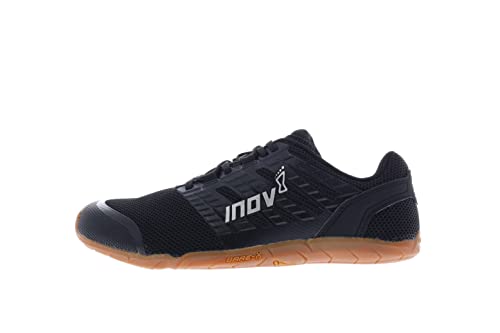
inov-8 Bare-XF 210 V3
ADVANTAGES
LIMITATIONS
For minimalist enthusiasts who believe less is more, the inov-8 Bare-XF 210 V3 is a masterclass in ultralight, ground-feel performance. Weighing just 210 grams (hence the name), this shoe delivers an almost barefoot-like experience while still offering a protective rubber outsole and secure fit. The zero drop design and wide forefoot encourage natural toe splay and optimal alignment, making it ideal for functional fitness purists who want to strengthen foot muscles and improve balance. It’s the ultimate tool for athletes chasing raw, unfiltered floor connection.
In real-world use, the Bare-XF 210 V3 excels in short, explosive workouts—kettlebell swings, box jumps, and bodyweight circuits—where agility and ground feedback are paramount. The sticky rubber outsole grips well on dry surfaces, though it can slip slightly on wet gym floors. The upper is simple but effective, with a snug fit that stays secure during fast movements. However, the minimal cushioning means it’s not suited for long WODs or heavy barbell work—your joints will feel every rep under load. It’s a specialized tool, not an everyday trainer.
Compared to the Flux Adapt Graphene XT, the Bare-XF 210 V3 offers similar minimalism but lacks advanced materials like graphene or ballistic mesh. Against the Reebok Nano series, it’s far lighter but far less supportive. For minimalist athletes, yoga-crossfit hybrids, or foot-strengthening regimens, this is the purest expression of functional lightness—a shoe that disappears on your foot so your movement doesn’t. It’s not for everyone, but for the right user, it’s liberating in its simplicity.
Crossfit Shoe Comparison
| Product | Best For | Upper Material | Midsole Technology | Outsole Grip | Arch Support | Key Features |
|---|---|---|---|---|---|---|
| Reebok Nano X5 | Best Overall | Flexweave | Dual-Density (Firmer Heel, Responsive Forefoot) | Durable Rubber | Removable Insole | Classic Design, Breathable, Versatile |
| Flux Adapt Graphene XT Barefoot | Best for Barefoot Training | Ballistic Mesh | Adaptsol Insole (100+ Nodes) | Graphene XT | N/A | Zero Drop, Wide Toe Box, Extreme Grip |
| Nike Men’s Metcon 8 | Best for Heavy Lifting | N/A | N/A | N/A | N/A | N/A |
| Under Armour TriBase Reign 6 | Best for Wide Feet | UA WARP | Dual-Density | Strategic Rubber | N/A | Three Point Ground Contact, Secure Upper |
| Reebok Nano X4 | Best Value Premium | Engineered Mesh, Flexweave | Floatride Energy | Durable Rubber | Removable Insole | Lightweight Cushioning, Breathable, Versatile |
| Reebok Nano Gym Sneakers | Best Budget Friendly | Mesh | EVA | Durable Rubber | Removable Insole | Supportive, Versatile, Affordable |
| Adidas Dropset 3 Trainer | Best for Hot Workouts | N/A | Dual-Density | Adiwear 6 with Traxion | N/A | HEAT.RDY, Wide Fit, Durable Traction |
| inov-8 Bare-XF 210 V3 | Best Lightweight Minimalist | N/A | N/A | N/A | N/A | Minimalist, Lightweight |
How We Tested: Finding the Best CrossFit Shoes
Our recommendations for the best CrossFit shoes are based on a rigorous, data-driven evaluation process. We analyze performance metrics from independent lab tests, focusing on stability (lateral support, heel-to-toe drop), flexibility, and outsole traction—critical for varied CrossFit workouts. We also extensively research user reviews from athletes of all levels, identifying common themes regarding durability, comfort, and suitability for different foot types.
Beyond specifications, we compare shoes based on upper construction materials (engineered mesh, Flexweave) and their impact on breathability and lockdown, crucial for high-intensity training. We evaluate outsole compounds (like graphene-infused rubber and Adiwear 6) for grip and abrasion resistance. While comprehensive physical testing of all models isn’t always feasible, we prioritize models with detailed manufacturer data and independent testing reports. Our analysis incorporates the key features discussed in our buying guide – stability, ground feel, upper construction, and outsole performance – to provide informed recommendations and rank CrossFit shoes effectively. We continually update our testing as new models and data become available.
Choosing the Right CrossFit Shoes: A Buyer’s Guide
When selecting CrossFit shoes, it’s crucial to understand how different features impact performance across varied workouts. CrossFit demands versatility – running, jumping, lifting, and gymnastic movements all in one session. Here’s a breakdown of key considerations:
Stability & Support
This is arguably the most important factor. CrossFit involves a lot of lateral movement and heavy lifting. Dual-density midsoles (like those found in the Reebok Nano X5) are excellent, providing firmer foam in the heel for stability during lifts and more responsive foam in the forefoot for running and jumping. A stable shoe prevents ankle rolls and maximizes power transfer. Conversely, overly soft cushioning can compromise stability, making heavier lifts feel unstable and potentially increasing injury risk.
Ground Feel & Flexibility
The degree of “ground feel” – how much you can feel the surface beneath your feet – is a significant differentiator. Barefoot training shoes (like the Flux Adapt Graphene XT) offer minimal cushioning, maximizing proprioception (your body’s awareness of its position in space). This can improve form and balance, especially in lifts. However, this isn’t for everyone. If you’re new to minimalist shoes, transition slowly to avoid injury. Traditional CrossFit shoes offer a balance, while some (like the inov-8 Bare-XF 210 V3) lean towards a more natural, flexible feel.
Upper Construction & Breathability
The upper material significantly impacts comfort and durability. Breathable uppers, often made of engineered mesh or Flexweave (Reebok Nanos), are essential for managing heat during intense workouts. Look for uppers that provide a secure lockdown, preventing your foot from sliding around during lateral movements. Features like a plush collar (Reebok Nano X5) can enhance comfort and lockdown. More durable uppers, like those found in the Adidas Dropset 3 Trainer, can withstand abrasion from rope climbs and other demanding activities.
Outsole Traction & Durability
CrossFit surfaces vary greatly. A durable rubber outsole with a strategic tread pattern is critical for reliable traction. Graphene-infused outsoles (Flux Adapt) offer exceptional grip and abrasion resistance. Consider shoes with rubber specifically designed for floor grip (Under Armour TriBase Reign 6) if you do a lot of weightlifting. The Adiwear 6 outsole (Adidas Dropset 3) is known for its durability in high-wear areas.
Fit & Foot Shape
Finally, consider your foot shape. Some shoes, like the Under Armour TriBase Reign 6, are designed specifically for wider feet. A wide toe box (Flux Adapt) allows for natural toe splay, enhancing stability during squats and lifts. Always prioritize a snug, secure fit that doesn’t cause rubbing or discomfort.
The Bottom Line
Ultimately, the “best” CrossFit shoe is highly individual and depends on your training style, foot type, and preferences. Whether you prioritize the all-around performance of the Reebok Nano X5, the barefoot feel of the Flux Adapt, or a budget-friendly option like the Reebok Nano Gym Sneakers, understanding your needs is key.
Investing in the right footwear can significantly enhance your CrossFit experience, improving performance and reducing the risk of injury. By carefully considering factors like stability, ground feel, and outsole traction, you can confidently choose a pair of shoes that will support your workouts and help you reach your fitness goals.