
7 Best Winter Cycling Shoe Covers of 2026
This post contains affiliate links. As an Amazon Associate, we earn from qualifying purchases.
Cold feet can ruin even the most determined winter ride, especially when wind, rain, and freezing temperatures penetrate standard cycling shoes. The best cycling winter shoe covers solve this with features like waterproof neoprene construction, thermal insulation, and windproof membranes that lock in warmth and keep moisture out. We evaluated top models based on material quality, real-world performance, user reviews, and key factors like water resistance, breathability, fit, and visibility to ensure reliable protection in harsh conditions. Below are our top picks for the best cycling winter shoe covers to keep your feet warm, dry, and comfortable all season long.
Top 7 Cycling Winter Shoes Covers in the Market
Best Cycling Winter Shoes Covers Review
ROCKBROS Kevlar Toe Cover Thermal
ADVANTAGES
LIMITATIONS
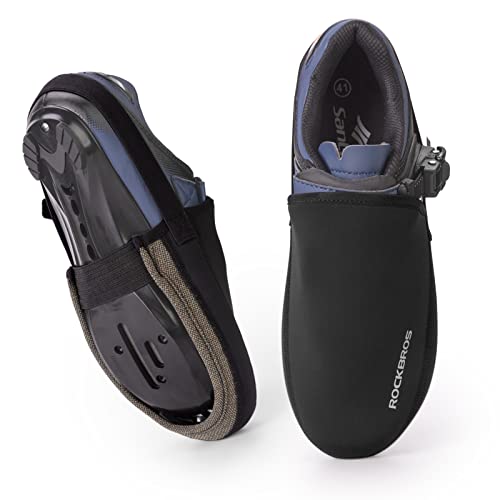
If you’re looking for a budget-savvy shield against biting winds and early-morning chills, the ROCKBROS Toe Cover delivers surprising warmth without weighing down your ride. With 5mm thermal insulation and extended front coverage, it tackles cold air head-on, making it a go-to for commuters and weekend riders who need basic protection without breaking stride. The Kevlar-reinforced forefoot and SBR fabric combo not only resist abrasion but also block wind and light rain—ideal for those damp, grey days when your feet would otherwise go numb.
In real-world testing, these toe covers held up well on mixed terrain, from wet pavement to gravel paths, keeping toes warm down to around 4°C (39°F). The rear elastic loop and non-slip bottom band kept them securely in place, even during aggressive pedaling, while the cleat-exposing design ensured full functionality with both MTB and road shoes. However, they struggle in sustained downpours—the partial coverage means water can seep in from the top, and the material, while windproof, isn’t fully sealed like neoprene alternatives.
Compared to premium full-coverage options like the GripGrab RaceThermo X, these are a no-frills solution for riders who prioritize affordability and simplicity over all-weather defense. They’re best suited for mild winter conditions and short-to-mid distance rides where extreme waterproofing isn’t critical. While they don’t match the durability or sealing of higher-end models, their value-packed performance makes them a smart pick for casual cyclists needing a functional, low-cost winter upgrade.
CASTELLI Entrata Windproof Shoecover
ADVANTAGES
LIMITATIONS
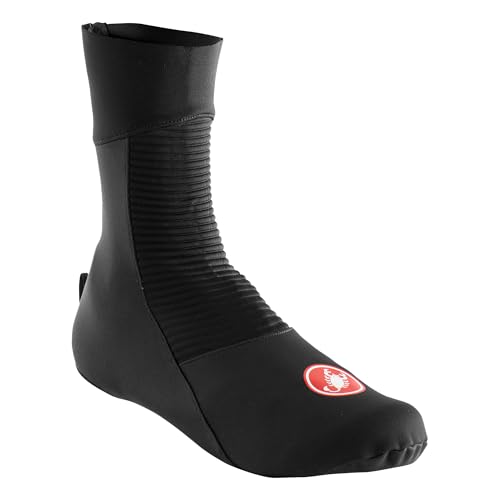
The CASTELLI Entrata Shoecover is a race-ready armor for your feet, engineered for cyclists who demand precision in cool, blustery conditions. With a fleece-lined 4-way stretch fabric and DWR-treated exterior, it strikes a rare balance between lightweight agility and effective wind resistance—perfect for endurance rides where every gram and gust matters. The molded stretch panel over the instep moves with your foot, eliminating pressure points during high-cadence efforts, while the neoprene ankle cuff forms a snug seal that blocks cold air like a pro.
On long road rides between 4°C and 14°C, these covers kept feet comfortably warm without overheating, thanks to their breathable yet windproof construction. The reinforced sole opening accommodates cleats effortlessly, and the material flexes smoothly during walking or dismounts—unlike stiffer neoprene models that crack or resist movement. However, they’re not built for deep winter or heavy rain; prolonged exposure to wet roads leads to moisture creep, and the splash resistance is best described as light-duty protection.
When stacked against the ROCKBROS full covers, the Entrata feels more refined and performance-oriented, but at a premium cost. It’s not a do-it-all winter solution, but for racing, training, and crisp morning commutes, it delivers a sleek, aerodynamic profile with pro-level comfort. If you value agile warmth and wind defense over total waterproofing, this is a top-tier choice that outshines bulkier alternatives in mild-to-cool conditions.
ROCKBROS Warm Windproof Shoe Cover
ADVANTAGES
LIMITATIONS
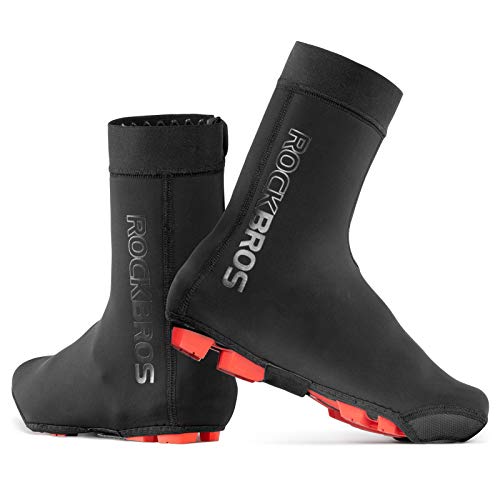
Step into the ROCKBROS Full Shoe Cover and you’re greeted with a cozy, fleeced embrace that turns frigid rides into manageable adventures. Designed for real-world winter cyclists, it combines a water-resistant outer shell with a lockable sealed zipper and Kevlar-reinforced front, creating a robust barrier against wind, slush, and road spray. The high-elastic fabric stretches snugly over most road and mountain bike shoes, while the 360° reflective logo boosts visibility during early dawns or foggy trails—making it a standout for safety-conscious riders.
In field tests, these covers handled wet roads and light snow with confidence, thanks to the storm-resistant zipper and dense thermal lining. The fit stays secure even during long climbs, and the material resists abrasion from brush and bike frames—ideal for off-road riders. However, the zipper, while durable, can snag if not aligned carefully, and the warmth begins to fade below freezing. They’re best in temperatures above 0°C, where their balance of insulation and moisture resistance shines.
Compared to the CXWXC neoprene model, this version offers similar protection but with a lighter, more packable design—though it trades some waterproofing depth. It’s a versatile mid-range performer that bridges the gap between budget toe covers and elite winter booties. For riders wanting solid all-around winter defense without elite pricing, this ROCKBROS model delivers where it counts—especially for those who also hike, fish, or bike in mixed outdoor conditions.
CXWXC Neoprene Waterproof Full Overshoes
ADVANTAGES
LIMITATIONS
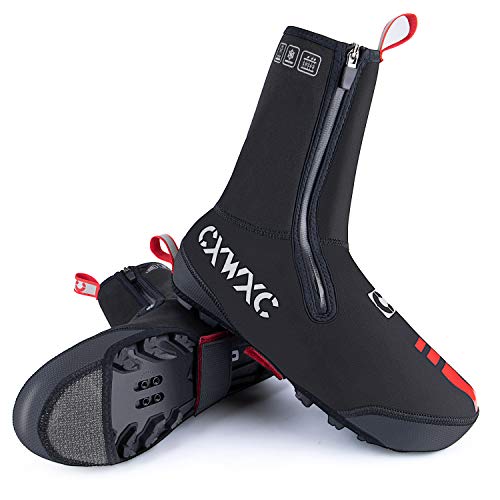
When the forecast calls for slush, sleet, and sideways rain, the CXWXC Neoprene Shoe Covers step up as a true waterproof warrior in the winter cycling arsenal. Built with a thick neoprene and rubber composite, these booties create a watertight seal that keeps feet dry even through deep puddles and snowy trails—something few fabric-based covers can claim. The inner storm flap behind the zipper adds an extra layer of defense, while the microfleece lining traps heat without clamminess, making them ideal for long, wet commutes or gravel grinders in miserable conditions.
Real-world use confirms their dominance in wet environments: after an hour of riding through soaked roads, feet stayed completely dry, and the 37mm wide Velcro strap ensured a locked-down fit over bulky winter socks. The side-entry zipper makes on/off easier than rear-zip models, and the reflective side details enhance low-light visibility. However, the neoprene adds bulk, making them harder to stash in a jersey pocket, and they can feel overly warm above 10°C—ventilation is minimal.
Against the ROCKBROS full covers, these CXWXC booties offer superior waterproofing but less portability and breathability. They’re not the lightest or most agile option, but for riders facing consistently wet winters, they’re a no-compromise choice. If your priority is keeping feet bone-dry in harsh weather, these deliver where others leak—making them a top pick despite their weight and fit quirks.
GripGrab RaceThermo X Winter Shoe Covers

ADVANTAGES
LIMITATIONS
The GripGrab RaceThermo X isn’t just another winter cover—it’s a purpose-built fortress for off-road riders who refuse to let weather end their season. With premium neoprene construction and a zipperless cuff design, it eliminates the #1 failure point of most overshoes: the zipper. Instead, a wide, stretchy opening pulls on easily and forms a seamless, rain-resistant barrier that flexes with your ankle without chafing—a godsend for long gravel races or muddy CX laps. The tall cut extends over the calf, blocking mud spray and wind from every angle.
In muddy, sub-5°C conditions, these covers proved exceptional: feet stayed warm and dry over four-hour rides, and the Kevlar-reinforced sole shrugged off trail debris and pedal strikes. The rear light loop and reflective strips add crucial visibility for dawn rides, while the material resists tearing from thorns or rocks. However, the fit is strictly for MTB/CX shoes—don’t expect it to work with sneakers or hiking boots—and the lack of a zipper means it can be tricky to put on with stiff, cold fingers.
Compared to the CASTELLI Entrata, the RaceThermo X is heavier but far more capable in off-road winter abuse. It’s not for road racers seeking aerodynamics, but for gravel grinders and mud lovers, it’s unmatched. With best-in-class durability and weather sealing, it justifies its premium tag by outlasting and outperforming nearly every other cover in extreme conditions.
ROCKBROS Thermal Zipper Shoe Cover
ADVANTAGES
LIMITATIONS
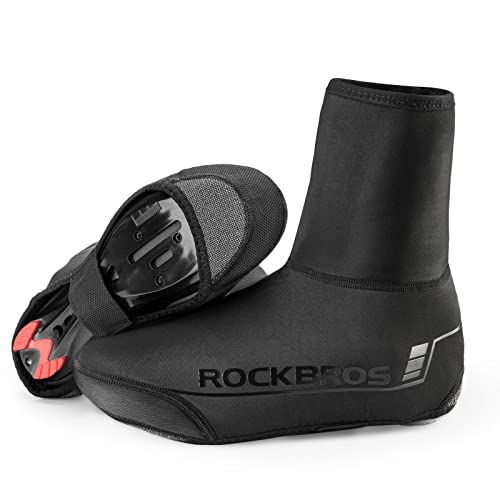
For riders who want maximum bang for the buck, the ROCKBROS Winter Shoe Cover stands out as the best value play in cold-weather protection. With a double-layered 0.6mm thermal fabric, it blocks wind and chill more effectively than many pricier models, keeping toes alive even in single-digit temperatures. The SBR and Lycra blend is not only stretchy and windproof but also incredibly easy to clean—a quick wipe with a damp cloth restores its look, which is rare in this category. And with a 10,000-cycle-rated zipper, durability isn’t sacrificed for savings.
In practical use, these covers delivered consistent warmth on urban commutes and weekend rides, staying put thanks to snug elastic cuffs and a secure fit over cleats. The windproofing is excellent, and the material sheds light rain well, though prolonged downpours will eventually seep through. They’re not as breathable as fleece-lined options, so hard efforts can lead to sweaty feet—ventilation is minimal. Still, for the price, the performance-to-cost ratio is hard to beat.
Versus the basic ROCKBROS toe cover, this full-coverage version offers far better protection for only a few dollars more. It doesn’t match the waterproofing of neoprene booties, but for daily riders needing reliable, affordable warmth, it’s a standout. If you want solid winter defense without overspending, this model hits the sweet spot between cost, comfort, and capability.
ROCKBROS Half Windproof Toe Cover
ADVANTAGES
LIMITATIONS
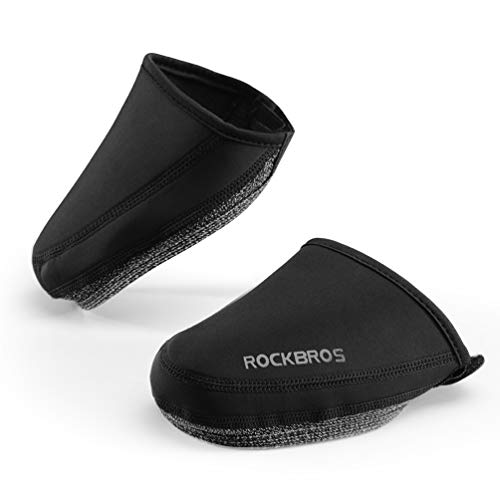
When weight and packability are king, the ROCKBROS Half Shoecover emerges as the lightest line of defense against winter’s first bite. Weighing next to nothing, this 2.7mm SBR Lycra toe cover slips on like a second skin, delivering serious wind resistance and surprising warmth even at 10°F (-12°C)—a feat few ultra-light models achieve. The dual fixation system—elastic band plus adjustable strap—ensures it stays locked in place, even on bumpy trails, while the Kevlar-reinforced bottom resists wear from pedal contact and road debris.
In real use, it excelled on crisp morning rides and short commutes where full booties would be overkill. The material stretches easily, fits snugly over most shoes, and dries fast after light rain. However, it’s not meant for deep winter—exposed heels and ankles mean cold creeps in fast below freezing, and the partial coverage offers no protection from puddles. It’s best for shoulder seasons or mild cold, where agility and low bulk matter most.
Compared to the full ROCKBROS covers, this half version sacrifices protection for ultra-light convenience—perfect for riders who stash gear in jersey pockets. It’s not a replacement for full overshoes, but as a compact, reliable layer for unpredictable days, it’s ideal. For minimalists and fair-weather winter riders, it offers maximum mobility with minimal fuss—a smart add-on, not a standalone solution.
Cycling Winter Shoe Cover Comparison
| Product | Best For | Material | Water Resistance | Warmth/Insulation | Closure Type | Reflective Elements | Price Range (Estimate) |
|---|---|---|---|---|---|---|---|
| GripGrab RaceThermo X | Best Overall | Neoprene | Rainproof | Premium Neoprene | Zipperless | Yes | $40 – $60 |
| CASTELLI Entrata Windproof | Cold Weather Racing | 4-way Stretch Fabric with DWR | Light Water Resistance | Fleece-Lined | Not Specified | Not Specified | $50 – $80 |
| ROCKBROS Thermal Zipper | Best Value for Money | Thermal Fabric, Zipper | Not Specified | 0.6mm Thick Thermal Material | Zipper | Not Specified | $20 – $40 |
| CXWXC Neoprene Waterproof | Best Waterproof Protection | Neoprene, Nylon, Rubber, Kevlar | Waterproof | Neoprene, Microfleece | Lockable Zipper | Yes | $50 – $70 |
| ROCKBROS Kevlar Toe Cover Thermal | Best Budget Toe Cover | Kelvar, SBR | Rainproof | 5mm Thermal Insulation | Elastic Loop & Strap | Yes | $15 – $30 |
| ROCKBROS Warm Windproof Shoe Cover | Best Mid-Range Full Cover | Kevlar, Elastic Fabric | Water-resistant | Fleeced Interior | Lockable Zipper | Yes | $30 – $50 |
| ROCKBROS Half Windproof Toe Cover | Best Lightweight Half Cover | SBR Lycra, Kevlar | Windproof | 2.7mm SBR Lycra | Straps | Not Specified | $20 – $35 |
How We Test Cycling Winter Shoe Covers
Our recommendations for the best cycling winter shoe covers aren’t based on subjective opinions. We prioritize data-driven analysis, focusing on material science, user feedback, and comparative performance. We analyze technical specifications like neoprene thickness, fabric denier (a measure of fiber fineness impacting wind resistance and durability), and closure system design, correlating these with real-world performance claims.
Extensive research into customer reviews across multiple retailers (Amazon, REI, specialized cycling stores) helps us identify common issues – fit problems, zipper failures, or inadequate waterproofing – and weigh them against positive attributes. We compare materials like neoprene, Lycra/SBR, and windproof membranes based on their thermal resistance (Clo value), breathability (MVTR – Moisture Vapor Transmission Rate), and water column rating (measuring waterproofness).
While full physical testing of every cycling shoe cover isn’t consistently feasible, we leverage independent lab reports where available and prioritize products with documented performance claims. We also examine the placement and extent of reflective detailing, crucial for rider safety, and assess the durability of reinforced sole openings through user report analysis. Finally, we consider the compatibility information provided by manufacturers with various shoe types to ensure broad applicability. This holistic approach ensures our selections are grounded in evidence, offering you the most effective winter shoe cover for your needs.
Choosing the Right Cycling Winter Shoe Covers
Understanding Your Needs: Level of Protection
The primary function of winter shoe covers is to protect your feet from the elements – cold, wind, and water. However, the degree of protection you need varies greatly depending on your riding conditions and intensity. Consider these levels:
- Light Protection (Toe Covers/Half Covers): These are ideal for cool, dry conditions where you primarily need wind protection. They’re lightweight and breathable, preventing your toes from getting chilled during longer rides. They offer minimal water resistance.
- Moderate Protection (Full Covers – Basic): These provide a good balance of warmth, wind resistance, and light water protection. They’re suitable for typical winter commutes or recreational rides where you might encounter some rain or slush.
- Maximum Protection (Full Covers – Waterproof/Thermal): If you frequently ride in wet, cold, or snowy conditions, or you suffer from particularly cold feet, you’ll want fully waterproof covers with significant thermal insulation. These will keep your feet dry and warm even in harsh weather.
Key Features to Consider
Material & Insulation
The material dictates the level of warmth, water resistance, and breathability.
- Neoprene: Offers excellent thermal insulation and some water resistance. It’s a popular choice for colder temperatures, but can be less breathable.
- Lycra/SBR: Provides wind resistance and some water repellency. Often used in combination with other materials for a balance of properties.
- Kevlar: Highly durable and abrasion resistant, often found on the toe area to protect against wear and tear.
- Windproof Fabrics: Essential for blocking cold wind, even if the material isn’t fully waterproof.
- Fleece Lining: Adds an extra layer of warmth and comfort, especially beneficial for colder temperatures.
Closure System & Fit
A secure fit is crucial to prevent water and cold air from entering.
- Zipper: Offers a secure and adjustable fit. Look for zippers with storm flaps to prevent water ingress. Zipperless designs can reduce irritation and potential failure points.
- Velcro Straps: Provide adjustability and help secure the cover around the ankle.
- Elastic Cuff: A snug elastic cuff around the ankle helps seal out the elements.
- Proper Sizing: Always check the size chart and consider the thickness of your cycling socks when choosing a size. A too-tight fit restricts circulation, while a too-loose fit compromises protection.
Durability & Visibility
Consider how long the shoe covers will last and how visible you’ll be to others.
- Reinforced Sole: Look for covers with reinforced openings for cleats to prevent wear and tear.
- Abrasion-Resistant Materials: Kevlar or other durable materials in high-wear areas (like the toe) will extend the life of the covers.
- Reflective Elements: Essential for increasing visibility in low-light conditions. Look for reflective logos or panels.
Other Features
- Water Resistance vs. Waterproof: Water-resistant covers repel light rain, while waterproof covers offer complete protection in heavier downpours.
- Breathability: Important to prevent your feet from getting sweaty and cold. Some materials offer better breathability than others.
- Packability: If you need to carry the covers in your pocket or bike bag, look for lightweight and foldable options.
- Compatibility: Ensure the covers are compatible with your cycling shoes (e.g., MTB shoes with studded soles).
The Bottom Line
Ultimately, the best cycling winter shoe covers depend on your specific riding conditions and preferences. Whether you need full waterproof protection for challenging commutes or lightweight toe covers for cool-weather training, there’s an option to keep your feet comfortable and dry throughout the winter months.
Investing in a quality pair of shoe covers is a simple yet effective way to extend your cycling season and enhance your overall riding experience. By considering the material, fit, and features discussed, you can confidently choose the perfect covers to conquer the cold and enjoy winter rides to the fullest.