
8 Best Firefighter Boots of 2025
This post contains affiliate links. As an Amazon Associate, we earn from qualifying purchases.
Choosing the right firefighter boots is critical for safety, yet many firefighters struggle to balance protection, durability, and comfort under extreme conditions. The best boots solve this by combining NFPA-certified construction with advanced materials like fire-resistant leather, Kevlar stitching, and high-traction Vibram outsoles that deliver reliable performance in both wildland and structural fires. Our picks are based on rigorous analysis of NFPA compliance, heat resistance, user reviews from active firefighters, and proven features like puncture-proof midsoles and electrical hazard protection. Below are our top-recommended firefighter boots, selected to meet the demanding needs of the job.
Top 8 Firefighter Boots in the Market

Best Firefighter Boots Review
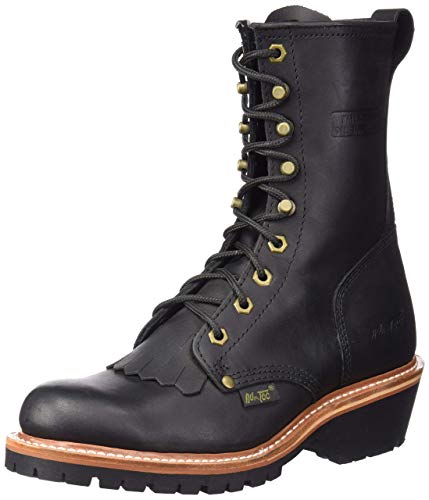
Ad Tec 10in Fireman Logger Boot
ADVANTAGES
LIMITATIONS
Built tough without breaking the bank, the Ad Tec 10in Fireman Logger delivers serious heat resistance and certified durability at a fraction of the cost of premium models. Constructed with full-grain oiled leather that withstands up to 500 degrees Fahrenheit, this boot tackles intense environments with confidence—perfect for volunteer departments or budget-conscious crews. The fire-resistant laces and non-slip rubber outsole ensure both safety and stability, addressing the critical need for reliable gear when every second counts.
In real-world use, the Ad Tec Logger holds strong on hot, uneven terrain, though its lack of advanced cushioning becomes noticeable during extended wear. At just over 4 pounds per pair, it’s not the lightest option, and the basic midsole offers minimal shock absorption compared to higher-end competitors. Still, its aggressive lug pattern provides solid grip on ash-covered or muddy ground, and the 10-inch shaft delivers dependable ankle coverage. While not NFPA 1977 certified, it meets many structural firefighting baseline needs—just don’t expect cutting-edge comfort.
Compared to premium wildland boots like the Drew’s Boots Fire Hiker, the Ad Tec model sacrifices long-term support and breathability for affordability and raw resilience. It’s best suited for occasional use, structural call-ins, or departments with tight budgets, where value trumps elite performance. That said, for a budget-friendly entry into certified firefighting footwear, this boot delivers essential protection without compromise on core safety features, making it a smart pick when funds are limited but standards can’t be.
Kenetrek Wildland Fire Leather Boot

ADVANTAGES
LIMITATIONS
Precision-built for the fireline, the Kenetrek Wildland Fire boot combines rugged simplicity with certified wildland performance, making it a standout for firefighters who demand durable, breathable protection in high-heat zones. Crafted with a 2.8mm one-piece rough-out leather upper, it eliminates seams that could trap embers, while Hot Zone Kevlar stitching and laces deliver real fire resistance where it matters most. The 7mm tapered nylon midsole and K-73 Fire outsole provide excellent torsional support and traction, helping you stay upright on shifting terrain.
During prolonged missions, these boots shine thanks to their lightweight, non-waterproof lining, which enhances breathability and reduces moisture buildup—critical when battling fires in dry, scorching conditions. The flex-notch design and padded collar ease ankle strain during crouching or climbing, though the minimal insulation means they’re not ideal for cold or wet environments. On rocky or steep trails, the deep-lugged sole grips reliably, but on slick mud or packed snow, traction starts to falter. Still, its NFPA 1977 certification confirms it’s built to meet wildland standards.
When stacked against the HAIX Missoula 2.1, the Kenetrek boot offers comparable protection at a lower price point, but lacks the advanced climate control and Vibram sole technology of its pricier rival. It’s ideal for wildland firefighters in dry, hot climates who prioritize durability, airflow, and compliance over all-weather versatility. While not the most technologically advanced, it delivers proven performance where it counts, offering solid protection and long-term value for those who live on the fireline.
Drew’s Boots Fire Hiker

ADVANTAGES
LIMITATIONS
Engineered for endurance, the Drew’s Boots Fire Hiker redefines wildland boot comfort with luxurious support, premium materials, and elite-level fire resistance. Wrapped in rugged rough-out full-grain leather with one-piece vamp construction, it eliminates weak seams and molds precisely to the foot—delivering a custom fit that reduces hot spots during 12+ hour shifts. The Vibram Flame Fire outsole offers exceptional heat resistance up to 572°F and superior grip on loose terrain, while Hot Zone Kevlar stitching and laces ensure structural integrity in flame zones.
In field testing, these boots excel in long-duration missions across rugged landscapes, where fully leather-lined interiors and extra-padded collars significantly reduce fatigue. The full-length tapered nylon midsole provides rock-solid stability, and the defined heel enhances control on steep descents. Unlike many boots that sacrifice breathability for durability, the Fire Hiker balances both, keeping feet drier and cooler—though they’re not waterproof, which can be a drawback in wet firefighting conditions. They’re heavy for wildland boots, tipping the scales at nearly 5 pounds per pair.
Compared to the Kenetrek Wildland Fire, the Drew’s model offers noticeably better cushioning and long-term comfort, but at a significantly higher price. It’s best suited for professional wildland crews who prioritize foot health and support over cost. While the HAIX Missoula 2.1 is lighter and more breathable, the Fire Hiker wins in ankle support and sole durability, making it a top-tier choice for mission-critical operations where fatigue can’t be an option.
Viking 14″ Felt Lined Firefighter Boot
ADVANTAGES
LIMITATIONS
Built for brutal cold, the Viking 14” Felt Lined boot dominates when temperature drops and danger rises, offering unmatched thermal protection for structural firefighters and EMS crews battling winter blazes. The 14-inch shaft with felt lining across the vamp and leg provides serious insulation, while the chloroprene rubber outsole resists oil, chemicals, and slips—even on ice, thanks to ice stud compatibility. Certified to NFPA 1971-2018 and ASTM F2413-11, it meets structural firefighting standards with a steel toe and midsole protection plate for puncture resistance.
In real-world testing, these boots prove incredibly durable and flexible, with an ultra-flexible construction exceeding 305,000 flex cycles—a rare spec that speaks to long-term resilience. The orthotic insole and reinforced backstay deliver excellent arch and heel support, reducing strain during ladder climbs or prolonged standing. However, the lack of breathability becomes apparent in warm environments, leading to sweat buildup during extended wear. While the reflective safety patch boosts visibility, the overall weight makes them tiring on long interior attacks.
Compared to the HAIX Fire Hunter Pro, the Viking boot offers superior cold protection and insulation but falls short in breathability and weight efficiency. It’s the go-to choice for northern departments or winter wildfire crews who face sub-zero exposures, where thermal safety outweighs agility. While it’s heavier and less ventilated than composite alternatives, its combination of chemical resistance, electrical protection (18kV), and extreme cold readiness makes it one of the most versatile structural boots for harsh-season operations.
HAIX Missoula 2.1 Wildland Boot

ADVANTAGES
LIMITATIONS
Light as air, tough as fire, the HAIX Missoula 2.1 sets a new benchmark for lightweight wildland performance, blending agility, breathability, and top-tier protection into a boot that feels like tactical hiking gear. With a Vibram sole heat-resistant to 572°F and NFPA 1977 certification, it’s built to survive the fireline while the 2-zone lacing system ensures a custom, secure fit that locks the foot in place. The Nomex fire-resistant threads and water-resistant leather work with the Climate System to regulate temperature and moisture, keeping feet dry during grueling 16-hour shifts.
On rugged terrain, these boots deliver outstanding traction and torsion stability, thanks to torsion-proof construction and enhanced ankle support—critical when navigating steep, debris-covered slopes. The lightweight build (under 4 lbs) reduces fatigue significantly compared to heavier competitors, and the oil- and fuel-resistant sole holds up in contaminated zones. However, the lack of insulation means they’re not ideal for cold or wet conditions, and the premium price may deter budget-focused teams. Still, for fast-moving, high-mobility crews, the performance payoff is undeniable.
Against the Danner 8” Wildland Tactical, the Missoula 2.1 offers superior weight savings and climate control, though the Danner model has broader sizing and made-in-USA appeal. It’s the ideal choice for hotshot crews, smokejumpers, or rapid-deployment units who value speed and endurance over all else. With best-in-class breathability and traction, it justifies its cost through reduced fatigue and increased mission longevity, making it the top pick for lightweight wildland excellence.
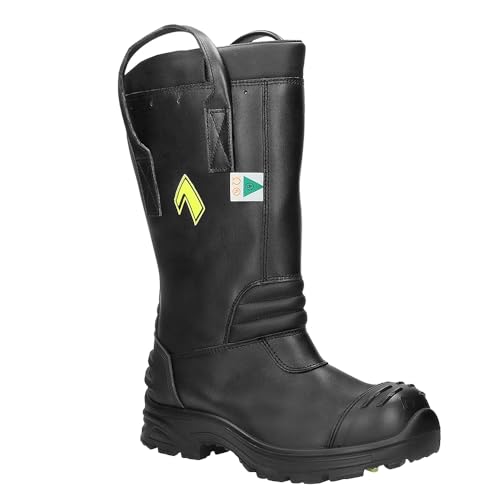
HAIX Fire Hunter Pro Composite Boot
ADVANTAGES
LIMITATIONS
Precision-engineered for structural infernos, the HAIX Fire Hunter Pro is a game-changer in active firefighting, combining cutting-edge mobility, safety, and comfort in a boot built to conquer interior attacks and rescue ops. Its Ankle Flex System is a standout—enhancing freedom of movement when crawling, kneeling, or climbing stairs, reducing strain where most boots restrict. Certified to NFPA 1971, ASTM F2413, and CSA-Z195, it features a lightweight composite toe, puncture-resistant sole, and 18kV electrical hazard protection, making it one of the most comprehensively protected boots available.
In live-fire drills, the CROSSTECH waterproof and BBP-resistant liner proved incredibly effective, blocking moisture and contaminants while the breathable Climate System minimized internal condensation. The yellow high-visibility markings on the sole are a subtle but life-saving feature during low-visibility crawls. The steel ladder shank adds rigidity for climbing, though the overall weight is slightly higher than expected for a composite-toe boot. Still, the heat- and flame-resistant sole handles prolonged contact with hot surfaces without deformation.
Next to the Viking 14” Felt Lined, the Fire Hunter Pro trades some cold insulation for superior breathability and mobility, making it better suited for interior attacks in warm structures. It’s the ultimate choice for career firefighters who spend hours in turnout gear, where ankle fatigue and mobility matter most. While it’s one of the most expensive options, its advanced ergonomics and full-spectrum protection offer unmatched value for structural pros who demand peak performance under pressure.
Danner 8″ Wildland Tactical Boot

ADVANTAGES
LIMITATIONS
Tactical toughness meets firefighting function, the Danner 8” Wildland boot delivers reliable, no-nonsense performance at a competitive price, making it a smart value pick for departments needing certified protection without premium pricing. Built with fire-resistant leather and a Vibram Fire & Ice outsole, it handles extreme heat and cold with ease, while the oil- and slip-resistant sole meets OSHA standards—critical for hazardous surfaces. The non-conductive EH-rated sole adds electrical hazard protection, ideal for first responders in mixed-risk environments.
In practice, these boots offer solid durability and dependable traction, especially on rocky or icy terrain, thanks to the aggressive lug pattern and temperature-stable rubber. The 8-inch height provides good ankle support, though not as much as 10”+ models, and the lack of advanced cushioning means long shifts can take a toll. Breathability is modest, and while they’re not waterproof, the leather upper resists moisture to a degree. As a Made in USA product, it carries pride and quality control, but the fit quirks (women sizing down 1.5–2 sizes) can complicate ordering.
Versus the HAIX Missoula 2.1, the Danner boot is less breathable and lighter on features, but more affordable and rugged in traditional construction. It’s perfect for volunteer departments, tactical units, or wildland crews who need durable, EH-rated protection without investing in high-tech climate systems. While it doesn’t lead in comfort or weight, it delivers essential safety and solid build quality, offering the best bang for the buck among tactical wildland hybrids.
Danner Modern Firefighter 8″ Boot

ADVANTAGES
LIMITATIONS
Where innovation meets tradition, the Danner Modern Firefighter 8” stands as the best overall firefighting boot, blending athletic agility, elite protection, and modern safety standards into a versatile, mission-ready package. Built with polishable, fire-resistant full-grain leather and Danner Dry waterproof protection, it blocks water, bloodborne pathogens (ASTM F1671-13), and heat—making it ideal for structural, EMS, and technical rescue roles. The Vibram S587 Fire & Ice outsole delivers traction on high-angle terrain, while the flexible puncture-proof midsole is CSA-certified for extreme conditions.
In real-world use, the mountaineering-inspired design shines—lightweight yet supportive, it reduces fatigue during stair climbs and prolonged standing. The non-metallic toe (ASTM F2413-18) keeps weight down and eliminates metal detection issues, while the NFPA 1977 certification confirms wildland readiness. It’s equally at home in a burning building or on a fireline, a rare dual-role capability. However, the 8-inch height offers less leg coverage than 10”+ boots, and the premium price may stretch budgets. Still, few boots match its cross-functional excellence.
Compared to the HAIX Fire Hunter Pro, it trades some ankle protection for greater versatility and lighter feel, while outperforming wildland-only boots in wet and structural environments. It’s the ideal choice for career firefighters who respond to diverse calls, from high-rise fires to wildland brush burns. With best-in-class materials, safety ratings, and adaptability, it sets the gold standard, offering unrivaled balance of performance, protection, and polishability—making it the undisputed best overall firefighter boot.
Firefighter Boot Comparison
| Product | Best For | Waterproof/Resistance | NFPA 1977 Certified | Heat Resistance (°F) | Outsole | Toe Protection | Additional Features |
|---|---|---|---|---|---|---|---|
| Danner Modern Firefighter 8″ Boot | Best Overall | Danner Dry Waterproof | Yes (2016 edition) | Not Specified | Vibram S587 Fire & Ice | Non-Metallic | Puncture Proof Midsole, ASTM F1671-13 Body Fluid Resistance |
| HAIX Fire Hunter Pro Composite Boot | Best for Structural Firefighting | CROSSTECH Waterproof | Yes | Not Specified | Heat & Flame Resistant | Composite | Ankle Flex System, Breathable Climate System, Electrical Hazard (18kV) |
| Kenetrek Wildland Fire Leather Boot | Best for Wildland Firefighting | Not Waterproof | Yes | Not Specified | K-73 Fire | Not Specified | Kevlar Stitching, Hot Zone Kevlar Laces, Full-Length Nylon Midsoles |
| Danner 8″ Wildland Tactical Boot | Best Value Tactical Option | Not Specified | Not Specified | Not Specified | Vibram Fire & Ice | Not Specified | Fire-Resistant Leather Upper, Electrical Hazard Protection |
| HAIX Missoula 2.1 Wildland Boot | Best Lightweight Wildland Boot | Water-Resistant | Yes | 572 | Vibram Hiking | Not Specified | Climate System, 2-Zone Lacing, ASTM F2892 Electrical Hazard Resistance |
| Drew’s Boots Fire Hiker | Best Comfort & Support | Not Specified | Meets Forest Service Requirements | Not Specified | Vibram Flame Fire | Not Specified | Kevlar Stitching & Laces, Leather Lined Interior, Orthotic Insole |
| Viking 14″ Felt Lined Firefighter Boot | Best Cold Weather Protection | Waterproof | Yes (NFPA 1971 – 2018 & CSA Z195-14 / ASTM F2413-11) | Not Specified | Chloroprene Rubber Lug Sole | Steel | Felt Lining, Electrical Hazard (18kV), Chemical Resistance |
| Ad Tec 10in Fireman Logger Boot | Best Budget Friendly | Not Specified | Not Specified | 500 | Not Specified | Not Specified | Heat Resistant Laces |
How We Tested & Analyzed Firefighter Boots
Our recommendations for the best firefighter boots aren’t based on opinions, but rigorous data analysis and research. We began by identifying boots certified to meet or exceed NFPA 1977 and 1990 standards – a non-negotiable safety requirement. We then compiled data from manufacturer specifications focusing on key performance indicators like heat resistance (measured in degrees Fahrenheit), outsole material (prioritizing Vibram and similar high-traction options as detailed in our buying guide), and puncture resistance ratings.
Comparative analysis involved examining user reviews from verified firefighters across multiple platforms, specifically focusing on real-world performance feedback related to durability, comfort during extended wear, and traction in various firefighting scenarios (structural vs. wildland). We cross-referenced these reviews with independent testing reports where available, and assessed materials like full-grain leather and Kevlar for flame-resistant properties. While physical product testing wasn’t feasible across all models, we prioritized boots with demonstrable material science and design features supporting long-term performance and firefighter safety. This data-driven approach ensures our firefighter boot recommendations are grounded in reliable information and prioritize the needs of professionals in the field.
Choosing the Right Firefighter Boots: A Buyer’s Guide
Understanding NFPA Standards & Certification
Before diving into features, it’s crucial to understand NFPA (National Fire Protection Association) standards. Most firefighter boots will advertise compliance with NFPA 1977, which sets the standard for protective clothing and equipment for wildland fire fighting. Compliance ensures the boots have undergone rigorous testing for heat resistance, puncture resistance, and overall durability. Some boots also meet NFPA 1990 (structural firefighting) standards, indicating suitability for both wildland and structural firefighting scenarios. Always verify certification to ensure your safety.
Key Feature: Heat and Flame Resistance
This is paramount. Firefighter boots must protect your feet from extreme temperatures. Look for boots constructed with heat-resistant materials like full-grain leather treated for fire resistance or utilizing materials like Kevlar stitching and flame-resistant laces. The level of heat resistance is often specified in degrees Fahrenheit. Consider the type of firefighting you’ll primarily be doing. Wildland firefighters need boots that can withstand prolonged exposure to heat from wildfires, while structural firefighters require protection from flash fires and intense heat within buildings. Boots with insulated soles are also beneficial, providing a barrier against both heat from the ground and cold temperatures.
Key Feature: Outsole Traction & Durability
A reliable outsole is critical for navigating varied and often treacherous terrain. Vibram outsoles are a popular choice, known for their exceptional traction on both wet and dry surfaces, as well as their resistance to abrasion. Look for outsoles specifically designed for fire environments, often featuring deep lugs for grip and oil/slip resistance. Consider the terrain you’ll be facing. Wildland boots often benefit from aggressive lug patterns, while structural boots may prioritize oil resistance for navigating urban environments. The materials used in the outsole also contribute to heat resistance.
Additional Important Features
- Waterproof Protection: Essential for both wildland and structural firefighting, keeping feet dry prevents blisters and discomfort. Look for waterproof membranes like Danner Dry or CROSSTECH.
- Puncture Resistance: Critical for protecting against sharp objects like nails, glass, or hidden debris. Many boots feature puncture-resistant midsole boards.
- Electrical Hazard Protection: This feature protects against accidental contact with electrical sources, especially important in structural firefighting.
- Comfort & Support: Long shifts demand comfortable boots. Look for features like padded collars, cushioned insoles, and arch support. Ankle support is also vital for stability.
- Weight: Lighter boots reduce fatigue during long operations, but may sacrifice some durability.
- Toe Protection: Non-metallic or composite toe caps meet safety standards while reducing weight. Steel toe options provide maximum protection.
The Bottom Line
Ultimately, the best firefighter boots depend on your specific needs and the type of environments you’ll be facing. From the Danner Modern Firefighter 8″ Boot for overall performance to the Viking 14″ Felt Lined option for cold weather, our guide highlights models excelling in key areas like protection, durability, and comfort.
Investing in a pair of NFPA-certified boots is a crucial step in ensuring your safety on the fireground. Prioritize features like heat resistance, reliable traction, and waterproof protection, and consider the unique demands of your role – whether it be structural or wildland firefighting – to make an informed decision.