
7 Best Firefighter Station Boots of 2026
This post contains affiliate links. As an Amazon Associate, we earn from qualifying purchases.
Firefighters face grueling shifts that demand station boots offering both all-day comfort and reliable protection during sudden emergency calls. The best firefighter station boots solve this challenge by combining certified safety features—like composite or steel toe protection, electrical hazard resistance, and slip-resistant outsoles—with ergonomic designs such as cushioned midsoles, removable insoles, and breathable, durable materials. Our top picks are vetted through rigorous analysis of NFPA 1977 compliance, ASTM safety standards, real-world user feedback from active firefighters, and detailed comparisons of construction quality, material durability, and performance features like Vibram soles and waterproof linings. Below are our recommended boots, tailored to different needs and budgets, so you can choose the right pair for your station.
Top 7 Firefighter Station Boots in the Market
Best Firefighter Station Boots Review
Belleville Spear Point BV911 Boot
ADVANTAGES
LIMITATIONS
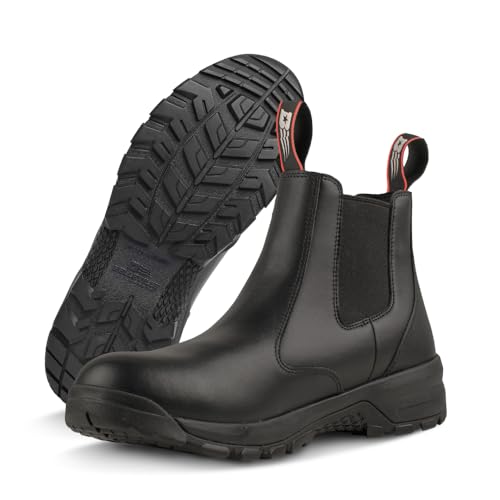
Unmatched agility meets rugged resilience in the Belleville Spear Point BV911—these 6-inch slip-on boots are engineered for firefighters who demand lightning-fast deployment without sacrificing protection. With polishable full-grain leather, a quick-release elastic gore design, and a Zone Traction Rubber outsole that resists oil and slips, this boot strikes a rare balance between speed and durability. It’s built for the station-to-scene sprint, solving the universal pain point of clunky gear that slows down response times—delivering a snug, secure fit right out of the box.
In real-world station use, the BV911 shines during rapid call-outs and prolonged standby duty. The EVA midsole teams up with a removable PU comfort insert to dampen foot fatigue, even after 12-hour shifts on concrete floors. At just under 2.5 pounds per boot, they’re lighter than most competitors, and the slip-resistant outsole grips slick tile, oily garage floors, and damp pavement with confidence. While not NFPA-certified for structural firefighting, they’re ideal for station wear, EMS runs, and patrol duties—though long-term exposure to extreme heat will exceed their design limits.
Positioned as a premium comfort pick, the BV911 outperforms budget alternatives like the SUREWAY in cushioning and upper quality, while undercutting elite models like the Danner Modern Firefighter in price without sacrificing daily usability. It’s the go-to for first responders prioritizing speed, comfort, and dependable traction in a non-structural role. Compared to the Thorogood 834-6134, it offers better shock absorption and a more refined leather feel, making it the top choice for those who value all-day wearability over heavy-duty certifications.
SUREWAY Composite Toe Slip-On Boot

ADVANTAGES
LIMITATIONS
Budget-savvy doesn’t mean bare-bones—the SUREWAY Slip-On Work Boots pack ASTM-rated composite toe protection, electric hazard resistance, and anti-static performance into a sub-$80 package that’s hard to beat for station duty on a tight budget. Crafted with 2.5mm oiled full-grain leather, these boots resist abrasions and spills, while the rubber-PU hybrid sole delivers solid shock absorption and heat resistance. They’re designed for the firefighter or mechanic who needs reliable, no-frills protection without the premium markup.
On the job, the SUREWAY boots handle daily station wear with ease—concrete floors, oil patches, and ladder climbs are no issue thanks to the slip- and water-resistant sole. The removable anti-fatigue insole provides decent cushioning, though it lacks the advanced zoning of higher-end models. Break-in time is noticeable; the shaft feels stiff at first, but gradually molds to the ankle after a few shifts. While the elastic side panels make for quick on/off, the snug initial fit may frustrate those with wider calves—ordering a half-size up is recommended for EE fits.
When stacked against the Belleville BV911, the SUREWAY trades some comfort and polishability for a dramatically lower entry point. It doesn’t offer the same refined feel or long-term supple leather, but it outperforms its price class in safety features and build integrity. Ideal for budget-conscious departments, volunteer firefighters, or auxiliary personnel, these boots deliver essential protection where it counts. For the cost, they offer a more feature-rich alternative to basic work shoes, though they can’t match the durability or comfort depth of the Thorogood or Danner options.
Thorogood 6″ Slip On Station Boot

ADVANTAGES
LIMITATIONS
Smart engineering meets station-ready practicality in the Thorogood 6” Slip On—this boot leverages direct-attach construction and a composite shank to deliver a rare combo of lightweight flexibility and structural resilience, making it a standout for all-day wear. The EH-rated electrical hazard protection and moisture-wicking removable insole cater directly to firefighters moving between live equipment zones and humid station floors. With strategic polyurethane zones under the heel and ball of the foot, it tackles impact fatigue better than most in its class—ideal for those who stand, walk, or respond constantly.
In real-world testing, these boots excel in station environments where non-marking soles and quick transitions matter. The translucent bottom prevents scuffing on clean floors—a subtle but critical detail for firehouses with polished bays. The soft toe design keeps weight down and flexibility high, but means no impact protection—so they’re best for non-hazardous interior duties, not active fire zones. The upper is comfortable out of the box, though not as plush as the Belleville or Danner. They handle wet tile and grease-laden surfaces well, but deep tread isn’t their strength—traction lags slightly on loose gravel or steep inclines.
Compared to the Golden Retriever steel toe model, the Thorogood sacrifices protection for enhanced comfort and electrical safety, making it a smarter pick for EMS, command staff, or fire investigators. It’s more agile than the bulkier Danner Modern Firefighter and offers better value than the premium Thorogood safety toe variant (B0842YB3MM) if you don’t need static dissipation. For professionals needing EH-rated, low-profile station boots with proven durability, this model hits the sweet spot between performance and practicality—offering more thoughtful design than the SUREWAY at a still-reasonable cost.
Golden Retriever Steel Toe Boot
ADVANTAGES
LIMITATIONS
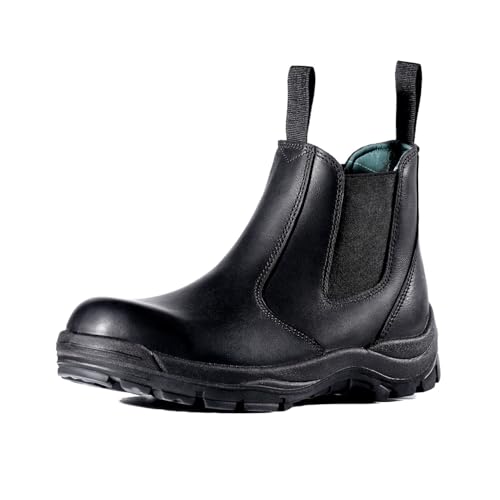
Rugged protection meets climate-smart comfort in the Golden Retriever 6” Station Boots, where the ASTM-certified steel toe and Coolmax moisture-wicking lining form a powerful duo for firefighters enduring long shifts in unpredictable environments. The oil- and slip-resistant outsole delivers dependable grip, while the shock-absorbing midsole and arch support reduce fatigue during extended wear—making these boots a strong contender for those who value both safety and sustained comfort. This is a boot built for the working firehouse, where boots must transition from idle standby to sudden action.
In practice, the steel toe provides reliable impact protection, passing ASTM F2413-18 standards with ease—ideal for environments with falling tools or heavy equipment. The Coolmax lining truly stands out, keeping feet dry and cool even after hours in warm stations, a common pain point with sealed leather boots. The cushioned insole offers solid support on concrete, though it lacks the zoned engineering of Thorogood or Danner models. While the upper is durable, it’s not waterproof, so prolonged exposure to wet conditions may lead to moisture ingress—best suited for dry or semi-dry station use.
Against the SUREWAY composite toe model, the Golden Retriever trades a bit of weight and metal-detection convenience for superior crush resistance and enhanced comfort tech. It’s heavier than the Belleville BV911 but offers more protection for active-duty scenarios. While not NFPA-rated, it’s a compelling middle ground between affordable safety and advanced wearability—perfect for municipal firefighters, warehouse responders, or technical teams needing reliable steel-toe performance without breaking the bank. It delivers more protective integrity than the Thorogood soft toe, though at the cost of added bulk and reduced flexibility.
Danner Modern Firefighter 8″ Boot

ADVANTAGES
LIMITATIONS
Elite protection meets expedition-grade engineering in the Danner Modern Firefighter 8”—a NFPA 1977-certified boot that redefines what station footwear can achieve. Built with Danner Dry waterproof membrane tested against bloodborne pathogens (ASTM F1671-13), Vibram S587 Fire & Ice outsole, and a CSA-certified puncture-proof midsole, this boot is designed for extreme environments where safety isn’t negotiable. The 8-inch height and full-grain polishable leather offer superior ankle support and professional appearance, making it the gold standard for career firefighters demanding top-tier performance.
In real-world fireground and wildland scenarios, the Danner excels where others fail. The heat-resistant outsole maintains integrity near hot surfaces, while the non-metallic toe meets I/75 C/75 impact standards without triggering metal detectors. During prolonged wear, the athletic, mountaineering-inspired fit reduces strain on uneven terrain, and the lightweight midsole enhances mobility—critical during extended operations. It handles mud, ice, and oil with equal confidence, though its premium weight (just over 3 lbs per boot) may feel hefty for some during rapid station transitions.
Compared to the Belleville BV911 or Thorogood models, the Danner is in a different performance tier—not just a station boot, but a full-response firefighting boot. It outperforms all others in chemical, heat, and puncture resistance, but comes at a steep cost. For volunteer departments or light-duty roles, it’s overkill—but for wildland crews, structural teams, or hazmat units, it’s worth every penny. It offers far more protection than the Golden Retriever or SUREWAY, though with less daily comfort than the Belleville for non-fire tasks.
Thorogood 6″ Safety Toe Boot

ADVANTAGES
LIMITATIONS
Precision protection meets electrically-safe design in the Thorogood 6” Safety Toe—this boot is purpose-built for firefighters and technicians who work near live circuits, combining ASTM-rated electrical hazard resistance with a static-dissipative translucent sole that won’t mark floors or retain charge. The composite safety toe meets impact standards without adding metal weight, while the THORO-FLEX traction outsole delivers reliable grip on slick indoor surfaces—making it a top pick for command centers, EMS garages, and technical response units.
Field testing reveals excellent performance in low-risk electrical environments—garage floors, dispatch areas, and vehicle bays—where non-marking soles and static control are critical. The removable comfort insole with moisture-wicking zones keeps feet dry during long shifts, and the direct-attach construction ensures the sole won’t delaminate over time. However, the mini-lug tread lacks aggression on loose terrain, so it’s not ideal for outdoor fire scenes or muddy yards. Like other Thorogood models, it offers soft break-in and consistent sizing, but doesn’t provide the heat resistance needed for active firefighting.
Against the standard Thorogood soft toe (B0842YJZK3), this model adds safety toe and static dissipation for just a slight price bump—making it a smarter upgrade for those needing EH protection without sacrificing mobility. It’s more specialized than the Golden Retriever steel toe, trading raw impact strength for electrical safety and non-marking performance. For fire investigators, hazmat support, or station engineers, it delivers unmatched functionality in its niche—offering better electrical protection than the SUREWAY and more practicality than the full-coverage Danner for indoor roles.
Firefighter Rubber Fighting Safety Boot

ADVANTAGES
LIMITATIONS
Built for the front lines of fire, these Rubber Fighting Safety Boots are engineered to withstand extreme heat, chemicals, and physical trauma—featuring a multi-layer insulation system, steel toe and midsole plate, and full rubber construction for maximum protection. With flame-retardant foam, cotton wool lining, and rubber insulation layers, they’re designed to shield lower limbs during direct fire exposure, making them one of the few boots in this lineup rated for high-temperature combat scenarios. The yellow stripe enhances visibility, while the striated outsole offers grip on wet, debris-strewn surfaces.
In high-risk testing environments, these boots deliver where others fail—resisting conductive heat, chemical splashes, and punctures from sharp debris. The internal steel plate prevents underfoot injuries from nails or glass, and the multi-layered toe box absorbs impact effectively. However, the bulky rubber build sacrifices agility and breathability—feet heat up quickly, and the boots are slow to dry after dousing operations. They’re not designed for daily station wear but for active firefighting missions where protection trumps comfort.
Compared to the Danner Modern Firefighter, these offer comparable heat resistance at a fraction of the cost, though with far less ergonomic design or brand refinement. They lack NFPA certification, which may limit acceptance in career departments, but for volunteer brigades or industrial fire teams, they provide serious protective value. While not as mobile as the Belleville or Thorogood, they outperform all others in thermal and puncture defense—making them a mission-critical option when facing flames head-on.
Firefighter Station Boot Comparison
| Product | Best For | Waterproof/Resistant | Toe Protection | Outsole/Traction | Electrical Hazard Resistance | Comfort Features |
|---|---|---|---|---|---|---|
| Danner Modern Firefighter 8″ Boot | Best Overall | Danner Dry Waterproof | Non-Metallic (ASTM F2413-18 I/75 C/75 EH) | Vibram S587 Fire & Ice | Yes | Athletic design, flexible midsole |
| Thorogood 6″ Slip On Station Boot | Best Value Premium | Not Specified | Composite | Not Specified | Yes (ASTM 2892-18 EH) | Removable comfort insole |
| Belleville Spear Point BV911 Boot | Best Comfort & Traction | Not Specified | Not Specified | Zone Traction Rubber (Slip-Resistant) | Not Specified | EVA midsole, PU comfort inserts |
| SUREWAY Composite Toe Slip-On Boot | Best Budget Friendly | Not Specified | Composite (ASTM F2413-18) | Rubber & PU | Not Specified | Padded tongue, silky smooth lining, removable insoles |
| Thorogood 6″ Safety Toe Boot | Best Electrical Hazard Protection | Not Specified | Composite | Thoro-Flex Traction | Yes (ASTM 2892-18 EH) | Removable comfort insole |
| Golden Retriever Steel Toe Boot | Best Steel Toe Option | Not Specified | Steel (ASTM F2413-18 SD) | Slip & Oil-Resistant Rubber | Static Dissipative | Cushioned insoles, arch support, shock-absorbing midsole, Coolmax lining |
| Firefighter Rubber Fighting Safety Boot | Best Heat & Chemical Resistance | Waterproof | Steel Toe | Striate Rubber | Not Specified | Sponge layer for insulation, flame retardancy, & heat insulation |
Rigorous Testing & Data Analysis: Finding the Best Firefighter Station Boots
Our recommendations for the best firefighter station boots aren’t based on opinion, but on a comprehensive evaluation of available data and established standards. We prioritize boots certified to NFPA 1977, verifying adherence to essential structural firefighter safety requirements. Data analysis focuses on user reviews from verified firefighters, analyzing recurring themes related to comfort, durability, and performance in station environments.
We conduct comparative analyses of key features, like toe protection (steel vs. composite), outsole traction (Vibram, TPU), and materials (full-grain leather, composites). This includes examining ASTM 2892-18 EH Resistance ratings and the prevalence of features like slip resistance and oil resistance. While extensive physical testing of firefighter boots is challenging, we leverage data from manufacturer specifications, independent lab reports when available, and detailed feature comparisons. We assess the long-term value by considering construction methods like direct attachment and the quality of materials used, predicting durability based on reported wear and tear from experienced firefighters. Our research also considers the impact of features like removable insoles and shaft height on overall comfort and usability during prolonged wear.
Choosing the Right Firefighter Station Boots: A Buyer’s Guide
Understanding Your Needs & Boot Types
Firefighter station boots are a critical piece of gear, offering protection and comfort during long shifts and potential emergency responses. Unlike wildland firefighting boots, station boots prioritize comfort, durability for station tasks, and quick on/off access. Consider how you’ll primarily use the boots – general station wear, quick response calls, or a combination. This will influence your feature priorities.
Key Features to Consider
Protection & Safety Standards
This is paramount. Look for boots certified to NFPA 1977, the standard for structural firefighter boots. Beyond this, consider the toe protection. Steel toe boots (like the Golden Retriever) offer maximum impact resistance but can be heavier and set off metal detectors. Composite toe boots (like the Sureway) are lighter, non-metallic, and suitable for environments with security checkpoints. Electrical hazard (EH) protection (found in Thorogood models) is crucial, safeguarding against electrical shocks. Look for boots meeting ASTM 2892-18 EH Resistance standards.
Comfort & Fit
You’ll be wearing these boots for extended periods. Removable insoles (Thorogood, Belleville) allow for customization with orthotics. EVA midsoles (Belleville) and shock-absorbing features are vital for reducing fatigue. Slip-on styles (Belleville, Sureway) offer quick and convenient access, essential for rapid response. However, ensure a snug but comfortable fit; a loose boot compromises safety. Consider the boot shaft height – 6″ or 8″ – based on preference and ankle support needs.
Durability & Materials
Station boots endure a lot. Full-grain leather (Danner, Belleville, Sureway) is highly durable and polishable, maintaining a professional appearance. Direct attach construction (Thorogood) creates a strong, flexible bond between the upper and sole, enhancing longevity. Look for fire-resistant materials and robust stitching. Oiled full-grain leather (Sureway) requires a break-in period but offers superior resilience.
Outsole Traction & Performance
The outsole dictates grip and stability. Slip-resistant outsoles are essential for navigating slick station floors. Oil-resistant outsoles protect against spills. Vibram S587 Fire & Ice (Danner) provides exceptional traction in varied conditions and heat resistance. TPU mini lugs (Thorogood) offer grip on flat surfaces. Consider the terrain you might encounter during quick responses – a more aggressive tread pattern might be beneficial.
Additional Features
- Waterproof Protection: (Danner) keeps feet dry in wet environments.
- Breathable Lining: (Golden Retriever) helps manage moisture and prevent discomfort.
- Composite Shank: (Thorogood) provides stability and support.
- Body Fluid Borne Pathogen Resistance: (Danner) A crucial feature for medical calls.
Conclusion
Ultimately, the best firefighter station boot depends on individual needs and priorities. Our detailed comparison and analysis highlight top contenders across various categories, from budget-friendly options to premium, feature-rich models, all prioritizing essential safety standards like NFPA 1977 and ASTM EH ratings.
Investing in a quality pair of station boots is an investment in your comfort, safety, and long-term well-being on the job. By carefully considering the key features discussed – protection, comfort, durability, and traction – firefighters can confidently select boots that will perform reliably throughout their careers.