
8 Best Fly Fishing Boots of 2026
This post contains affiliate links. As an Amazon Associate, we earn from qualifying purchases.
Wet, slippery riverbeds and uncomfortable boots can turn a dream fly fishing trip into a painful slog, especially when poor traction or heavy, waterlogged footwear leads to fatigue and safety risks. The best fly fishing boots solve this with superior drainage, lightweight yet durable materials, and high-grip soles—whether rubber for versatility or felt for unmatched rock-hold—paired with supportive fits that keep your feet secure and comfortable all day. Our top picks are based on deep analysis of performance data, user reviews, and key features like sole type, weight, drainage efficiency, and construction quality, ensuring every recommendation balances comfort, durability, and real-world angling needs. Below are our expert-tested choices for the best fly fishing boots to keep you steady, dry, and comfortable on the water.
Top 8 Fly Fishing Boots in the Market

Best Fly Fishing Boots Review
8 Fans Men’s Wading Boots
ADVANTAGES
LIMITATIONS
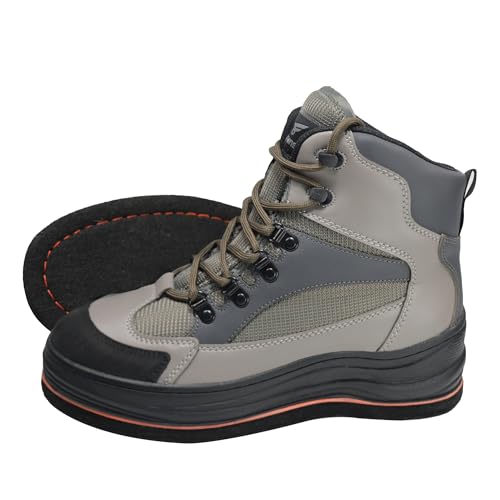
Unshakable grip and all-day comfort define the 8 Fans Men’s Wading Boots, making them a standout for anglers who demand superior traction and long-wearing resilience on slippery riverbeds. The fused felt sole delivers exceptional grip on mossy rocks, while the three-hole drainage system outperforms conventional designs by expelling water faster—keeping your stride light and reducing fatigue during extended wading sessions. With a wide-profile fit and ankle-hugging padding, these boots tackle the common pain point of foot slippage and heel lift, offering a secure, glove-like feel that supports stability on uneven terrain.
In real-world use, these boots shine in moderate to fast-moving streams, where their abrasion-resistant PVC upper and premium mesh hold up against sharp rocks and constant water exposure. At just over 2 lbs per pair, they’re lightweight enough for full-day excursions, though the non-interchangeable felt sole limits adaptability across different environments. While they drain well, the lack of internal water channels means they retain slightly more moisture than top-tier competitors, and the frequent need to clean felt soles to prevent invasive species spread is a minor but notable maintenance burden.
Compared to the Korkers Greenback, the 8 Fans model offers similar felt performance at nearly half the price, but sacrifices the versatility of an interchangeable sole system. It’s a strong alternative for anglers who prioritize traction and comfort over modularity and are fishing in consistent, rocky freshwater environments. For those seeking a premium feel without a premium price tag, these boots deliver solid performance and thoughtful design—just be prepared to commit to one sole type.
FROGG TOGGS Rana Elite Boots

ADVANTAGES
LIMITATIONS
Reliable, no-frills performance is the hallmark of the FROGG TOGGS Rana Elite, a boot engineered for anglers who want dependable grip and rapid lacing without overspending. The 1000-denier nylon upper resists tears and abrasions, while the polymer lace loops with brass speed hooks make tightening a breeze—ideal for cold mornings when dexterity fades. Offered in felt or lugged soles, it gives budget-conscious fishermen a choice: maximum slip resistance on algae-covered rocks or better durability and easier cleaning for mixed terrain. This adaptability makes it a smart entry-level solution for weekend warriors and new fly fishers.
On the water, the Rana Elite performs admirably in shallow to mid-depth streams, where its EVA midsole cushions each step and the padded collar reduces ankle strain during long wades. The drainage is functional but not exceptional, with water lingering slightly longer than in boots with multi-channel designs. While the lugged version avoids invasive species concerns, the fet version requires diligent cleaning, and the overall build feels less refined than higher-end models—especially in ankle support and sole flexibility. It’s not built for technical hikes or extreme conditions, but for short to moderate outings, it holds its own.
When stacked against the Hellbender model from the same brand, the Rana Elite offers nearly identical features at a lower price, but with a slightly less supportive midsole and simpler upper construction. It’s best suited for recreational anglers who fish accessible banks and don’t need expedition-grade durability. For those wanting essential wading performance without bells and whistles, the Rana Elite is a no-compromise budget pick that punches above its weight in value and practicality.
FROGG TOGGS Hellbender Wading Boot

ADVANTAGES
LIMITATIONS
Smart versatility meets rugged function in the FROGG TOGGS Hellbender, a boot that strikes a rare balance between affordability and adaptability—especially with its fet or cleated sole options. The cleated version is a game-changer for anglers navigating muddy banks or gravel beds, offering better traction and easier decontamination than felt, while still performing well on wet rocks. Built with a lightweight mesh and PVC upper, it resists punctures and dries faster than full-rubber alternatives, and the polyurethane midsole delivers consistent cushioning mile after mile. This is a boot that doesn’t force you to choose between cost and capability.
Field testing reveals the Hellbender excels in diverse environments, from slick limestone streams to muddy lake inlets, where the cleats bite into soft terrain and the reinforced toe and heel caps fend off impacts from submerged logs and stones. The speed laces with locking clip ensure a snug fit, but the lace hooks can snag on wader legs, slowing entry and exit. While the drainage is effective, it’s not as rapid as boots with internal channeling, and the midsole, though comfortable, lacks the rebound of premium EVA foams. It’s not the lightest or most responsive boot, but it’s remarkably capable across conditions.
Compared to the Rana Elite, the Hellbender offers enhanced protection and a wider fit, making it better for anglers with broader feet or those tackling rougher, more remote waters. It’s also a stronger value than the 8 Fans model when you factor in sole flexibility and long-term durability. For the angler who fishes in multiple ecosystems and wants one boot that adapts, the Hellbender delivers practical innovation without premium pricing—making it a true sweet spot in the mid-tier market.
Kylebooker Lightweight Felt Sole Boots

ADVANTAGES
LIMITATIONS
Maximum grip with zero compromise—that’s the promise of the Kylebooker Men’s Wading Boots, a model laser-focused on slip resistance and foot protection in the slickest conditions. The non-slip rubber sole with deep lugs delivers tenacious hold on mossy boulders and submerged logs, outperforming many felt soles in wet, organic-rich environments. Reinforced with mesh upper, toe bumper, and heel guard, these boots resist wear from constant rock contact, while the padded ankle collar prevents chafing during long hikes to remote pools. For anglers who’ve taken a tumble before, this boot is engineered to prevent the next fall.
In real-world use, the Kylebooker boots prove exceptionally stable on variable terrain, from gravel bars to algae-covered ledges, thanks to their aggressive tread pattern and wide base. The lightweight, breathable design keeps feet from overheating, and the quick-draining upper sheds water efficiently—though not as fast as models with internal channeling. The lack of interchangeable soles limits environmental adaptability, and the standard lacing system doesn’t lock as securely as speed-lace setups, requiring occasional re-tightening. Still, for pure on-water grip and durability, few boots in this price range match its confidence-inspiring performance.
Pitted against the Foxelli Wading Boots, the Kylebooker model trades some lightweight comfort for superior underfoot grip, making it better suited for technical wading over rough, uneven bottoms. It’s not as plush for long hikes, but when safety and stability are non-negotiable, this boot delivers. Ideal for intermediate to advanced anglers fishing high-gradient streams or rain-swollen rivers, it offers best-in-class traction at a mid-range price—a no-brainer for safety-first fly fishers.
Korkers Greenback Wading Boots
ADVANTAGES
LIMITATIONS
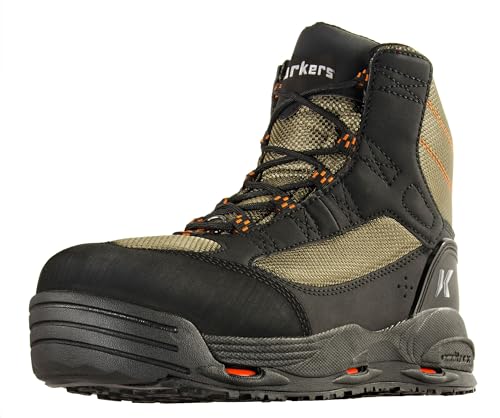
The gold standard in adaptability, the Korkers Greenback isn’t just a wading boot—it’s a modular traction platform that redefines what’s possible on the river. The OmniTrax 3.0 Interchangeable Sole System lets you swap between fet for slick rocks and Kling-On sticky rubber for durability and eco-compliance, all without tools. This means one boot for multiple ecosystems, eliminating the need for multiple pairs and reducing the risk of spreading invasive species. At just 2 lbs 7 oz per pair, it’s impressively light for such a robust system, and the hydrophobic materials dry fast, further supporting responsible angling.
In testing, the Greenback excels across environments: the fet sole grips like glue on wet granite, while the Kling-On soles maintain traction on muddy trails and boat decks. The internal water channels and midsole ports actively pump water out with each step, keeping weight down during long fords. The lace system is secure, but the fit runs narrow, and Korkers’ advice to size up from street shoes is critical—ignoring it leads to pinched toes. While the premium price reflects its innovation, the complexity of sole swapping may deter casual users, and the felt option still requires cleaning.
Versus the Hellbender, the Greenback offers far greater versatility and superior drainage, but at more than double the cost. Compared to the 8 Fans model, it’s lighter, drier, and more adaptable, though overkill for anglers who fish one type of water. For dedicated, mobile anglers who chase fish across rivers, lakes, and trails, the Greenback is unmatched in functionality and forward-thinking design—a true investment in performance and sustainability.
Redington Benchmark Wading Boots

ADVANTAGES
LIMITATIONS
Sleek, smart, and built for real women anglers, the Redington Benchmark Wading Boots prove that simplification isn’t compromise—it’s strategy. Designed with a slim, anatomical last that matches the female foot, it eliminates the slop and heel lift common in unisex boots. The quick-drying, abrasion-resistant upper shrugs off snags and dries fast for travel, while the EVA midsole delivers surprising cushioning for such a minimalist build. With corrosion-resistant lace hooks and a fet or rubber sole option, it’s a boot that prioritizes function without sacrificing fit—a rare win in women’s fishing gear.
On the water, the Benchmark handles technical wading with ease, offering solid grip on wet rocks and lightweight agility for precise foot placement. The drainage is effective, though not class-leading, and the low-profile design integrates seamlessly with waders. It’s not built for extreme hikes or heavy abuse, and the lack of ankle reinforcement means it’s less supportive on uneven terrain. But for day trips, clear streams, and beginner to intermediate anglers, it’s more than capable—and a breath of fresh air in a market flooded with downsized men’s boots.
Compared to unisex models like the Kylebooker or FROGG TOGGS Rana, the Benchmark wins on fit and intentionality, offering a true women-specific design at a fraction of the cost of high-end unisex boots. It’s not the most durable or rugged, but for female fly fishers seeking a purpose-built, travel-friendly boot, it’s unbeatable in its class—a minimalist masterpiece that gets the essentials exactly right.
lurewilder Pro Felt Bottom Boots

ADVANTAGES
LIMITATIONS
Engineered comfort meets thoughtful innovation, the lurewilder Pro Wading Boots elevate the experience with neoprene lining, faster drying, and enhanced security—features that matter after hours on the river. The switch from mesh to neoprene lining is a game-changer, offering smoother break-in, better warmth, and a snugger fit, especially in cold water. The metal-mesh drainage guards keep debris out while letting water flow freely, and the D-ring attachment integrates flawlessly with wading pants, preventing slippage and improving stability. This is a boot that listens to angler feedback and refines the details.
In practice, the lurewilder boots deliver exceptional comfort, with the thick felt sole providing rock-solid grip on slippery substrates. The less sponge in the tongue speeds drying, reducing sogginess—a subtle but meaningful upgrade. However, the lacing system lacks speed hooks, making adjustments slower, and the overall weight is slightly higher than ultra-light models. While it excels in cold, wet conditions, it’s less ideal for hot-weather hikes due to limited breathability. Still, for anglers who value warmth, fit, and long-term comfort, these boots are a serious upgrade over basic designs.
Stacked against the 8 Fans model, the lurewilder offers superior lining and drying tech, though at a marginal price increase. Compared to the Korkers Greenback, it lacks sole interchangeability, but wins on immediate comfort and insulation. For cold-water anglers and those with hard-to-fit feet, the lurewilder Pro is a top-tier choice for enhanced fit and all-day ease—a quiet innovator that outperforms its price point.
Foxelli Lightweight Wading Boots
ADVANTAGES
LIMITATIONS
Cloud-like comfort meets rugged readiness, the Foxelli Wading Boots redefine lightweight performance for anglers who hike far and wade deep. Weighing just 1.3 lbs per boot, they’re among the lightest on the market, yet don’t sacrifice protection—thanks to rubber toe and heel rands and abrasion-resistant microfiber. The OrthoLite insoles and EVA midsoles absorb shock like a trail shoe, reducing joint fatigue on long approaches, while the flexible upper allows natural foot movement in and out of water. For backcountry anglers and trek-heavy days, these boots are a game-changer in fatigue reduction.
In real-world testing, the Foxelli excels on extended hikes and mixed terrain, where its lightweight build and breathable plaid nylon keep feet cool and agile. The slip-resistant rubber outsole provides solid grip on wet rocks, though not quite matching the bite of felt on algae-covered stone. The mesh drain ports work well, but can clog in silty water, and the lack of insulation means booties are essential in cold conditions. While not ideal for technical, high-slip environments, they’re perfect for moderate wading with long walks.
Compared to the Kylebooker model, the Foxelli trades some underfoot grip for superior comfort and weight savings, making it better for hikers who prioritize mobility over maximum traction. Against the lurewilder Pro, it’s lighter and more breathable, but less warm. For anglers who walk miles to fish, the Foxelli offers best-in-class comfort and trail performance—a true hybrid between hiking shoe and wading boot that elevates the entire experience.
Fly Fishing Boot Comparison
| Product | Price Point | Sole Type | Weight (per pair, size 9 – approximate) | Drainage | Comfort/Fit Features | Durability Features |
|---|---|---|---|---|---|---|
| Korkers Greenback Wading Boots | Mid-Range | Felt & Kling-On Rubber | 2 lbs 7 oz | Internal Channels & Midsole Ports | OmniTrax 3.0 System, Recommend sizing up | Hydrophobic Materials, Durable Construction |
| 8 Fans Men’s Wading Boots | Mid-Range | Felt | Not Specified | Three-Hole | Wide Profile, Thick Ankle Padding, Quick-Fasten Laces | High-Quality Felt, Abrasion-Resistant PVC, Premium Mesh |
| Foxelli Lightweight Wading Boots | Mid-Range | Rubber | 1.3 lb per boot | Mesh Drain Ports | Removable OrthoLite Insoles, EVA Midsoles, Flexible Upper | Reinforced Stitching, Rubber Toe/Heel Rand, Abrasion-Resistant Upper |
| FROGG TOGGS Rana Elite Boots | Budget-Friendly | Felt or Lugged | Not Specified | Water Draining Upper | Padded Boot Collar | 1000-denier Nylon Upper, Protective Toe Cap |
| FROGG TOGGS Hellbender Wading Boot | Value | Felt or Cleated | Not Specified | Durable Mesh & PVC Upper | Polyurethane Midsole, Padded Ankle Collar, Speed Laces | Enhanced Toe & Heel Caps |
| lurewilder Pro Felt Bottom Boots | Mid-Range | Felt | Not Specified | Metal Mesh Drainage Hole | Neoprene Lining, D-Ring for Wading Pants | High-Density Felt, Reinforced Heel & Toe |
| Kylebooker Lightweight Felt Sole Boots | Mid-Range | Felt | Not Specified | Not Specified | Breathable, Quick-Draining, Padded Ankle Collar | Reinforced Toe & Heel, Non-Slip Rubber Soles |
| Redington Benchmark Wading Boots | Mid-Range | Rubber or Felt | Not Specified | Improved Drainage | EVA Midsole, Designed for Women’s Fit | Abrasion-Resistant Upper, Corrosion-Resistant Lace Hooks |
How We Tested & Analyzed Fly Fishing Boots
Our recommendations for the best fly fishing boots aren’t based on opinion, but on a rigorous analysis of available data and performance indicators. We started by compiling a list of top contenders, prioritizing models frequently discussed within the fly fishing community and those with strong retailer rankings.
Data analysis focused on user reviews from reputable sources (e.g., Amazon, Backcountry, Fly Fishing Nation) to identify common themes regarding durability, fit, and traction. We specifically analyzed feedback related to sole performance – felt vs rubber – correlating reported experiences with the sole material insights from industry experts.
We then evaluated fly fishing boot features against established criteria for wading boot performance; drainage efficiency, weight, construction quality, and the availability of features like sole interchangeability (Korkers OmniTrax system) were key factors. Comparative analyses were conducted, charting specifications and pricing across models. While physical product testing wasn’t possible for all boots, we leveraged detailed product descriptions and manufacturer specifications to assess build quality and materials. We prioritized boots aligning with the key considerations outlined in our buying guide, ensuring recommendations address crucial aspects like comfort for long days and adherence to local regulations regarding felt soles.
Choosing the Right Fly Fishing Wading Boots
Sole Material: Felt vs. Rubber
The sole of your wading boot is arguably the most important feature. It directly impacts your traction and safety in the water. Felt soles offer excellent grip on slippery rocks, providing a secure foothold in fast-moving currents. However, felt can harbor invasive species, leading to restrictions in some areas. Rubber soles, often with studded patterns, are more versatile and less prone to spreading invasives. They perform well on a variety of surfaces, but might not grip as well as felt on extremely slick algae-covered rocks. Consider where you’ll be fishing most often and any local regulations regarding felt soles.
Fit and Comfort for Long Days
Fly fishing often involves extended periods standing and wading. A proper fit is crucial to prevent blisters and fatigue. Consider the overall volume of the boot and how it matches your foot shape. Some boots, like the Foxelli Lightweight Wading Boots, emphasize a flexible upper and removable insoles for customized comfort. It’s often recommended to size up from your street shoe size, as neoprene socks (often worn with waders) add bulk. A snug, secure fit prevents your foot from sliding around inside the boot, enhancing control and reducing strain. A padded ankle collar, found in models like the FROGG TOGGS Hellbender Wading Boot, adds significant comfort and support.
Drainage & Weight: Keeping Feet Dry & Light
Wading boots can become heavy when waterlogged. Efficient drainage is key to maintaining comfort and reducing fatigue. Look for boots with multiple drainage ports, like the 8 Fans Men’s Wading Boots, which utilize a three-hole design for faster water expulsion. Lightweight materials also contribute to overall comfort. The Foxelli boots, for example, use microfiber and breathable nylon to minimize weight without sacrificing durability. Reducing weight in your feet makes a significant difference during long days on the water.
Construction & Durability
The rugged environment demands durable boots. Look for features like reinforced stitching, rubber toe and heel rands (as seen in the Foxelli boots), and abrasion-resistant uppers. The quality of materials, such as the high-density felt used in the lurewilder Pro Felt Bottom Boots, also plays a role in longevity. A well-constructed boot will withstand the wear and tear of rocky riverbeds and challenging terrain, providing reliable performance season after season.
Sole Interchangeability
Some boots, like the Korkers Greenback Wading Boots, feature an interchangeable sole system (OmniTrax 3.0). This allows you to swap between felt and rubber soles (or other specialized options) depending on the fishing conditions and regulations. This adds versatility and extends the life of the boot, as you can replace worn-out soles instead of the entire boot.
The Bottom Line
Ultimately, the best fly fishing boots depend on your specific needs and fishing environment. Consider the trade-offs between felt and rubber soles, prioritize a comfortable and secure fit, and look for durable construction to ensure long-lasting performance on the water.
Investing in quality wading boots is an investment in your safety and enjoyment of fly fishing. By carefully evaluating the features discussed – from drainage and weight to sole type and durability – you can confidently choose a pair that will keep you comfortable, stable, and focused on the fish.