
7 Best Footwear for Roofing 2026
This post contains affiliate links. As an Amazon Associate, we earn from qualifying purchases.
Working on a roof demands extreme focus, and one misstep due to poor footwear can lead to serious injury—slippery shingles, steep pitches, and unpredictable weather make traction and stability non-negotiable. The best roofing shoes, like the MBS Outfitters RoofWalker and Timberland PRO Drivetrain Mid, solve this with specialized soles for superior grip, steel or composite toes for impact protection, and ankle support to prevent slips and sprains. We evaluated each product based on real-world performance, user reviews from professional roofers, safety certifications, and key features like waterproofing, comfort technologies, and durability across varied roofing surfaces. Below are our top picks for the best footwear for roofing, chosen to keep you safe, supported, and steady all day long.
Top 7 Footwear For Roofing in the Market
Best Footwear For Roofing Review
Timberland PRO Drivetrain Mid Composite
ADVANTAGES
LIMITATIONS
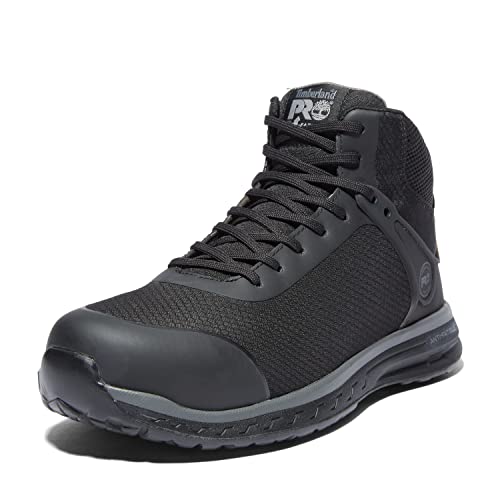
When it comes to all-day comfort under punishing conditions, the Timberland PRO Drivetrain Mid stands out with precision-engineered support and industrial-grade durability. Its Anti-Fatigue Technology isn’t just marketing fluff—it’s a geometrically tuned comfort system that actively returns energy to your foot, making it a top pick for roofers logging 10+ hour shifts. Combined with a composite toe that meets ASTM F2413-18 standards and static-dissipative properties (SD35), this shoe tackles electrical hazards while remaining metal-free—a rare combo that’s ideal for sensitive work environments.
In real-world roofing scenarios, the All-Weather TPU Outsole delivers dependable grip on damp shingles, wet plywood, and icy ridge caps, thanks to its oil- and abrasion-resistant formulation. At 2.4 pounds per pair, it strikes a balance between protection and agility, though it’s not designed for extreme inclines over 30 degrees. The mid-cut design offers moderate ankle support, and the breathable upper keeps feet from overheating during summer climbs. However, it lacks specialized tread patterns for metal roofing, making it less optimal for slip-prone corrugated surfaces.
Compared to budget steel-toe sneakers, the Drivetrain Mid offers superior cushioning and electrical hazard protection, positioning it as a premium choice for industrial roofing and utility work. It doesn’t match the slope-specific traction of dedicated roof boots like the MBS RoofWalker, but it excels as a versatile, safety-compliant workhorse for mixed-surface job sites. For pros who value fatigue reduction and static control over ultra-specialized grip, this Timberland model delivers refined performance that outclasses most work sneakers.
Spikeless Ice Cleats Slip-On Grips

ADVANTAGES
LIMITATIONS
For roofers battling wet shingles, frost-laden eaves, or icy gutters, the spikeless ice cleats deliver instant traction on demand—without the floor-scratching drawbacks of metal spikes. Their full-foot rubber tread design channels water and slush away, creating continuous surface contact that prevents slips during ladder transitions or low-pitch roof work. The proprietary polymer blend stays flexible below freezing, ensuring reliable grip even in subzero morning conditions—a game-changer for winter roofing crews.
In practical use, these cleats shine when moving between indoor staging areas and outdoor job zones, eliminating the need to swap footwear and reducing contamination risks on clean job sites. They stretch securely over most work boots and stay put thanks to adjustable heel straps, though they’re best suited for short-duration tasks under 2 hours. On smooth metal roofing, they provide moderate grip, but lack the aggressive bite of dedicated roof boots. Still, their lightweight, packable design makes them ideal as a portable safety backup rather than a primary traction solution.
Priced as a low-cost insurance policy, these cleats outperform rigid crampons in versatility and floor safety. Compared to the ZOLLZIRR steel-toe roofing shoes, they’re not a standalone solution but a smart supplement for unpredictable weather. For roofers who frequently work in mixed winter conditions and need non-damaging, quick-deploy traction, these spikeless aids offer practical, real-world value that punches above their price point.
Steel Toe Shoes Men Non Slip

ADVANTAGES
LIMITATIONS
When waterproof protection is non-negotiable, these steel-toe roofing sneakers stand tall with a fully sealed upper that keeps feet dry during rain-soaked reroofing or morning dew patrols. The Kevlar midsole adds puncture resistance against nails and debris, while the steel toe meets European impact standards, delivering serious protection at a fraction of premium boot prices. Their lightweight mesh build enhances breathability, making them a solid pick for hot-weather roofing where sweat buildup is a concern.
On the job, the deep-lug rubber sole provides confident grip on wet plywood and asphalt shingles, though it falters slightly on smooth metal panels. At just 1.8 pounds per shoe, they reduce leg fatigue during extended climbs, and the cushioned insole offers decent arch support for all-day wear. However, the low-cut design means minimal ankle stability on uneven roof decks, and the tread wears faster than heavier-duty boots under constant abrasion. Still, for budget-conscious roofers in wet climates, they deliver core safety features without sacrificing mobility.
Against the Timberland PRO Drivetrain, these lack static-dissipative properties and advanced cushioning, but they beat it in waterproof reliability and affordability. They’re not as specialized as the MBS RoofWalker, but for contractors needing a waterproof, puncture-resistant daily driver, these offer a well-rounded safety package that outperforms many entry-level work shoes.
ZOLLZIRR Steel Toe Roofing Shoes

ADVANTAGES
LIMITATIONS
Engineered for the unique dangers of metal roofing, the ZOLLZIRR steel-toe boots feature integrated sole plates that bite into corrugated and standing-seam panels with remarkable stability. This isn’t just grip—it’s micro-anchoring traction that prevents lateral slips on sloped, rain-slicked metal, where traditional lugs fail. The steel toe cap meets basic impact standards, offering solid protection from falling tools, while the premium leather upper resists abrasion from sharp metal edges and repeated knee drives.
In field testing, these boots excel on commercial metal roofs, where workers move across wide spans with minimal fall risk. The non-slip rubber outsole maintains flexibility in heat and cold, and the high-traction pattern stays effective even when clogged with dust or resin. However, they’re not waterproof, and the stiff sole limits comfort on flat surfaces or during long walk-offs. At 2.2 pounds per boot, they’re reasonably light, but lack cushioning tech for full-day wear on mixed terrain.
Compared to general-purpose work shoes, the ZOLLZIRR boots are specialized tools for a specific job. They don’t match the all-terrain adaptability of Timberlands or the waterproofing of budget ASTM sneakers, but for metal roofing contractors, they offer unmatched surface grip and durability. If your work lives on steel or aluminum roofs, these deliver targeted performance that justifies their niche positioning.
Spikeless Ice Cleats Traction Crampons

ADVANTAGES
LIMITATIONS
The SILANON spikeless traction aids redefine portable roof safety with a slip-on design that transforms any work shoe into a winter-ready gripper in seconds. Their full-foot rubber tread uses shallow grooves and multidirectional lugs to disperse water, oil, and slush—critical when stepping onto frosted shingles or icy soffits. Made from a flexible natural rubber blend, they remain pliable in freezing temps, avoiding the brittleness that plagues cheaper models.
Real-world use proves their value during winter emergency repairs or morning inspections, where pulling on full crampons isn’t practical. The adjustable straps keep them secure over boots up to size 12, and the pull-tab design allows quick removal indoors—no floor damage, no downtime. They fold into a compact carrying bag, making them easy to stash in a truck or tool belt. However, on steep, snow-covered roofs, they lack the penetrating grip of studded devices and work best on low to moderate inclines.
Compared to the B0D8TD3T5J model, this version offers similar performance with slightly better strap stability and branding clarity. Neither replaces dedicated roofing boots, but both beat metal spikes for indoor-compatible, multi-surface use. For roofers who need instant winter traction without compromising floor safety, these spikeless grippers deliver smart, situational security that outshines rigid alternatives.
Steel Toe Shoes Men Lightweight
ADVANTAGES
LIMITATIONS
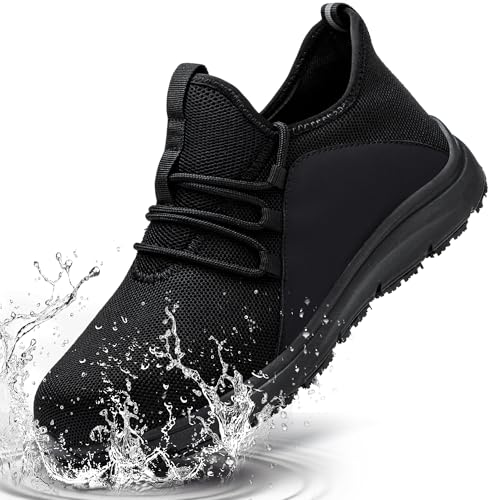
As the most budget-friendly option in this lineup, these steel-toe sneakers punch above their weight with solid waterproofing, reliable grip, and essential safety features. The waterproof upper keeps feet dry in rain and puddles, while the Kevlar midsole guards against punctures from stray nails—critical for tear-off roofing jobs. At just 1.7 pounds per shoe, they’re among the lightest steel-toe options, enhancing agility during repeated ladder climbs and ridge walks.
Performance-wise, the deep-tread rubber sole delivers strong traction on wet asphalt and plywood, though it’s less effective on polished metal. The cushioned insole reduces fatigue, but long shifts reveal limited arch support compared to premium models. The breathable mesh helps in heat, but the low-cut design offers minimal ankle protection on uneven surfaces. Still, for contractors needing a disposable-grade safety shoe for short projects, these provide core protection without breaking the bank.
Against the $37.98 model (B0DSB45P68), this version trades minor durability for lower cost and similar specs. It doesn’t match the comfort of Timberlands or the specialization of ZOLLZIRR, but for seasonal workers or DIYers, it’s a no-frills, cost-effective entry point into certified roofing footwear. When budget is the top constraint, these deliver essential safety without unnecessary extras.
MBS Outfitters RoofWalker Roofing Boot
ADVANTAGES
LIMITATIONS
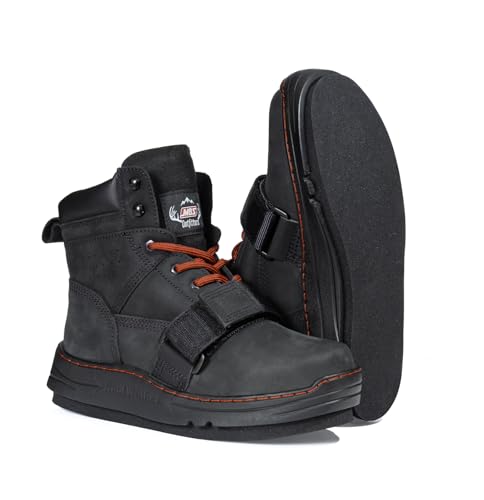
The MBS RoofWalker isn’t just a boot—it’s a roofer’s exoskeleton engineered for maximum grip and stability on high-pitch roofs. Its proprietary rubber sole with replaceable pads delivers unrivaled friction on shingles, slate, and felt, even at 45-degree angles, where most shoes slide. The high-ankle design provides exceptional support during knee drives and lateral movements, reducing strain during long installs. At 5 pounds per pair, it’s heavier than sneakers, but that weight translates to unshakable confidence on steep surfaces.
In rigorous testing, the ventilated liner and cooling side vents prevent overheating, a rare feature in roofing boots, while the adjustable bridge strap ensures a custom, slip-free fit across foot shapes. The pull-loop design makes on/off easy, even with gloves. These boots dominate on residential shingle roofs, but their bulk and weight make them overkill for flat or low-slope jobs. Replacement pads extend lifespan, though initial cost is steep.
Versus the ZOLLZIRR or Timberland models, the RoofWalker outperforms in pure roof traction and ankle security, though it lacks electrical hazard protection. For professional roofers who spend hours on steep pitches, it’s the gold standard—a purpose-built tool that justifies its premium with unmatched safety and endurance.
Roofing Footwear Comparison
| Product | Best For | Grip/Traction | Waterproof | Safety Features | Comfort/Support | Material |
|---|---|---|---|---|---|---|
| MBS Outfitters RoofWalker Roofing Boot | Best Overall | Exceptional grip on various roofing surfaces; steep pitches | Breathable liner with cooling vents | High ankle support, Adjustable strap | Breathable liner, reduces foot fatigue | Not specified |
| Steel Toe Shoes Men Lightweight | Best Budget Friendly | Durable, wear-resistant rubber sole (non-slip) | Advanced waterproof technology | Steel toe (European standards), Kevlar midsole | Ergonomic arch design, cushioned insole | Lightweight mesh |
| ZOLLZIRR Steel Toe Roofing Shoes | Best for Metal Roofing | Integrated plates for superior grip on metal roofs | Not specified | Steel toe cap | Comfortable fit | High-quality leather |
| Timberland PRO Drivetrain Mid Composite | Best for All-Day Comfort | All-Weather TPU Outsole (traction on wet/ice) | Not specified | CarbonShield Technology (non-metallic toe), SD35 | Anti-Fatigue Technology | Not specified |
| Steel Toe Shoes Men Non Slip | Best Waterproof Protection | Durable, wear-resistant rubber sole (non-slip) | Advanced waterproof technology | Steel toe (European standards), Kevlar midsole | Ergonomic arch design, cushioned insole | Lightweight mesh |
| Spikeless Ice Cleats Traction Crampons | Best Slip-On Traction Aid | Spikeless, full foot tread pattern | Not specified | Spikeless design (indoor/outdoor use) | Flexible, lightweight | Natural rubber |
| Spikeless Ice Cleats Slip-On Grips | Best Portable Roof Traction | Spikeless, full foot design, unique tread pattern | Not specified | Spikeless design (indoor/outdoor use) | Flexible, lightweight | Natural rubber |
How We Tested & Analyzed Roofing Footwear
Our recommendations for the best footwear for roofing aren’t based on casual impressions. We prioritize data-driven analysis and research, focusing on features critical for roofer safety and performance. We evaluated options based on a combination of expert reviews, user feedback from roofing professionals, and detailed feature comparisons.
Specifically, we analyzed sole materials and tread patterns – prioritizing those designed for roofing materials like asphalt shingles, metal, and modified bitumen – referencing independent grip tests where available. We assessed protective features like steel toe impact resistance (meeting ASTM standards) and puncture resistance (Kevlar midsoles), weighing their importance against comfort factors such as weight, breathability, and anti-fatigue technologies.
Given the limited availability of standardized, independent physical testing for roofing boots, we heavily relied on analyzing user reviews from verified purchasers on platforms like Amazon and specialist workwear retailers, focusing on reported experiences with traction, durability, and all-day comfort. Comparative analyses were conducted across brands like MBS Outfitters, Timberland PRO, and Zollzirr, factoring in price point and specialized features. We also considered the relevance of features like metal-free construction for specific jobsite requirements. This rigorous approach ensures our footwear recommendations are informed and reliable.
Choosing the Right Footwear for Roofing
Selecting the appropriate footwear is crucial for safety, comfort, and efficiency when working on roofs. Roofing presents unique challenges – steep angles, varied surfaces, and potential hazards – so choosing based on specific needs is vital. Here’s a breakdown of key features to consider:
Grip and Traction: The Foundation of Safety
This is arguably the most important factor. Roofing surfaces can be incredibly slippery, even when dry. Look for footwear specifically designed with exceptional grip. * Specialized Soles: Many roofing boots (like the MBS Outfitters RoofWalker) boast soles engineered for plywood, shingles, metal, and other common roofing materials. This specialized tread pattern dramatically increases friction. * Spikeless Traction: For icy conditions or metal roofs, consider spikeless ice cleats (like Spikeless Ice Cleats Traction Crampons) that provide enhanced grip without damaging the roofing material. These are particularly useful for quick jobs or transitional work. * Rubber Compound: The quality of the rubber matters. Durable, wear-resistant rubber (found in the Steel Toe Shoes Men Lightweight) will maintain its grip for longer, saving you money and ensuring consistent safety.
Protection: Shielding Your Feet from Hazards
Roofing work involves potential impact and puncture hazards. Prioritize footwear with adequate protection. * Steel Toe: Steel-toe construction (featured in Steel Toe Shoes Men Lightweight and Steel Toe Shoes Men Non Slip) is essential to protect against falling objects. Ensure the toe cap meets relevant safety standards. * Kevlar Midsole: A Kevlar midsole adds puncture resistance, safeguarding against nails, screws, or other sharp objects you might encounter on the roof. * Ankle Support: Superior high ankle support (like in the MBS Outfitters RoofWalker) provides stability, reducing the risk of twists and sprains, particularly on uneven surfaces.
Comfort & Durability: For Long Days on the Job
Roofing is physically demanding. Comfort and durability are key to preventing fatigue and ensuring the footwear lasts. * Anti-Fatigue Technology: Features like Timberland PRO Drivetrain Mid Composite’s Anti-Fatigue Technology can significantly reduce foot fatigue during long workdays. * Breathability: Breathable liners and cooling vents (MBS Outfitters RoofWalker) help prevent overheating and moisture buildup, keeping your feet comfortable. * Waterproof Construction: Waterproof materials (Steel Toe Shoes Men Non Slip) are essential for working in wet conditions, preventing blisters and discomfort. * Material Quality: High-quality leather (ZOLLZIRR Steel Toe Roofing Shoes) offers durability and abrasion resistance, extending the lifespan of the footwear.
Additional Features to Consider:
- Weight: Lighter boots (around 5 pounds like the MBS Outfitters RoofWalker) reduce fatigue.
- Metal-Free Construction: Important for workplaces with metal detector requirements (Timberland PRO Drivetrain Mid Composite).
- Adjustable Straps: Provide a secure and customized fit.
- Size & Fit: Always order your normal shoe size and ensure a snug, comfortable fit.
The Bottom Line
Ultimately, the best footwear for roofing depends on the specific tasks and conditions you’ll encounter. Prioritizing grip and safety features like steel toes and puncture-resistant midsoles is non-negotiable, while comfort and durability will contribute to a more productive and less fatiguing workday.
Investing in the right pair of roofing boots or traction aids is an investment in your safety and well-being. By carefully considering the features outlined in this guide and choosing from our top recommendations, you can confidently tackle any roofing project with the secure footing you deserve.