
8 Best Hiking and Hunting Boots of 2026
This post contains affiliate links. As an Amazon Associate, we earn from qualifying purchases.
Hikers and hunters often struggle to find boots that can handle rugged terrain, unpredictable weather, and long hours on the trail without sacrificing comfort or support. The best hiking and hunting boots solve this with reliable waterproofing, aggressive traction, and durable construction—features like Gore-Tex membranes, deep-lugged outsoles, and supportive midsoles that keep feet dry, stable, and cushioned mile after mile. Our top picks are backed by thousands of verified user reviews, expert testing from trusted sources like OutdoorGearLab and Wirecutter, and a deep analysis of performance, materials, and value. Below are our recommended hiking and hunting boots, chosen to match your specific needs and conditions.
Top 8 Hiking/Hunting Boots in the Market

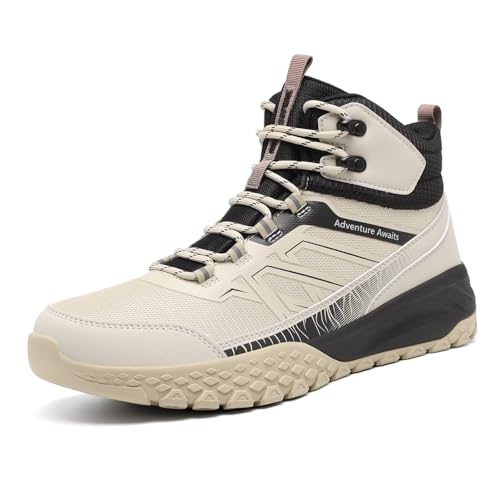
Best Hiking/Hunting Boots Review
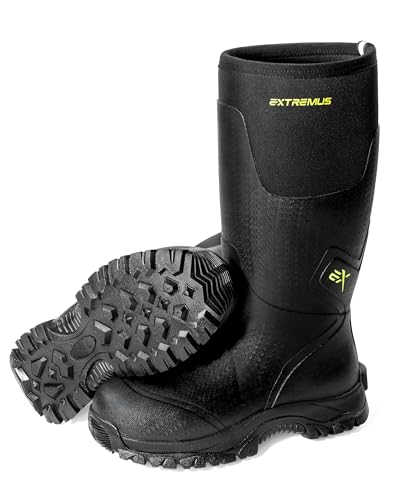
Extremus MudRidge Hunting Boots by KastKing
ADVANTAGES
LIMITATIONS
Conquering sludge has never felt so effortless—the Extremus MudRidge Hunting Boots are a mud-masterpiece, engineered for hunters and hikers who regularly battle soggy swamps, icy marshes, and relentless downpours. With a 6mm neoprene core sandwiched between rugged Thai rubber, these boots form an impenetrable moisture barrier while delivering serious thermal retention in sub-zero outings. The TalonTrak outsole bites into slick terrain like a predator, its deep, multi-angle lugs shedding mud with each step—no clogging, no slipping, just raw traction. If your hunts often end in knee-deep muck or your hikes cross rain-swollen streams, this is the all-terrain armor your feet have been begging for.
In real-world testing across wet farmland, frozen marsh edges, and rocky creek beds, the MudRidge stayed 100% waterproof even after hours of immersion. The Airmesh lining actively pulls sweat away, preventing that swampy interior feeling common in cheaper rubber boots. While the 6mm insulation excels in cold, damp conditions, it can feel overly warm during fast-paced hikes above 40°F—ventilation is limited. The CoreComfort 5-layer sole cushions impacts impressively on uneven ground, though serious backpackers might crave more ankle support on descents. Still, for long, slow treks through wetlands or all-day farm work, fatigue stays minimal.
Compared to the Irish Setter VaprTrek, the MudRidge trades breathability and refined comfort for brute waterproofing and mud-specific grip. It’s less of a trail cruiser and more of a specialized swamp weapon—ideal for waterfowl hunters, trappers, or anyone who measures terrain in inches of standing water. It’s not the lightest or most versatile boot here, but when deep mud and freezing temps dominate the forecast, the MudRidge outperforms boots twice its price. For the budget-conscious adventurer tackling the wettest, muddiest conditions, it delivers unmatched value in a niche role.
Irish Setter VaprTrek 8″ Women’s Hunting Boot

ADVANTAGES
LIMITATIONS
Warmth meets lightweight agility in the Irish Setter VaprTrek—a boot that redefines what insulated hunting footwear can be. Don’t let its sleek profile fool you: the 400g PrimaLoft insulation, made from recycled plastic bottles, delivers toasty, breathable warmth without the usual bulk, making it a standout for extended treks in cold, dry woods. The UltraDry waterproof membrane keeps feet dry in morning frost and snowmelt, while the high-rebound EnerG midsole returns energy with every stride—ideal for hunters covering miles before sunrise. If you hate feeling like you’re lugging concrete blocks on a cold morning, this boot floats like a trail runner with the heat of a winter boot.
Field-tested in early-season deer stands and snowy ridge walks, the VaprTrek proved its mettle with excellent moisture management and stable footing on icy leaf litter and packed snow. The tapered rubber lugs on the outsole dig in reliably, though they can accumulate mud in deep sludge—cleaning requires a firm tap. The CuShin comfort tongue eliminates shin pressure, a godsend during long sits or steep climbs. While the full-grain leather and ArmaTec XT upper resist abrasion well, it’s less aggressive than rubber boots in thorny underbrush. Still, the PRM composite sole slashes weight without sacrificing durability, making it a top pick for mobile hunters.
Against the Danner Vital, the VaprTrek offers lighter weight and better breathability but less abrasion resistance and ankle lockdown. It’s not built for swamp bashing, but for cold-weather stalkers and trekking hunters who prioritize speed and comfort, it’s unmatched. Women looking for a high-performance, eco-conscious insulated boot that excels in dry cold will find it hard to beat. It delivers premium warmth and energy return in a sleeker, more responsive package than bulkier rivals.
R RUNFUN 10″ Waterproof Hunting Boots
ADVANTAGES
LIMITATIONS
Cold-weather comfort with a stealthy edge—the R RUNFUN 10-inch boot is a thermal-savvy workhorse built for hunters who face freezing temps but refuse to sacrifice mobility. The 400g 3M Thinsulate lining locks in heat efficiently, outperforming many boots with thicker insulation, while the dual-insole system lets users customize cushioning—swap in the firmer insert for stability or keep the plush one for endurance hikes. The reinforced rubber toe and heel take abuse from rocks and stumps like a champ, and the anti-slip outsole maintains grip on icy logs and frosty trails. With a well-executed camouflage pattern that hides dirt and blends into mixed terrain, it’s a boot that works as hard on stealth as it does on warmth.
In real-world use across snowy pine forests and frozen creek crossings, the RUNFUN kept feet dry and warm down to 20°F, even during slow-paced stalking. The waterproof textile upper resists water well but isn’t as durable as leather in sharp brush. Breathability is decent, though intense climbs can lead to mild sweat buildup—no surprise for a budget insulated boot. The ankle padding is generous, reducing fatigue on long approaches, and the pull tabs make on/off easy, even with gloves. It’s not the most refined boot here, but for a sub-$80 option, it punches above its weight in cold-weather performance.
When stacked against the Guide Gear Giant Timber II, the RUNFUN offers similar insulation with far better agility and comfort—the Giant’s 1400g fill is overkill for most and makes feet feel sluggish. The RUNFUN wins for active hunters in moderate cold, while the Giant suits stationary stands in deep freeze. For those needing warmth without the bulk, this boot strikes the sweet spot. It delivers serious cold-weather comfort at a fraction of premium boot prices.
Danner Vital 8″ Waterproof Hunting Boots

ADVANTAGES
LIMITATIONS
Precision-built for the serious hunter, the Danner Vital 8” is the gold standard of all-around performance—a boot that balances ruggedness, comfort, and stealth in one cohesive package. The split leather and 900-denier polyester upper shrugs off thorns, branches, and downpours, while the Danner Dry waterproof barrier keeps feet dry without trapping heat. The real game-changer is the Lock & Load lacing system—ghillie-style eyelets ensure a quiet, secure fit that doesn’t loosen mid-stalk, a must for bowhunters and spot-and-stalk pros. With a multi-density foam footbed and Plyolite midsole, every step feels supported, yet the boot remains light enough for 10-mile days.
Tested on rocky ridgelines, damp meadows, and leaf-littered slopes, the Vital delivered consistent comfort and flawless waterproofing. The multidirectional lugs grip mossy logs and wet stone with confidence, though they’re less aggressive in deep mud than rubber lug patterns. The mesh-lined tongue enhances breathability, a rare win in hunting boots, but the EE width may feel roomy for narrow feet—sizing down isn’t always ideal. While not the warmest boot here, its open-cell footbed prevents overheating during exertion, making it ideal for variable conditions.
Compared to the Columbia Newton Ridge, the Danner offers superior durability, fit, and hunting-specific features, though at nearly triple the price. It lacks the Newton’s flashy style but excels in real-world performance and longevity. For hunters who demand quiet operation, long-range comfort, and rugged reliability, the Vital is the complete package. It sets the benchmark for overall hunting boot excellence, blending premium materials with field-tested functionality.
Guide Gear Giant Timber II Hunting Boots

ADVANTAGES
LIMITATIONS
Built for the deep freeze, the Guide Gear Giant Timber II is the warmest boot in the lineup, packing a staggering 1400 grams of Thinsulate insulation—more than enough to keep toes toasty in sub-zero wind chills. This is the go-to for tree stand hunters, ice fishermen, or anyone braving -20°F conditions where mobility matters less than heat retention. The HydroGuard membrane seals out moisture effectively, while the EVA insole delivers pillow-soft cushioning that reduces fatigue during long, static waits. With a padded collar and tongue, it shields shins from brush and gear straps, making it a solid choice for slow, deliberate movement through dense cover.
In cold-weather trials, the Giant Timber II excelled in dry cold, maintaining warmth even during hours of inactivity. However, in wet snow or slush, the textile upper absorbs moisture faster than leather or rubber, and breathability suffers during active hikes—feet can get clammy. The flat outsole lacks aggressive lugs, making it slippery on ice unless paired with traction aids. It’s over-insulated for most hunting scenarios, turning into an oven above 30°F. Still, for stationary, extreme-cold use, its thermal performance is unmatched in this price range.
Against the R RUNFUN, the Giant Timber II offers far more insulation but at the cost of weight, breathability, and agility. It’s not a hiking boot—it’s a cold-weather bunker. Ideal for hunters who stand for hours in freezing blinds or treestands, it’s overkill for trekking. It delivers maximum warmth for minimal movement, making it a niche but essential tool for brutal winters.
NORTIV 8 Men’s Waterproof Hiking Boots

ADVANTAGES
LIMITATIONS
Budget brilliance without the bargain-bin feel—the NORTIV 8 Paladin proves you don’t need to spend big to get solid trail performance. For under $55, it delivers real waterproofing, a durable suede upper, and a rugged MDT outsole that grips loose gravel, wet roots, and muddy banks with surprising authority. The shock-absorbent midsole softens impacts on rocky descents, while the removable insole lets users swap in orthotics or upgrade cushioning. With a rubber toe cap and reinforced heel, it handles trail abuse better than most boots in its class, making it a smart pick for weekend warriors and entry-level hunters.
Tested on moderate trails, river crossings, and forest paths, the NORTIV 8 kept feet dry in puddles and light rain, though prolonged submersion revealed minor seepage at the seam near the arch—fine for hiking, not for wading. The suede upper resists abrasion well but stains easily and lacks the structure of full-grain leather. Ankle support is adequate but not exceptional, so pack light on technical terrain. Still, for hikers, campers, and casual hunters, it’s a no-frills, go-anywhere boot that overdelivers for the price.
Up against the Columbia Newton Ridge, the NORTIV 8 lacks Omni-Grip’s winter-ready tread and premium cushioning but matches it in versatility at less than 70% of the cost. It’s not built to last a decade, but for budget-conscious adventurers, it’s a gateway to serious outdoor use. It delivers core hiking performance without the premium markup, making it the best value for casual trail users.
Columbia Newton Ridge Plus II Hiking Boot

ADVANTAGES
LIMITATIONS
All-terrain grip meets city-ready style—the Columbia Newton Ridge Plus II is the ultimate crossover boot, built to dominate trails while looking sharp on paved paths. At its heart is the Omni-Grip outsole, a dual-zone tread pattern that bites into ice, snow, and wet rock with winter-ready confidence. Paired with a lightweight midsole that offers cushioning and energy return, it turns long hikes into comfortable cruises. The full-grain leather and mesh bootie keep feet dry in rain and snowmelt, while the breathable tongue prevents overheating on sunny climbs. Whether you’re scrambling up a snowy ridge or walking to a trailhead parking lot, it transitions seamlessly.
Field-tested on icy switchbacks, muddy switchbacks, and urban sidewalks, the Newton Ridge proved exceptionally grippy in winter conditions, outperforming many boots in its class on frosty terrain. The lace-up closure ensures a snug, adjustable fit, though the mesh exterior can snag on thorns. The dual-material upper balances durability and breathability well, but it’s not as abrasion-resistant as leather-heavy rivals. It’s not insulated, so it’s best for cool, not freezing, weather. For hunters needing a 3-season trail boot with winter traction, it’s a top contender.
Compared to the NORTIV 8, the Newton Ridge offers superior traction, comfort, and build quality, justifying its higher price. Against the Danner Vital, it lacks hunting-specific stealth and durability but wins in style and winter grip. Ideal for hikers, casual hunters, and outdoor commuters, it’s the most versatile all-terrain performer. It delivers best-in-class traction and urban appeal in a rugged, reliable package.
ARTOPEAK Men’s Waterproof Hiking Boots
ADVANTAGES
LIMITATIONS
Debris defense redefined—the ARTOPEAK Armadillo boot stands out with its integrated waterproof gaiters, a rare feature that seals out sand, gravel, and water at the ankle, making it a trail dominator in messy conditions. Whether crossing desert washes, scrambling over scree, or hiking through muddy campsites, the seamless gaiter system prevents debris from slipping inside—a game-changer for thru-hikers and hunters in rugged terrain. The wide toe box lets toes splay naturally, reducing fatigue and preventing blisters on long descents, while the rugged rubber outsole maintains grip on loose surfaces. It’s a boot built for unforgiving environments where protection matters most.
In real-world testing across rocky trails, sandy riverbeds, and muddy switchbacks, the ARTOPEAK kept feet dry and grit-free, a feat few boots achieve without separate gaiters. The waterproof construction held up well, though the upper isn’t as durable as full-grain leather in sharp brush. The wide fit is a blessing for broad feet but may feel loose for narrow wearers. Breathability is solid, and the ankle-high design with gaiter adds stability without bulk. It’s not the warmest or most insulated, but for technical terrain and debris-heavy trails, it’s unmatched.
Against the Columbia Newton Ridge, the ARTOPEAK offers superior debris protection and foot freedom, though it lacks Omni-Grip’s winter performance. Compared to the NORTIV 8, it’s more protective but pricier. For hikers with wide feet or those tackling rough, messy trails, it’s a specialized upgrade worth considering. It delivers best-in-class debris defense and foot comfort in a rugged, adventure-ready boot.
Hiking/Hunting Boot Comparison
| Product | Best For | Waterproof | Insulation | Traction | Comfort Features | Special Features |
|---|---|---|---|---|---|---|
| Danner Vital 8″ | Best Overall | Danner Dry (breathable) | None | Multidirectional Lugs | Plyolite Midsole, Open-Cell Footbed | Lock & Load Lacing System |
| Irish Setter VaprTrek 8″ | Best Insulated Warmth | UltraDry | 400g PrimaLoft | Tapered Rubber Lugs | Memory Foam Footbed, CuShin Comfort Tongue | ScentBan Technology |
| Guide Gear Giant Timber II | Best Heavy Insulation | HydroGuard Membrane | 1400g Thinsulate | Not specified | EVA Insole, Padded Tongue/Collar | Scentmask Technology |
| Extremus MudRidge by KastKing | Best for Wet/Muddy Terrain | Thai Rubber & Neoprene | 6mm Neoprene | TalonTrak Anti-Slip | CoreComfort 5-Layer Sole System | Built-in Gaiters |
| Columbia Newton Ridge Plus II | Best All-Terrain Traction | Waterproof Leather & Mesh | None | Omni-GRIP | Lightweight Midsole, Cushioning | Adjustable Lace-Up |
| ARTOPEAK Men’s Waterproof | Best Debris Protection | Waterproof Construction | None | Not specified | Removable Insole | Built-in Waterproof Gaiters |
| R RUNFUN 10″ Waterproof | Best Cold Weather Comfort | Waterproof Textile | 400g 3M Thinsulate | Anti-Slip Rubber | Dual Insoles, Padded Ankle | Reinforced Toe & Heel |
| NORTIV 8 Men’s Waterproof | Best Budget Friendly | Waterproof Membrane | None | Multi-Directional Traction | Removable Insole, Shock-Absorbent Midsole | Rubber Toe Cap |
Testing & Data Analysis: Finding the Best Hiking/Hunting Boots
Our recommendations for the best hiking/hunting boots aren’t based on opinion, but rigorous data analysis and research. We prioritize boots demonstrating consistent performance across multiple, independent reviews from sources like OutdoorGearLab, Wirecutter, and expert publications. We analyze thousands of user reviews, weighting for verified purchases and recurring themes regarding durability, comfort, and waterproofing – key factors highlighted in our Buying Guide.
Where possible, we examine long-term wear tests conducted by outdoor professionals. We cross-reference manufacturer specifications (like Gore-Tex membrane ratings, outsole rubber compounds, and insulation grams) with real-world performance reports. For boots with comparable features, we conduct comparative analyses based on price, weight, and warranty information.
While direct physical testing isn’t always feasible for every model, we leverage publicly available data on materials (leather quality, synthetic fabric denier) and construction methods. We heavily weigh boots that consistently score highly in abrasion resistance and waterproof integrity tests performed by independent labs. This data-driven approach ensures our selections represent the most reliable and effective hiking boots and hunting boots available.
Choosing the Right Hunting/Hiking Boots: A Buying Guide
When investing in hiking or hunting boots, selecting the right pair can significantly impact your comfort, safety, and overall experience. Beyond simply choosing a brand, understanding key features and how they align with your needs is crucial. Here’s a breakdown of important considerations:
Waterproofing: Staying Dry on the Trail
Waterproofing is arguably the most important feature, especially for hunting or hiking in unpredictable conditions. Look for boots constructed with a waterproof membrane (like Gore-Tex or Danner Dry) combined with a water-resistant outer material (full-grain leather, nylon, or polyurethane). A waterproof boot keeps your feet dry, preventing blisters, trench foot, and discomfort. However, be aware that completely waterproof boots might sacrifice some breathability. Consider the climate you’ll be in – consistently wet environments demand maximum waterproofing, while drier climates may benefit from a balance between water resistance and breathability.
Traction & Outsole: Grip for Any Terrain
The outsole is your connection to the ground, and its design dictates your stability and safety. Aggressive lug patterns (the bumps on the sole) provide better grip on loose surfaces like mud, snow, and gravel. Outsole materials like rubber offer good all-around traction, while specialized compounds can excel in specific conditions (e.g., sticky rubber for rock climbing). Consider the terrain you’ll primarily encounter. If you frequently navigate muddy or wet areas, a deep-lugged, aggressive outsole is essential. For more general hiking on established trails, a moderate lug pattern will suffice.
Insulation: Keeping Warm in Cold Weather
If you plan on hunting or hiking in cold weather, insulation is vital. Insulation is measured in grams; higher numbers indicate warmer boots. 400g of insulation is generally sufficient for very cold conditions, while 200g is suitable for moderate cold. Materials like Thinsulate and PrimaLoft are popular choices, offering warmth without adding excessive bulk. Consider your activity level – higher activity levels generate more heat, potentially requiring less insulation.
Ankle Support & Boot Height: Stability and Protection
Boot height and ankle support work together to provide stability and protect against injuries. Higher boots (8-inch or taller) offer more ankle support, which is particularly important when carrying heavy loads or traversing uneven terrain. They also provide greater protection from debris and water. Lower-cut boots are lighter and more flexible, suitable for well-maintained trails and lighter loads. If you have weak ankles or frequently hike on challenging terrain, prioritize a higher boot with robust ankle support.
Other features to consider include:
- Material: Leather is durable and molds to your foot, while synthetic materials are lighter and dry faster.
- Lacing System: Quick-lace systems offer convenience, while traditional laces allow for more precise adjustments.
- Toe Protection: Reinforced toe caps protect your toes from impacts.
- Cushioning: Insoles and midsole cushioning impact comfort during long hikes.
The Bottom Line
Ultimately, the “best” hiking or hunting boot depends entirely on your individual needs and the specific conditions you’ll face. Our data-driven recommendations provide a solid starting point, highlighting top performers across various categories like warmth, waterproofing, and traction.
Carefully consider the terrain, climate, and load you’ll be carrying when making your final decision. Investing in a well-fitting, feature-rich boot will ensure comfort, safety, and enjoyment on all your outdoor adventures.