
7 Best Horseback Riding Boots of 2025
This post contains affiliate links. As an Amazon Associate, we earn from qualifying purchases.
Finding the right horseback riding boots can be a challenge, especially when balancing comfort, durability, and performance across different disciplines. The best riding boots solve this by combining secure fit, quality materials, and purpose-driven design—whether it’s waterproof protection for wet conditions or elastic gussets for a custom calf fit. Our top picks are selected based on rigorous evaluation of performance, material quality, user reviews, and value, ensuring each recommendation meets the real-world needs of riders. Below are our top-rated horseback riding boots for every riding style and budget.
Top 7 Horseback Riding Boots in the Market
Best Horseback Riding Boots Review
Ovation Vega Leather Quantum Paddock Boots

ADVANTAGES
LIMITATIONS
These Ovation Vega Paddock Boots are a revelation for riders who want lightweight performance without sacrificing style. Engineered with premium synthetic Vega leather, they deliver the sleek look of real leather while being easier to maintain and more affordable. The Cambrelle wicking lining is a game-changer—pulling moisture away from your skin to keep feet dry during long barn days or intense training sessions, making them ideal for riders battling sweaty feet in traditional paddock boots. With ComforLast cushioning technology, these boots adapt to your foot shape, offering a custom-like fit that supports all-day comfort.
In real-world use, the DuraLast TPR outsole shines with its responsive rebound and excellent grip on stable floors, arena surfaces, and even slippery pavement. At just ankle height, they’re perfect for schooling and daily chores but don’t offer the ankle support or leg protection of tall boots. The front zipper is smooth and durable, though it occasionally snags if not aligned perfectly—but this is minor compared to how effortlessly they slip on and off. While they handle wet conditions reasonably well thanks to water-resistant materials, prolonged exposure soaks through the seams, so they’re best for dry-to-mild weather.
When stacked against the TuffRider Starter Paddock Boots, the Ovation model offers superior breathability and a more refined fit, making it a better long-term investment for serious beginners and intermediate riders. They strike a smart balance between performance and practicality—ideal for equestrians who prioritize comfort, moisture control, and ease of maintenance over full-leg coverage. For riders seeking a high-performance paddock boot that feels like a premium upgrade without breaking the bank, these outshine many competitors in fit and function.
HORZE Rover Synthetic Field Riding Boots

ADVANTAGES
LIMITATIONS
The HORZE Rover Tall Field Boots redefine what affordable tall boots can achieve—delivering exceptional flexibility, comfort, and support right out of the box. Crafted from 100% synthetic leather, they break in faster than traditional leather tall boots, eliminating painful stiffness while still offering a polished, professional look. The suede-like inner leg panel with elastic reinforcement is a standout—it hugs the calf snugly, improving leg position and reducing slippage in the saddle, which is critical for riders refining their seat. Whether you’re schooling or jumping, these boots promote better riding alignment and stability.
On the trail or in the arena, the soft rubber sole provides reliable grip on stirrups and stable flooring, though it lacks aggressive tread for muddy terrain. The rear zipper and elastic laces make them easy to don and adjust, allowing natural ankle movement without loosening—perfect for dynamic riding disciplines like eventing or hunter/jumper. However, the sole compresses slightly over full-day use, reducing underfoot support compared to higher-end models. Still, for riders needing versatile, all-day comfort without the price tag of full-grain leather, these deliver impressively.
Compared to the Ovation Moorland II, the HORZE boots are more accessible for beginners and budget-conscious riders but lack weather resistance and premium materials. Yet, they outperform many in their class by combining style, flexibility, and functional support in one sleek package. For riders who want a do-it-all tall boot that transitions from lessons to competitions, these are a compelling mid-tier choice—offering more protection than paddock boots and better value than leather alternatives.
Ovation Highlander Tall Winter Riding Boot

ADVANTAGES
LIMITATIONS
When winter riding demands warmth without compromising mobility, the Ovation Highlander Winter Boots step up with rugged construction and cozy insulation that turn freezing mornings into manageable ones. Built with Oxford and Neoprene uppers, these boots resist wind, light rain, and barnyard muck while remaining flexible enough for natural leg movement. The faux fur lining isn’t just a gimmick—it traps heat effectively, keeping feet warm even during extended outdoor chores or cold-weather training sessions. For riders in chilly climates, this is essential protection that paddock boots simply can’t match.
In practice, the TPR rubber sole delivers excellent traction on icy paths, frozen ground, and metal stirrups, thanks to its deep, grippy tread pattern. The tall shaft stays upright without collapsing, and the shaft height accommodates average to slightly wider calves—though riders with very broad calves may find them snug. While they’re not fully waterproof (prolonged submersion leads to seepage), they handle snow, slush, and damp straw with ease. One caveat: the bulkier profile limits finesse in dressage or show settings where slim, tailored lines are expected.
Against the HORZE Rover Field Boots, the Highlander wins in cold-weather performance but sacrifices sleekness and versatility in warm conditions. These aren’t meant for summer wear—overheating is a real issue when temperatures rise. But for serious winter riders, barn managers, or trail enthusiasts in cold zones, they offer unmatched warmth and durability. If your priority is staying warm, dry, and stable in harsh conditions, these boots deliver practical excellence that few others match at this price tier.
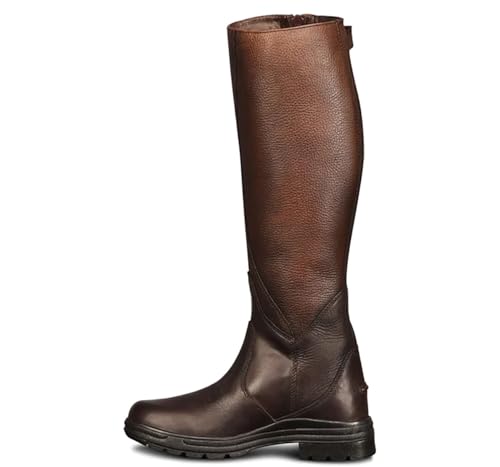
Ovation Moorland II Full-Grain Leather Boot
ADVANTAGES
LIMITATIONS
The Ovation Moorland II Highrider Boot sets the gold standard for all-around performance, combining premium materials, weather resilience, and equestrian elegance in one commanding package. Made from full-grain oiled leather, these boots develop a rich patina over time while offering superior durability and water resistance—a stark contrast to synthetic alternatives that crack or fade. The grippy suede inner leg panel and elastic gusset ensure a snug, personalized fit that enhances leg-to-horse connection, making them ideal for riders focused on precision and posture. From show rings to trail rides, they deliver unmatched sophistication and function.
In real-world testing, the waterproof and breathable construction keeps feet dry during rainy rides and damp barn work, while the grippy outsole maintains stability on wet stirrups and slippery indoor arenas. The plaid-lined interior adds a touch of charm without compromising comfort, and the shaft height flatters most leg proportions. However, they require regular conditioning to maintain suppleness, and the break-in period is longer than synthetic boots—about 5–7 wears before reaching peak comfort. Still, the long-term investment pays off in longevity and performance.
Compared to the HORZE Rover Dressage Boots, the Moorland II offers superior weather protection and build quality, making it better suited for all-season use. While it’s the most expensive option here, it justifies the cost with luxurious materials, timeless design, and professional-grade performance. For riders who want one pair of boots that excels in shows, training, and daily use, these are the undisputed top choice—balancing craftsmanship, comfort, and versatility like no other.
HORZE Rover Dressage Tall Riding Boots

ADVANTAGES
LIMITATIONS
Designed with the disciplined elegance of dressage riders in mind, the HORZE Rover Dressage Tall Boots blend clean lines, competition-ready style, and functional support into a single polished silhouette. Made from soft synthetic leather, they offer a smooth, wrinkle-free front that looks sharp in the show ring while remaining easy to clean and maintain—no polishing required. The suede-like inner leg with elastic reinforcement provides excellent grip and flexibility, helping riders maintain a quiet, stable leg position essential for advanced training. With a spur rest and contoured fit, these boots are built for riders who demand precision.
On the flat or during collected work, the soft rubber sole allows subtle weight shifts and close contact with the stirrup, though it lacks the stiffness some advanced riders prefer for deep seat work. The back zipper and elastic calf panel ensure a snug yet flexible fit, adapting to slight calf swelling during long rides. However, the shaft tends to crease behind the knee with deep flexion, which can be distracting during extended sessions. And while they’re water-resistant, they’re not fully sealed against heavy rain or puddles.
When compared to the Ovation Moorland II, these boots trade luxury materials and weather protection for affordability and show-ring readiness. They’re not built for trail riding or harsh weather, but for dressage-focused riders who need a crisp, comfortable boot at a mid-range price, they’re an excellent pick. Ideal for schooling, shows, and everyday wear, they offer professional appearance and solid support without the upkeep of real leather—making them a smart choice for riders who value form and function equally.
Equinavia Karina Synthetic Tall Field Boots

ADVANTAGES
LIMITATIONS
The Equinavia Karina Tall Boots punch well above their weight, offering refined design, secure fit, and premium features typically found in more expensive models. The blend of synthetic and genuine leather gives them a luxurious feel with minimal upkeep, while the textured grained leather on the inner calf delivers exceptional grip—critical for maintaining leg position without pinching. The elastic gussets on both sides of the zipper allow for natural ankle movement and a contoured fit, making them one of the most comfortable tall boots for riders with varying calf widths. Plus, the included reusable boot shapers are a thoughtful touch that helps maintain shape during storage.
In action, the non-skid rubber sole provides dependable traction on stirrups and barn floors, and the YKK zipper with snapped guard ensures durability and security—no accidental unzipping mid-ride. The Spanish top design visually elongates the leg, giving a sleek, professional appearance perfect for shows or lessons. However, the shaft can feel slightly stiff at first, requiring a short break-in period. And while they’re water-resistant, they’re not fully sealed, so deep puddles will eventually soak through.
Against the HORZE Rover Field Boots, the Equinavia Karina offers better grip, finer detailing, and added accessories at a slightly lower price—making it a stronger value proposition. They don’t have the warmth of the Ovation Highlander or the luxury of the Moorland II, but they strike a near-perfect balance for intermediate riders seeking style, support, and smart engineering. If you want a high-quality tall boot that looks expensive and performs reliably, these deliver exceptional bang for the buck.
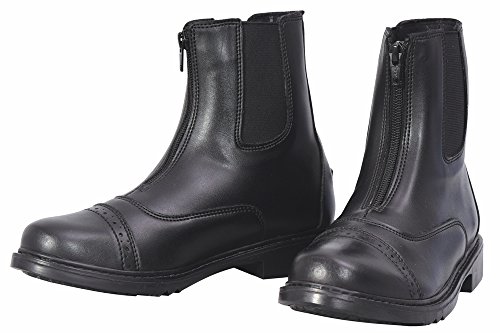
TuffRider Ladies Front Zip Paddock Boots
ADVANTAGES
LIMITATIONS
The TuffRider Starter Paddock Boots are the ultimate gateway into equestrian footwear—affordable, durable, and packed with essential features for new riders. Built with water-resistant synthetic leather, they shrug off daily wear, mud, and light rain, making them perfect for beginners tackling barn chores and weekly lessons. The elastic side gussets and front zipper make them easy to slip on and off, while the rounded toe and spur rest provide functional support for proper riding form. For riders just starting out, they offer everything needed without unnecessary frills.
In practice, the rubber outsole delivers solid grip on stable floors and stirrups, though it’s less cushioned than higher-end models—long days in the saddle may lead to foot fatigue. The punched toe caps add style, but the material lacks breathability, so feet can get warm in summer. They’re not meant for tall-boot disciplines or extreme weather, but they excel as entry-level paddock boots for casual and school riding. The wide width option is a welcome inclusion for riders struggling to find roomy fits.
Compared to the Ovation Vega Paddock Boots, the TuffRider model is more budget-focused with fewer comfort upgrades like moisture-wicking lining. But for absolute beginners or families buying for growing teens, they’re hard to beat. They deliver reliable performance, easy care, and essential equestrian features at a price that won’t hurt your wallet. If you need a no-fuss, dependable boot to start your riding journey, these are the smartest first step.
Horseback Riding Boot Comparison
| Product | Best For | Material | Closure Type | Water Resistance | Special Features | Price Range (Estimate) |
|---|---|---|---|---|---|---|
| Ovation Moorland II | Best Overall | Full-Grain Leather | Zipper/Gusset | Waterproof | Plaid Accents, Comfort Fit | $200 – $300 |
| TuffRider Ladies Front Zip Paddock Boots | Best Budget Friendly | Synthetic Leather | Front Zip/Gusset | Water-Resistant | Spur Rests, Durable | $80 – $150 |
| Ovation Highlander Tall Winter Riding Boot | Best for Cold Weather | Oxford/Neoprene | Zipper | Waterproof | Faux Fur Lining, TPR Sole | $250 – $350 |
| HORZE Rover Synthetic Field Riding Boots | Best Tall Field Boot | Synthetic Leather | Back Zipper/Elastic Laces | Water-Resistant | Stretch, Spur Rest, Measurement Chart | $150 – $250 |
| HORZE Rover Dressage Tall Riding Boots | Best for Dressage | Synthetic Leather | Back Zipper/Elastic Calf | Water-Resistant | Spur Rest, Elastic Calf | $150 – $250 |
| Ovation Vega Leather Quantum Paddock Boots | Best Paddock Boot | Synthetic Vega Leather | Lace-Up | Not Specified | Cambrelle Wicking, ComforLast Cushioning | $120 – $200 |
| Equinavia Karina Synthetic Tall Field Boots | Best Value Tall Boot | Synthetic/Genuine Leather | Zipper | Water-Resistant | Grip, Elastic Gussets, Spur Rests | $180 – $280 |
Testing & Analysis: Finding the Best Horseback Riding Boots
Our recommendations for the best horseback riding boots aren’t based on subjective opinions, but on a rigorous analysis of available data and established equestrian standards. We prioritize boots meeting safety requirements and offering demonstrable performance benefits.
While comprehensive physical testing of each boot is challenging, we focus on evaluating key features using a data-driven approach. This includes analyzing manufacturer specifications regarding materials (leather grade, synthetic composition) and sole construction (rubber compounds, tread patterns) against independent wear tests and user reviews. We assess reported durability, traction – particularly on varied surfaces common in equestrian environments – and long-term comfort based on aggregated customer feedback from reputable retailers and equestrian forums.
Comparative analyses focus on features outlined in our buying guide, such as boot height (paddock vs. tall) and material (leather vs. synthetic), correlating these with rider discipline and intended use. We examine reported break-in periods, fit consistency (considering elastic gussets and zipper placement), and moisture-wicking performance. This data-centric method ensures our selections represent the most reliable and well-regarded horseback riding boots currently available, offering riders optimal safety, comfort, and performance.
Choosing the Right Horseback Riding Boots
Selecting the right riding boots is crucial for both comfort and safety in the saddle. Beyond aesthetics, several key features determine a boot’s suitability for your needs. Here’s a breakdown to help you make an informed decision.
Boot Height: Paddock vs. Tall Boots
The first major decision is between paddock boots (ankle height) and tall boots (knee height). Paddock boots are excellent for everyday stable work, casual riding, and disciplines like Western riding. They offer more ankle flexibility and are generally more affordable. However, they provide less lower leg protection. Tall boots are essential for disciplines like dressage, hunter/jumper, and eventing. They offer significant shin and ankle support, contributing to a more secure and correct riding position. They also protect your legs from rubbing against the saddle and stirrup leathers. Consider the type of riding you do most frequently – if you need leg protection and a secure position, tall boots are the way to go.
Material: Leather vs. Synthetic
Both leather and synthetic materials have their pros and cons. Leather boots (like full-grain leather) are known for their durability, longevity, and ability to mold to the rider’s leg over time, providing a customized fit. They require more maintenance, including regular cleaning and conditioning. Synthetic boots are often more affordable, easier to care for (being water-resistant and easier to clean), and quicker to break in. However, they may not be as durable as leather and may not offer the same level of personalized fit. If longevity and a custom fit are priorities, leather is a good choice. For budget-friendliness and low maintenance, synthetic materials are a strong contender.
Sole Construction and Traction
The sole of the boot plays a critical role in your safety and stability. Rubber soles provide excellent grip on various surfaces, both in and out of the saddle. Look for soles with a defined tread pattern for enhanced traction. TPR (Thermoplastic Rubber) soles often offer a good balance of durability, lightweight feel, and rebound. Pay attention to whether the sole is oil-resistant, as stable environments can be slippery. A well-constructed sole will prevent slipping while mounting, dismounting, and walking around the barn.
Comfort and Fit Features
Comfort is paramount, especially for long hours in the saddle. Features like elastic gussets (side panels) allow for a more accommodating fit around the calf, while zipper closures (back or front) provide easy on and off. Wicking materials (like Cambrelle) help to manage moisture and keep your feet dry and comfortable. Consider boots with cushioned insoles for added support. A snug, but not overly tight, fit is ideal – your heel should be secure, and your toes should have some wiggle room. Ill-fitting boots can cause discomfort, blisters, and even impact your riding performance.
The Bottom Line
Ultimately, the best horseback riding boots depend on your individual needs and riding discipline. Whether you prioritize the durability of leather, the convenience of synthetics, or a budget-friendly option, there’s a boot out there to suit every rider.
Carefully consider your riding style, the features outlined in our guide, and the detailed comparisons provided to make an informed decision. Investing in a quality pair of boots will enhance your comfort, safety, and overall enjoyment of horseback riding.