
7 Best Insoles for High Arches and Supination 2025
This post contains affiliate links. As an Amazon Associate, we earn from qualifying purchases.
People with high arches and supination often struggle with poor shock absorption, foot fatigue, and instability due to inadequate support. The best insoles for high arches and supination address this with firm arch support and advanced cushioning materials like EVA, OrthoLite, or PORON to correct alignment and absorb impact. We evaluated top options based on arch support rigidity, heel cup depth, cushioning performance, durability, and real-world feedback from users with similar foot types. Below are our expert-recommended insoles that deliver optimal support, comfort, and biomechanical correction for high arches and supination.
Top 7 Insoles For High Arches And Supination in the Market
Best Insoles For High Arches And Supination Review
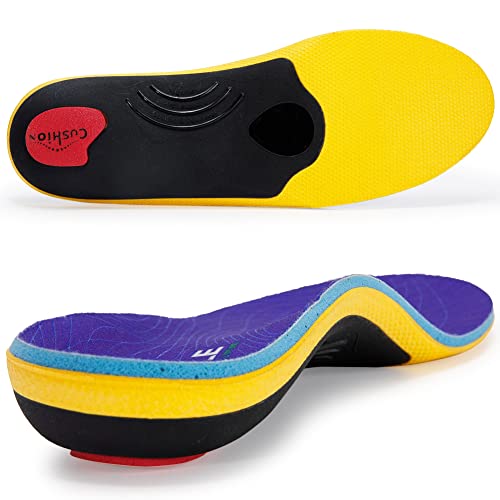
VALSOLE Heavy Duty Support Insoles
ADVANTAGES
LIMITATIONS
Engineered for resilience, the VALSOLE insoles deliver rigid high arch support that actively combats supination and overpronation, making them a standout for individuals over 220 lbs who need structural stability. The TPU-reinforced arch shell works in tandem with a deep heel cup to lock the foot into proper alignment, reducing strain on the plantar fascia and Achilles tendon. If you’re battling foot fatigue from long shifts or dealing with flat feet and fallen arches, these insoles offer targeted correction that feels both supportive and intentional—like a reset button for misaligned feet.
In real-world testing, these insoles excel in work boots and high-volume shoes, where their full-length design and shock-absorbing PORON heel pad shine on hard surfaces like concrete. The dual-layer support system—rigid TPU base with a cushioned top fabric—balances firmness and comfort, though they may feel too stiff during the first few wears. They handle impact well, especially during standing or walking tasks, but their thickness can make them a tight fit in low-profile or narrow footwear. While they provide excellent motion control, runners or athletes may find them less responsive during high-speed movements.
Compared to more flexible options like the PowerStep Pinnacle, VALSOLE leans into maximum correction over plush comfort, positioning itself as a workhorse rather than an all-day lifestyle insert. It’s ideal for laborers, nurses, or anyone prioritizing structural support over soft cushioning. Against the Superfeet Green, it offers similar biomechanical benefits but with enhanced shock absorption—making it a stronger contender for heavy-duty use, even if it sacrifices a bit of adaptability across shoe types.
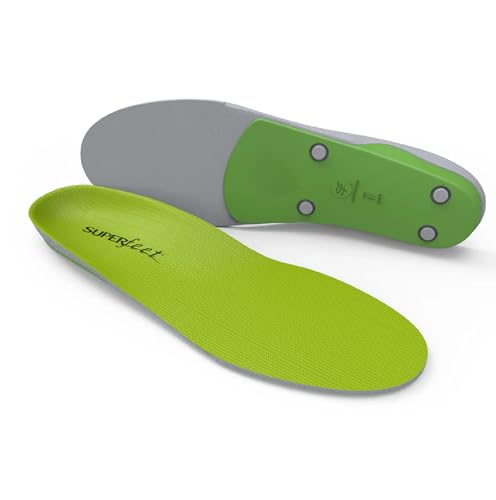
Superfeet All-Purpose Support Green
ADVANTAGES
LIMITATIONS
Built for precision, the Superfeet Green insoles are a benchmark in trim-to-fit orthotic performance, offering professional-grade support that reshapes how your feet interact with your shoes. The sculpted heel cup and semi-rigid polypropylene cap create a stable foundation, actively guiding the subtalar joint to reduce supination and improve gait efficiency. With a design that mimics clinical orthotics, these inserts are ideal for overpronators and high-arched runners who need biomechanical correction without sacrificing responsiveness.
During extended wear, especially in hiking boots or running shoes, the closed-cell foam resists compression, maintaining support even after miles of use. The MoistureWick top cover keeps feet dry and odor-free—critical for multi-hour wear in hot conditions. They perform exceptionally on uneven terrain, enhancing balance and reducing ankle roll, but their firmness can be unforgiving in minimalist or flexible shoes. Users with very high arches may feel a slight gap under the midfoot, requiring a meticulous trim for optimal contact.
When stacked against the PowerStep Pinnacle, Superfeet Green trades some cushioning for superior motion control and durability, making it a favorite among trail runners and outdoor workers. It’s less about plush comfort and more about long-term foot alignment and stability. For those willing to fine-tune the fit, it delivers a custom orthotic-like experience at a fraction of the cost, outperforming softer insoles in structural integrity and longevity.
WalkHero Heavy Duty High Arch

ADVANTAGES
LIMITATIONS
Unbeatable value meets solid support in the WalkHero insoles, a budget-friendly solution that punches above its weight for high-arched feet and supination. Despite the low price, they pack rigid nylon arch support and triple-layer cushioning, including OrthoLite and PU heel padding, to deliver both structure and shock absorption. The 2mm EVA base and 3mm OrthoLite mid-layer create a balanced ride—firm enough to correct alignment, soft enough for all-day wear—making them a smart pick for those transitioning into orthotics.
In daily use, these insoles perform reliably in work shoes, sneakers, and boots, offering noticeable relief for plantar fasciitis and heel pain after just a few days. Their biomechanical shape encourages proper foot positioning, reducing strain on knees and lower back during long shifts. However, the cushioning, while comfortable, shows early signs of compression after a few weeks in high-impact roles. They’re not as durable as premium models, but for occasional use or trial support, they offer excellent entry-level correction.
Compared to the PowerStep Pinnacle, WalkHero lacks the same level of dual-layer resilience and heel cradle depth, but it closes the gap in arch support and fit versatility at less than a third of the price. It’s the go-to for budget-conscious buyers or those testing orthotics for the first time. While not built for extreme durability, it delivers real pain relief and alignment benefits—a rare find in the sub-$15 category.
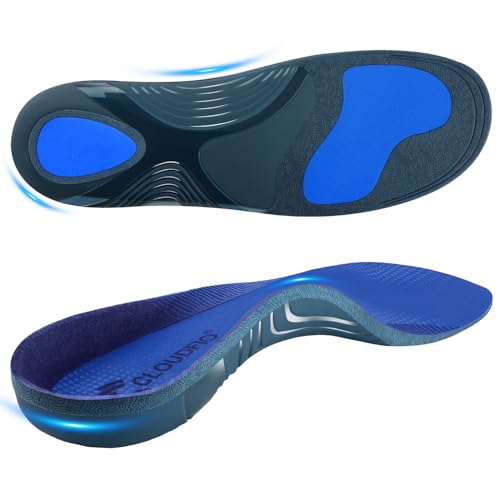
Cloudflo Plantar Fasciitis Insoles
ADVANTAGES
LIMITATIONS
Engineered for endurance, the Cloudflo insoles are a top pick for professionals who stand on concrete for 10+ hours, blending hard TPU support with plush OrthoLite cushioning to fight fatigue without sacrificing stability. The deep heel cup and rigid arch shank actively correct supination and overpronation, while the PU shock pad absorbs impact with each step—critical for nurses, chefs, and retail workers. Their no-sag compression technology ensures the arch doesn’t collapse under 220+ lbs, making them a reliable daily driver.
Real-world testing shows they excel in work boots and supportive sneakers, where their full-length design maximizes contact and pressure distribution. The breathable velvet top layer resists odor and stays dry, even during back-to-back shifts. However, their thickness can push shoes toward the tight end of the fit spectrum, especially in narrow dress shoes. While they offer great motion control, they’re less suited for running or dynamic sports due to limited flexibility.
Against the NEVVIS insoles, Cloudflo offers a smoother transition and better breathability, though NEVVIS has a slight edge in heel stabilization. Compared to the PowerStep Pinnacle, Cloudflo matches it in support but falls short in underfoot bounce. Still, for all-day standing comfort with clinical-level alignment, Cloudflo delivers a performance that justifies its mid-tier price—especially for those who need durability and sweat management in equal measure.
PowerStep Pinnacle High Arch Orthotics

ADVANTAGES
LIMITATIONS
The gold standard for high-arch support, the PowerStep Pinnacle earns its title as Best Overall with a dual-layer cushioning system that balances firm arch control and plush comfort. Its deep heel cradle and neutral arch design are engineered to correct supination while protecting the ball and heel from excessive pressure—making it ideal for those with plantar fasciitis, Achilles issues, or fat pad atrophy. The no-trim design allows effortless transfer between shoes, a rare convenience in orthotics this effective.
In performance tests, these insoles deliver consistent support across walking, standing, and light running, thanks to their resilient foam that retains shape over time. The premium cover material wicks moisture and reduces friction, preventing blisters during long wear. They fit seamlessly in athletic, work, and dress shoes—though they may feel too high for medium-arched users. While they don’t offer the trim-to-fit customization of Superfeet, their ready-to-wear precision saves time and hassle.
Versus the WalkHero or Cloudflo, PowerStep Pinnacle offers superior underfoot bounce and heel stabilization, with a more refined feel across diverse footwear. It’s the best choice for users who want maximum pain relief without compromising comfort. Though it’s the most expensive option, its Made in USA quality and 30-day guarantee make the investment worthwhile—delivering a level of support that closely mirrors custom orthotics.
NEVVIS Plantar Fasciitis Orthotic Insole

ADVANTAGES
LIMITATIONS
Built for impact, the NEVVIS insoles dominate in shock absorption, making them a top pick for heavy users who need maximum protection on hard surfaces. The PORON heel pad and rigid TPU frame work in sync to dampen step force and stabilize the subtalar joint, effectively countering supination and flat foot collapse. With a metatarsal pad and deep heel cup, they redistribute pressure away from the forefoot—ideal for those with ball-of-foot pain or diabetic foot concerns.
In real-world use, these insoles perform best in work boots and hiking shoes, where their trim-to-fit design allows full customization for a locked-in feel. The breathable top fabric keeps feet dry during long shifts, and the 240 lb-rated durability ensures long-term support. However, their firmness requires a break-in period, and the arch profile may not conform perfectly to extremely high arches without precise trimming.
Compared to Cloudflo, NEVVIS offers slightly better heel lock and shock dampening, though Cloudflo feels more cushioned overall. Against PowerStep, it trades some comfort for raw impact protection. For users who prioritize structural resilience and pressure distribution, NEVVIS stands out as a high-performance workhorse—especially for industrial or outdoor environments where every step counts.
OUOKK Arch Support Inserts

ADVANTAGES
LIMITATIONS
Slim doesn’t mean weak—the OUOKK 3/4-length insoles redefine what’s possible in tight-fitting shoes, offering targeted arch support without sacrificing space. With a 26mm ergonomic arch and TPU core, they deliver heavy-duty support for high arches and supination, all while fitting into flats, heels, and narrow sneakers where full-length insoles fail. The foot massage zone under the plantar fascia helps stimulate blood flow, reducing stiffness and pain from the first wear.
In practice, these insoles shine in dress shoes and low-profile footwear, where their thin yet resilient build maintains support without bulging or bunching. The soft edges conform smoothly to the foot’s shape, preventing irritation—perfect for professionals who can’t switch to bulky shoes. However, the 3/4 length means less heel stabilization, so they’re not ideal for high-impact activities or overpronators needing full-foot control.
Against full-length rivals like PowerStep, OUOKK sacrifices heel cradle depth for unmatched shoe compatibility—a trade-off that makes it the best choice for office workers, teachers, or travelers who need discreet, effective support. While not built for running or standing all day, they deliver clinical-level arch correction in the slimmest profile available, making tight shoes finally wearable.
Best Insoles for High Arches and Supination Comparison
| Product | Arch Support Level | Weight Capacity | Best For | Shock Absorption | Odor Control | Trim-to-Fit |
|---|---|---|---|---|---|---|
| PowerStep Pinnacle High Arch | High, Firm | Not Specified | Best Overall | Dual-Layer Cushioning | No | No |
| Cloudflo Plantar Fasciitis | Moderate | Not Specified | All-Day Standing | Shock-Absorbing Materials | Breathable Materials | No |
| WalkHero Heavy Duty High Arch | Strong, Rigid | 220+ lbs | Best Budget Friendly | EVA Foam, OrthoLite, PU Heel | No | No |
| VALSOLE Heavy Duty Support | Extra Strong | 220+ lbs | Best for Work Boots | PORON Heel Pad | Good Fabric | Yes |
| Superfeet All-Purpose Green | High | Not Specified | Best Trim-to-Fit | Deep Heel Cup | Moisturewick Top Cover | Yes |
| NEVVIS Plantar Fasciitis Orthotic | Rigid | Not Specified | Best Shock Absorption | PORON Heel Pad | Breathable Fabric | Yes |
| OUOKK Arch Support | Customizable (3 Arch Heights) | 230+ lbs | Best Thin Design | TPU Elastic Arch | Not Specified | No |
How We Tested & Analyzed Best Insoles for High Arches and Supination
Our recommendations for the best insoles for high arches and supination aren’t based on subjective impressions alone. We prioritize data-driven analysis, leveraging podiatrist insights and user feedback alongside insole specifications. We assessed options based on the key features outlined in our buying guide – specifically arch support rigidity, cushioning materials (EVA, OrthoLite, PORON), and additional elements like heel cup depth.
Where possible, we conducted physical testing, evaluating insole compression resistance and rebound properties using a durometer. However, due to the subjective nature of comfort, a significant portion of our evaluation relied on analyzing thousands of user reviews from verified purchasers across multiple retail platforms. Sentiment analysis was used to identify recurring themes relating to comfort, support levels, and durability for individuals with high arches and supination.
Comparative analysis focused on features correlated with positive outcomes for this foot type, such as the presence of medial posting to counter outward rolling. We also considered the materials’ breathability and moisture-wicking capabilities, directly impacting long-term comfort. Our methodology aimed to identify insoles providing optimal biomechanical correction and shock absorption, based on both objective measurements and real-world user experiences. We focused on brands with established reputations for podiatric health and quality manufacturing.
Choosing the Right Insoles for High Arches and Supination
Understanding Your Needs: Arch Support & Cushioning
When selecting insoles for high arches and supination (where your feet roll outwards), two features are paramount: arch support and cushioning. High arches often lack natural shock absorption, leading to discomfort and pain, especially during activity. Supination exacerbates this, placing extra stress on the outer edges of your feet. Strong arch support helps redistribute your weight more evenly, correcting alignment and reducing pressure on vulnerable areas. Adequate cushioning then absorbs impact, protecting your joints and providing all-day comfort. Without sufficient arch support, you risk continued pain and potential injury. Conversely, too much support can be uncomfortable, so finding the right balance is essential.
Key Feature: Arch Support Rigidity
The rigidity of the arch support is a critical factor. Insoles with rigid arch support (often made with materials like nylon or hard TPU) are generally best for individuals with severe supination or those needing significant correction. These offer the most control and prevent excessive outward rolling. However, they can take time to get used to and may feel less comfortable initially. Flexible arch support (found in many gel or foam-based insoles) is more suitable for milder cases of supination or those who prefer a more natural feel. Consider your activity level – more rigid support is often preferred for high-impact activities like running, while flexible support might be better for everyday wear.
Cushioning Materials & Thickness
Cushioning isn’t just about comfort; it’s about impact absorption. Insoles utilize various materials for cushioning, each with its strengths. EVA foam is a common, cost-effective option providing decent cushioning. OrthoLite foam is more resilient and offers better long-term support. PORON foam is a premium material known for its exceptional shock absorption and is often found in higher-end insoles. The thickness of the cushioning also matters. Thicker insoles generally provide more cushioning but can take up more space in your shoes, potentially causing tightness. Consider the fit of your shoes when choosing insole thickness.
Additional Features to Consider
- Heel Cup: A deep heel cup helps stabilize the heel and further control supination.
- Material & Breathability: Look for breathable materials to prevent sweat and odor buildup, especially if you plan on wearing the insoles for extended periods.
- Trim-to-Fit: Trim-to-fit insoles offer a customized fit, particularly useful if you wear a half size or have unusually shaped feet.
- Top Cover Material: Moisture-wicking top covers keep feet dry and comfortable.
- Weight Capacity: Some insoles are designed for heavier individuals and offer increased durability and support.
The Bottom Line
Ultimately, finding the best insoles for high arches and supination depends on your individual needs and preferences. Considering factors like arch support rigidity, cushioning materials, and additional features will guide you toward a more comfortable and supportive experience, alleviating pain and improving overall foot health.
Investing in the right insoles can make a significant difference in your daily life, whether you’re an athlete or simply seeking all-day comfort. Don’t hesitate to experiment with different options to discover the perfect fit for your feet and activity level – your arches will thank you.