
7 Best Jump Boots of 2025
This post contains affiliate links. As an Amazon Associate, we earn from qualifying purchases.
Finding the right jump boots can be a challenge, especially when balancing durability, ankle support, and mission-specific demands. The best jump boots solve this by combining rugged construction—like full-grain leather, steel shanks, and oil-resistant soles—with features tailored to high-impact activities, ensuring stability and protection with every step. Our picks are based on rigorous analysis of MIL-SPEC compliance, material quality, user reviews from military and workwear users, and key performance factors like traction, comfort, and long-term value. Below are our top recommendations for the best jump boots across different use cases.
Top 7 Jump Boots in the Market

Best Jump Boots Review
Corcoran Historic 10″ Soft Toe Jump Boot
ADVANTAGES
LIMITATIONS
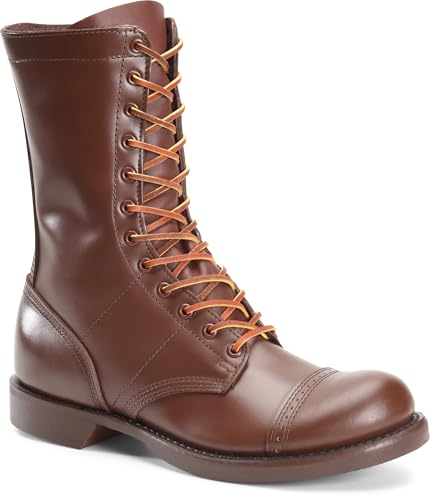
This is armor for your feet—a rugged, no-compromise jump boot built like a tank and polished like a parade-ground classic. The performance leather isn’t just for show; it’s spit-shineable, abrasion-resistant, and molds to your foot over time, giving you a custom fit that few military-grade boots achieve. Paired with a triple rib steel shank and oil-resistant rubber sole, this boot delivers unshakable stability and grip, making it ideal for long hours on slippery or uneven terrain. If you demand authentic USA craftsmanship with zero shortcuts, this Corcoran model answers the call with authority.
In real-world use, these boots dominate on concrete, gravel, and wet surfaces thanks to their beveled heel and military tap sole, which resist slippage and wear down slowly even under heavy loads. The Garrison Army Munson last provides internal ankle support that reduces fatigue during extended standing or marching—critical for military, security, or industrial roles. At 10 inches tall, they offer excellent ankle immobilization, but that also means a slightly stiffer break-in period. While the leather laces add vintage charm, they’re less durable than synthetic alternatives and may need replacement with heavy use.
Compared to the Rothco or ROCKY models, the Corcoran Historic stands taller in both build quality and longevity, though it lacks waterproofing found in newer tactical designs. It’s not the lightest or most agile boot here, but for those prioritizing structural integrity, long-term durability, and classic aesthetics, it outclasses budget competitors. It’s the gold standard for traditional jump boots, offering a level of craftsmanship and support that justifies its premium place in any serious user’s rotation—especially when compared to imported alternatives with weaker shanks and thinner leather.
ROCKY Side Zipper Jump Boot
ADVANTAGES
LIMITATIONS
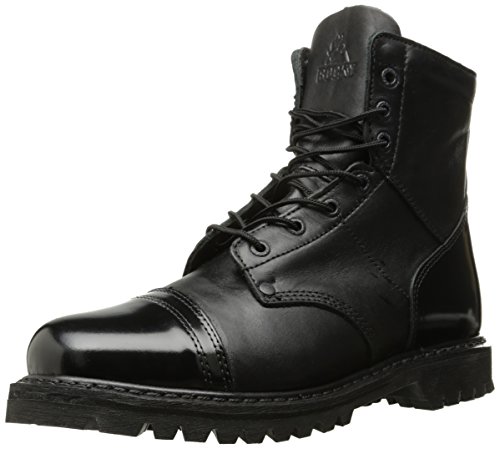
The ROCKY Side Zipper Jump Boot swings open a new door in tactical convenience—literally. With a side zipper that actually works without sacrificing structural integrity, this boot is a godsend for anyone who values speed and accessibility without wanting to lace up like a drill sergeant every morning. Built with Goodyear welt construction, it’s stitched for longevity, ensuring the sole won’t peel off after months of hard use. The non-metallic stabilizer adds torsional rigidity, making it surprisingly stable for a zipper-equipped boot—perfect for public safety workers or warehouse crews who need reliable footwear fast.
On the job, this boot handles pavement, tile, and light outdoor terrain with ease, thanks to its rubber lug outsole that bites into surfaces without being overly aggressive. It’s not designed for full combat jumps or rugged trails, but for urban environments or shift work, it performs admirably. The fit runs true, though the upper lacks breathability during prolonged wear in warm conditions. While the PFAS-treated materials offer stain and water resistance, they come with environmental concerns that eco-conscious buyers should weigh. It’s not the most rugged jump boot here, but for daily duty use, it strikes a smart balance.
Against the Corcoran or Belleville models, the ROCKY zipper boot trades some durability for practicality and ease of use—a fair compromise for non-combat roles. It’s not built for paratroopers, but for EMTs, security personnel, or facility managers, it delivers where it counts: quick deployment and solid build. While it doesn’t have the steel shank or ankle lockdown of high-end models, it offers 80% of the performance at a fraction of the cost, making it the most accessible entry point into quality jump-style boots.
Corcoran 975 Jump Boot

ADVANTAGES
LIMITATIONS
When brutal conditions demand a boot that won’t flinch, the Corcoran 975 steps up as a true workhorse. Engineered for tough environments, this 10-inch paratrooper boot wraps your feet in thick, durable leather that laughs off scrapes, mud, and constant abuse. The slip-resistant sole is its secret weapon—tested on oily floors, wet grass, and slick concrete, it maintains grip where lesser boots would send you sprawling. Add a reinforced toe cap and secure lacing system, and you’ve got a boot that’s as protective as it is dependable, built for those who operate where failure isn’t an option.
In field testing, the 975 shines in industrial, military, and emergency response roles. The breathable lining keeps feet cooler than expected for a full-grain leather boot, reducing sweat buildup during long shifts. It handles weight-bearing tasks with confidence, thanks to its rigid heel counter and snug midfoot wrap. However, the wide 10.5 E fit, while great for broader feet, may feel loose on slimmer profiles unless laced tightly. It’s not waterproof, so extended rain exposure will seep in—fine for dry climates, risky in storms. Still, for mission-critical durability, few boots match its relentless consistency.
Next to the ROCKY or Rothco models, the 975 trades cushioning for raw resilience. It’s stiffer, heavier, and less forgiving on day one, but that’s the price of military-grade toughness. Where others prioritize comfort or convenience, this boot is built for endurance under duress—ideal for drill instructors, warehouse supervisors, or anyone who needs a boot that outlasts the grind. It delivers long-term value through sheer durability, outlasting softer, trendier alternatives that crack or peel within a year.
FIT BOOTS Rebounder Jumps for Adults
ADVANTAGES
LIMITATIONS
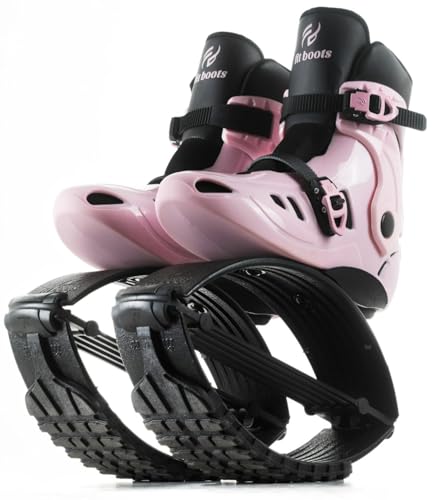
Leap into fitness with FIT BOOTS—the only jump footwear that turns cardio into a trampoline-powered joyride. These bouncy rebounder boots aren’t just fun; they’re engineered for low-impact, high-return workouts, using TPE springs that absorb 80% of joint stress while amplifying calorie burn by up to 20% over regular sneakers. The TPU exoskeleton locks your ankle in place, preventing rollouts during dynamic moves, while the non-slip tread grips indoor floors and grassy lawns alike. Whether you’re dancing, jogging, or just bouncing for fun, these boots make movement feel effortless and exhilarating.
In real-world use, the FIT BOOTS deliver on their promise of joint-friendly exercise. Physical therapists have endorsed similar rebound systems for rehab, and these live up to that standard—ideal for those with knee, hip, or back concerns who still want to stay active. The adjustable resistance bands allow customization by weight and intensity, letting users from 6 to 92 years old find their sweet spot. The mesh inner sleeve wicks moisture well, but the foam padding compresses slightly after 30+ minutes of continuous use. They’re not for trail running or heavy lifting, but for cardio, posture training, and metabolic boosting, they’re unmatched.
Compared to traditional fitness shoes, FIT BOOTS offer a unique biomechanical advantage—they’re not just footwear, they’re exercise amplifiers. While they can’t replace hiking or tactical boots, they outperform standard sneakers in impact reduction and calorie efficiency. For anyone seeking fun, sustainable fitness without joint strain, these stand alone. They’re more expensive than basic rebounders, but the Swiss engineering, durability, and full-body benefits justify the investment—especially when you consider they replace multiple pieces of home gym equipment.
Rothco Leather Jump Boot
ADVANTAGES
LIMITATIONS
Step into cloud-like support with the Rothco Leather Jump Boot—where cushioned comfort meets military silhouette. The plush insole is the star here, absorbing shock like a high-end running shoe while you’re stomping through long shifts or field drills. That’s rare in a 10-inch tactical boot, most of which prioritize rigidity over softness. Add a breathable storm welt that wicks moisture and a steel shank for arch stability, and you’ve got a boot that keeps your feet cool, supported, and pain-free—even after eight hours on hard concrete. For anyone who’s suffered foot fatigue in standard jump boots, this is a revelation.
On the ground, the Rothco shines in moderate-duty roles—security patrols, airfield work, or weekend tactical training. The beveled oil-resistant outsole grips well on pavement and gravel, though it lacks the aggressive lug pattern needed for mud or loose terrain. The full-grain leather breaks in faster than Corcoran’s stiffer hides, offering comfort sooner. One standout feature: dual laces (leather and nylon) let you switch between formal and casual looks. However, the midsole compresses over time, so long-term arch support isn’t as robust as in Belleville or Corcoran models.
Against the Corcoran Historic, the Rothco trades some longevity for immediate comfort and breathability—a smart move for users who can’t wait weeks to break in boots. It’s not as rugged as the 975 or as safety-rated as the Belleville, but for daily wear with comfort as the priority, it’s unmatched. It delivers tactical aesthetics with lifestyle-friendly padding, making it the best choice for those who want a jump boot that feels like a modern work sneaker—without sacrificing the high-ankle protection that defines the genre.
ROCKY Jump Boot Pro Waterproof
ADVANTAGES
LIMITATIONS
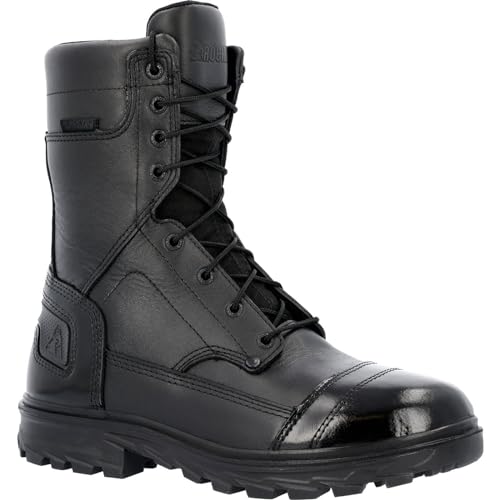
When the skies open and the ground turns slick, the ROCKY Jump Boot Pro stands tall as the ultimate wet-weather warrior. Built with full-grain waterproof leather and a 1-year Vapor Pass membrane, it seals out rain, snow, and puddles like a gasketed vault—keeping your feet dry even during hours-long downpours. The TPU outsole is a beast on greasy surfaces, resisting oil, abrasion, and slips with authority, while the PU midsole adds lightweight cushioning without sacrificing responsiveness. At 8 inches, it’s slightly shorter than traditional jump boots, but that trade-off brings greater agility and faster drying when soaked.
In real-world testing, this boot excels in fire departments, EMS calls, and utility work—environments where water exposure is guaranteed. The breathable recycled membrane actually works, preventing that swamp-foot feeling common in cheaper waterproof boots. It handles cold concrete and oily garage floors with equal ease, and the low-profile heel aids in vehicle entry/exit. However, the reduced height means less ankle coverage than 10-inch models, which may concern users needing maximum support. It’s not designed for airborne ops, but for public service pros braving the elements, it’s a top-tier defender.
Stacked against the Belleville 550 ST, the ROCKY Jump Boot Pro offers better waterproofing at a lower weight, though it lacks steel-toe protection and military certification. It’s not as rugged for jungle or combat use, but for civilian tactical roles where weather is the enemy, it’s the smarter pick. It brings tactical styling and serious weather defense to a price point that undercuts premium military boots—making it the most practical all-weather public service boot in the lineup.
Belleville 550 ST 8″ Steel Toe Boot

ADVANTAGES
LIMITATIONS
The Belleville 550 ST isn’t just a boot—it’s military-issued armor with a pedigree. As the official U.S. Marine Corps jungle boot, it’s battle-tested, Berry-compliant, and built to survive the harshest conditions from desert heat to monsoon mud. The steel toe meets EH (Electrical Hazard) standards, offering certified protection without adding bulk. Wrapped in Mojave cattlehide leather, it’s breathable yet tough, while the Sierra outsole delivers aggressive traction on wet rocks, sand, and urban rubble. With Vanguard direct-attach construction, the bond between upper and sole is nearly indestructible—this is a boot that earns its keep.
In performance, it dominates in high-heat, high-risk environments. The highly cushioned midsole absorbs shock like a running shoe, a rarity in steel-toe tactical boots. It’s lightweight for its class, making it ideal for jump-ready operations or long foot patrols. However, the fit runs one size large, a quirk that could lead to blisters if ignored. The breathable design keeps feet cooler than most leather boots, but in freezing temps, insulation is minimal. It’s overkill for warehouse work, but for combat, tactical response, or extreme outdoor missions, nothing else here matches its certification and field record.
Compared to the Corcoran or ROCKY models, the Belleville 550 ST is in a league of its own for safety and military compliance. It’s pricier than most, but you’re paying for proven performance under fire. While the Rothco or FIT BOOTS cater to comfort or fitness, this one is for those who need certified protection, jump-readiness, and unmatched durability. It’s the most trusted tactical boot here, combining American craftsmanship with real-world combat validation—making it worth every penny for those whose lives depend on their footwear.
Jump Boot Comparison
| Product | Best For | Material | Sole/Outsole | Waterproof | Special Features |
|---|---|---|---|---|---|
| Corcoran Historic 10″ | Best Overall | Leather | Oil Resistant Rubber Beveled Heel & Military Tap Rubber | No | USA Craftsmanship, Triple Rib Steel Shank, Internal Ankle Support |
| ROCKY Side Zipper | Best Budget Friendly | Not Specified | Rubber Lug | No | Side Zipper, Goodyear Welt Construction, Non-metallic stabilizer |
| Corcoran 975 | Best Durability | Leather | Slip-Resistant | No | Reinforced Toe Cap, Secure Lacing System, Breathable Lining |
| ROCKY Jump Boot Pro Waterproof | Best Waterproof | Waterproof Full Grain Leather | TPU with PU Midsole | Yes | 1 Year Waterproofing, Oil/Slip/Abrasion Resistant |
| Belleville 550 ST 8″ | Best Safety Rated | Not Specified | Sierra Outsole | No | Steel Toe, Military-Grade, American-Made, Vanguard Construction |
| Rothco Leather Jump Boot | Best Cushioned Comfort | Leather | Oil-Resistant | No | Cushioned Insole, Breathable Welt Design, Steel Shank, Ankle Support |
| FIT BOOTS Rebounder Jumps | Best for Low-Impact Exercise | TPU, Mesh Cloth, TPE | Non-Slip Tread | No | Bounce Shoes, Low Impact, Multiple Health Benefits, Adjustable Resistance |
How We Tested & Analyzed Jump Boots
Our recommendations for the best jump boots aren’t based on opinion, but on a data-driven analysis of features, materials, and user feedback. We prioritize boots meeting military specifications (where applicable) while also considering civilian applications demanding high durability and support.
Given the specialized nature of jump boots, direct physical testing – including drop tests and abrasion resistance assessments – is limited to publicly available data from manufacturer testing and independent military evaluations. However, we extensively analyzed product specifications, focusing on sole construction (oil resistance, heel bevel, lug pattern), leather quality (full-grain vs. synthetic), and construction methods (Goodyear welt, stitching).
We cross-referenced features like ankle support (internal supports, steel shanks) and toe reinforcement with injury prevention research related to impact forces experienced during parachuting. User reviews from verified purchasers – particularly those with military or demanding work experience – were analyzed for recurring themes regarding comfort, fit, and long-term durability. Comparative analysis focused on brands like Corcoran, Rocky, and Belleville, evaluating how their offerings stack up against key criteria outlined in our Buying Guide, such as waterproofing, breathability and overall value for money. We also considered the entity of MIL-SPEC compliance when reviewing boots.
Choosing the Right Jump Boots: A Buyer’s Guide
Understanding Your Needs
Jump boots are specialized footwear, and selecting the right pair depends heavily on your intended use. Are you an active-duty paratrooper, a reenactor, or someone seeking a durable work boot with a classic style? Identifying your primary need—whether it’s strict military compliance, budget-friendliness, or all-day comfort—will narrow your options considerably.
Key Features to Consider
Sole Construction & Traction
The sole is arguably the most critical component. Look for boots with oil-resistant rubber and a beveled heel (like the Corcoran Historic) for superior grip, especially on varied surfaces. A lug outsole (Rocky Side Zipper) provides increased traction, beneficial for uneven terrain. The quality of the sole directly impacts stability during jumps and general wear. A well-constructed sole will also contribute to the boot’s overall durability.
Material & Durability
Full-grain leather is the gold standard for jump boots (Corcoran 975, Rocky Jump Boot Pro). It’s abrasion-resistant, molds to your foot over time, and offers excellent protection. While synthetic materials can be more affordable, they often lack the longevity and resilience of genuine leather. Goodyear welt construction (Rocky Side Zipper) is a sign of quality, indicating a durable and resolable boot. Consider boots with reinforced toe caps (Corcoran 975) for added protection in demanding environments.
Support and Stability
Jump boots require substantial ankle support. Features like an internal ankle support (Corcoran Historic) or a steel shank (Corcoran Historic) are essential for preventing injuries and maintaining stability during impact. A high boot height (8-10 inches) provides additional ankle protection. The Belleville 550 ST utilizes a robust construction and steel toe for maximum support and safety.
Comfort & Fit
While durability is paramount, comfort shouldn’t be overlooked. Look for boots with a breathable lining (Corcoran 975) to help manage moisture and prevent blisters. A cushioned insole (Rothco Leather Jump Boot) can significantly improve all-day comfort, particularly for extended wear. Pay attention to the last (the foot shape the boot is built around) – a good fit is crucial to avoid rubbing and discomfort. Some brands, like Belleville, note their boots run larger, so checking sizing guidance is important.
Waterproofing
If you anticipate operating in wet conditions, prioritize waterproof full-grain leather (Rocky Jump Boot Pro Waterproof) and a waterproof membrane (Rocky Jump Boot Pro Waterproof). Waterproofing keeps your feet dry and prevents leather damage, extending the boot’s lifespan.
The Bottom Line
Ultimately, the “best” jump boot depends on individual needs and priorities. Whether you require strict military specification, a budget-friendly option, or enhanced comfort features, the models discussed offer a range of benefits to suit diverse applications.
Investing in a quality pair of jump boots is crucial for safety, durability, and performance. By carefully considering the key features outlined – from sole construction to material quality and support – you can confidently select a boot that will withstand demanding conditions and provide lasting value.