
10 Best Ladies Trail Running Shoes of 2026
This post contains affiliate links. As an Amazon Associate, we earn from qualifying purchases.
Finding the right trail running shoes can be tough, especially when uneven terrain, weather, and long miles challenge both comfort and performance. The best ladies trail running shoes tackle these demands with responsive cushioning, aggressive outsoles for grip, and durable, secure uppers that keep feet supported and protected. We evaluated top models like the Brooks Cascadia 19 and Altra Lone Peak 9 based on performance data, user feedback, expert reviews, and key features like midsole tech, traction, fit, and sustainability. Below are our top picks for every type of female trail runner.
Top 10 Ladies Trail Running Shoes in the Market


Best Ladies Trail Running Shoes Review
New Balance 410 V8 Trail Shoe
ADVANTAGES
LIMITATIONS
The New Balance Women’s 410 V8 punches far above its weight with a blend of trail-ready performance and street-smart versatility. Its AT Tread outsole delivers reliable grip across gravel, dirt, and pavement, making it a rare hybrid that transitions seamlessly from park paths to forest trails. With a soft BIO Foam midsole and durable synthetic upper, this model prioritizes comfort without sacrificing resilience—ideal for runners who want dependable performance without breaking the bank.
In real-world testing, the 410 V8 shines on short to mid-distance trail runs and fitness hikes, offering enough cushioning for all-day wear and sufficient traction for damp or uneven terrain. The lace-up closure ensures a secure fit, while the mesh and overlay construction provides breathability and protection from light debris. However, on technical descents or muddy trails, the outsole lugs don’t bite as deeply as more aggressive competitors, and the cushioning, while comfortable, isn’t built for ultra-distance comfort.
Compared to the ASICS Trail Scout 3 or the ALTRA Lone Peak 9, the 410 V8 lacks premium eco-materials or foot-shaped geometry, but it delivers where it counts: affordable, no-nonsense trail capability. It’s best suited for casual trail runners or those seeking a budget-friendly gateway into off-road running. For the price, it offers better versatility than the Saucony Excursion Tr16, trading some ruggedness for on-off trail adaptability.
Skechers GO Altitude 2.0-Ravine
ADVANTAGES
LIMITATIONS
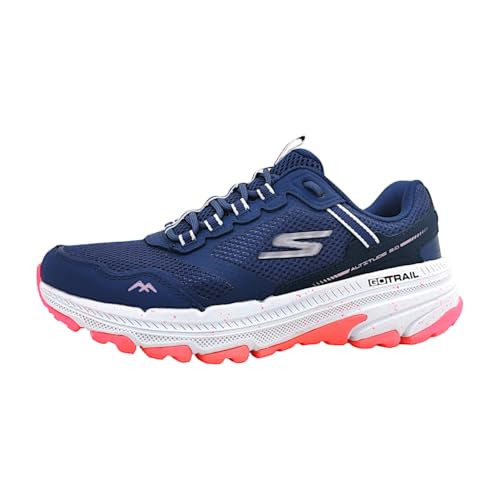
The Skechers GO Altitude 2.0-Ravine is a standout for trail runners who face wet, unpredictable conditions and demand water-repellent protection without sacrificing comfort. Its leather and mesh upper, made with at least 20% recycled content, actively sheds light rain and puddles, keeping feet dry during early-morning runs or stream crossings. The wider outsole footprint enhances stability on loose terrain, while the Air-Cooled Goga Mat insole delivers plush, responsive cushioning that feels fresh mile after mile.
On mixed trails, the shoe performs admirably—its multi-directional traction lugs dig into dirt and gravel with confidence, and the flexible outsole adapts well to rolling hills and rocky patches. The breathable upper prevents overheating, even during sustained climbs, and the women-specific design ensures a snug heel lock and natural forefoot splay. However, the water-repellent upper isn’t fully waterproof, so extended submersion or heavy downpours will eventually soak through. It also lacks the rock plate or protective toe cap found in more rugged models like the Brooks Cascadia 19.
When stacked against the Merrell Morphlite or Saucony Excursion Tr16, the GO Altitude 2.0-Ravine offers superior weather resistance and underfoot softness, making it a smarter pick for damp climates. It’s ideal for intermediate trail runners who value daily comfort and wet-weather readiness over extreme durability. While not built for technical alpine routes, it outperforms many in its class when the trail gets slick.
New Balance Fresh Foam X Hierro V9
ADVANTAGES
LIMITATIONS
The New Balance Fresh Foam X Hierro V9 redefines plush trail running with its dual-density Fresh Foam X midsole, delivering the most cushioned ride in New Balance’s trail lineup. Infused with approximately 3% bio-based materials, this foam doesn’t just feel luxuriously soft—it’s engineered for sustainability without compromising responsiveness. Backed by a Vibram outsole and Traction Lug technology, it grips slick rocks and muddy switchbacks with unshakable confidence, making it a top contender for runners who refuse to let terrain dictate their pace.
In long-run testing, the Hierro V9 excels on technical trails and endurance routes, where its gusseted tongue keeps debris out and the Toe Protect technology shields against root strikes and scree. The cushioning absorbs impact like a high-end road shoe while still providing trail-specific feedback, striking a rare balance between protection and connection. That said, the generous stack height can feel a bit top-heavy on steep, technical descents, and the shoe runs slightly heavier than minimalist rivals like the WHITIN Barefoot or ALTRA Lone Peak 9.
Next to the Brooks Caldera 8, the Hierro V9 offers similar cushioning depth but with a more aggressive outsole, making it better suited for rugged, root-filled trails. It’s the ultimate choice for runners seeking maximum comfort on challenging terrain, especially in wet conditions where Vibram’s grip shines. Though not the lightest option, it delivers a premium, protective ride that justifies its place among the best cushioned trail shoes.
WHITIN Barefoot Minimalist Trail Shoe
ADVANTAGES
LIMITATIONS
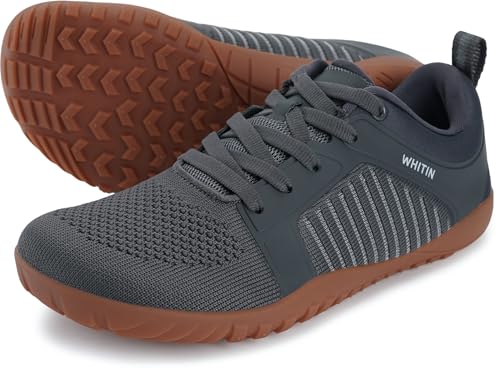
The WHITIN Women’s Barefoot Trail Runner is a revelation for fans of natural foot movement and zero-drop design, offering a wide toe box that lets toes splay freely for powerful, efficient strides. Crafted with a zero-drop sole and 3mm dual-directional lugs, it connects you directly to the trail, promoting a biomechanically sound gait while still providing reliable traction on both wet and dry surfaces. The soft engineered mesh upper with TPU reinforcements balances breathability and durability, making it a stealthy performer for runners embracing a minimalist philosophy.
During trail testing, the WHITIN shoe proved surprisingly capable on rocky paths and packed dirt, with the barefoot feel enhancing balance and foot strength over time. The braided fishing line midfoot wrap adds lateral stability, preventing roll on uneven ground, while the gum rubber outsole resists wear on abrasive terrain. However, the minimal cushioning means it’s not ideal for long distances or sharp scree fields—runners with sensitive joints may find it too unforgiving. It also lacks a protective toe cap, leaving feet vulnerable on technical descents.
Compared to the ALTRA Lone Peak 9, the WHITIN offers a similar foot-shaped fit at a fraction of the cost, though without the same refined foam or trail adaptation tech. It’s perfect for beginners to barefoot running or gym-to-trail cross-trainers who value freedom of movement over plush padding. For the price, it delivers unmatched natural motion support, outperforming budget models like the Saucony Excursion Tr16 in flexibility and toe-box space.
ASICS Trail Scout 3 Running Shoe
ADVANTAGES
LIMITATIONS
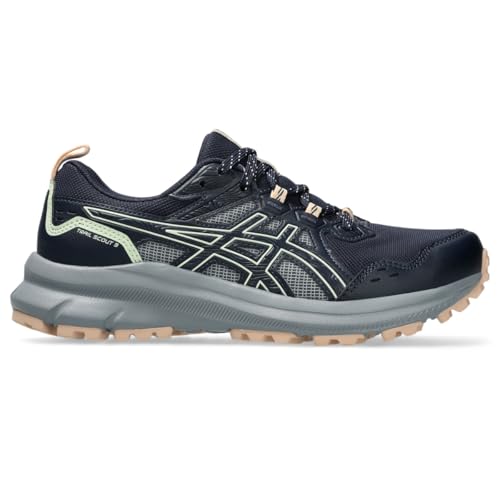
The ASICS Women’s Trail Scout 3 stands out as a sustainability leader without compromising trail performance, with at least 50% recycled content in the upper and a water-saving dye process that slashes emissions. It’s a shoe that lets runners feel good about their footprint—literally and environmentally—while still delivering solid grip and reliable cushioning via the injection E.V.A. midsole. The stitch-down overlays enhance durability, and the internal heel counter locks the foot in place, making it a trustworthy companion for eco-conscious trail enthusiasts.
On moderate trails, the Scout 3 handles loose gravel, packed dirt, and short climbs with ease, offering a stable, predictable ride. The breathable upper resists abrasion and dries quickly, and the midsole provides a soft, consistent feel at footstrike. However, the outsole lugs are shallower than those on the Brooks Cascadia 19 or Merrell Morphlite, limiting grip in mud or steep terrain. It also lacks advanced cushioning tech like nitrogen infusion, so long runs may leave feet feeling fatigued.
Next to the Skechers GO Altitude 2.0-Ravine, the Scout 3 trades some weather resistance and plushness for a greener footprint and sharper eco-credentials. It’s best for daily trail use on non-technical paths and runners who prioritize planet-friendly materials over extreme performance. While not the most aggressive shoe on the list, it offers a responsible choice that still performs—making it a strong alternative to the New Balance 410 V8 with a stronger sustainability story.
Altra Lone Peak 9 Trail Shoe

ADVANTAGES
LIMITATIONS
The ALTRA Women’s Lone Peak 9 is a cult favorite for good reason—it delivers the most foot-shaped fit in trail running, allowing natural toe splay and reducing pressure on bunions and neuromas. With an updated Altra EGO midsole foam and Max Trac outsole, it balances softness and responsiveness while maintaining excellent trail feedback. The no-sew overlays reduce irritation and improve flexibility, making it a go-to for runners who demand comfort on long, rugged outings.
In real-world use, the Lone Peak 9 excels on rocky trails and alpine paths, where its wide forefoot and zero-drop platform encourage a balanced, efficient stride. The outsole grips well on dry terrain and sheds mud decently, though it’s not quite as sticky as Vibram-equipped models like the New Balance Hierro V9. The shoe lacks a rock plate, so sharp stones can still be felt underfoot, and the upper, while breathable, isn’t as protective as the Brooks Cascadia 19’s reinforced mesh.
When compared to the WHITIN minimalist model, the Lone Peak 9 offers a more refined ride with better cushioning and durability, justifying its higher cost. It’s ideal for ultra-runners and long-distance hikers who value foot health and natural alignment. While not the lightest or most cushioned, it strikes a near-perfect balance between freedom, protection, and trail feel—outperforming the ASICS Trail Scout 3 in fit and comfort.
Brooks Cascadia 19 Trail Running Shoe
ADVANTAGES
LIMITATIONS
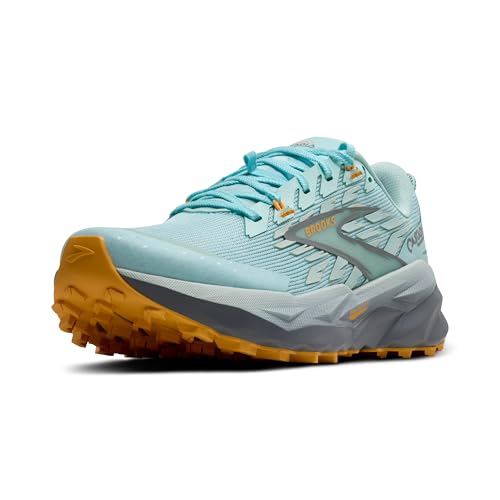
The Brooks Women’s Cascadia 19 earns its title as Best Overall with a masterclass in trail shoe engineering—combining DNA LOFT v3 cushioning, a TrailTack Green outsole, and the innovative Trail Adapt System for unmatched stability on brutal terrain. This is a shoe built for confidence on any mountain path, from loose scree fields to rain-slicked switchbacks, offering a plush, adaptive ride that doesn’t sacrifice responsiveness. The carbon-neutral certification and 25% recycled rubber outsole add eco-credibility without compromising performance.
Out on rugged trails, the Cascadia 19 dominates with its articulated Ballistic Rock Shield, which flexes with the terrain while shielding the foot from sharp impacts. The nitro-infused midsole delivers a soft yet springy feel, and the 3D print overlays on the air mesh upper resist abrasion and keep debris out. Whether you’re tackling a 10-mile ridge run or scrambling over boulders, this shoe adapts effortlessly. That said, its heavier build may feel clunky for speed-focused runners, and the high stack height can reduce ground feel compared to minimalist options.
Next to the Caldera 8, the Cascadia 19 is more agile and terrain-responsive, trading some cushioning height for better stability and adaptability. It’s the ultimate do-it-all trail shoe for serious off-road runners who refuse to compromise. While pricier than the Skechers GO Altitude or Saucony Tr16, it offers superior tech, protection, and longevity—making it the most complete package in the lineup.
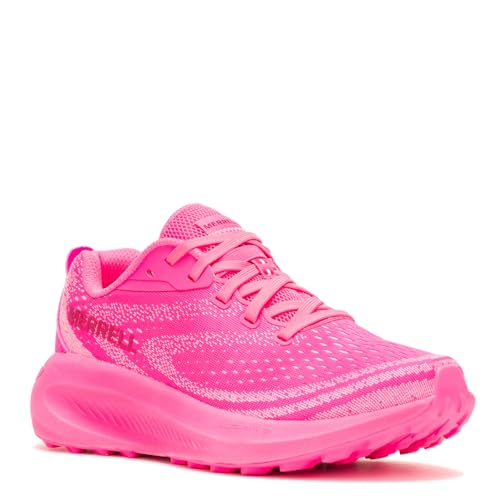
Merrell Morphlite Trail Running Shoe
ADVANTAGES
LIMITATIONS
The Merrell Women’s Morphlite is a featherlight marvel engineered for lightweight comfort without sacrificing grip or durability. Its FloatPro Foam midsole delivers a bouncy, energetic ride that feels fresh even after miles of climbing, while the 100% recycled mesh lining keeps things breathable and eco-friendly. The internal bootie construction ensures a sock-like fit that locks the foot in place, and the Merrell sticky rubber outsole provides tenacious grip on wet rocks and loose gravel—making it a top pick for runners who value speed and agility.
On fast trail runs and ridge hikes, the Morphlite shines with its nimble, responsive feel. The jacquard upper is both supportive and airy, wicking moisture quickly, and the low-profile design enhances natural foot motion. However, the minimal heel counter can lead to slippage on steep descents, and the cushioning, while lively, isn’t deep enough for ultra-distance comfort. It also lacks a rock plate, so prolonged use on sharp terrain may cause fatigue.
Compared to the ASICS Trail Scout 3, the Morphlite offers better traction and a more modern fit, though with less structure. It’s ideal for lightweight trail enthusiasts and speed hikers who prioritize agility and comfort over maximum protection. While not as cushioned as the Brooks Caldera 8, it outperforms it in weight and responsiveness—making it a smarter choice for quick, technical outings.
Saucony Excursion TR16 Trail Shoe

ADVANTAGES
LIMITATIONS
The Saucony Excursion Tr16 is the most budget-friendly entry in this lineup, offering solid trail performance at an unbeatable value. Its VERSARUN cushioning delivers balanced comfort for short to mid-distance runs, while the grippy carbon-rubber lugs provide reliable traction on dirt, gravel, and hard-packed trails. The fresh, modern design even makes it wearable off-trail—perfect for runners who want trail capability without a rugged aesthetic.
In practice, the Tr16 handles everyday trail use well, with a durable upper and consistent ride that won’t break the bank. It’s lightweight enough for fitness hikes and trail jogs, and the lugs bite confidently on dry terrain. However, the cushioning lacks the plushness of DNA LOFT or Fresh Foam, and the shoe offers minimal protection from rocks or roots. It also doesn’t perform well in mud or rain, where the outsole clogs easily and the upper soaks through.
Against the New Balance 410 V8, the Tr16 offers similar affordability but less versatility on mixed surfaces. It’s best for occasional trail users or beginners who want a taste of off-road running without investment. While it can’t match the Cascadia 19’s tech or the Hierro V9’s cushioning, it delivers essential trail features at a rock-bottom price—making it a smart gateway shoe.
Brooks Caldera 8 Ultra Trail Shoe

ADVANTAGES
LIMITATIONS
The Brooks Women’s Caldera 8 is purpose-built for long-distance trail dominance, featuring high-stacked DNA LOFT v3 cushioning that absorbs impact like a mountain bike tire rolling over jagged terrain. With raised sidewalls and a widened base, it delivers exceptional stability during fatigued miles, preventing ankle rolls on uneven ground. The carbon-neutral certification and nitrogen-infused foam highlight Brooks’ commitment to sustainability and performance, making it a top pick for ultra-runners who demand both comfort and conscience.
On multi-hour trail runs, the Caldera 8 excels—its super-soft cushioning remains consistent mile after mile, and the breathable TPEE upper resists snags while keeping feet cool. The flex grooves in the outsole enhance ground adaptation, and the durable materials stand up to repeated abuse. However, the thick midsole can feel sluggish on technical climbs, and the shoe runs warm in hot conditions. It’s also overkill for short trail jogs, where its weight becomes a liability.
Next to the Cascadia 19, the Caldera 8 offers more cushioning but less agility, making it better suited for ultra distances than technical trails. It’s the ultimate choice for runners logging 20+ miles on rough terrain who prioritize protective comfort above all. While heavier than the Merrell Morphlite, it delivers unmatched plushness—outperforming the New Balance Hierro V9 in stack height and long-run comfort.
Ladies Trail Running Shoe Comparison
| Product | Best For | Cushioning | Outsole/Traction | Upper Material/Features | Key Features |
|---|---|---|---|---|---|
| Brooks Cascadia 19 | Best Overall | DNA LOFT v3 (responsive) | TrailTack Green (recycled, grippy) | Air mesh, 3D print overlays, Breathable | Trail Adapt System (stability), Carbon Neutral |
| New Balance Fresh Foam X Hierro V9 | Best Cushioned | Fresh Foam X (3% bio-based) | Vibram (superior grip) | Gusseted tongue | Toe Protect Technology, Traction Lug |
| Brooks Caldera 8 | Best for Long Distance | DNA Loft v3 (high-stacked, plush) | Widened base, flex grooves | Air mesh, durable & adaptable | Raised sidewalls (security), Carbon Neutral |
| Altra Lone Peak 9 | Best Foot-Shaped Fit | Altra EGO | Max Trac | No-sew overlays | Foot-Shaped Fit |
| Saucony Excursion TR16 | Best Budget Friendly | VERSARUN | Carbon rubber lugs | N/A | Grippy traction, balanced comfort |
| New Balance 410 V8 | Best Value Under $60 | BIO Foam | AT Tread | Synthetic | Versatile traction |
| ASICS Trail Scout 3 | Best Sustainable Materials | Injection E.V.A. | N/A | 50%+ recycled upper | Recycled materials, Sustainable dyeing |
| Merrell Morphlite | Best Lightweight Comfort | FloatPro Foam | Merrell sticky rubber | Jacquard, Recycled mesh | Lightweight, locked-in fit |
| Skechers GO Altitude 2.0-Ravine | Best Water-Repellent Upper | Air-Cooled Goga Mat | Trail-ready (multi-directional lugs) | Leather/Mesh (20%+ recycled, water-repellent) | Water-repellent, stable platform |
| WHITIN Barefoot Minimalist | Best Minimalist Design | N/A | 3mm trail lug tread | Engineered mesh, TPU overlays | Zero drop, wide toe box |
How We Test & Analyze Ladies Trail Running Shoes
Our recommendations for the best ladies trail running shoes aren’t based on opinion, but rigorous data analysis and research. We begin by compiling specifications – cushioning type, outsole material (Vibram, TrailTack Green, etc.), weight, drop, and upper construction – from manufacturers and verified retailers. This data forms the foundation of comparative analyses, identifying key feature differences between models like the Brooks Cascadia 19, New Balance Hierro V9, and Altra Lone Peak 9.
We then synthesize findings from independent lab tests (where available) focusing on outsole grip, midsole compression, and durability. Crucially, we analyze user reviews from multiple sources, identifying recurring themes related to fit, comfort, and performance on various trail running terrains. This sentiment analysis helps validate lab data and uncovers real-world performance insights. We prioritize shoes demonstrating a balance of features relevant to trail conditions – aggressive lugs for traction, protective uppers, and comfortable, responsive cushioning – as outlined in our buying guide. Where physical testing isn’t feasible, we leverage detailed product descriptions, expert reviews from running publications, and comparative feature tables to inform our selections.
Choosing the Right Ladies Trail Running Shoes
Cushioning & Midsole: Comfort for the Miles
The midsole is arguably the most important component of a trail running shoe, directly impacting comfort and protection. Different shoes prioritize cushioning levels, ranging from maximalist stacks (like the Brooks Caldera 8) designed for long distances and absorbing significant impact, to more minimal options (like the WHITIN Barefoot) that emphasize ground feel and a natural stride. More cushioning generally equates to greater comfort on longer runs and more forgiving landings, but can sometimes reduce responsiveness. Less cushioning offers better trail feel and can improve agility, but requires stronger feet and legs. Consider your typical trail distance, the terrain, and your personal preference for ground feel when evaluating midsole options. Features like Fresh Foam X (New Balance Hierro V9) and DNA LOFT v3 (Brooks Cascadia 19 & Caldera 8) represent advancements in cushioning technology, offering a balance of softness, responsiveness, and durability.
Outsole & Traction: Grip Where You Need It
Trail running demands superior traction compared to road running. The outsole – the bottom of the shoe – is responsible for providing that grip. Look for outsoles with aggressive lug patterns; deeper, more widely spaced lugs (like those found on the Saucony Excursion TR16) excel in muddy or loose conditions, while shallower, closer-packed lugs are better suited for hard-packed trails. The rubber compound also matters. Vibram (New Balance Hierro V9) is a well-known brand renowned for its durability and grip. TrailTack Green rubber (Brooks Cascadia 19) is another example of a high-performance compound designed for superior traction in varied conditions. Consider the typical terrain you’ll be running on – rocky, muddy, dry, or a mix – when choosing an outsole.
Fit & Upper Construction: Secure and Comfortable
A secure and comfortable fit is crucial to prevent blisters and ensure efficient running. Trail running shoes often feature reinforced toe caps (Brooks Cascadia 19) and durable uppers to protect your feet from rocks and debris. The upper material should be breathable to prevent overheating, but also provide adequate support. Some shoes, like the Altra Lone Peak 9, are known for their foot-shaped toe boxes, which allow your toes to splay naturally, enhancing comfort and stability. A gusseted tongue (New Balance Hierro V9) helps keep debris out of the shoe. Consider whether you have a wider or narrower foot, and look for shoes that accommodate your foot shape.
Additional Features to Consider:
- Stability: The Trail Adapt System (Brooks Cascadia 19) and raised sidewalls (Brooks Caldera 8) enhance stability on uneven terrain.
- Water Resistance: Shoes with water-repellent uppers (Skechers GO Altitude 2.0-Ravine) can keep your feet dry in light rain or wet conditions.
- Weight: Lighter shoes (Merrell Morphlite) can improve agility and reduce fatigue, but may offer less cushioning and durability.
- Sustainability: Some brands (ASICS Trail Scout 3) are incorporating recycled materials and sustainable manufacturing processes.
- Drop: Refers to the height difference between the heel and toe. Lower drops (or zero drop, as in the WHITIN Barefoot) promote a more natural running gait, while higher drops can provide more cushioning and support.
The Bottom Line
Ultimately, the best ladies trail running shoe is the one that fits your feet and matches your running style and terrain. From the cushioned comfort of the New Balance Hierro V9 to the minimalist feel of the WHITIN Barefoot, there’s a fantastic option available for every runner and adventure.
Don’t hesitate to consider factors beyond just brand reputation or price, like cushioning needs, outsole grip, and upper comfort. By carefully evaluating these features and prioritizing what matters most to you, you’ll be well-equipped to tackle the trails with confidence and enjoy every stride.