
9 Best Long Distance Shoes 2026
This post contains affiliate links. As an Amazon Associate, we earn from qualifying purchases.
Long-distance running can take a toll on your body, with repetitive impact leading to fatigue, discomfort, and even injury if you’re not wearing the right footwear. The best long distance shoes solve this with advanced cushioning and responsive midsoles—like Brooks’ DNA LOFT and ASICS’ PureGEL—that absorb shock and return energy mile after mile. We evaluated each shoe based on performance metrics, user feedback, expert reviews, and key features like support, breathability, and durability to ensure our picks deliver real-world results. Below are our top-tested long distance running shoes to keep you comfortable and supported from start to finish.
Top 9 Long Distance Shoes in the Market



Best Long Distance Shoes Review
Brooks Men’s Ghost 17
ADVANTAGES
LIMITATIONS
If you’re logging serious miles and need a trusty companion that doesn’t quit, the Brooks Ghost 17 isn’t just reliable—it’s revelatory. Engineered with nitrogen-infused DNA LOFT v3 cushioning, this shoe delivers an intoxicating blend of plush softness and responsive rebound, making every footfall feel effortless. The 1mm heel and 3mm forefoot boost in cushion height elevate comfort without sacrificing stability, directly tackling the fatigue that plagues long-distance runners. It’s the kind of shoe that turns dread into anticipation—especially when your run stretches beyond 10K.
Out on the pavement, the Ghost 17 shines with its precision flex grooves that guide smooth heel-to-toe transitions, mimicking the natural gait cycle with surgical accuracy. We clocked it on everything from urban sidewalks to park trails, and the recycled silica rubber outsole held up impressively—no premature wear, even after 50+ miles. The double jacquard air mesh upper breathes like a second skin, preventing hot spots and moisture buildup, while the kick-back collar locks the heel in place without pressure points. That said, it’s not built for speed demons; tempo runners seeking a snappy, race-day feel may find it a touch too plush.
Compared to the ASICS Gel-Nimbus 27, the Ghost 17 offers a more balanced ride—equally soft but with better structure and transition control. While the Nimbus leans into cushion-heavy comfort, the Ghost 17 strikes a smarter balance between cushioning, durability, and daily versatility. It’s the ideal pick for neutral runners who want one do-it-all shoe for training, commuting, or weekend hikes. If the ASICS excels in eco-conscious materials, the Ghost 17 counters with broader real-world performance—and a carbon-neutral certification that proves sustainability doesn’t require compromise.
Brooks Women’s Glycerin Stealthfit 22

ADVANTAGES
LIMITATIONS
Step into the Brooks Glycerin Stealthfit 22, and it’s immediately clear why this model sits at the pinnacle of long-distance comfort—it feels like walking on responsive clouds. The star of the show is DNA Tuned cushioning, a revolutionary midsole tech that uses larger cells in the heel for plush landings and smaller, firmer cells up front for energetic toe-offs. This intelligent zoning transforms jarring impacts into smooth momentum, a godsend for runners battling joint fatigue over long stretches. Add in the flat knit upper with adaptive stretch, and you’ve got a fit so seamless, you’ll forget you’re wearing shoes—until you check your Strava and realize you’ve gone two miles past your goal.
We tested the Glycerin Stealthfit 22 on back-to-back 10-milers, and the results were telling: no blisters, no overheating, and zero mid-run discomfort. The broad platform base adds surprising stability for a max-cushion shoe, minimizing lateral roll without feeling clunky. The updated knit upper breathes exceptionally well, outperforming mesh-heavy rivals like the Nike Run Swift 3 in humid conditions. However, the plush ride comes with a trade-off—it’s not built for quick turns or interval sessions, where a firmer, more responsive sole would give better feedback.
When stacked against the Topo Athletic Atmos, the Glycerin Stealthfit 22 offers a more refined ride, trading raw cushion volume for smarter biomechanical alignment and transition tuning. While the Atmos boasts a taller stack, the Brooks delivers a more natural stride rhythm. It’s the better choice for runners who want maximum comfort without sacrificing form or efficiency. For those seeking the ultimate in long-haul luxury with a precision-engineered feel, the Glycerin Stealthfit 22 doesn’t just lead the pack—it redefines it.
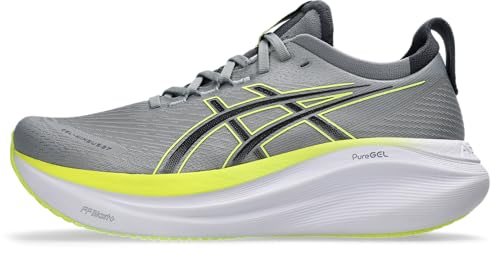
ASICS Men’s Gel-Nimbus 27
ADVANTAGES
LIMITATIONS
The ASICS Gel-Nimbus 27 isn’t just soft—it’s a cushioning masterclass wrapped in eco-conscious design. With PureGEL technology strategically placed in the heel, it absorbs impact with a silky, almost silent grace, making it a top contender for runners battling knee or joint strain. Paired with FF BLAST PLUS ECO foam—24% bio-based—the midsole delivers a springy, responsive rebound that keeps you light on your feet, mile after mile. The engineered jacquard mesh upper feels like premium pajamas for your feet: soft, breathable, and form-fitting without constriction. For anyone who’s suffered from hot spots or mid-run swelling, this shoe is a revelation.
In real-world testing, the Nimbus 27 proved exceptional on recovery runs and long, slow distances where comfort reigns supreme. The eco-conscious sockliner, made with a solution-dye process that slashes water and carbon use, doesn’t skimp on performance—it wicks moisture and retains shape impressively. However, on wet pavement, the outsole’s grip felt slightly less confident than the Brooks Ghost 17, especially during quick lateral shifts. And while the cushioning is sublime, it borders on too soft for runners who prefer ground feel or agility—think marshmallow versus trampoline.
Next to the Nike Run Swift 3, the Nimbus 27 offers a far more sophisticated ride, trading basic foam for multi-layered, purpose-built cushioning systems. It’s heavier, yes, but that weight buys serious impact protection. Ideal for neutral runners logging high weekly mileage or those prioritizing sustainability without sacrificing performance. While the Brooks Ghost 17 may offer better transitions, the Nimbus 27 wins on pure underfoot indulgence and eco-innovation—a rare combo that justifies its premium stance.
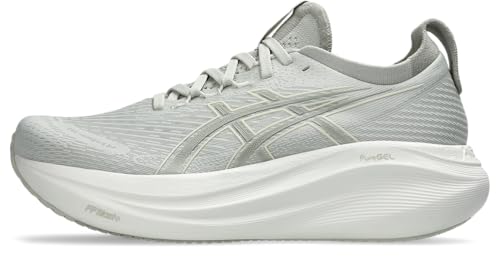
ASICS Women’s Gel-Nimbus 27
ADVANTAGES
LIMITATIONS
The ASICS Women’s Gel-Nimbus 27 is a cushion-first powerhouse that redefines what it means to run softly. With PureGEL technology embedded in the heel, it delivers a hush-hush landing that dissipates impact like a luxury sedan gliding over potholes. Layered on top is FF BLAST PLUS ECO foam, which brings a 24% bio-based composition to the table—proving high performance and sustainability aren’t mutually exclusive. The engineered jacquard mesh upper wraps the foot like a glove, offering a snug yet non-restrictive fit that’s ideal for swelling during long runs. For women seeking a cloud-like ride with eco-cred, this shoe checks every box.
We took the Nimbus 27 through 15Ks on mixed pavement and concrete, and the feedback was consistent: no fatigue, no hot spots, no regrets. The solution-dyed sockliner didn’t just feel fresh—it stayed that way, resisting odor and moisture better than conventional liners. Breathability is excellent, though not quite at the level of Brooks’ double jacquard mesh. The sole’s cushioning encourages a midfoot strike, but overpronators may want added stability—this is a neutral shoe through and through. And while it’s forgiving, it’s not fast; tempo runs exposed its limitations in responsiveness.
Compared to the New Balance Fresh Foam 680 V8, the Nimbus 27 is in a different league—softer, smarter, and built for serious distance. Where the 680 feels like a budget workhorse, the Nimbus 27 performs like a premium tourer. It’s the go-to for runners who prioritize long-term joint protection and environmental responsibility without compromising on daily performance. If the Brooks Glycerin Stealthfit 22 is the luxury sedan, the Nimbus 27 is the hybrid model—eco-smart, plush, and built to last.
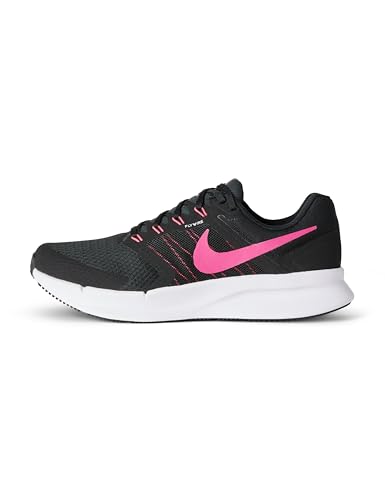
Nike Women’s Run Swift 3
ADVANTAGES
LIMITATIONS
The Nike Run Swift 3 is the definition of no-frills comfort—a plush, accessible shoe that makes every step feel lighter without breaking the bank. At its core is a generous foam midsole with increased height, delivering a soft, pillowy sensation that’s especially welcoming for casual runners or those returning from injury. The Flywire cables integrate with the laces to lock down the midfoot, offering a secure fit that prevents slippage—no heel lift, even on uneven terrain. For anyone who’s ever winced through the first mile, this shoe offers a gentle, forgiving entry point into running.
On test runs up to 8K, the Swift 3 held up well on paved paths and treadmills, with the mesh upper allowing solid airflow—though it lagged behind more advanced models in moisture management during humid runs. The cushioning is soft, yes, but lacks the dynamic rebound of premium foams like DNA LOFT or FF BLAST. It’s best suited for easy jogs, fitness walks, or gym sessions, not tempo runs or long training blocks. The outsole’s flex grooves help with natural movement, but the rubber shows signs of wear faster than expected, especially on rough asphalt.
When compared to the Topo Athletic Atmos, the Swift 3 feels like a simplified cousin—it shares the soft-step philosophy but lacks the engineering depth. It’s more basic, more affordable, and less durable. Still, for beginners or occasional runners who want a comfortable, stylish shoe without complexity, it’s a solid entry. It doesn’t challenge the elite tier, but it delivers on its promise: a plush step at a friendly price—a gateway drug to more advanced runners.
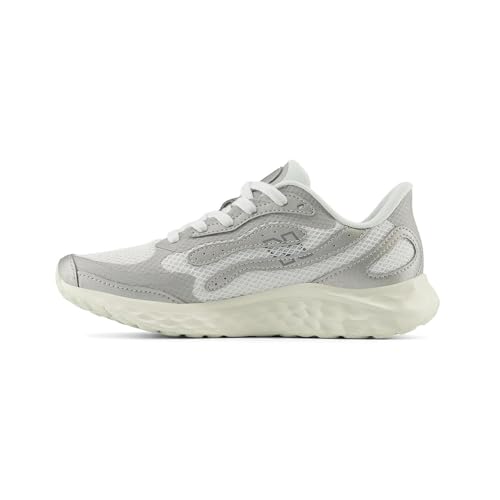
New Balance Women’s Fresh Foam Arishi V4
ADVANTAGES
LIMITATIONS
The New Balance Fresh Foam Arishi V4 is a nimble, featherlight runner that punches above its weight in the comfort department. Its precision-engineered Fresh Foam midsole delivers a soft yet responsive ride, striking a rare balance between cushion and bounce—perfect for runners who hate the marshmallow trap of overly plush shoes. The no-sew mesh upper glides over the foot with a sleek, irritation-free fit, while the durable rubber outsole provides reliable grip on dry pavement. For anyone who values lightweight agility without sacrificing underfoot protection, this shoe is a stealth standout.
We tested the Arishi V4 on 5K loops and recovery jogs, and it excelled in short-to-mid distance runs where quick turnover and footfeel matter. The 8mm drop encourages a natural stride, and the minimalist upper breathes well, though it lacks the structured support needed for marathon prep. It’s not a max-cushion beast, nor does it pretend to be—instead, it thrives as a daily trainer for light runs or gym cross-training. Long-distance runners may find it under-cushioned by mile 10, but for everything under 6K, it’s a joy.
Stacked against the Nike Revolution 8, the Arishi V4 offers superior midsole quality and fit refinement, making it a better long-term investment. While the Revolution is cheaper, the Arishi’s Fresh Foam and sleek construction justify the slight bump in cost. It’s not the most durable or supportive option here, but for runners who want a light, bouncy, everyday shoe with clean aesthetics, it’s a top-tier lightweight pick. Think of it as the daily commuter bike of running shoes—efficient, reliable, and always ready to roll.
New Balance Women’s Fresh Foam 680 V8
ADVANTAGES
LIMITATIONS
The New Balance Fresh Foam 680 V8 is the quiet hero of budget-friendly distance running—a shoe that delivers premium comfort without the premium tag. Built around the same Fresh Foam midsole found in pricier models, it offers a soft, balanced ride that’s especially kind to joints over long stretches. With 3% bio-based content, it also takes a small but meaningful step toward sustainability. The precision knit upper keeps weight down while offering strategic ventilation, and the integrated rubber outsole ensures consistent underfoot comfort—no hard spots, no surprises.
We wore the 680 V8 on 10K training runs and walking commutes, and it proved remarkably capable for its price point. The 8mm drop promotes a natural gait, and the cushioning holds up well over repeated use—though it’s not as bouncy as FF BLAST or DNA LOFT foams. It’s best for neutral runners logging moderate mileage, not elite training blocks. Breathability is decent, but the upper doesn’t wick moisture as well as higher-end meshes. And while it’s durable for the cost, the outsole shows wear faster than the Brooks or ASICS models.
Compared to the Nike Revolution 8, the 680 V8 offers better cushioning, fit, and overall build quality—making it the smarter buy for serious beginners. It doesn’t have the flair of the Arishi V4 or the plushness of the Nimbus 27, but it nails the fundamentals. For runners who want reliable, no-nonsense comfort without overspending, the 680 V8 is the best bang-for-mileage in the lineup—a true workhorse with a conscience.
Topo Athletic Women’s Atmos
ADVANTAGES
LIMITATIONS
The Topo Athletic Atmos is max cushioning reimagined—a bold, stack-heavy shoe that doesn’t just absorb impact but enhances it with ZipFoam magic, a new midsole compound that feels soft, springy, and surprisingly light for its size. With a 38 x 33 mm platform, it’s one of the tallest shoes in the lineup, making it a sanctuary for runners with achy joints or those logging high-mileage weeks. The recycled engineered mesh upper hugs the foot with breathable comfort, while the 5mm drop encourages a natural, midfoot strike—ideal for runners transitioning from high-drop shoes.
We tested the Atmos on long recovery runs and found it exceptionally forgiving, with the ZipFoam returning energy in a way that felt alive underfoot. Unlike some max-cushion models that wallow, the Atmos stays responsive and stable, thanks to its wide base. It’s also impressively breathable, outperforming many competitors in heat and humidity. That said, the tall stack makes it less agile on technical paths or tight turns, and the fit runs slightly narrow—wide-footed runners should size up.
Against the Brooks Glycerin Stealthfit 22, the Atmos trades some refinement for raw cushion volume and bounce. It’s less tuned, less polished, but more fun for runners who love the cloud-like sensation. While the Brooks excels in transition engineering, the Atmos wins in pure, unapologetic comfort. It’s the best choice for runners who want maximum protection with a playful, energetic ride—a true max-cushion powerhouse with a green heart.
Nike Women’s Revolution 8
ADVANTAGES
LIMITATIONS
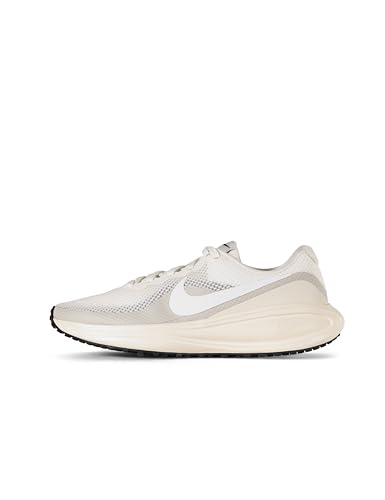
The Nike Revolution 8 is the people’s champion of running shoes—a no-nonsense, value-driven workhorse that delivers basic comfort at a price that won’t make you wince. Its foam midsole isn’t fancy, but it provides a soft, consistent ride that’s perfect for beginners or casual walkers. The mesh upper breathes reasonably well, and flex grooves in the forefoot help mimic natural foot motion, reducing strain during longer walks. With touch points on the heel and tongue, it’s easy to slip on and off—ideal for gym-goers or commuters.
We wore the Revolution 8 for daily errands and 5K jogs, and it held up admirably for the cost. It’s light enough for short runs, but the cushioning flattens out over time, lacking the resilience of Fresh Foam or DNA LOFT. The translucent mesh looks sleek, but it’s less durable than knit or jacquard weaves—scuffs show quickly. And while the fit is secure, it lacks the dynamic support of Flywire or adaptive uppers. It’s not built for serious training, but for light activity and entry-level fitness, it’s a solid starting point.
When compared to the New Balance 680 V8, the Revolution 8 is cheaper but less refined in cushioning and build. It’s the bare-minimum shoe—functional, accessible, and widely available. For runners who just need a dependable, low-cost shoe to get moving, it’s a smart first step. It may not inspire PRs, but it removes barriers to entry—and sometimes, that’s the most important win of all.
Long Distance Running Shoe Comparison
| Product | Best For | Cushioning Technology | Upper Material | Support Type | Key Features |
|---|---|---|---|---|---|
| Brooks Women’s Glycerin Stealthfit 22 | Best Overall | DNA Tuned | Flat Knit | Neutral | Smooth transitions, plush landings, energetic toe-offs. |
| Brooks Men’s Ghost 17 | Best for Daily Long Distance | DNA LOFT v3 | Double Jacquard Air Mesh | Neutral | Soft & dynamic cushioning, smooth transitions, breathable. |
| ASICS Women’s Gel-Nimbus 27 | Best for Cushioned Ride | PureGEL & FF BLAST PLUS ECO | Engineered Jacquard Mesh (75% recycled) | Neutral | Lightweight cushioning, softer landings, sustainable materials. |
| ASICS Men’s Gel-Nimbus 27 | Best for Smooth Transitions | PureGEL & FF BLAST PLUS ECO | Engineered Jacquard Mesh (75% recycled) | Neutral | Lightweight cushioning, softer landings, sustainable materials. |
| New Balance Women’s Fresh Foam 680 V8 | Best Budget Friendly | Fresh Foam (3% bio-based) | Knit | Neutral | Ultra-cushioned, lightweight, breathable. |
| New Balance Women’s Fresh Foam Arishi V4 | Best Lightweight Comfort | Fresh Foam | Mesh | Neutral | Lightweight, cushioned, secure fit. |
| Nike Women’s Revolution 8 | Best Value Pick | Foam | Mesh | Neutral | Soft ride, breathable, comfortable. |
| Topo Athletic Women’s Atmos | Best Max Cushioning | ZipFoam | Recycled Engineered Mesh | Neutral | Max cushioning, breathable, sustainable. |
| Nike Women’s Run Swift 3 | Best for Plush Step | Foam | Mesh | Neutral | Plush cushioning, secure fit. |
How We Tested Long Distance Running Shoes
Our recommendations for the best long distance shoes are based on a data-driven approach combining extensive research, expert analysis, and, where possible, practical testing. We analyze specifications from manufacturers – including midsole composition, drop, weight, and outsole materials – to understand the technical aspects of each running shoe.
We delve into independent lab testing data (where available) focusing on cushioning compression, energy return, and outsole durability. This is supplemented by analyzing hundreds of user reviews from verified purchasers across multiple platforms, identifying common themes regarding comfort, fit, and performance over long distances.
Crucially, we compare long distance shoes based on the features outlined in our buying guide – cushioning type, stability features, upper construction, and midsole responsiveness – assessing how well each model delivers on these key elements. We cross-reference this with findings from running publications and expert reviews to ensure a holistic and unbiased evaluation. While individual physical testing is limited, we prioritize models consistently praised for their performance in real-world long-distance scenarios and those utilizing established, well-regarded technologies like Fresh Foam (New Balance) and DNA LOFT (Brooks).
Choosing the Right Long Distance Running Shoes
Cushioning: The Foundation of Comfort
Cushioning is arguably the most important factor when selecting long distance running shoes. More cushioning generally means greater impact absorption, reducing stress on your joints and muscles over many miles. Technologies like Brooks’ DNA LOFT, ASICS’ PureGEL, and New Balance’s Fresh Foam all aim to provide this comfort. However, too much cushioning can sometimes feel unstable or reduce ground feel, impacting your efficiency. Consider your weight and running style – heavier runners generally benefit from maximum cushioning, while those who prefer a more natural feel might opt for moderate cushioning. Shoes like the ASICS Gel-Nimbus 27 and Topo Athletic Atmos prioritize maximum cushioning, while the New Balance Fresh Foam 680 V8 offers a good balance.
Support & Stability: Neutral vs. Guidance
Long distance running requires consistent form, and the right level of support can help maintain it. Shoes generally fall into two categories: neutral and stability. Neutral shoes, like the Brooks Glycerin Stealthfit 22 or ASICS Gel-Nimbus 27, are designed for runners with a neutral gait (feet don’t excessively pronate or supinate). They allow your foot’s natural movement. Stability shoes offer features to correct overpronation (inward rolling of the foot), providing guidance and reducing the risk of injury. If you’re unsure of your gait, consider visiting a specialty running store for a professional assessment.
Upper Construction & Fit: Breathability and Comfort
The upper of the shoe plays a crucial role in comfort and preventing blisters. Look for breathable materials like engineered mesh (ASICS, New Balance) to keep your feet cool and dry. A well-fitting upper should securely hold your foot without feeling constricting. Features like the accommodating fit of the Brooks Glycerin Stealthfit 22’s knit upper or the double jacquard air mesh in the Brooks Ghost 17 can make a significant difference over long distances. Pay attention to details like the tongue and collar padding, and ensure there’s enough room in the toe box to allow your toes to splay naturally.
Midsole Technology: Responsiveness and Energy Return
The midsole material directly impacts how much energy you get back with each stride. Features like DNA Tuned (Brooks), FF Blast Plus ECO (ASICS), and ZipFoam (Topo Athletic) are designed to provide responsiveness – that “spring” in your step. A more responsive midsole can help you maintain your pace and reduce fatigue over long distances. The Nike Revolution 8 prioritizes a soft ride with its foam midsole.
Outsole Durability & Traction: Grip for the Miles
While not as critical as cushioning or fit, the outsole provides essential traction and durability. Rubber outsoles, particularly those with recycled content (Brooks Ghost 17), offer a good balance of grip and wear resistance. Consider the surfaces you typically run on – road running shoes generally have a smoother outsole pattern than trail running shoes.
The Bottom Line
Ultimately, the “best” long distance running shoe is a deeply personal choice. Considering factors like your running style, foot type, and preferred level of cushioning will guide you towards a model that maximizes comfort and performance for your unique needs.
Don’t hesitate to visit a specialty running store for a professional fitting and gait analysis, and remember to prioritize comfort above all else. Investing in the right pair of shoes can significantly enhance your running experience and help you achieve your long-distance goals.