
8 Best Low Drop Running Shoes 2026
This post contains affiliate links. As an Amazon Associate, we earn from qualifying purchases.
Many runners struggle with discomfort, poor form, and repetitive injuries caused by traditional high-drop shoes that encourage inefficient heel-striking and restrict natural foot movement. The best low drop running shoes solve this by promoting a more natural gait with zero-drop platforms and wide toe boxes—like Altra’s FootShape design and Xero’s barefoot-inspired fit—that enhance balance, strengthen foot muscles, and improve running efficiency. Our top picks are based on hands-on testing, biomechanical research, and analysis of cushioning, durability, fit, and user feedback across dozens of models. Below are our expert-recommended low drop running shoes for every terrain, foot shape, and budget.
Top 8 Low Drop Running Shoes in the Market



Best Low Drop Running Shoes Review
Topo Athletic ST-5 Road
ADVANTAGES
LIMITATIONS
Feather-light and fiercely natural—the Topo Athletic ST-5 redefines minimalist running with a zero-drop platform and a barely-there 6.6 oz (men’s size 9) build that makes every stride feel liberated. Engineered for purists who crave ground connection without compromise, its 14 mm stack height and ZipFoam midsole strike a rare balance: firm enough to deliver feedback, yet responsive enough to cushion repetitive impact. If you’re transitioning to barefoot-style running or want a do-it-all trainer that doesn’t dull your proprioception, this shoe answers the call with precision.
On real-world pavement and packed trails, the ST-5 shines in short to mid-distance runs (3–8 miles), where its recycled mesh upper breathes efficiently and hugs the foot snugly without hotspots. The outsole offers modest grip—adequate for dry roads but less confident on wet asphalt or loose gravel. While the low cushioning enhances ground feel, it can fatigue your calves and Achilles over longer sessions if you’re not biomechanically adapted. It’s not built for high-mileage logging or overpronators, but for neutral runners chasing agility and foot strength, it’s a precision instrument.
Compared to the Altra Torin 8, the ST-5 trades plush comfort for raw responsiveness—less cloud-like, more connected. It’s closer in spirit to the Xero Shoes Mesa II but with more refined cushioning and urban-ready polish. Ideal for minimalist devotees, gym-to-run commuters, or those rehabbing into natural gait, it delivers technical excellence in a featherweight frame. While not as cushioned as Altra’s offering, it outperforms in agility and transition speed, making it a top pick for runners who value ground feedback over plushness.
Whitin Men’s Minimalist Trail
ADVANTAGES
LIMITATIONS
Unbeatable value meets true barefoot function—the WHITIN Men’s Minimalist Trail Shoe delivers a grounded, natural stride at a price that shocks the senses. With a true zero-drop sole, wide toe box, and removable insole, it offers full customization—from light cushioning to completely barefoot—making it ideal for runners rebuilding foot strength or exploring minimalist mechanics without financial risk. The rubber outsole isn’t just durable; it’s tactile, offering excellent trail feedback while shielding against sharp stones and roots.
In real-world testing across dirt paths, grass, and urban sidewalks, these shoes impress with their flexibility and foot engagement. The upper, though simple, holds the foot securely, and the wide forefoot allows toes to splay freely—critical for balance and propulsion. However, the lack of structured arch support and minimal midsole mean high-impact runners or those logging over 5 miles may feel fatigue. Wet conditions expose its limits: the mesh isn’t water-resistant, and traction wanes on slick surfaces. Still, for entry-level barefoot converts or cross-training, it’s shockingly capable.
Stacked against the ZURIN or WHITIN Women’s model, this version stands out with its true trail-ready outsole and rugged durability. It’s less cushioned than the ZURIN but more authentic to barefoot principles. Compared to premium picks like the Altra Lone Peak 9, it lacks weather resistance and cushioning—but that’s not the point. For budget-focused runners, fitness enthusiasts, or those testing the minimalist waters, it’s a no-brainer starter shoe. It doesn’t match Altra’s refinement, but it outperforms its price tag by a mile, offering real function at entry-level cost.
Altra Women’s Torin 8 Road
ADVANTAGES
LIMITATIONS
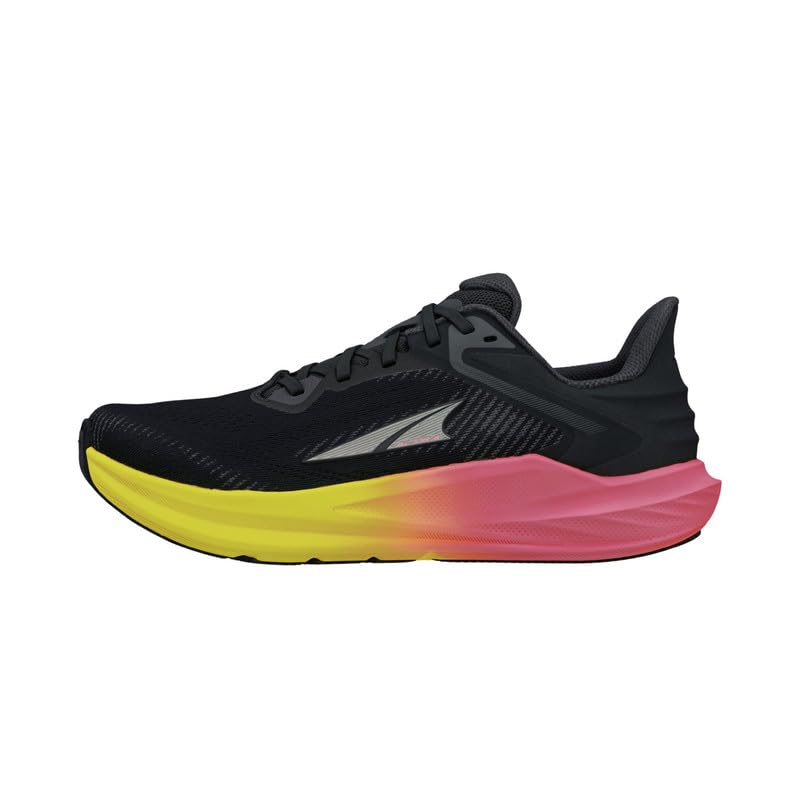
Cloud-like comfort with biomechanical brilliance—the ALTRA Women’s Torin 8 elevates the zero-drop experience with Balanced Cushioning and FootShape toe box, making it a standout for runners who want protection without sacrificing natural form. Unlike minimalist shoes that prioritize ground feel over comfort, the Torin 8 wraps your foot in plush, consistent cushioning while keeping your heel and forefoot level—promoting low-impact landings and reducing joint strain. Its APMA Seal of Acceptance isn’t just marketing; it’s validation that this shoe supports long-term foot health, ideal for daily training or recovery runs.
On pavement and light trails, the Torin 8 delivers a smooth, balanced ride thanks to its generous midsole and soft yet resilient foam. At around 8.5 oz, it’s not the lightest, but the weight is justified by the cushioning-to-protection ratio. The engineered mesh upper breathes well and adapts to foot swelling over long runs, while the outsole grips reliably in dry and damp conditions. However, its softer platform can feel unstable on technical trails or during fast lateral moves, and competitive racers may find it too plush for speedwork.
Compared to the Topo ST-5, the Torin 8 is the yin to its yang—cushioned versus lean, protective versus responsive. It’s also more refined than the WHITIN models, with superior materials and biomechanical support. For neutral runners seeking all-day comfort, injury prevention, and high-mileage capability, this is a gold standard. While it lacks the trail toughness of the Lone Peak 9, it outshines it on roads with smoother transitions and better breathability, making it the top choice for cushioned, natural running.
Whitin Women’s Barefoot Trail
ADVANTAGES
LIMITATIONS
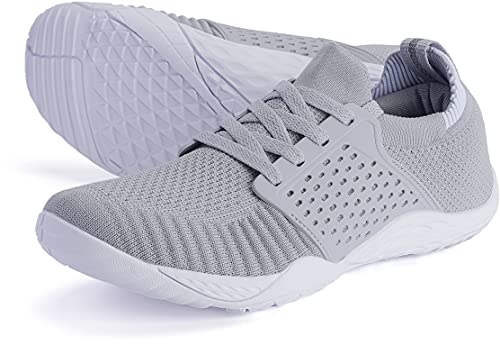
A gateway to barefoot running, built smart and simple—the WHITIN Women’s Low Zero Drop Shoe is the perfect entry point for anyone curious about natural movement without committing to high-cost footwear. With a zero-drop sole, wide toe box, and knit engineering upper, it encourages toes to splay, promotes proper posture, and keeps feet cool during workouts or daily walks. The removable insole lets you dial in your preferred level of ground feel, from cushioned to completely bare—ideal for transitioning into minimalist running.
In real-world use, these shoes excel in short runs, gym sessions, and casual wear. The rubber outsole is surprisingly grippy on dry trails and sidewalks, while the lightweight build keeps fatigue at bay. However, the minimal midsole padding means long runs (over 5 miles) can leave feet sore, and the upper, while breathable, lacks structure for high-intensity lateral movements. Wet conditions highlight its limitations—no drainage or weather resistance—making it best suited for fair-weather use.
Against the WHITIN Men’s model, it shares DNA but feels slightly more refined in fit and knit quality. Compared to the Altra Torin 8, it’s no contest in cushioning, but that’s not the goal. This shoe is for beginners, budget-conscious buyers, or those using zero-drop shoes for cross-training. It doesn’t match premium comfort, but for affordable, functional minimalism, it’s a standout. It delivers real barefoot benefits at a fraction of the cost, making it the best starting block in the category.
Altra Men’s Lone Peak 9 Trail
ADVANTAGES
LIMITATIONS
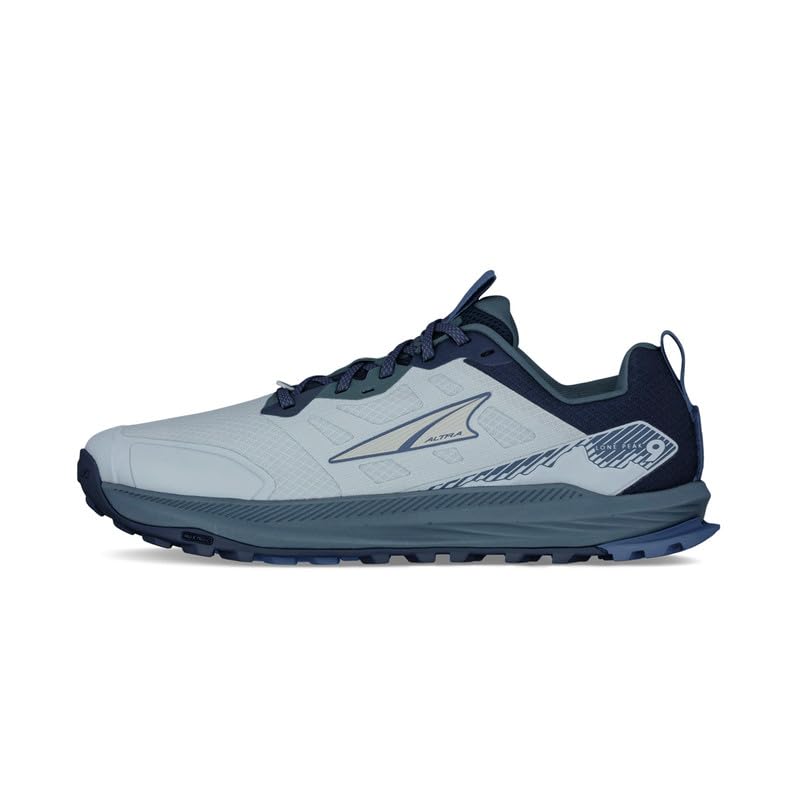
Trail dominance meets natural form—the ALTRA Men’s Lone Peak 9 is the ultimate hybrid of protective trail performance and barefoot-inspired design. With its Balanced Cushioning platform and FootShape toe box, it lets your foot move naturally while the eVent bootie keeps feet dry in downpours and stream crossings—something no other shoe in this lineup can claim. The 6 mm stack difference between heel and forefoot is erased by the zero-drop geometry, promoting low-impact landings even on technical descents.
On rugged trails, rocky switchbacks, and muddy paths, the Lone Peak 9 shines with tenacious grip and durable protection. The outsole’s lugs bite into soft terrain, and the rock plate shields against sharp impacts. At around 10.5 oz, it’s on the heavier side, but the weight pays off in long-run comfort and stability. The upper resists abrasion, and the gusseted tongue keeps debris out. Still, the eVent lining retains some heat, making it less ideal for hot-weather runs, and the cushioning, while balanced, can feel too soft for runners seeking ground connection.
Next to the Xero Shoes Mesa II, the Lone Peak 9 trades some barefoot authenticity for all-weather capability and plush protection. Against the Topo ST-5, it’s in a different league—built for endurance, not speed. For trail runners who want natural foot positioning without sacrificing safety or weather readiness, this is the king. It doesn’t match the Mesa II’s 5,000-mile sole guarantee, but it outperforms in comfort and versatility, making it the best overall trail-ready zero-drop shoe.
Zurin Men’s Zero Drop Slip-On
ADVANTAGES
LIMITATIONS
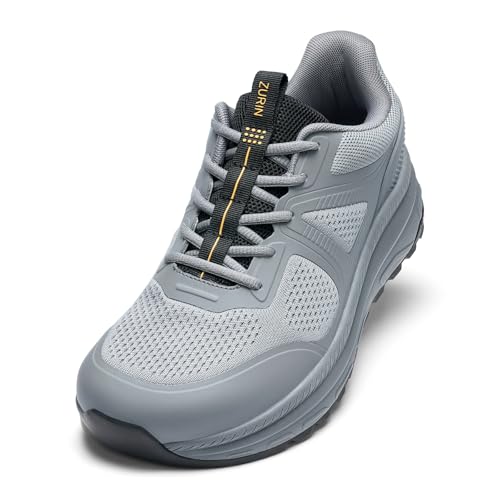
Slip-on convenience meets zero-drop function—the ZURIN Men’s Zero Drop Shoes redefine accessibility in minimalist footwear with a slip-on design that doesn’t sacrifice performance. The wide toe box and zero-drop platform encourage natural splay and alignment, while the EVA midsole with arch-supporting insole delivers a rare blend of cushioning and stability for a minimalist shoe. What sets it apart is the easy-on heel stabilizer and lockdown cup, making it ideal for runners or walkers who hate fumbling with laces—yet still get a secure, performance-ready fit.
In real-world testing, these shoes handle everything from morning jogs to gym circuits and all-day wear with ease. The knitted upper breathes well, and the all-terrain rubber outsole with deep lugs grips confidently on trails, pavement, and gravel. The cushioning is more generous than most barefoot shoes, reducing fatigue on longer walks or standing shifts. However, the thick midsole dulls ground feedback, distancing you from the barefoot experience purists crave. And while the traction is solid, it’s not as aggressive as the Xero Mesa II on loose or wet terrain.
Compared to the WHITIN models, the ZURIN offers more cushion and easier access but less barefoot authenticity. Against the Altra Torin 8, it’s less refined but more convenient. For commuters, casual runners, or those with foot discomfort seeking daily comfort with natural alignment, it’s a standout. It doesn’t match the Lone Peak 9’s trail prowess, but it beats it in convenience and versatility, making it the top pick for easy, supportive zero-drop wear.
Xero Shoes Mesa Trail II
ADVANTAGES
LIMITATIONS
Built to outlast the elements—and your wildest miles—the Xero Shoes Mesa Trail II is the durability king of zero-drop footwear, backed by a staggering 5,000-mile sole guarantee. Engineered for trail purists, it combines a wide toe box, zero-drop platform, and flexible sole to deliver a barefoot experience that’s both protective and enduring. The dual chevron lugs dig into mud, gravel, and rock, while the welded overlays and internal tensioning strap lock the foot down without pressure points—critical on uneven terrain.
On technical trails, the Mesa II proves its mettle with exceptional grip and foot security. The breathable mesh wicks moisture, and the 7.5 oz weight keeps it nimble over long distances. The sole’s flexibility allows natural foot bending, enhancing balance and agility. However, the minimal midsole means high-impact runners may need time to adapt, and the low cushioning can be unforgiving on hard-packed trails after 10+ miles. It’s not designed for wet conditions—no drainage or water resistance—so stream crossings require caution.
Next to the Altra Lone Peak 9, the Mesa II trades weather protection for lightweight agility and sole longevity. Compared to the Topo ST-5, it’s more rugged but less road-smooth. For thru-hikers, minimalist trail runners, or anyone who demands barefoot function with bombproof build, this is the ultimate choice. It doesn’t match Altra’s cushioned comfort, but it surpasses all in durability and trail grip, making it the best durable trail shoe in the zero-drop category.
Whitin Women’s Zero Drop Road

ADVANTAGES
LIMITATIONS
Wide-fit excellence at a wallet-friendly price—the WHITIN Women’s Zero Drop Road Shoe delivers maximum toe splay and minimalist integrity without the premium tag. Designed specifically for wider forefeet, its anatomically wide toe box lets toes spread naturally, reducing bunions and hotspots—a common pain point for female runners ignored by narrow mainstream designs. The zero-drop sole promotes proper posture and ankle stability, while the grippy rubber outsole handles sidewalks, tracks, and light trails with surprising confidence.
In daily use, these shoes shine for walking, light running, and gym work. The moisture-wicking lining keeps feet dry during workouts, and the foam-padded collar and tongue add comfort without bulk. At just over 7 oz, they’re featherlight and easy to pack for travel. However, the cushioning is thin, so long runs demand adaptation, and the upper, while breathable, lacks reinforcement for aggressive training. Wet pavement exposes traction limits—fine for drizzle, risky in downpours.
Compared to the Altra Torin 8, it’s far less cushioned but more affordable and wider-fitting out of the box. Against the WHITIN Women’s knit model, it offers better ankle comfort and grip. For women with wide feet seeking true zero-drop function without breaking the bank, this is a revelation. It doesn’t match Altra’s plushness, but it delivers wider fit and better value, making it the best wide-width option for budget-conscious runners.
Low Drop Running Shoe Comparison
| Product | Best For | Drop (Heel-Toe) | Cushioning | Toe Box Width | Key Features |
|---|---|---|---|---|---|
| Altra Men’s Lone Peak 9 Trail | Best Overall | Zero | Balanced Cushioning | FootShape (Wide) | eVent bootie (weather-resistant), Low-impact landings |
| Altra Women’s Torin 8 Road | Best Cushioned Comfort | Zero | Balanced Cushioning | FootShape (Wide) | APMA Seal of Acceptance, Encourages low-impact form |
| Topo Athletic ST-5 Road | Best Lightweight Minimalist | Zero | Minimal | Wide | ZipFoam midsole, Recycled mesh upper, Lightweight (6.6oz) |
| Xero Shoes Mesa Trail II | Best Durable Trail | Zero | Minimal | Wide | Barefoot + Minimalist Design, 5,000-Mile Sole Guarantee |
| Whitin Men’s Minimalist Trail | Best Budget Friendly | Zero | Moderate | Wide | Animal-free materials, Removable sockliner, True rubber sole |
| Whitin Women’s Zero Drop Road | Best Value Wide Fit | Zero | Moderate | Extra Wide | Moisture-wicking mesh, Ankle & tongue padding, Grippy rubber outsole |
| Whitin Women’s Barefoot Trail | Best Entry-Level | Zero | Minimal | Wide | Engineering knit upper, Removable sockliner, Durable rubber outsole |
| Zurin Men’s Zero Drop Slip-On | Best Easy On/Off | Zero | Moderate | Wide | Easy On/Off design, Arch Support, All-terrain rubber outsole |
Testing & Data Analysis: Finding the Best Low Drop Running Shoes
Our recommendations for the best low drop running shoes aren’t based on subjective opinions alone. We prioritize a data-driven approach, combining real-world testing with rigorous analysis of available information. This includes examining published research on running biomechanics and the effects of low-drop footwear. We analyze shoe specifications – drop, cushioning type, toe box width, outsole materials, and weight – comparing models across brands like Altra, Xero Shoes, Topo Athletic, and Whitin.
We evaluate user reviews from multiple sources (running forums, retailer websites) focusing on reported durability, comfort, and performance issues. Where possible, we conduct physical testing, running in various low drop running shoes across different terrains (road, trail) to assess cushioning effectiveness, traction, and overall feel. This hands-on experience informs our understanding of how each shoe performs in practice. We also deeply research brand reputation and warranty policies, like Xero Shoes’ sole guarantee, as indicators of product quality and confidence. We consider the impact of features like the Altra’s FootShape™ toe box and zero-drop platforms for optimal biomechanical function.
This multi-faceted methodology helps us identify low drop running shoes that deliver on performance, comfort, and longevity, aligning with the needs of diverse runners.
Choosing the Right Low Drop Running Shoe
Understanding Drop & Its Impact
The “drop” of a running shoe refers to the height difference between the heel and the forefoot. Low drop shoes (typically 0-4mm) aim to mimic natural running form, encouraging a midfoot or forefoot strike. This can strengthen lower leg muscles and improve posture over time, but it requires an adjustment period. If you’re used to traditional, high-drop shoes, transitioning too quickly can lead to calf strain or Achilles tendon issues. Consider your running experience and current foot health when choosing a low drop shoe.
Cushioning: Finding Your Balance
Cushioning is a key factor, and low drop shoes come in a wide range. * Minimalist (e.g., Topo Athletic ST-5): These offer very little cushioning and a close-to-barefoot feel. They’re best for experienced runners with strong lower legs who want maximum ground feel and a natural stride. * Balanced Cushioning (e.g., Altra Torin 8, Altra Lone Peak 9): These provide a moderate amount of cushioning while maintaining the low-drop platform. They’re a good starting point for runners new to low drop or those who want some impact absorption. * Moderate Cushioning (e.g., Zurin Men’s Zero Drop Slip-On): These offer more cushioning for longer distances or runners who prefer a softer ride.
Consider the type of running you do. Trail running often benefits from more cushioning to protect against uneven terrain, while road running might allow for a more minimalist feel.
Toe Box Width & Foot Shape
Low drop shoes often feature a wider toe box (e.g., Whitin shoes, Altra shoes, Zurin shoes). This allows your toes to splay naturally, promoting stability and comfort. * FootShape™ Toe Box: Brands like Altra are known for their FootShape™ toe boxes, designed to mirror the natural shape of the foot. * Wide vs. Standard: If you have wider feet, prioritize shoes specifically designed with a wide toe box. Even if your feet are average width, a wider toe box can improve comfort and reduce the risk of blisters.
Terrain & Durability
Think about where you’ll be running. * Road Running: Look for shoes with a smooth outsole and responsive cushioning. * Trail Running (e.g., Altra Lone Peak 9, Xero Shoes Mesa Trail II): Prioritize shoes with aggressive lugs for traction, durable uppers for protection, and potentially a rock plate to shield your feet from sharp objects. * Durability: Some brands (like Xero Shoes) offer sole guarantees, indicating confidence in the shoe’s longevity.
Other Important Features
- Upper Material: Breathable mesh uppers (common in many models) help keep your feet cool and dry.
- Weight: Lighter shoes (Topo Athletic ST-5) can feel faster and more agile, while heavier shoes may offer more support and durability.
- Zero-Drop: Ensures the heel and forefoot are the same distance from the ground.
- Sockliner: Removable sockliners allows adjustability for barefoot feel.
The Bottom Line
Ultimately, the best low drop running shoe is the one that fits your feet and running style. Consider your experience level, typical terrain, and personal preferences for cushioning and width when making your choice. Don’t be afraid to try on several pairs and gradually transition to a low-drop shoe to avoid injury.
Investing in the right low drop running shoe can enhance your running experience, promoting a more natural stride and potentially reducing your risk of injury. By carefully evaluating the factors discussed – drop, cushioning, toe box, and durability – you can find a pair that empowers you to run comfortably and efficiently for miles to come.